What Actually Drives the Price of Solid Wood Furniture
Walking through a furniture showroom in Singapore, the price differences can be staggering. A solid wood sofa might cost SGD 3,500, while a rattan furniture version of a similar size is priced at SGD 1,800. A solid wood dining table for six could be SGD 4,200, whereas a marble table with a solid wood base might be SGD 2,500. As a specialist who has spent years examining the craftsmanship and materials behind these pieces, I can tell you that the price is rarely arbitrary. It is a direct reflection of a complex interplay of factors, from the origin of the wood to the precision of the joinery. Last month, I visited a workshop in Foshan to see these processes firsthand, and the experience clarified exactly where the value lies. This article will dissect those elements, helping you understand what you are truly paying for when you invest in solid wood furniture for your Singapore home.
Why is Solid Wood Furniture an Investment, Not Just a Purchase?
The fundamental reason solid wood commands a higher price is its inherent value as a long-term investment. Unlike particleboard or MDF (Medium-Density Fiberboard) that may delaminate or warp within a few years, a well-made solid wood bed frame or dining table can last for decades. This longevity is not a marketing slogan; it's a physical reality. A solid oak wardrobe, for instance, can be refinished multiple times over its lifespan, completely changing its appearance while retaining its structural integrity. This is why many manufacturers, including those with a heritage like MIDHILL, offer a lifetime refinishing service. They are confident that the core material—solid wood—can endure. When you buy a solid wood piece, you are not just buying furniture; you are buying a durable asset that can adapt to your changing tastes and needs, making it a smarter financial choice over time compared to disposable, fast-furniture alternatives.
Does the Type of Wood Make a Huge Difference in Price?
Absolutely. The type of wood is arguably the single most significant factor in determining the price of a piece of furniture. Not all wood is created equal, and its characteristics directly impact cost, durability, and appearance. Hardwoods, derived from deciduous trees, are denser, more durable, and generally more expensive than softwoods, which come from coniferous trees. Common hardwoods used in high-end furniture include oak, walnut, cherry, and maple. Oak, with its prominent grain and exceptional strength, is a popular choice for dining tables and bed frames. Walnut, prized for its rich, dark colour and straight grain, often commands a premium. A solid walnut nightstand will almost always be more expensive than one made from pine or rubberwood. The origin also matters. European oak, for example, is often considered of higher quality and is priced accordingly. The choice of wood dictates the piece's potential lifespan, its resistance to wear and tear, and its aesthetic appeal, all of which are factored into the final price.
Why is Handcrafted Joinery More Expensive than Nails and Glue?
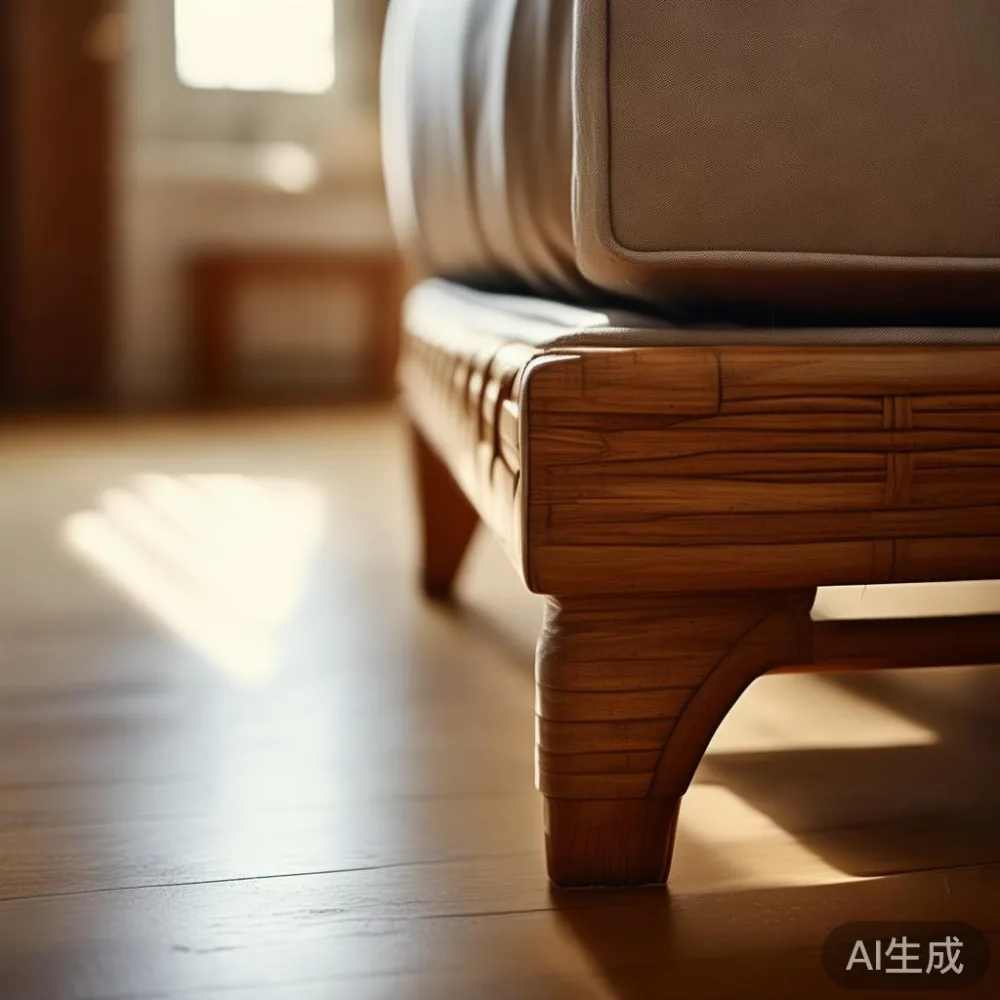
The way a piece of furniture is assembled is a critical component of its price and quality. Mass-produced furniture relies heavily on screws, nails, and glue. These methods are fast and inexpensive but create points of weakness. Over time, joints can loosen, leading to wobbly chairs or sagging drawers. In contrast, high-quality solid wood furniture is constructed using traditional joinery techniques—dovetail joints, mortise and tenon joints, and finger joints. These methods create interlocking, self-supporting structures that are incredibly strong and durable. A dovetail joint in a drawer, for instance, is a marvel of woodworking, allowing the wood to expand and contract with changes in humidity without compromising the joint's integrity. This level of craftsmanship requires skilled artisans, more time, and specialized tools, which directly increases the cost. However, the result is furniture that is not only stronger but also more aesthetically pleasing, with visible craftsmanship that speaks to its quality. This is a key differentiator between cheap light luxury furniture and genuinely well-made pieces.
How Do Design and Finishing Add to the Cost?
Beyond the material and construction, the design and finishing process adds significant value. A simple, straightforward design will be less expensive than a complex, ornate one. For example, a basic rectangular dining table will cost less than a table with curved legs, intricate carvings, or inlays. The complexity of the design requires more planning, more precise cutting, and more skilled labour. The finishing process is another area where costs can escalate. A high-quality finish involves multiple steps: sanding to a perfectly smooth surface, applying a stain or dye to achieve the desired colour, and then applying several coats of a protective lacquer or oil. Each coat must be applied and allowed to dry properly, which is a time-consuming process. A hand-rubbed French light luxury finish, for instance, is far more labour-intensive than a simple spray-painted finish. This meticulous attention to detail not only protects the wood but also enhances its natural beauty, giving the piece its final character and sheen.

Is French bed vs Modern bed a Price Difference or a Value Difference?
This question gets to the heart of how style influences price. The difference between a French bed and a Modern bed is not just aesthetic; it's a difference in philosophy, construction, and materials, which directly translates to price. A French-style bed, often associated with light luxury, typically features elaborate details like carved headboards, curved legs, and ornate upholstery. These designs demand a high level of craftsmanship, often involving skilled woodcarvers and upholsterers. The materials used, such as high-quality fabrics and detailed mouldings, also add to the cost. A Modern bed, on the other hand, favours clean lines, minimalism, and functionality. It often uses simpler construction methods and may incorporate materials like metal or tempered glass alongside solid wood. While a Modern bed can still be very well-made, the complexity of the French design usually results in a higher price point. The value lies in what you prefer: the timeless elegance and intricate detail of the French style or the sleek, uncluttered look of the Modern style. Both can be excellent investments, but their price reflects their distinct construction paths.
How Does Rattan Furniture Fit into the Solid Wood Price Spectrum?
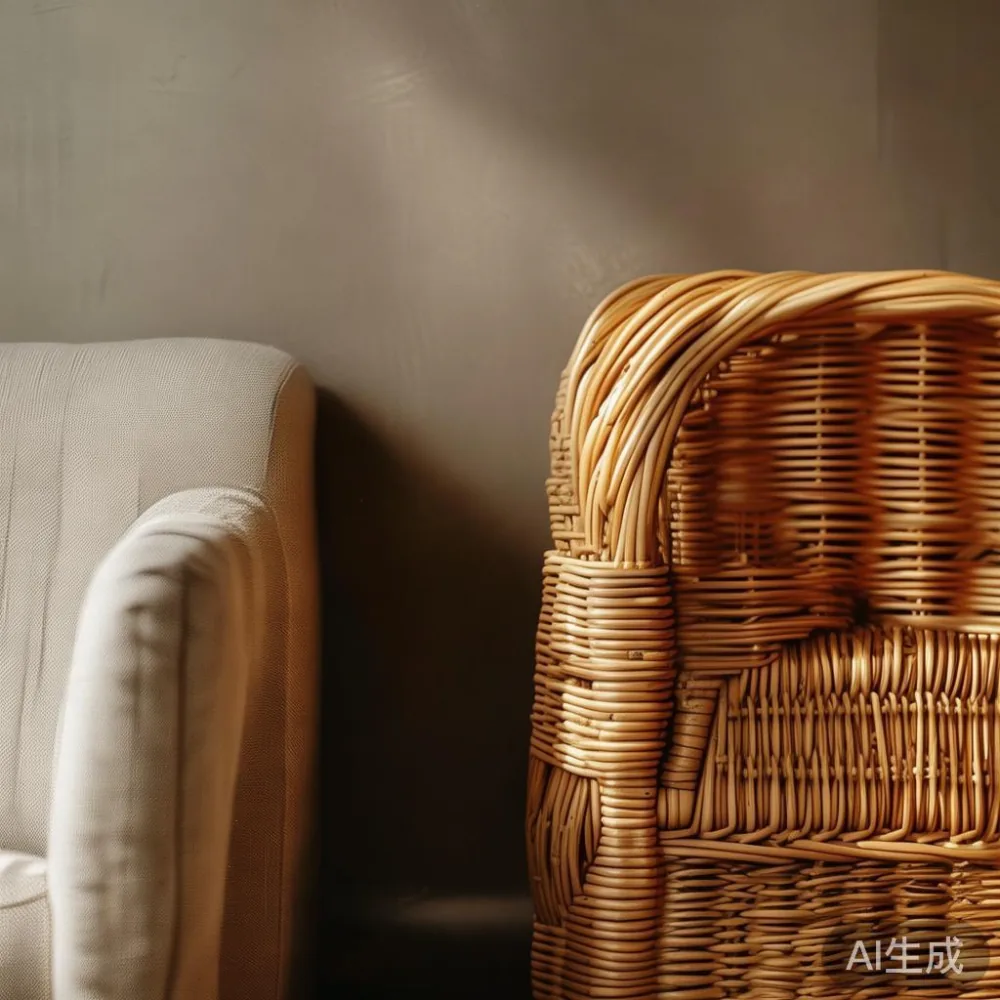
When discussing solid wood pricing, it's helpful to consider rattan furniture as a point of comparison. Rattan is a natural vine-like material, not a solid wood, and its processing and properties are different. Rattan is lightweight, flexible, and often used for creating woven patterns on frames, which can be made from solid wood or other materials. The price of rattan furniture is generally lower than that of solid wood because rattan itself is a fast-growing and relatively inexpensive material. The weaving process, while labour-intensive, does not require the same level of precision as dovetail joinery. Rattan furniture offers a distinct aesthetic—often more casual, tropical, or bohemian—which is popular in Singapore's climate. It's an excellent choice for outdoor spaces or for creating a relaxed, airy feel in a living room. Understanding the difference helps contextualize why a solid wood dining table is a more significant investment than a rattan furniture equivalent; it's a matter of material durability, structural complexity, and long-term value.
What About the Costs of Delivery and Local Logistics in Singapore?
The price you see on a tag doesn't always include the full story, especially in a dense urban environment like Singapore. The logistics of delivering large, heavy furniture items are a significant component of the final cost. Consider the challenges: a solid wood wardrobe can weigh over 80 kg and measure 200 cm in height. Working through this through the corridors and lifts of an HDB flat in Tampines or a condo in Punggol requires careful planning. Standard courier services are often not equipped to handle such bulky items. Furniture companies must use specialized delivery teams with the right vehicles (often with tail lifts) and personnel who can disassemble doors and work through tight spaces. This service is not cheap. Then there's the Goods and Services Tax (GST) to consider, which is applied to the total cost of the furniture plus delivery. This is why many reputable sellers, like those who export to 15+ countries, offer free shipping over a certain purchase value, such as SGD 350. It's a way to offset these significant logistics costs for the customer while encouraging a larger purchase.
Are Warranties and After-Sales Services Part of the Price?
Yes, they absolutely are. When you pay a premium for solid wood furniture, a portion of that cost goes towards guarantees and after-sales support. A 10-year structural warranty, for instance, is a powerful statement of confidence from the manufacturer. It means they stand behind the quality of their craftsmanship and materials. This warranty covers the core structure of the piece—the frame, the joints, the legs—protecting you from defects that could arise from improper construction. It's a service that requires a dedicated team to manage, potential costs for repairs or replacements, and a system for verifying claims. Similarly, a generous return policy, like a 14-day returns window, adds a layer of convenience and security for the buyer. These services are not free for the company to provide. They are built into the price structure to ensure that the customer has a positive and worry-free experience from purchase to long-term ownership. They represent the value of trust and reliability that comes with a reputable brand.
Can You Find Quality Furniture Under a Certain Budget?
Many consumers in Singapore search for specific value propositions, like finding quality under 2000 Japandi furniture. The Japandi style, which blends Japanese minimalism with Scandinavian functionality, is popular for its clean lines and use of natural materials. It is possible to find well-made pieces in this style under SGD 2,000, but it requires understanding what compromises might be made. For example, a dining table might be made from a high-quality solid wood like oak for the top but use a more cost-effective engineered wood for the hidden base or internal supports. A nightstand might have a beautiful solid wood drawer front but use MDF for the sides and back. The key is to focus on the parts of the furniture that bear the most stress and are most visible. A solid wood top on a table will last a lifetime, even if the substructure is engineered. By being a savvy shopper and understanding the components, you can absolutely find beautiful, functional furniture that fits your budget without sacrificing all quality.
What is the Best Vintage wardrobe for 2026, and Why Does it Cost More?
The search for the 'best Vintage wardrobe for 2026' highlights another aspect of pricing: heritage and uniqueness. A true vintage piece, one that is genuinely old and not just a modern reproduction, carries a premium price for several reasons. First, the craftsmanship is often superior to what is found in mass-produced items today. Vintage wardrobes were frequently built by hand using techniques like dovetail drawers and solid wood panels that are rare in contemporary factories. Second, the wood itself may be from old-growth trees, which had tighter grain and greater density than modern, plantation-grown timber. Thirdly, there is the element of scarcity and history. Each piece tells a story, and its unique patina— the wear, the colour changes, the minor imperfections—adds to its character and value. A new wardrobe, even a high-quality one, is a blank slate. A vintage one is a finished work of art. The price reflects not just its function as storage, but its value as a piece of history and a statement of individual style.
How Does a MIDHILL Bed Compare in Terms of Value?
When evaluating a specific product like a MIDHILL bed, it's useful to look at the package of value it offers. A MIDHILL bed might be priced at, for example, SGD 2,800 for a queen-size solid wood frame. At first glance, this might seem high compared to a simple bed from a big-box store. However, the value becomes clear when you break down what's included. The price covers a solid wood frame, likely made from a durable hardwood. It includes a 10-year structural warranty, which provides long-term peace of mind. It often comes with a lifetime refinishing service, meaning you can refresh its look decades down the line. The price also factors in the design—perhaps it features a clean, post-modern light luxury aesthetic that is both stylish and timeless. It might also include features like a slatted system designed for proper mattress support and airflow. The SGD 2,800 isn't just for the wood; it's for the assurance of quality, the longevity of the product, the warranty protection, and the aesthetic design. It's an investment in a good night's sleep and a beautiful bedroom for years to come.
What About Smaller Items Like a European light luxury sofa vs Mid-century modern sofa?
The price difference between a European light luxury sofa and a Mid-century modern sofa illustrates how style and material choice influence cost, even within the same category of furniture. A European light luxury sofa often emphasizes comfort, plush upholstery, and elegant, slightly curved forms. It might feature high-density foam cushions, premium fabric like linen or velvet, and solid wood legs with a detailed finish. The emphasis is on creating a soft, enveloping, and opulent seating experience. A Mid-century modern sofa, in contrast, prioritizes clean lines, geometric shapes, and a minimalist aesthetic. It often features slanted wooden legs, tailored upholstery, and a more structured, firmer feel. The choice between them depends on personal taste, but the price difference comes down to materials and design complexity. The European sofa might use more expensive upholstery fabrics and more cushioning material, while the Mid-century sofa might rely on more visible, precisely crafted wood elements. Both styles can be exceptionally well-made, but their price points reflect their different design philosophies and material palettes.
Is Japanese for guest room a Viable and Cost-Effective Choice?
Opting for a Japanese style for a guest room is an excellent strategy for achieving a balance of aesthetics, functionality, and cost-effectiveness. The Japanese aesthetic is rooted in simplicity, natural materials, and efficient use of space, which aligns perfectly with the needs of a guest room. Furniture in this style is often lower to the ground, creating a sense of calm and spaciousness. Key pieces might include a low-profile platform bed (a tatami bed), a simple wooden wardrobe, and a minimalist nightstand. The focus on solid wood, particularly lighter woods like ash or oak, ensures durability without a heavy price tag. This style avoids the ornate details of other luxury furniture, keeping labour costs lower. Also, the uncluttered nature of the design makes a smaller room, like those in many Singapore HDB flats, feel larger and more peaceful. Choosing a Japanese for guest room theme is not just about looking good; it's a practical and often more affordable way to create a welcoming and restful environment for visitors.