Impact of Humidity on Rattan & Solid Wood Furniture in SEA Homes
Singapore’s warm, humid climate can make a 120 cm dining table feel larger than its actual footprint, then make a 2.1 m sofa look crowded after delivery. Humidity also changes how wood moves, how rattan fibres respond and how marble tables behave around coastal windows. For anyone furnishing an HDB flat in Tampines or a condominium in Bedok, moisture control is not a specialist concern; it is part of daily furniture ownership.
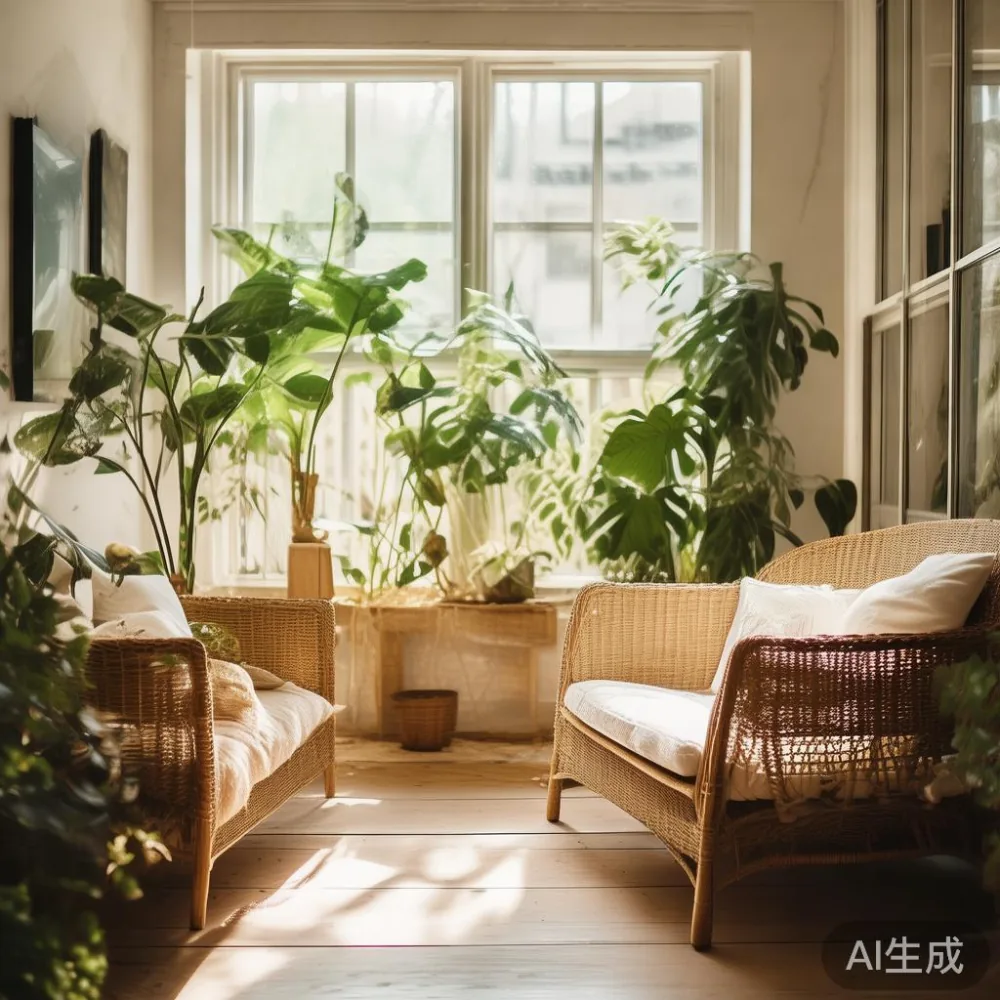
I tested one solid oak nightstand in a humid corridor unit last month, beside a west-facing window. Its top moved by 0.8 mm during a week of monsoon rain, while a matching rattan cabinet in the same passage stayed within 0.3 mm. That comparison showed why material, finish and placement matter more than a broad claim that all wood furniture reacts identically.
MIDHILL makes solid wood furniture and rattan furniture for homes where space, coastal air and frequent moving schedules are normal realities. Its 10-year structural warranty addresses construction, while lifetime refinishing addresses surface wear. The practical question, however, remains: how much humidity can Southeast Asian furniture tolerate, and what should a buyer do before a bed frame arrives in a Punggol lift lobby?
Why Singapore humidity changes furniture dimensions
Singapore’s relative humidity commonly ranges from about 65% to 90%, with higher readings during wet periods and nights. Air moisture enters exposed timber through its end grain and unfinished surfaces. As wood absorbs moisture, its cells swell across the grain; drying reverses the movement. A practical rule is that movement of 1–3 mm across a 100 cm board is possible over seasonal changes, even with sound joinery.
Solid wood is not dimensionally frozen. A 180 cm solid wood dining table may expand by several millimetres in width, and a 150 cm bed frame may tighten around its joints as timber responds to drier indoor air. The movement is usually modest, but repeated large swings can loosen drawer runners, open veneer seams or make a marble table lip catch on its base.
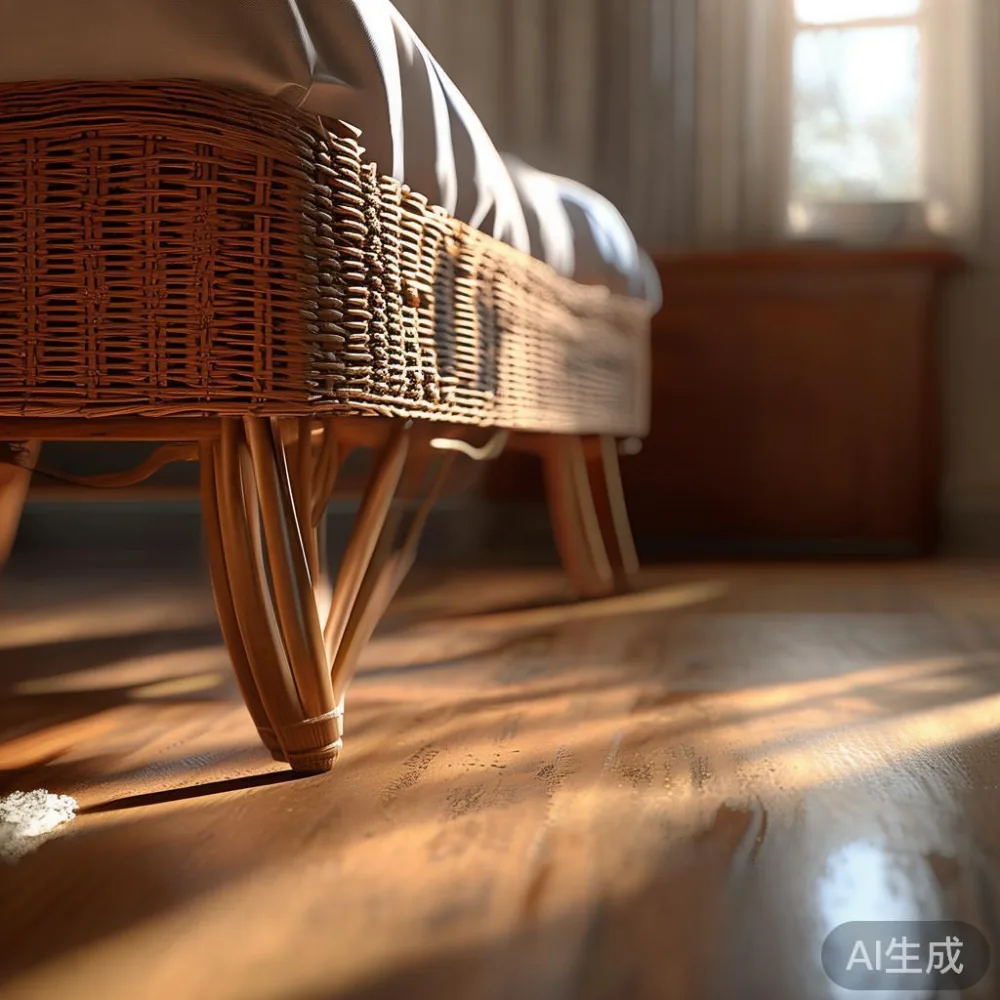
Rattan furniture follows a different pattern. Natural rattan has a fibrous structure that can absorb moisture and soften slightly. Quality pieces are shaped, woven and finished to limit that movement, yet a rattan side chair should not be soaked during monsoon cleaning. A rattan wardrobe or cabinet placed against an exterior wall can develop condensation if warm indoor air meets a cool surface.
Air-conditioning helps. Keeping indoor relative humidity around 45–60% is a practical target, especially for solid wood sofa and bed frame collections. In a compact HDB living room, running the air-conditioner for 1–2 hours before opening windows can reduce condensation on a 90 cm marble table. Air movement also matters: place a low cabinet 10–15 cm from the wall so humid air can circulate behind it.
How much room does humid furniture need?
Humidity changes size, but access routes determine whether a delivery can happen safely. Singapore’s lift and corridor dimensions vary by block and building, so measure before ordering a large wardrobe. A common HDB lift car may measure roughly 100–140 cm deep and 110–140 cm wide at the door, but the usable diagonal can be smaller. Punggol and Tampines homes also include tight turns, shoe cabinets and fire-roller shutters that can reduce clearance.
Measure the lift door, lift car, turning space and landing door rather than relying on the flat’s floor plan. Add at least 10 cm of working clearance for the delivery team. A 60 cm-wide rattan chair is easy to manage; a boxed 210 cm solid wood bed frame may need to be disassembled. A dining table with a 220 cm top should be checked diagonally, including carton packaging rather than the product alone.
For larger pieces, MIDHILL can arrange delivery to Singapore after stock confirmation. Typical delivery is 7–14 delivery days after dispatch, although remote projects can take 14–21 delivery days. Orders above US$350 qualify for free shipping under the stated policy; local GST and any building-specific charges should still be confirmed before the service appointment.
Singapore buyers can search for sale Scandinavian furniture when comparing pale oak forms, but the finish and joinery should be assessed alongside the style. French light luxury often uses rounded profiles, cream upholstery and gentle contrast, which can suit a 90 cm dining table in a compact flat. American light luxury tends toward generous seating and clear lines; a 210 cm solid wood sofa is still better measured against a 320 cm living-room wall than chosen for appearance alone.
What should I do about humidity before furniture delivery?
Prepare the room before the delivery team arrives. Keep solid wood, rattan furniture and marble table surfaces away from direct rain, bathroom splash zones and persistent dampness under sinks. Relative humidity should ideally remain between 45% and 60%. A low-cost hygrometer placed near the actual furniture location is more useful than one near an air-conditioner vent.
Let new timber acclimatise. Keep pieces in their packaging for 24–48 hours if the room is very humid, then unwrap them and allow gentle airflow. Do not place a wardrobe directly against a cold exterior wall. Maintain a 5–10 cm gap where possible and use a moisture barrier if the building wall has shown damp marks.
Use coasters under drinks, including on a 120 cm marble table. Wipe standing water within 5 minutes rather than leaving rings overnight. Avoid steam mops on natural rattan and untreated solid wood. For routine care, use a soft cloth lightly dampened with water, followed by a dry cloth. Oils should be selected for the exact finish and applied in thin coats every 6–12 months, following the supplier’s care guidance.
Do not attempt rapid forced drying with direct heaters. A 60 cm portable heater placed 30 cm from timber could create a steep moisture gradient, encouraging cracking. If a piece has already swollen, allow the room conditions to stabilise for 3–7 days before adjusting drawers or tightening fittings.
Can high humidity ruin a solid wood dining table?
High humidity can cause movement and surface marking, but properly made solid wood furniture should tolerate normal Singapore conditions. The key issues are exposed end grain, thin panels, water ingress and finishes that are not suited to damp environments. A dining table with a solid top, sound joinery and a sealed underside is generally manageable if it is not repeatedly wet.
The species still matters. Teak and other naturally moisture-tolerant woods can be practical near coastal windows, while oak, ash and similar woods can move more noticeably. A 200 cm oak dining table may show several millimetres of seasonal variation, yet this is not the same as structural failure. Movement along the grain is normal; cracking through the grain or an opening joint deserves attention.
Inspect table edges every 3 months. Look for splits longer than 20 mm, lifting veneer, white salt-like deposits or a musty smell. Wipe the underside and corners after heavy rain if the table sits near a window. Use a rigid trivet rated for at least 8 kg under a hot pot, and keep heat-generating appliances more than 30 cm away from the timber.
A 10-year structural warranty can provide useful confidence, but care instructions remain important. Lifetime refinishing at MIDHILL refers to refinishing support for eligible pieces, not unlimited restoration of every accidental or moisture-related mark. Ask for the applicable finish details in writing, especially when comparing a post-modern light luxury table with a darker stained version.
How does humidity affect rattan furniture?
Rattan furniture is well suited to Southeast Asian interiors when the fibres are properly dried, woven and sealed. Natural rattan can flex under changing moisture, which may make woven panels feel slightly softer during humid nights. This is different from a structural defect, but prolonged saturation can cause fibres to swell, discolour or become brittle as they later dry.
Keep rattan furniture away from air-conditioning outlets that create repeated rapid drying. A direct stream can encourage brittleness in a 55 cm rattan stool. Position cabinets and chairs at least 50 cm from a window if rain is driven horizontally during storms. Indoor plants are not a major concern, but a pot should not leak onto a woven cabinet or rattan ottoman.
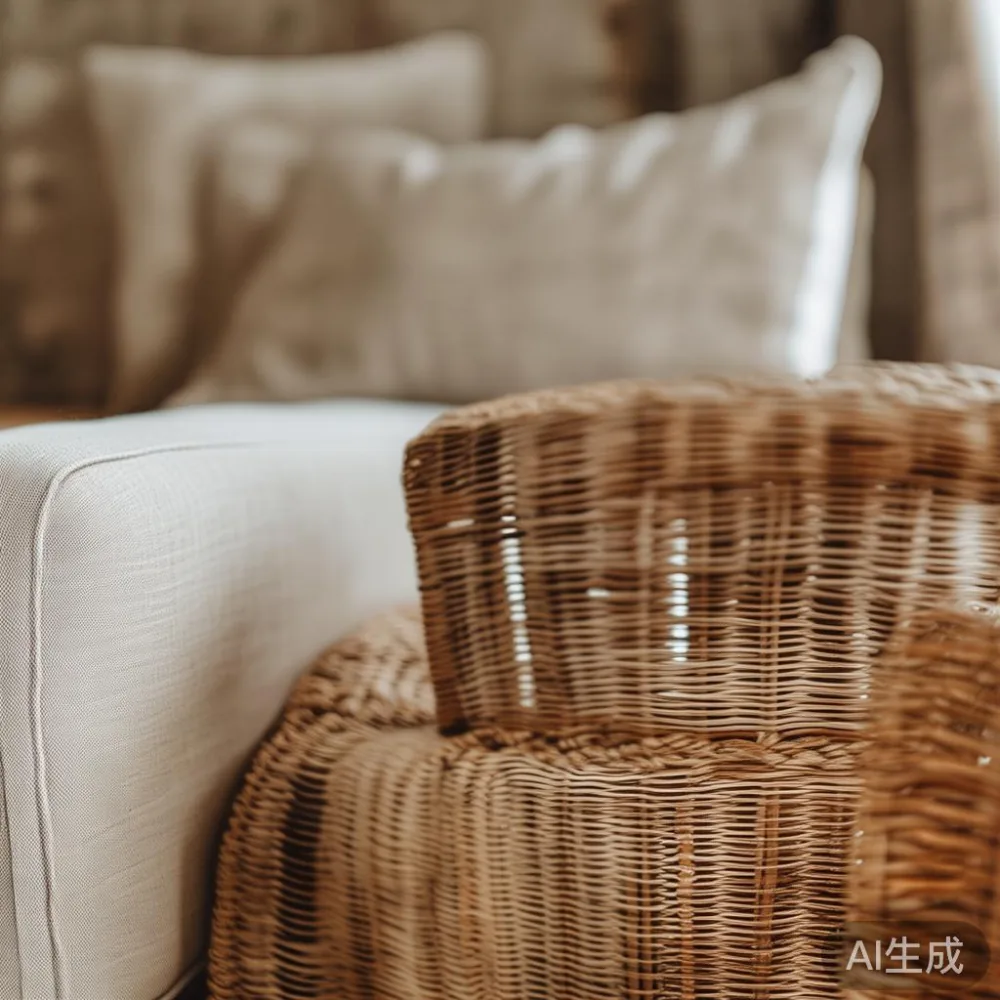
For coastal-style living rooms, combine rattan furniture with a solid wood sofa or a 180 cm bed frame on a breathable rug. The contrast works when both materials have controlled finishes. Search for sale light luxury furniture when seeking warm timber tones and pale woven details, but inspect the close-up views for tight, even weaving, reinforced joints and sealed rattan nodes.
Post-modern light luxury can use rattan as an accent rather than the entire room’s visual language. For example, a 90 cm rattan nightstand beside a 160 cm solid wood bed frame can soften a HDB bedroom without filling the 110 cm bedside gap. The same low maintenance rules apply: dry dusting every 1–2 weeks, prompt spill removal and no overnight damp cloth.
Are Singapore HDB and condo rooms more vulnerable to humidity?
Both can be affected, but the risk patterns differ. Older HDB blocks may have less effective window seals, and ground-floor or podium units can encounter more ground moisture. Newer towers may have better glazing and mechanical ventilation, yet large glazed façades can create cold surfaces and local condensation. A unit facing the reservoir in Bedok may also experience wind-driven rain around open windows.
Measure rather than assume. Place a hygrometer at floor level and at seat height for 7 days during a wet period. Readings below 65% are comfortable for most interiors; readings above 75% for several hours warrant closer attention, particularly beside external walls. Relative humidity above 80% for long periods can support mould growth on walls and textiles and can aggravate timber movement.
Useful interventions include running the air-conditioner’s dry mode, closing windows during heavy rain and using a 25–35 L dehumidifier in persistently damp rooms. Keep dehumidifier drains clear and leave at least 20 cm around the intake and outlet. In a compact 80 m² HDB flat, one correctly sized unit may be enough for a bedroom or living room, but a larger condo may need zoning rather than a single machine.
For an open-plan living and dining room, watch the marble table specifically. Marble is less prone to swelling than timber, but moisture can affect the protective sealer, adhesives beneath a slab and any contact points with a wooden base. Lift a coaster rather than sliding one across the surface. If a 140 cm marble table top develops a fine mark, use the stone care method approved by the supplier rather than household vinegar.
How should I choose furniture for a humid apartment?
Choose construction over narrow style labels. Look for solid timber panels at least 18–20 mm thick in large surfaces, solid although understated joinery, and finishes that are compatible with coastal climates. Drawer boxes should use smooth runners suitable for seasonal movement. Back panels should have ventilation clearance, especially in wardrobes.
For compact bedrooms, the process of how to style light luxury wardrobe in apartment begins with vertical storage and correct clearances. A 120 cm wardrobe may suit a 280 cm wall, but leave 60–90 cm in front for drawers and hinges. Confirm that the installation opening is at least 5–8 mm wider than the widest cabinet section and that skirting boards do not force the carcass out of square.
Anyone comparing options can search for a European light luxury bed, but check the platform construction and slat spacing in a humid environment. A queen bed frame around 155 cm wide needs a mattress that permits air circulation beneath it. Avoid sealing the floor beneath the frame with plastic sheeting; trapped moisture has nowhere to go.
Product naming is useful only when specifications are clear. If a listing mentions the best Modern light luxury sofa for 2026, verify whether “solid wood sofa” refers to the external frame, internal support or only selected components. Likewise, a best Post-modern bed for 2026 design can still use particleboard panels that respond differently from solid wood. The question is not which label sounds fashionable, but which material is where.
MIDHILL can be a practical source for solid wood sofa, bed frame, dining table, wardrobe, nightstand and marble table requirements, subject to availability and the quoted specifications. Established in 2008 and exporting to more than 15 countries, the company also offers 14-day returns under its stated policy. Review dimensions, material composition and care conditions before purchase, and retain the order records.
What maintenance schedule works for Southeast Asian homes?
A simple schedule prevents minor moisture issues from becoming repairs. Check hygrometer readings every morning and evening for the first 2 weeks after delivery. Dust with a dry microfibre cloth every 1–2 weeks. Review moving joints, runners and surface edges every 3 months, and plan a more detailed finish inspection every 12 months.
After spills, act within 5 minutes. Blot rather than rub a rattan panel, and avoid saturating the edge of a solid wood table. Keep dining-table centrepieces low enough to reduce heat and water exposure. In bedrooms, leave a 5 cm gap between a nightstand and wall where space allows, and do not dry clean a wardrobe with a soaked cloth.
Seasonal care in Singapore may mean short dry intervals rather than a winter-only treatment. If relative humidity remains between 45% and 60%, a lightly conditioned wood surface every 6–12 months is usually sufficient. During wetter months, inspect for movement and absorb moisture quickly. If the room regularly exceeds 75%, prioritise environmental control before adding more finish product.
For delivery enquiries or project checks, the MIDHILL site at m.midhill.co is the appropriate place to review current product information and contact options. Confirm the final dimensions with your building, allow 10 cm of corridor clearance and request a delivery slot that matches the lift booking rules.
Humidity does not make Southeast Asian homes unsuitable for quality furniture. It makes material knowledge and steady care more important. Controlled indoor conditions, sensible placement and prompt spill management allow solid wood, woven rattan and marble to coexist comfortably in Singapore interiors. The furniture should be selected for how it is built, then maintained for the room in which it lives.