Tropical Care Tips: Lacquered Rattan Furniture Maintenance
Singapore’s humidity, warm rain, and frequent indoor air-conditioning create a demanding environment for furniture finishes. Lacquered rattan furniture can remain attractive for many years, but it needs a controlled routine that balances moisture control, gentle cleaning, and careful placement. In compact HDB flats and condos around Tampines, Bedok, and Punggol, where dining areas may sit close to the kitchen and bedrooms share narrow corridors, furniture care is as much about airflow and sensible placement as it is about wiping the surface.
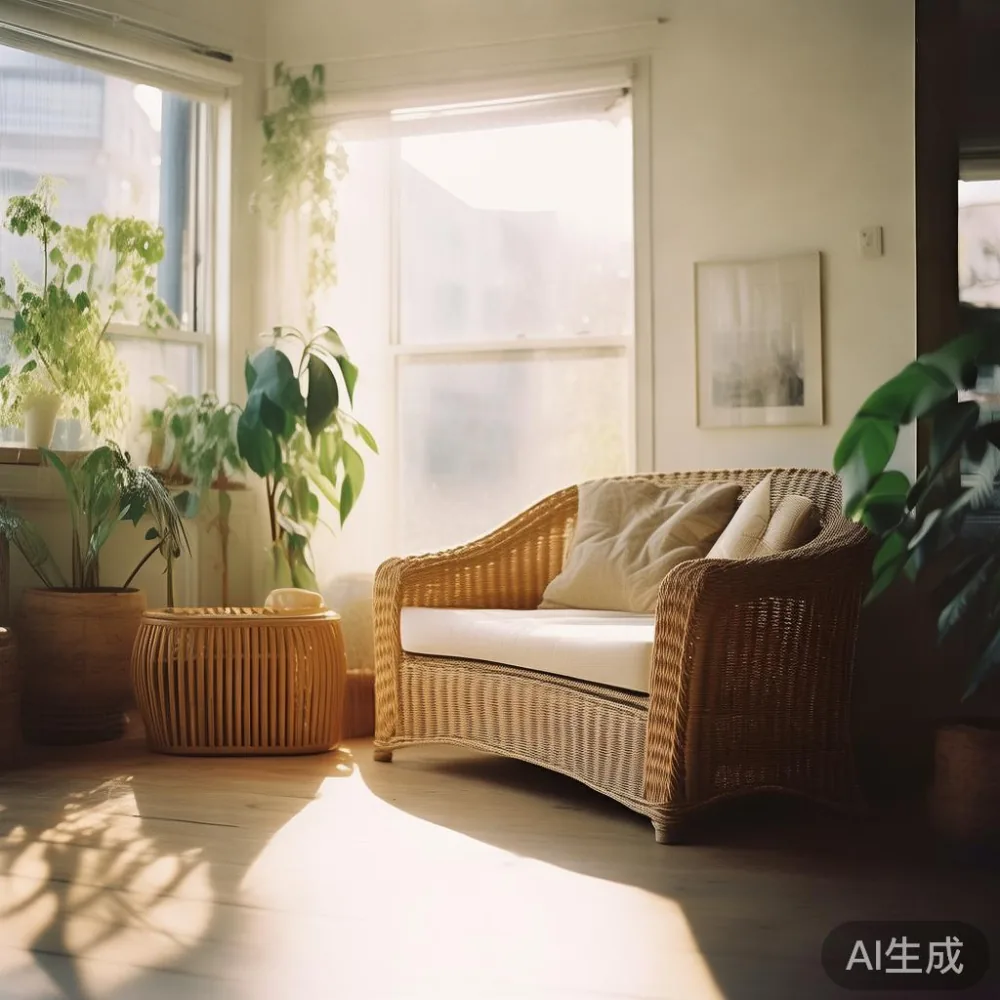
At MIDHILL, our approach to lacquered surfaces is practical rather than theatrical. A well-finished rattan dining table, solid wood sofa, bed frame, wardrobe, or nightstand should feel relaxed yet refined, suited to French light luxury, American light luxury, or post-modern light luxury interiors. The finish is part of that visual language, but tropical care determines how gracefully it ages.
Why does lacquered rattan furniture need special care in Singapore?
Lacquer forms a protective film over the rattan or wood substrate. That film can slow the entry of moisture, but it is not a permanent barrier against humidity, heat, grease, and abrasive particles. Singapore’s outdoor relative humidity can approach 80–90% during wet periods, while an air-conditioned room may be only 21–24°C. Furniture moving between these conditions can develop condensation, especially during the first 20–30 minutes after being brought into a cooler room.
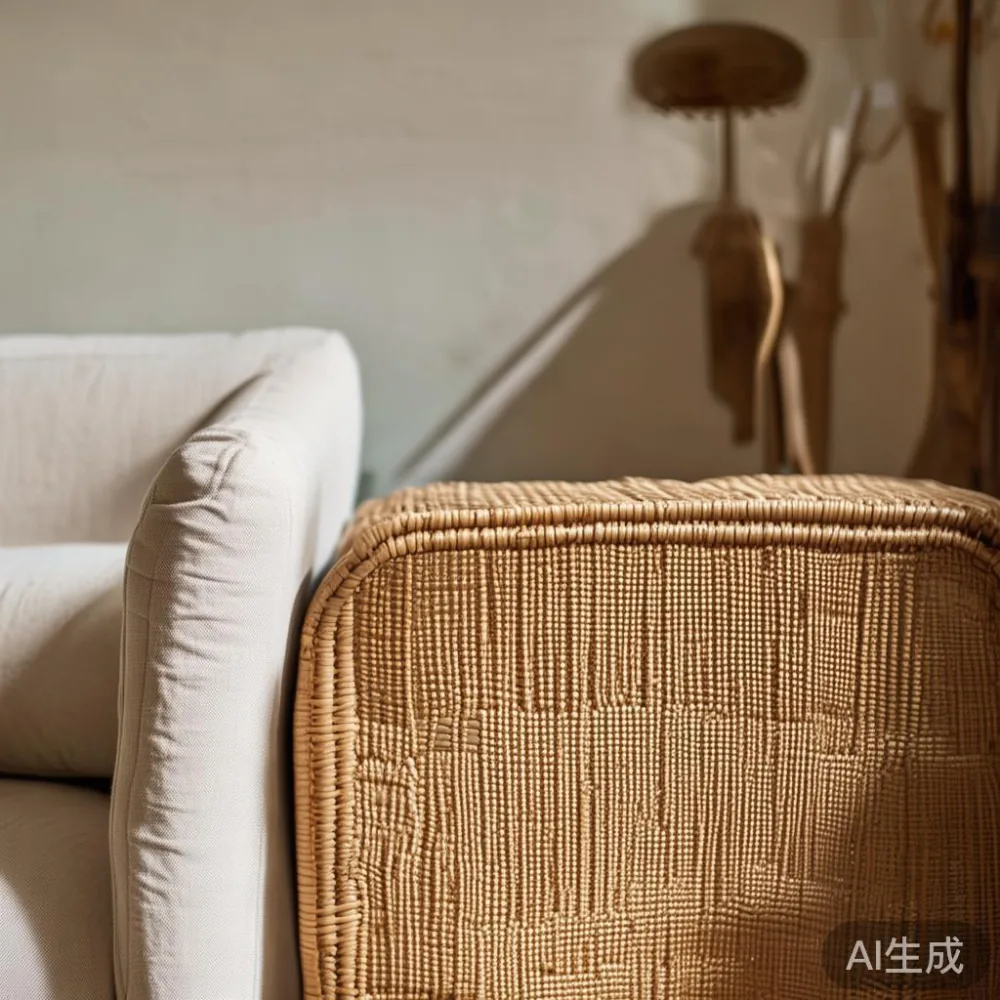
Direct sunlight adds another challenge. UV exposure can fade colour unevenly, particularly on lighter finishes, while intense heat may soften certain lacquer layers. Near a sliding glass door in a Tampines condo, place the cabinet or side table at least 60 cm away from the glass. In a Bedok HDB home where the dining table stands near an open kitchen, allow 30–45 cm of ventilation around lacquered rattan furniture and avoid steam from a kettle or hot-pot service.
Salt residue is also worth considering. Sea air can settle on windowsills and balcony doors in eastern Singapore, and those particles may be transferred to a finished surface by damp hands. A weekly wipe with a soft cloth helps prevent salt and skin oil from building up. The key is to act before residue becomes sticky.
What cleaning routine should I use for a lacquered dining table?
Begin with a dry microfibre cloth, approximately 30 × 30 cm, and dust from the top, underside, rails, and joints. Then use a lightly damp cloth—damp, not wet—with a small amount of mild dishwashing liquid. For a typical 180 × 90 cm dining table, one teaspoon of detergent in a 500 ml spray bottle is sufficient. Spray the cloth rather than the table, then wipe with a second clean cloth.
Do not flood the joints where rattan meets the frame. Water can travel beneath the lacquer and into the fibres. After cleaning, leave the table uncovered for 20 minutes to air-dry. If fingerprints remain, a separate dry cloth should lift them; repeated solvent cleaners can create a dull patch because they may remove the finish’s top layer.
Coasters and placemats matter on lacquer. Use felt or cork pads beneath hot dishes, cups, and decorative objects. A ceramic mug at 70°C can leave a visible ring over time, so provide at least 1–2 cm of clearance between the vessel and the table edge. Wipe spills within 5 minutes rather than waiting until they dry. Grease from butter, coconut milk, or salad dressing should be removed immediately with mild soap and water.
For a coordinated dining setting, a designer looking for Japanese for dining room references will often favour clean lines, pale timber tones, and restrained accessories. The phrase may appear in style imagery, but practical protection still comes down to coasters, serving boards, and controlled humidity.
How should I care for a lacquered solid wood sofa or bed frame?
A solid wood sofa with lacquered elements needs the same moisture discipline as a lacquered table. Vacuum upholstered sections every 7 days using a soft brush attachment, and keep cushions at least 20 cm from the wall when ventilation allows. For leather or performance upholstery, follow the material-specific cleaning instructions rather than applying the lacquer method.
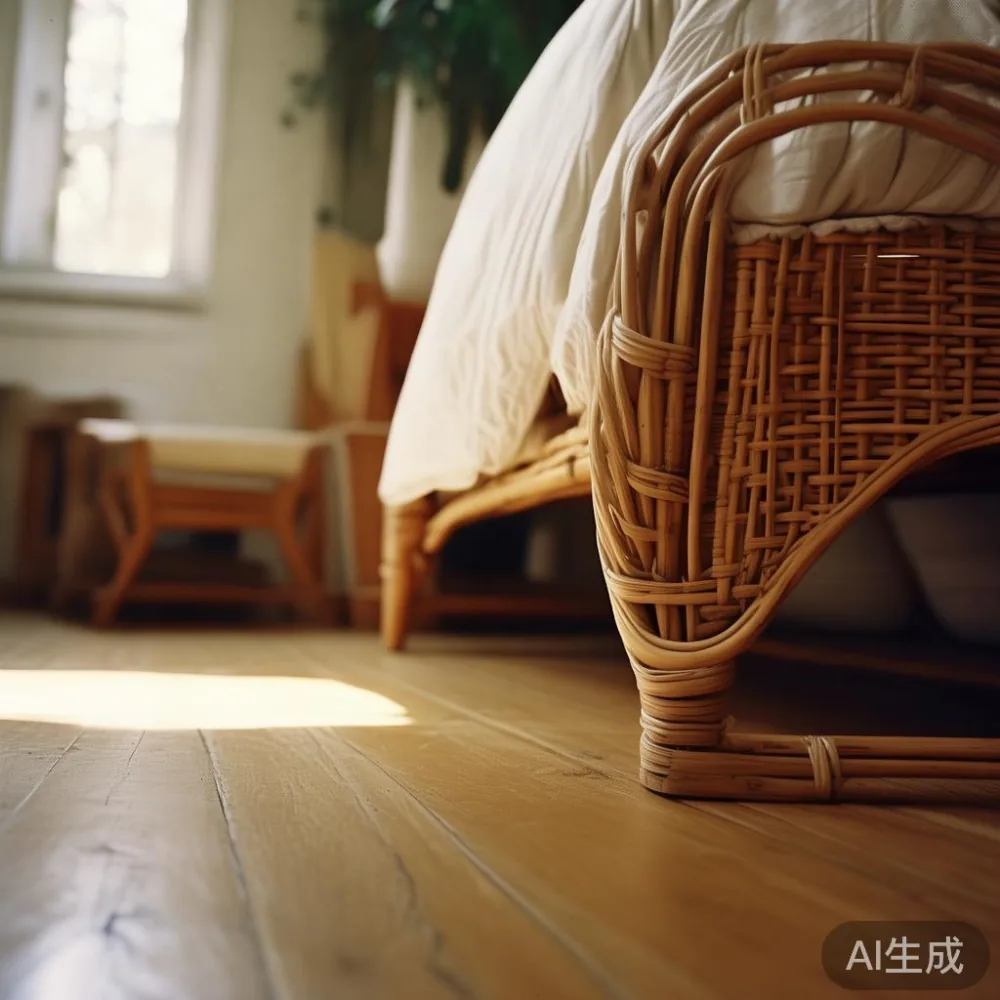
For a lacquered bed frame, wipe the headboard and side rails once a week. Do not press too hard around joints or decorative mouldings; a lacquered solid wood bed frame may contain fine details that should not be abraded. If a nightstand stands beside the bed, keep water bottles on a tray and avoid leaving a damp glass directly on its top for more than 10 minutes.
When planning a bedroom, how to style French sofa in bedroom searches often lead to upholstered seating rather than a lacquered frame. One useful solution is to separate materials: a soft French-style sofa in matte linen can sit beside a lacquered solid wood bed frame and a polished nightstand. This contrast gives the room French light luxury character without making every surface high-maintenance.
For Japanese-inspired rooms, how to style Japanese sofa in bedroom usually points to low profiles, pale woods, and uncluttered circulation. A lacquered rattan bed frame or bench can support that calm composition. Keep humid laundry, standing fans, and drinks away from the finish, and maintain 40–50% indoor relative humidity where possible.
Can I use rattan furniture near an air-conditioner or balcony?
You can, but gradual temperature changes are preferable to sudden shifts. A cabinet moved from a 29°C balcony into a 22°C living room should acclimatise for roughly 60–90 minutes before the lacquer is wiped or loaded with objects. Do not place a cold glass or metal container directly on the surface while it is still warm from condensation.
Balcony furniture requires stricter limits. Even lacquered pieces should sit under cover and away from direct rain. In Singapore’s heavier downpours, water may enter through window seals and collect near floor-level furniture. A rattan dining chair should stand at least 15 cm above a tiled balcony floor, and a wardrobe should remain 30 cm from an external wall if ventilation is limited.
Air movement is useful, but a direct air-conditioner outlet can dry the finish excessively over time. Keep lacquered items about 1–1.5 m from a vent blowing continuously at them. Check the surface monthly for tiny bubbles, whitening, or a sticky feel; these can indicate moisture intrusion or finish failure and should be assessed before more products are applied.
Corridor and lift planning matters during delivery. Confirm that the lift’s internal dimensions and door width accommodate the packaged furniture before collection. A 120 cm-long dining table may not turn inside a compact lift even if it fits on its longest edge. MIDHILL can confirm packed dimensions before delivery, and Singapore customers should allow 7–14 delivery days for made-to-order lacquered pieces.
Should I apply wax, oil, or a commercial cleaner to the lacquer?
Do not apply furniture wax or oil unless the lacquer manufacturer explicitly approves it. Oils can penetrate microcracks, darken pale rattan, and make the surface collect dust. Most routine maintenance needs only mild detergent, a soft cloth, and controlled humidity. A commercial cleaner should be tested on an inconspicuous 5 × 5 cm area and left for 24 hours before wider use.
Even “natural” cleaners can be too acidic or oily. Lemon juice, vinegar, and concentrated important-oil mixtures may attack lacquer or leave a film. Use plain water or a pH-neutral detergent solution, with a maximum of one teaspoon per 500 ml. Never use steel wool, scouring pads, abrasive sponges, or baby wipes containing alcohol or solvent.
For lightly marked surfaces, try a soft cloth and mild soap first. If the mark remains, contact the supplier rather than sanding it. Light sanding with 1200-grit paper could flatten the sheen permanently, and the repair should be handled according to the finish type. MIDHILL offers lifetime refinishing, which means a worn lacquered component can be refinished under the applicable service terms rather than discarded.
How do I prevent mould, odours, and finish damage in a wardrobe?
A lacquered wardrobe needs airflow, particularly in a compact HDB flat where the unit may sit against a shared wall. Leave 5–10 cm behind the wardrobe when the installation allows, open the doors for 15–20 minutes on dry days, and remove stored clothing from the bottom shelves every month. Damp folded fabric can trap moisture against the interior even when the exterior feels dry.
For an HDB bedroom measuring about 3 × 4 m, a 180 cm-wide wardrobe can dominate both floor area and circulation. Measure the opening before ordering, especially where the door opens into a corridor narrower than 70 cm. Slide-out rails and hinged doors each require different clearances; 90 cm of approach space is comfortable for opening drawers and handling bedding.
Avoid hanging wet clothes inside the wardrobe for more than 6 hours. Use a dehumidifier if indoor humidity remains above 65% for several days, aiming for a stable 45–60% range. Run it for 2 hours after showers and keep it at least 30 cm from lacquered furniture to prevent excessive local drying.
For buyers comparing affordable references, cheap French provincial furniture can be tempting, but low-cost lacquer may have limited repair options. A better comparison includes finish consistency, hardware, moisture resistance, structural warranty, and after-sales care. When assessing the best European light luxury wardrobe for 2026, look for adaptable internal storage, durable lacquer, and a documented service policy rather than relying on style labels alone.
What should I do if lacquer looks cloudy, sticky, or scratched?
Cloudiness after cleaning may mean the cloth was too wet, the detergent concentration was too high, or moisture has entered the substrate. Stop wet cleaning and let the piece stand in a ventilated, air-conditioned room for 24 hours. Keep heaters and sunlight away. Sticky patches that remain after 48 hours need closer inspection; do not apply more polish.
A fine scratch under 5 cm can sometimes be disguised with a manufacturer-approved touch-up product, but colour and sheen matching are critical. Deeper scratches that expose wood or rattan should not be filled with generic glue. Photograph the area in daylight, measure the damage, and send the images to the furniture maker for an appropriate repair method.
For larger marks, isolate the item from other surfaces and avoid placing objects on it for 24–48 hours. If there is a strong chemical smell, swelling, or separation along the joint, move the piece away from textiles and food preparation areas. This protects the home while a professional assessment is arranged.
How can I make a lacquered room feel light-luxury without over-maintaining it?
Light luxury works best when materials, colour, and spacing cooperate. A lacquered rattan dining table with warm timber and muted woven textures can sit comfortably within a French light luxury scheme. Use a neutral rug extending 50–60 cm beyond the table edges, keep chairs 90 cm apart, and hang lighting so the centre of the fixture sits about 75–85 cm above the tabletop.
For a post-modern light luxury bedroom, combine a lacquered wardrobe and nightstand with curved lamps, soft textiles, and one clear focal object. Marble table surfaces need a similar distinction: a marble table can add cool contrast, but place it in a low-traffic area and use coasters because acidic liquids may etch the stone. Marble and lacquer are different materials and should receive separate care products.
Modern for dining room design does not have to mean a cold, sealed interior. A rattan dining chair can bring natural texture into a Modern for dining room palette, provided the lacquered nearby surfaces are protected with pads. For dining rooms in Punggol or Tampines, a 160 × 90 cm table usually suits four to six people and allows 60–75 cm of passage behind each seated diner. Larger settings should be checked against lift doors and corridor turns.
I last month visited a client’s three-bedroom condo in Bedok to inspect a lacquered sideboard after the family returned from a 12-day Malaysia trip. The sideboard had been placed beside a sliding balcony door, and a pale haze had developed where a humid cleaning cloth had dried too slowly. We moved it 40 cm inward, wiped it with a barely damp cloth, allowed it to air for 60 minutes, and replaced the coasters with felt pads. At the 30-day check, the haze was no longer visible, and no liquid had entered the joints.
A simple weekly and monthly routine keeps the finish orderly. Weekly: dust with a dry microfibre cloth and wipe fingerprints with mild soap if required. Monthly: check under coasters, inspect joints, and confirm 45–60% relative humidity. Every 6 months: clean the feet and underside, and review any scratches near doors and handles. Avoid placing furniture against damp walls, and never leave cleaning spray on the lacquer.
For delivery, measure the route rather than estimating it. Check the lift door width, internal depth, turning space, and the widest corridor point. Add 5–10 cm to packaged dimensions for protective packaging, and allow 7–14 delivery days for a custom lacquered order. MIDHILL provides a 10-year structural warranty, lifetime refinishing, free shipping on orders over US$350, and a 14-day return window; local orders can be shown in SGD at checkout, with GST included where applicable.
Good lacquer care in Singapore is measured in small, repeatable actions. Keep water away from joints, manage condensation, protect high-contact areas, and respond early to marks. Done properly, lacquered rattan furniture can retain its tactile warmth and composed appearance through hot days, wet seasons, and years of everyday use.