Lacquered Rattan Care in Tropical Environments
Lacquer can give rattan furniture a polished, light-luxury finish, but Singapore’s heat, humidity, salt air and constant indoor air-conditioning create demanding conditions. A lacquered dining table placed near a Tampines HDB window, or a rattan cabinet moved through a narrow Bedok lift, needs both careful material care and sensible handling. The goal is not to fear the finish; it is to protect it with a simple routine.
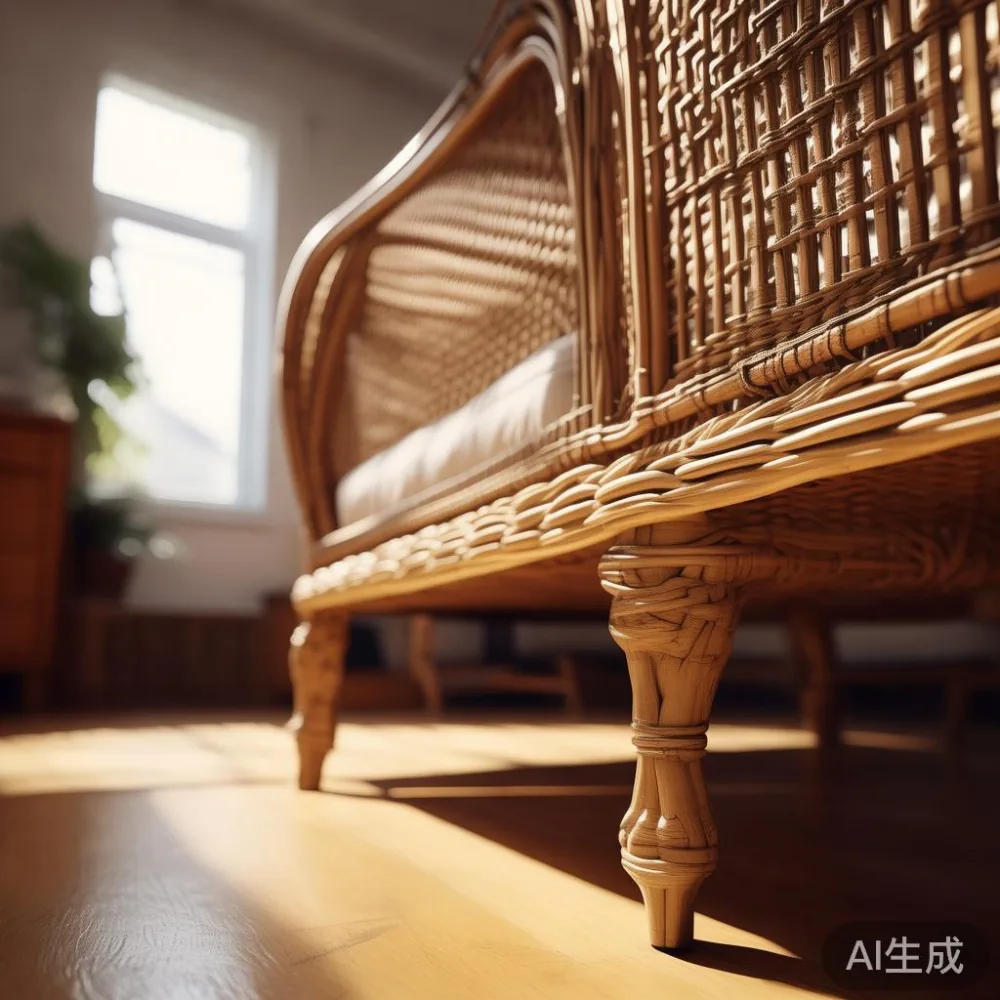
At MIDHILL, we make solid wood and rattan furniture for compact urban homes, with a 10-year structural warranty and lifetime refinishing service. The care advice below reflects how lacquer, wood and woven fibres behave when temperatures swing between a humid afternoon and a cool, air-conditioned evening.
Why does lacquered rattan furniture need special care in Singapore?
Singapore’s relative humidity commonly ranges from about 65% to 85% across the year. Daytime temperatures around 31–34°C can raise surface temperatures quickly, while air-conditioned interiors may settle near 22–25°C. The lacquer itself does not melt at these figures, but repeated expansion, contraction and moisture exposure can reveal cracks, soften adhesive lines or leave dull patches, particularly on furniture near windows.
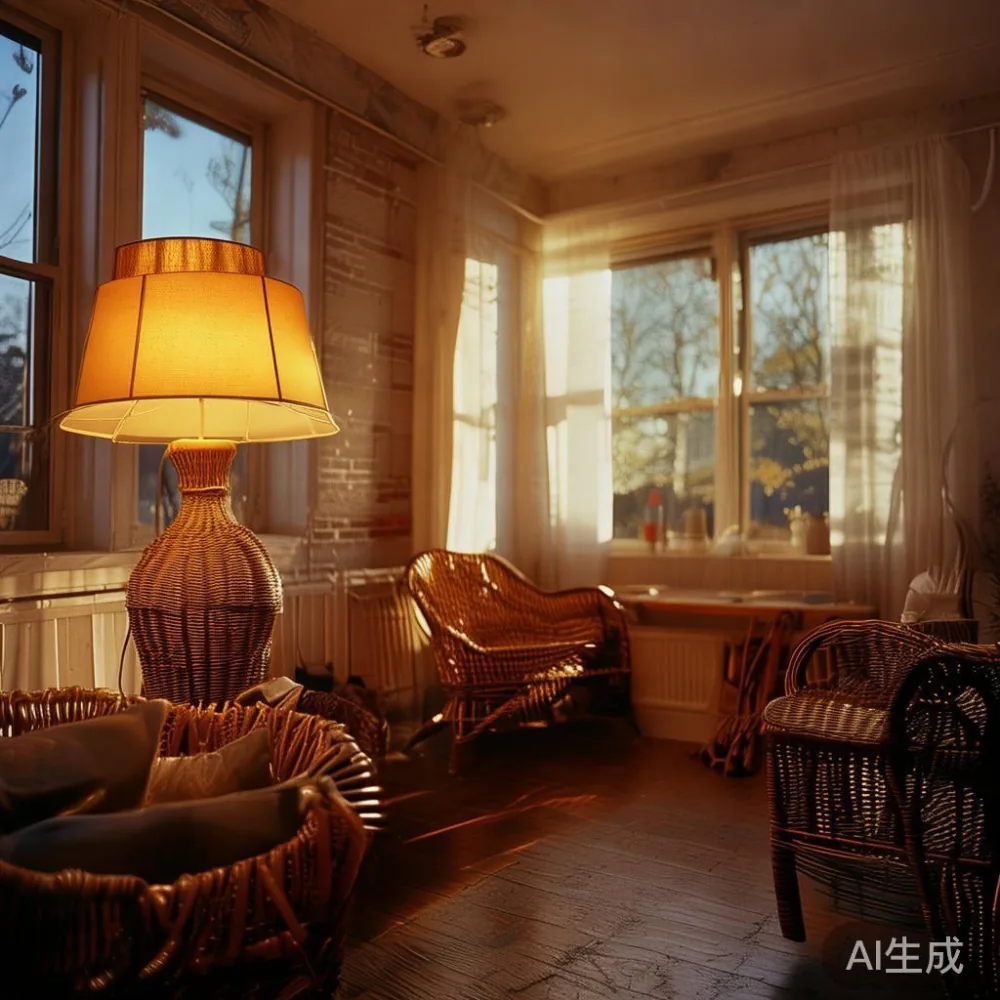
Direct sun is another factor. UV exposure can fade a pale lacquer and weaken woven rattan fibres. In a Punggol condo, curtains that stop intense afternoon light are more useful than leaving the surface untouched for months. Salt carried on damp clothing or shoes can also deposit a gritty film on lacquer, so coast-facing households should wipe surfaces slightly more often.
Lacquered rattan furniture should not be confused with fully sealed outdoor furniture. A high-quality indoor finish can improve stain resistance, but standing water, steam and harsh detergent can still compromise it. Treat the finish as a protective skin over natural fibres, not as a waterproof membrane.
What temperature and humidity should I keep beside lacquered rattan furniture?
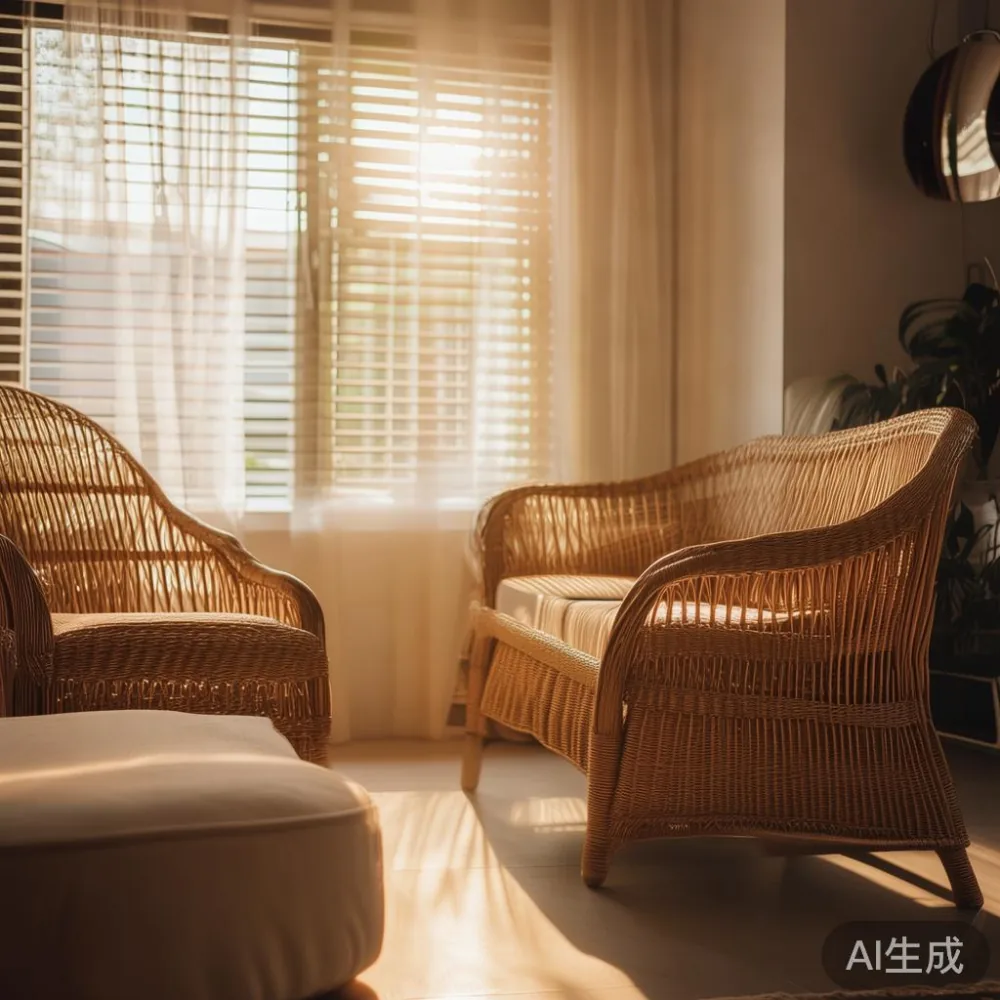
Keep the surface away from persistent dampness where practical. A useful target is approximately 40–65% relative humidity, with indoor temperatures around 22–26°C. Avoid placing a dining table or nightstand directly against a cold exterior wall, next to a running bathroom, or beside a window that remains wet after rain.
Leave about 10–15 cm between furniture and a wall where space allows. This improves airflow and makes cleaning easier. For a larger solid wood sofa, bed frame, wardrobe or dining table, maintain the same gap around edges rather than pushing the piece tightly into a corridor recess.
Check new lacquer after the first 30 days, then every 3 months. A simple comparison of colour, sheen and tactile feel can reveal early changes. If the lacquer feels tacky, has a persistent sweet or solvent-like smell, or shows blisters larger than 5 mm, stop using cleaners and contact the maker for assessment.
How should I clean a lacquered rattan surface?
For weekly care, use a dry microfibre cloth. For a more thorough clean, lightly dampen a second cloth with water and wipe the lacquered section immediately. The cloth should be damp, not wet: a squeezed cloth should release no more than a few drops. Keep moisture away from joints, woven openings and any exposed rattan end grain.
Use diluted mild soap only when needed. Mix about 1 teaspoon of pH-neutral dish soap with 500 ml of lukewarm water, dampen the cloth, and test a concealed 10 cm × 10 cm area for 24 hours. Wipe with a clean damp cloth and then dry with a soft cotton cloth.
Do not use vinegar, ammonia, bleach, alcohol, abrasive pads, silicone polish or furniture sprays containing wax. Their labels may not state the solvent clearly, and residues can make the surface attract dust. Avoid using “Japanese for small living room” as a product search term; instead, focus on the care label and the exact finish supplied with each piece.
Spills should be addressed within 15 minutes. Blot liquids rather than rubbing them. For oil, place a clean paper towel over the mark and lift it gently; do not press hard enough to flatten the weave. Grease on a lacquered rattan chair may require professional cleaning rather than repeated household treatment.
Can I use rattan furniture near a balcony or air-conditioner?
An enclosed balcony is preferable to an open one, but ventilation and rain exposure still matter. Check that balcony humidity remains below roughly 70% where possible, and bring furniture indoors during monsoon downpours. Do not hose the piece, even if the weave looks durable. Continuous water exposure can carry lacquer beneath the topcoat and encourage mould around the frame.
Air-conditioners help by lowering humidity, but direct cold draughts can cause rapid surface changes. Position a lacquered rattan furniture set at least 1 metre from a wall-mounted unit where circulation allows. If a corridor or HDB balcony has poor airflow, use a small dehumidifier rather than relying on a fan alone.
Light-luxury styling depends on controlled contrast. French light luxury works well with cream lacquer, pale oak tones and restrained brass details, but dark woven sections still show dust. American light luxury can pair warm timber with cream upholstery, while post-modern light luxury may use cleaner geometry and charcoal accents. Whatever the style, the finish needs the same measured care routine.
How should I move lacquered furniture through a lift or corridor?
Measure before delivery day. A common HDB lift interior may be around 100–140 cm deep, with door openings near 80–90 cm, although dimensions vary by block. A condo lift may be larger, but corridors can narrow at a turn. Record the door width, lift dimensions, turning radius and the route from the loading area to the unit.
Protect the finish with moving blankets, corner guards and corrugated cardboard covered by fabric. Keep tape off the lacquer because adhesive can remain for weeks. Carry smaller components separately, and have at least 2 people lift any piece above 25 kg. A trained mover should handle a heavy wardrobe or solid wood bed frame, especially around the 85–90 cm doorway of a compact lift.
Do not drag furniture across the floor. Lift it 2–3 cm above the surface and use felt pads under the legs. A dining table with a marble table top requires particular attention: support the base, keep hands away from the edges and follow the stone supplier’s moving instructions. For anyone comparing where to buy coffee table from MIDHILL, the same route check applies, including the parcel’s final packaged dimensions.
How do scratches, dullness and small marks affect lacquer?
Minor marks should be treated according to their depth. A fingerprint may disappear after wiping with a clean microfibre cloth. Light dullness can sometimes be improved by gentle buffing with a clean, soft cloth after cleaning, using no more than 10–15 strokes and checking the result every 5 strokes. Excessive pressure can polish one area differently from the rest.
Deep scratches, lifting edges and white heat marks are different problems. Heat marks are more likely after a hot cup, around 60°C or above, rests directly on the lacquer. Let the surface cool naturally before wiping it; do not place an ice cube on the mark. Use a cool, not frozen, damp cloth for brief cleaning, then dry immediately.
For a lacquered dining table, use coasters and trivets. Set a 9 cm diameter drink on a coaster rather than directly on the finish, and allow hot pans to cool for 10 minutes before placing them on a protective board. The lacquer will resist ordinary use more effectively when it is not asked to block heat.
If damage is visible across more than 5% of a panel, seek professional advice. Sanding can remove the original sheen and create an uneven reflection, so spot repair is usually better only when the material and colour match accurately.
How do I style a lacquered wardrobe in an apartment?
A lacquered wardrobe should visually connect with the room, not overpower it. If you are researching how to style light luxury wardrobe in apartment layouts, start with the clearances needed for the doors. Allow at least 60 cm in front of hinged doors, and up to 100 cm where a fully open wardrobe would otherwise block circulation. In a compact bedroom, sliding or folding doors may preserve more usable floor area.
Wardrobe care follows the same humidity rules as a dining table or bed frame. Keep the unit 10–15 cm away from an exterior wall if possible, and inspect the top and base for trapped moisture every 6 months. Do not place damp towels inside an unventilated wardrobe.
For a narrow Japanese for small living room, vertical proportions help. A pale lacquered wardrobe with a slim handle can make a 3 m wall feel more ordered, while a low bed frame allows the upper wall to remain visually open. Japandi for small living room planning is equally practical when it combines low-profile furniture, warm timber and uncluttered circulation rather than adding numerous decorative objects.
Buyers searching for the best Italian light luxury wardrobe for 2026 should examine the hinge system, finish consistency, shelf load rating and warranty rather than relying on style labels alone. A wardrobe that fits its bedroom opening and can be maintained is more useful than one with elaborate detailing that crowds the space.
Light-luxury wardrobes, marble tables and French-inspired storage pieces can work in Singapore, but natural materials need environmental stability. Keep them away from wet zones, use coasters and maintain steady indoor conditions. For broader room planning, shoppers looking for the best Japanese sofa for 2026 may want to test seat depth and arm clearance before ordering; the phrase is useful as a search query, but the physical fit remains the priority.
What if the lacquered surface starts to peel or bubble?
Stop placing objects on the affected area and avoid using moisture. Photograph the damage under daylight and include close-ups with a ruler for scale. Note when it appeared, whether the area was near a window, and whether cleaning recently involved steam or a strong product. This record helps a repairer determine whether the cause was impact, water ingress, heat or ageing.
Do not press loose lacquer back down with a hard tool. A fingernail test should never be used on the finish. Cover the area with a dry clean cloth only if there is a risk of contact, and keep pets and children away until it has been assessed. If a strong solvent smell accompanies bubbling, ventilate the room while maintaining reasonable airflow and contact the supplier.
MIDHILL offers lifetime refinishing for eligible products, which provides a route for restoring a piece after normal wear. The manufacturer should still inspect it first, since refinishing may involve disassembly, new finish samples and 2–4 weeks of workshop time. Structural damage and finish damage should be described separately so the appropriate repair process can be assigned.
How can I make a simple care routine that lasts?
A workable Singapore schedule includes a 5-minute weekly wipe, a monthly check of visible lacquer and a seasonal inspection every 3 months. After heavy rain, inspect furniture near windows and balconies within 24 hours. Clean grit away before it becomes embedded in the lacquer, and use a protective coaster under every frequently handled drink.
When buying, ask for the finish composition, care instructions, warranty coverage and expected delivery time. Delivery to most Singapore addresses may take 7–14 business days after dispatch, depending on stock and the final access conditions. Confirm the packaged width against the lift and corridor measurements, and check whether stairs or a second-person handover are required.
For homeowners balancing solid wood sofa designs, bed frame dimensions, wardrobe doors and rattan furniture finishes, regular care should be part of the purchase decision rather than an afterthought. In a local climate, stable humidity, prompt spill removal and careful transport can preserve the reflective lacquer and the woven texture for years. For a piece that needs assessment, provide its dimensions, finish details and clear photographs so the right restoration plan can be prepared.