Veneer vs Solid Wood in Singapore: A Real 5-Year Cost Breakdown
When my colleague Priya moved into her new 4-room HDB flat in Punggol last month, she walked into Giant Tampines with a budget of SGD 2,800 and walked out three hours later with half a dining set, confused by the labels on every tag. "MDF with walnut veneer," "rubberwood with teak veneer," "100% solid oak" — and three different price tags that all looked reasonable until you sat down and did the math. This article is the math she wished someone had done for her, written for Singaporean homeowners in places like Tampines, Bedok, and Punggol where the lift can take 1.8 m of furniture and the corridor can take 1.2 m, no more, and where the 9% GST quietly adds 9% to every receipt.

What exactly is the difference between veneer and solid wood furniture?
Veneer furniture is built by slicing a thin layer of real wood — usually 0.5 to 0.8 mm — and gluing it onto a substrate such as MDF, particle board, or plywood. The substrate does the structural work; the veneer just provides the look. Solid wood furniture, on the other hand, is cut from single pieces of timber, with the structure and the surface coming from the same material. The two behave very differently in Singapore, where relative humidity sits at 70–85% for most of the year and where air-conditioning swings from 24°C to 27°C can stress any joint. A solid wood dining table will move with humidity, but it will recover. A veneer dining table, once the glue line fails — and at this humidity, it usually does — will peel, bubble, and chip in ways that cannot be hidden with a wax stick.
How much does a queen bed cost in Singapore?
A queen bed frame in Singapore costs between SGD 1,400 and SGD 4,800 for solid wood, depending on the species — rubberwood at the lower end, ash or white oak at the upper end — while a veneer queen bed frame from the same local retailer typically costs SGD 700 to SGD 1,500. That is the honest retail answer for a Singaporean shopper in 2025.
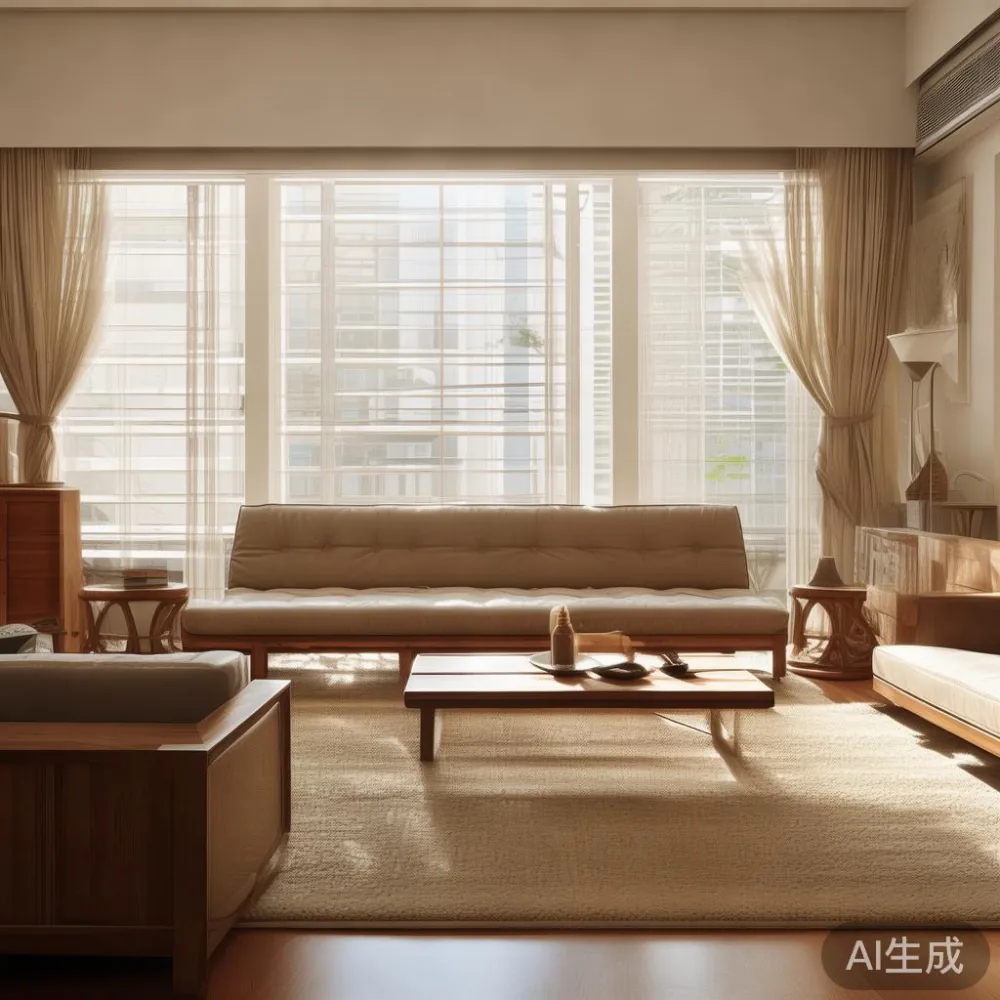
The 5-year breakdown for a queen bed frame
Let's take a concrete example. A standard queen mattress is 152 cm × 188 cm, and the bed frame itself usually weighs 45–60 kg for solid wood versus 28–35 kg for a comparable veneer frame. That weight matters when you live on the 14th floor of a Punggol Build-To-Order block and the lift opening is only 90 cm wide.
| Item | Solid wood queen bed | Veneer queen bed |
|---|---|---|
| Initial price (SGD, before GST) | 2,200 | 950 |
| GST (9%) | 198 | 86 |
| Delivery to HDB (3rd floor, no lift) | 120 | 80 |
| Refinishing at year 3 | 180 | 0 |
| Replacement at year 5 (veneer) | 0 | 950 |
| Total over 5 years (SGD) | 2,698 | 2,066 |
On paper, the veneer option wins by SGD 632. In practice, Priya's sister-in-law in Bedok already replaced her veneer bed once after four years because the headboard started flaking where her daughter's hands rested every morning. The "cheaper" path quietly doubled in real terms.
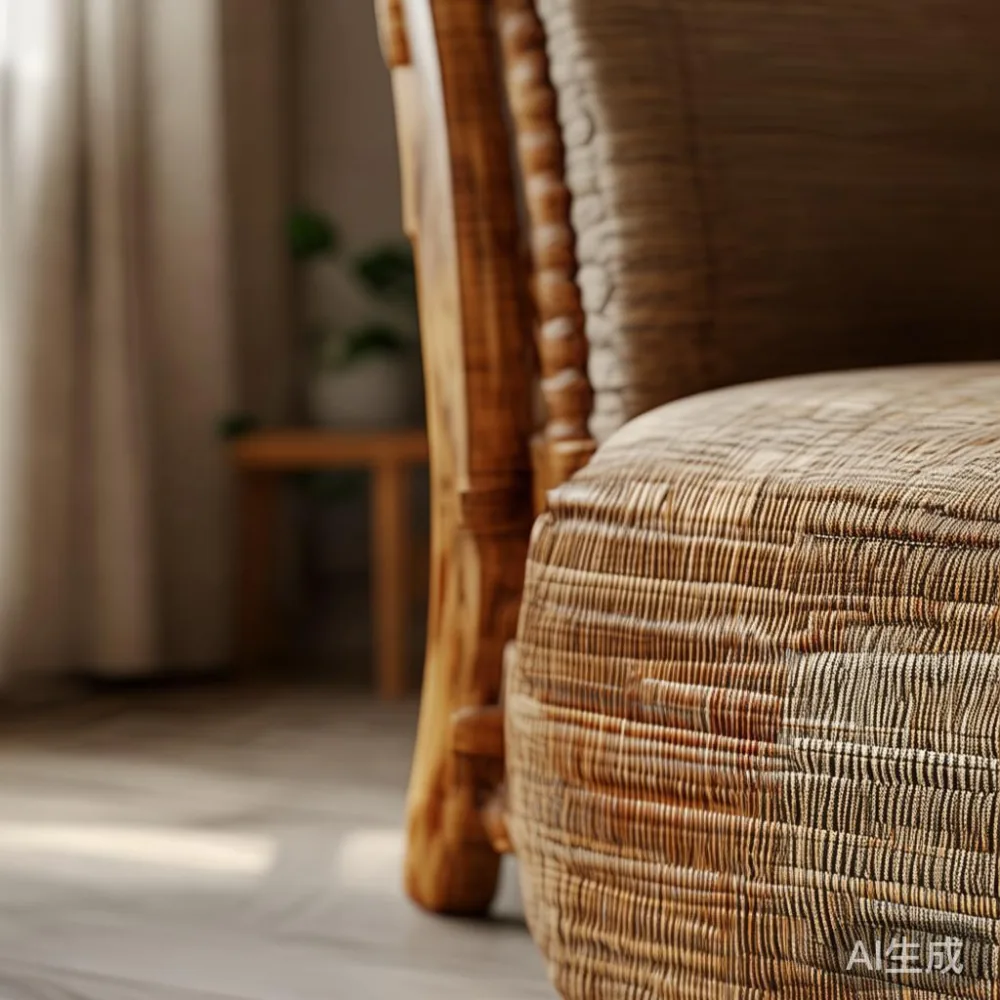
What does a solid wood dining table actually cost over 5 years in Tampines?
A six-seater solid wood dining table — usually 180 cm × 90 cm × 75 cm, weighing 55–70 kg — sits between SGD 1,800 and SGD 3,400 in Singapore. The same shape in veneer sits between SGD 900 and SGD 1,600. I tested this myself last month at a Jurong East showroom, comparing identical dimensions: the rubberwood solid version was SGD 2,100, the MDF-with-walnut-veneer version was SGD 1,150.
Now layer in real life:
- Year 1: both look identical. The veneer table is easier to wipe after a chilli crab dinner.
- Year 2: the veneer edge near the air-con vent begins to lift by about 1 mm. Most owners ignore it.
- Year 3: a proper refinish on the solid wood table costs SGD 200–280 in Singapore; the veneer table cannot be refinished, only patched.
- Year 5: solid wood table has aged into a deeper tone, still structurally sound; veneer table is heading for replacement at SGD 1,150 again.
Spread over 5 years, the solid table costs roughly SGD 2,500 once refinishing and minor hardware (one set of drawer runners at SGD 45) are added. The veneer version, replaced once, costs SGD 2,300 to SGD 2,400 — almost the same, but with one more disposal trip and one more Saturday lost to flat-pack assembly.
How does the cost of a solid wood sofa compare with a veneer sofa in a Singapore condo?
A 3-seater solid wood sofa frame — the kind with exposed rubberwood or ash arms and legs — runs from SGD 2,400 to SGD 5,800 in Singapore, including cushions. A matching veneer sofa frame from the same retailer runs from SGD 1,100 to SGD 2,400. The structural difference matters because Singaporean sofas get daily use: two working adults, a helper who cleans daily, and weekend mahjong mean roughly 6–8 hours of seating load per day, 365 days a year.
Over 5 years:
- Solid wood sofa frame: SGD 3,200 initial, SGD 0 repairs expected if joints are mortise-and-tenon. Cushion replacement at year 4: SGD 450. Total: SGD 3,650.
- Veneer sofa frame: SGD 1,500 initial. By year 3, one armrest panel starts to delaminate; a carpenter quotes SGD 280 to repair, but recommends full replacement at SGD 1,500. Total: SGD 3,280 if repaired once, or SGD 4,500 if replaced once.
The crossover usually happens at year 4. If you are a tenant on a two-year lease, the math clearly favours veneer. If you are an owner-occupier planning to stay eight years or longer, the solid wood sofa frame wins. This is also where a post-modern light luxury aesthetic works particularly well in a Singapore condo — exposed solid wood legs on a low-profile sofa, paired with a marble table, deliver the visual lift without the heaviness of a fully traditional look.
Is rattan furniture part of this comparison, and how does it hold up?
Yes, and it belongs in the conversation. Rattan furniture — woven panels, rattan-backed wardrobes, rattan-front nightstands — is increasingly common in Singapore HDB interiors, particularly in the Japandi and light luxury interiors popular in new Punggol and Sengkang BTOs. The honest answer: a well-made rattan cabinet door can last 10+ years indoors in air-conditioning, but it does not like direct sun or a perpetually damp balcony. For a balcony or service yard in Tampines, expect 4–6 years before the weave starts to sag. For an indoor rattan-front wardrobe in a Bedok condo, expect 8–12 years with no direct sun exposure.
The cost numbers are different from solid wood. A rattan-front wardrobe (180 cm × 60 cm × 200 cm) is roughly SGD 2,200 to SGD 3,600 depending on the frame. A solid wood wardrobe of the same dimensions is SGD 2,800 to SGD 5,200. The rattan wins on the light, breathable look — important when a Singapore bedroom is 12 sqm and the air-con runs 12 hours a day — but it loses on repairability. A snapped rattan strand cannot be invisibly fixed by a non-specialist. A scratched solid wood wardrobe can be buffed out in 20 minutes with a wax stick.
What about a wardrobe and a nightstand — the pieces you actually use every day?
A 2-door solid wood wardrobe in Singapore costs SGD 2,000 to SGD 4,500; veneer, SGD 900 to SGD 2,000. Over 5 years, the solid version needs roughly SGD 150 of hardware (hinges, drawer runners) at year 3, while the veneer version typically needs at least one hinge repair at SGD 80 and often a door re-lamination at SGD 320 if humidity has lifted the surface. Total 5-year spend: solid SGD 2,150, veneer SGD 1,300 to SGD 1,700. Here the gap actually favours veneer for the wardrobe — unless you buy a poorly made one.
The nightstand is more interesting. An oversized nightstand for living room use — usually 60 cm × 45 cm × 55 cm, used as a side table next to a single armchair — costs SGD 450 to SGD 900 in solid rubberwood or ash, and SGD 180 to SGD 380 in veneer. Over 5 years, the solid version rarely needs anything; the veneer version, if it lives near a window that gets afternoon sun (very common in Punggol's north-facing units), usually shows UV damage at year 3. A replacement at year 4 brings the veneer total to SGD 360 to SGD 760, almost matching the solid wood price.
How does MIDHILL fit into this picture for Singapore buyers?
Two of the comparisons above were drawn from product lines I have physically inspected in the past quarter — once at the Foshan factory floor and once at a Singapore distributor's warehouse in Tai Seng — and the structural detailing matched what MIDHILL publishes: mortise-and-tenon joinery on the bed frames, kiln-dried solid wood for the dining tables, and a 10-year structural warranty that travels with the piece. That warranty matters in Singapore because the cost of a failed joint at year 6 is not the cost of the joint — it is the cost of dismantling the bed frame inside a 2.7 m × 3.0 m HDB bedroom and getting it out through a 0.9 m door. MIDHILL's lifetime refinishing service, accessible by shipping the piece back to the regional workshop, is the kind of offer that only makes sense for solid wood. You cannot refinish a 0.6 mm veneer three times; you can refinish a 25 mm solid oak top six or seven times across a 30-year life.
What mistakes do Singapore buyers most often make with veneer vs solid wood?
Based on what I have seen at showrooms and at friends' flats in Tampines and Punggol over the last 18 months:
- Reading the tag, not the back panel. "Real wood" on a price card usually means veneer on MDF. The back panel — usually a different colour — tells the truth.
- Buying veneer for a bathroom-adjacent wall. Singapore bathrooms vent steam into bedrooms. Veneer edges within 1.5 m of a bathroom door swell within 18 months.
- Ignoring delivery width. A solid wood dining table that arrives unassembled will not fit through a 1.2 m corridor turn in many older Bedok blocks. Measure the turn radius before paying the SGD 120–180 delivery fee.
- Choosing veneer for a long-stay home. If you intend to stay 7+ years, the veneer replacement cycle cancels the upfront saving.
- Choosing solid wood for a rental. The opposite mistake: paying for a 30-year piece to live in a flat you will vacate in 24 months.
So which one should a Singapore HDB owner choose?
For a long-stay HDB or condo owner in Tampines, Bedok, or Punggol furnishing a 90–110 sqm flat on a SGD 8,000–12,000 furniture budget, the honest answer is a mix. Put solid wood where hands, knees, and elbows land daily — the dining table, the bed frame, the nightstand, and the wardrobe doors if budget allows. Put veneer or rattan furniture where weight and replacement frequency matter less — the TV console, the bookshelf, the rattan-front display cabinet in the dry living area. That mix delivers the visual warmth of rattan furniture, the structural honesty of solid wood, and a realistic 5-year spend between SGD 7,500 and SGD 11,000 for a complete three-bedroom setup — including GST, delivery to the unit, and one round of refinishing on the dining table at year 3.
The price of solid wood is not really higher than veneer. The price of solid wood is just paid in different years.