Rattan Furniture in Singapore: The Real-World Guide for Humid Living
A practical guide to buying, styling, and maintaining rattan furniture in Singapore's humid climate. Learn what lasts, what to avoid, and how to make it work in your HDB or condo.
- Is Rattan Furniture Actually a Good Choice for Singapore's Humidity?
- How Do You Tell High-Quality Rattan from Cheap, Flimsy Pieces?
- Where Should You Actually Place Rattan Furniture in a Singapore Home?
- What’s the Real Cost of Rattan Furniture in Singapore?
- How Do You Actually Clean and Maintain Rattan Furniture?
- Can Rattan Furniture Work with a Modern Singapore Home?
- What About Delivery and Assembly for Rattan Furniture?
Is Rattan Furniture Actually a Good Choice for Singapore's Humidity?
The Science of Rattan in a Tropical Climate
The Real Durability Test
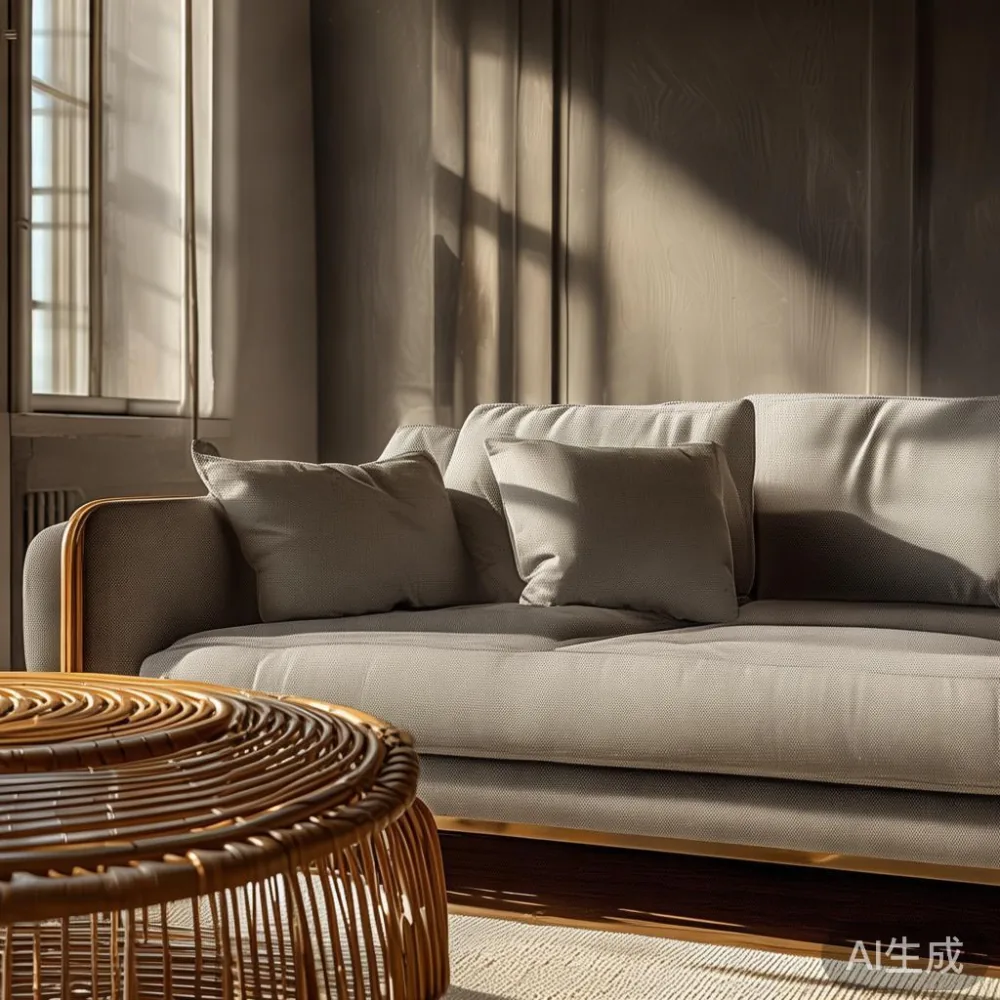
I’ve spent years navigating Singapore’s furniture market, and the humidity question is always the first thing on everyone’s mind. Rattan, being a natural material, can be tricky. Unlike solid wood furniture which has a dense grain, rattan is porous. In a place where the air is thick with moisture, this can lead to mould and mildew if you’re not careful. I’ve seen beautiful pieces ruined in less than a year because they were placed in a poorly ventilated corner of an HDB bedroom. The key isn't to avoid rattan entirely, but to choose wisely. Look for pieces that have a protective sealant or lacquer finish. This acts as a barrier, preventing moisture from seeping into the fibres. A well-made piece of rattan furniture, when cared for properly, can last a surprisingly long time. It’s about understanding the material’s limitations and working with them.
How Do You Tell High-Quality Rattan from Cheap, Flimsy Pieces?
The Touch Test
The Weave Inspection
The Frame Check
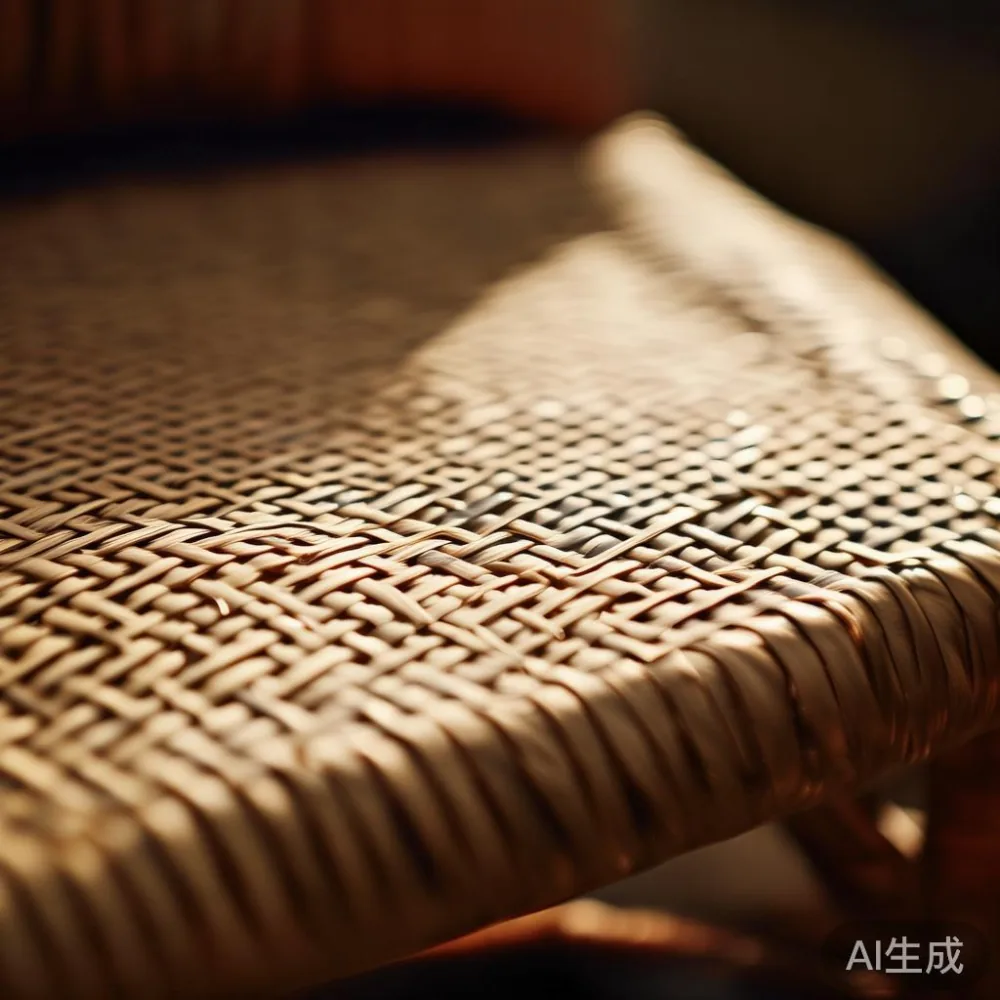
When you’re shopping for rattan furniture, your hands are your best tool. Run them along the surface. High-quality rattan feels smooth, consistent, and firm. Cheap rattan often feels brittle, with splinters or rough patches that catch on your skin. The weave is another dead giveaway. Tight, uniform weaving is a sign of craftsmanship. If the weave is loose, uneven, or has gaps, it’s a red flag that the piece won’t hold its shape over time. Don’t forget to inspect the frame. Many rattan items have a metal or wooden frame for support. Gently rock the piece. A sturdy frame will make the entire piece feel solid. A wobbly frame means the rattan will eventually sag and break. I’ve learned this the hard way after a flimsy outdoor lounge set collapsed under the weight of a few guests. It’s a lesson in investing in durable furniture from the start.
Where Should You Actually Place Rattan Furniture in a Singapore Home?
Indoor vs. Outdoor: The Great Debate
Ideal Locations in HDBs and Condos
Placing rattan furniture is all about location, location, location. I would never recommend leaving untreated natural rattan outdoors in Singapore. The combination of sun and rain will destroy it in a matter of months. Even treated rattan will degrade faster than you’d expect. Indoors is a different story. Rattan shines in living rooms and bedrooms where it adds a breezy, natural vibe. For those with small space furniture needs, a rattan coffee table or a set of nesting side tables can be perfect. They are lightweight and easy to move around. I’ve found that placing rattan furniture near a window that gets indirect light is ideal. The light highlights the texture beautifully without exposing it to the harsh direct sun that can cause the material to become brittle. Avoid placing it directly in front of an air-conditioning vent, as the constant blast of cold, dry air can also be damaging over time.
What’s the Real Cost of Rattan Furniture in Singapore?
Breaking Down the Price Points
Is It Worth the Investment?
The price of rattan furniture in Singapore can vary wildly. You can find a small rattan stool for under $50, or a full dining set for several thousand dollars. The difference comes down to quality, craftsmanship, and size. Here’s a quick look at some typical price ranges to give you an idea of what to expect.
| Item Type | Dimensions (cm) | Weight (kg) | Price Range (SGD) |
|---|---|---|---|
| Rattan Armchair | 70W x 85D x 90H | 12-15 | $250 - $600 |
| Rattan Coffee Table | 120L x 60W x 45H | 8-12 | $180 - $450 |
| Rattan 3-Seater Sofa | 180L x 85D x 85H | 25-35 | $800 - $2,500 |
For most homeowners, a piece in the mid-range offers the best balance of quality and value. It’s durable enough for everyday use without breaking the bank. Remember, rattan furniture is an investment in style and comfort. A well-chosen piece can elevate a room and last for many years, making it a smarter choice than constantly replacing cheaper, less durable furniture options.
How Do You Actually Clean and Maintain Rattan Furniture?
Your Weekly Cleaning Routine
Dealing with Stubborn Stains and Mould
Maintenance is non-negotiable if you want your rattan furniture to last. My routine is simple. Once a week, I use a soft brush attachment on my vacuum cleaner to gently remove dust from all the nooks and crannies. This prevents dirt from building up and getting ground into the fibres. For a deeper clean, I use a damp cloth—not a wet one. Excess water is the enemy. Wipe the surface down and then let it air-dry completely in a shaded area. For stubborn stains, a mild soap solution works wonders. I mix a few drops of dish soap with water, dip a cloth in, wring it out until it’s almost dry, and then gently scrub the stain. If you ever spot mould, act fast. Create a solution of equal parts white vinegar and water. Spray it on the affected area, let it sit for 15 minutes, then wipe clean with a damp cloth. The smell of vinegar will disappear as it dries. Consistent, gentle cleaning is the secret to keeping rattan looking its best.
Can Rattan Furniture Work with a Modern Singapore Home?
Mixing Materials and Styles
Styling Tips for a Contemporary Look
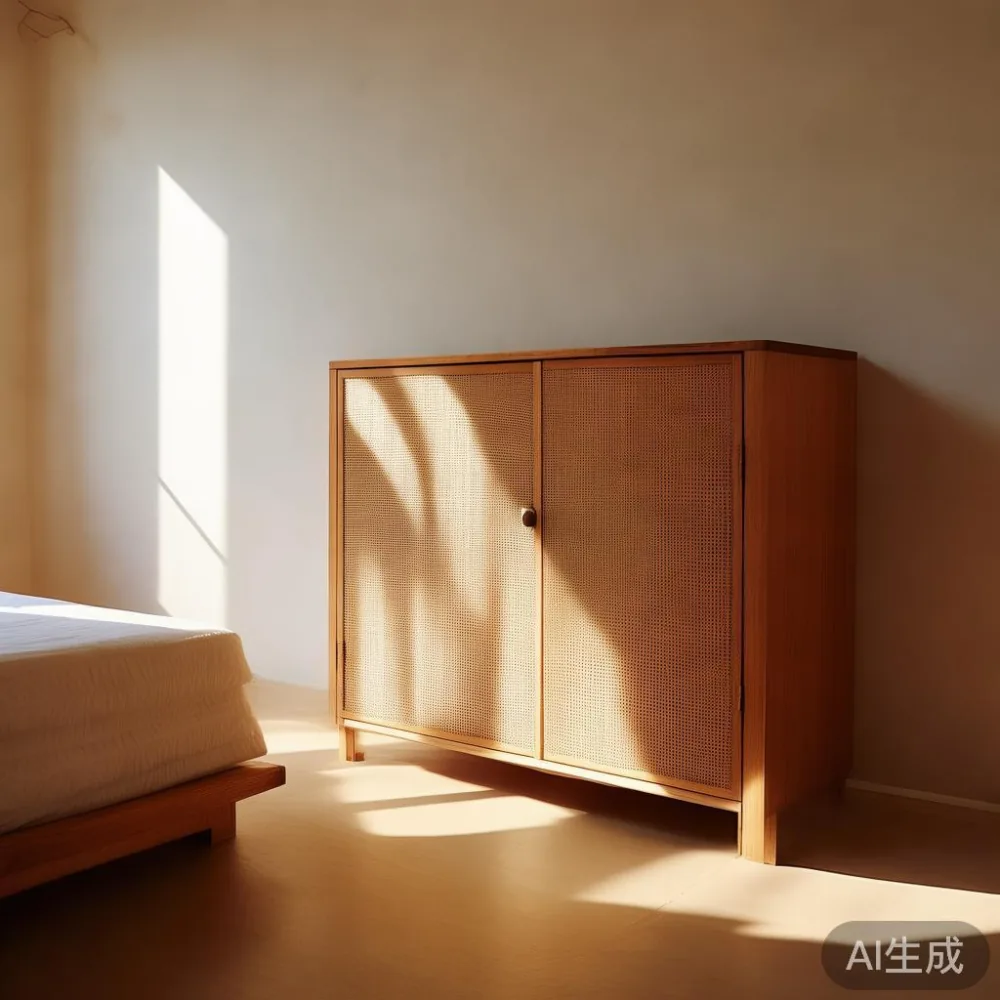
Absolutely. The idea that rattan is only for a dated, 'tropical' look is a myth. I’ve successfully incorporated rattan into several modern, minimalist homes. The key is to mix materials. Pair a sleek leather sofa with a rattan coffee table for a beautiful textural contrast. The hard lines of the leather against the soft, organic weave of the rattan creates visual interest without clashing. For small space furniture solutions, a rattan pendant light or a set of bar stools can add warmth and texture to a kitchen or dining area without overwhelming the space. If you’re worried about colour, stick to natural tones like beige, tan, or light grey. These colours blend seamlessly with most modern palettes. I recently helped a friend furnish her new condo in District 9. We chose a large, neutral-toned rattan cabinet for her living room. It acts as a stunning piece of custom furniture that provides storage while adding a touch of bohemian elegance to her otherwise sleek, contemporary space.
What About Delivery and Assembly for Rattan Furniture?
Navigating Singapore's Logistics
DIY Assembly: Is It Easy?
This is where the reality of buying furniture in Singapore hits. Delivery can be a hassle, especially for those in HDB blocks with narrow lifts. Always confirm the dimensions of the item and measure your lift and doorways beforehand. Some retailers offer white-glove delivery, which includes assembly, but it often comes at a premium. For most rattan pieces, assembly is relatively straightforward. It usually involves screwing the rattan panels onto a pre-assembled frame. The parts are generally lightweight, so you don’t need to be a bodybuilder. However, it does require some patience and a basic toolkit. I recommend setting aside at least an hour for the process. If you’re not confident, it’s worth paying for the assembly service. A friend once tried to assemble a complex rattan daybed himself and ended up with a few extra holes in the frame. For peace of mind, buying from established makers like MIDHILL, a Foshan solid-wood furniture maker established in 2008 that offers a 10-year structural warranty, can save you a lot of headaches. They often have reliable logistics partners who understand the nuances of Singapore’s delivery landscape.
Frequently asked questions
Is rattan furniture suitable for outdoor use in Singapore?
Generally, no. Natural rattan is not designed to withstand Singapore's intense sun and heavy rain. While some pieces are treated for outdoor use, their lifespan will be significantly shorter than indoor pieces. For outdoor spaces, consider synthetic rattan or other materials specifically designed for weather resistance.
How long does rattan furniture typically last in a Singapore home?
With proper care, high-quality rattan furniture can last 10-15 years or more. The key is protecting it from direct sunlight and excessive moisture. Regular dusting and occasional cleaning with a damp cloth will prevent dirt buildup and maintain its appearance. Poorly made pieces may show signs of wear within a year.
Can rattan furniture be repaired if it gets damaged?
Minor repairs are often possible. Small breaks or splits can sometimes be glued back together. For more significant damage, like a broken frame or large section of weave, professional repair might be needed, but it can be costly and difficult to match the original colour and texture. Prevention is always better than repair.
Questions about sizing, fabric or delivery?
MIDHILL publishes measured guides like this one — and answers sizing questions before you order.
See the collection