Rattan Furniture in Singapore: The Truth About Durability, Style, and Value
A practical guide to buying rattan furniture in Singapore's humid climate. Learn about care, styling, and finding durable pieces that last.
- Is rattan furniture actually durable enough for Singapore's humidity?
- How do rattan pieces compare to solid wood furniture in Singapore?
- What's the best rattan furniture for small Singapore homes?
- How much does rattan furniture cost in Singapore?
- Where can I buy good rattan furniture in Singapore?
- How do I care for rattan furniture in Singapore's climate?
- Design Trends in Rattan Furniture: A Stylish Choice for Modern Singaporean Homes
- Caring for Rattan Furniture: Tips for Longevity and Preservation
Is rattan furniture actually durable enough for Singapore's humidity?
The Humidity Challenge
Rattan vs. Other Materials
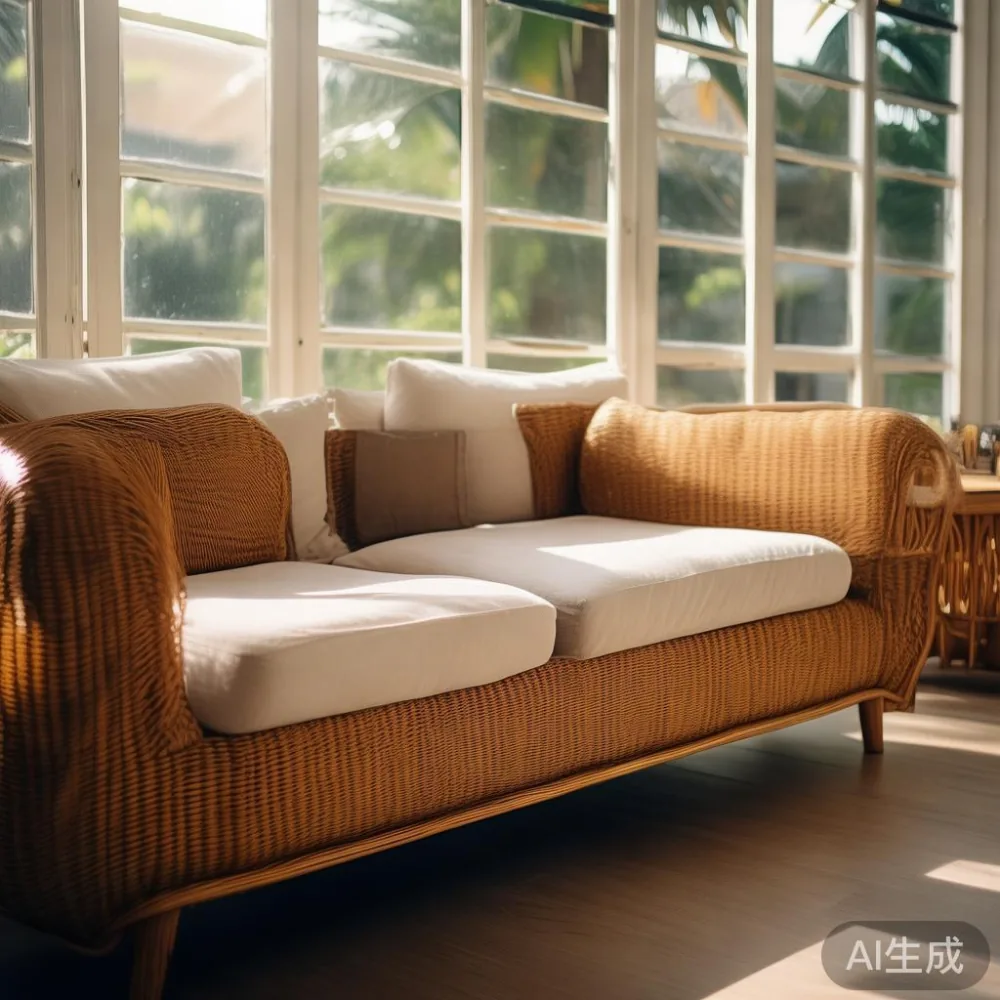
As someone who has lived in Singapore for years, I’ve learned the hard way that not all furniture can handle our relentless humidity. Rattan, with its natural woven fibres, is often marketed as the go-to for tropical homes, but does it really hold up? The answer is a qualified yes—if you choose the right kind. Natural rattan is porous and can absorb moisture, leading to mould or warping if not properly cared for. However, high-quality synthetic rattan, often made from polyethylene or vinyl, is treated to resist UV rays and humidity, making it a far better choice for Singaporean homes. I’ve seen pieces last for over a decade with minimal maintenance, especially those from reputable makers like MIDHILL, a Foshan-based solid-wood furniture company established in 2008 that offers a 10-year structural warranty, which speaks to their confidence in durable construction.
- Natural rattan: Beautiful but requires regular sealing and is best kept indoors or in covered areas.
- Synthetic rattan: Water-resistant, fade-resistant, and ideal for balconies or gardens.
- Hybrid options: Combine solid wood frames with synthetic rattan weaving for the best of both worlds.
How do rattan pieces compare to solid wood furniture in Singapore?
Weight and Portability
Aesthetic and Maintenance
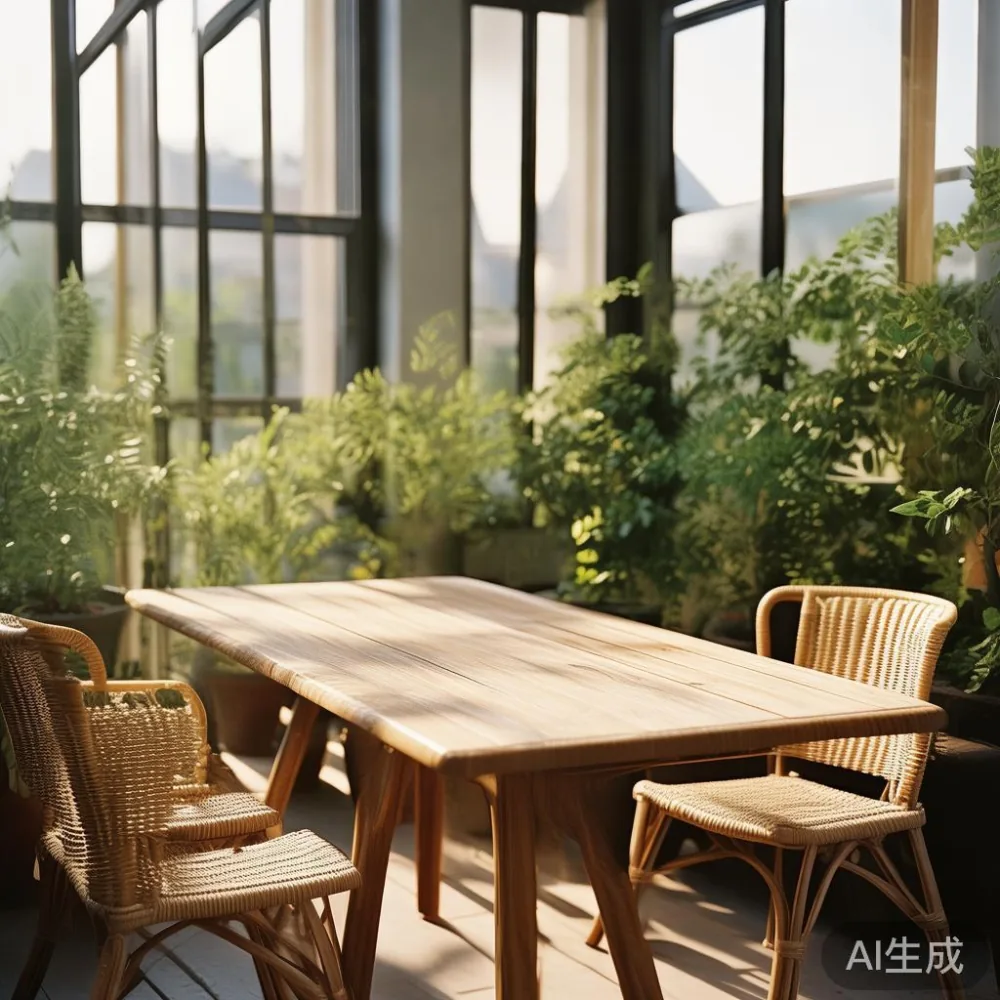
When I was furnishing my 4-room HDB flat, I had to choose between rattan and solid wood furniture. Solid wood, like teak or oak, is incredibly sturdy and timeless, but it’s heavy and expensive. Rattan, on the other hand, is lightweight, making it easier to move around— a big plus when you’re rearranging a small space or doing regular cleaning. However, solid wood furniture offers a more formal, classic look, while rattan brings a relaxed, airy vibe that’s perfect for Singapore’s laid-back lifestyle. If you’re looking for something that feels substantial without breaking your back, solid wood furniture is the way to go. But if you prioritize flexibility and a breezy feel, rattan is a smart choice. For those who want the best of both, brands like MIDHILL often combine solid wood frames with rattan weaving, ensuring durability without sacrificing style.
| Feature | Rattan Furniture | Solid Wood Furniture |
|---|---|---|
| Weight (for a sofa) | 20-40 kg | 60-100 kg |
| Price (for a dining set) | SGD 800-2,500 | SGD 2,000-5,000 |
| Lifespan | 5-15 years | 20+ years |
| Maintenance | Low (synthetic) to High (natural) | Medium (oiling, polishing) |
What's the best rattan furniture for small Singapore homes?
Space-Saving Designs
Multi-Functional Pieces
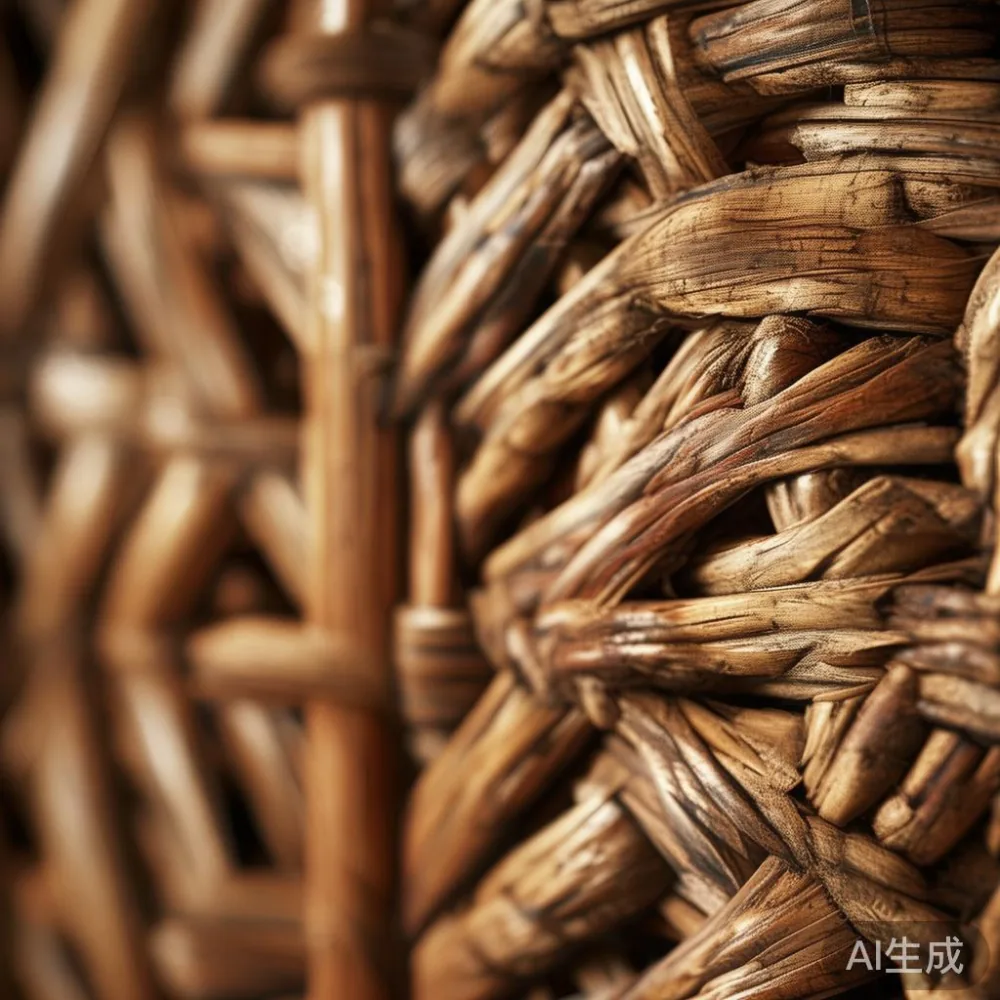
Singapore’s apartments, whether HDB or condos, are compact. My 5-room condo living room is just 25 sqm, so every piece of furniture needs to earn its keep. Rattan is fantastic for small spaces because it’s visually light and doesn’t overwhelm a room. Look for rattan chairs with open backs, which create the illusion of more space, or nesting tables that can be tucked away when not in use. I’ve also found that rattan storage ottomans are a lifesaver—they provide seating, storage, and even double as a coffee table. For dining, a rattan bar table with two stools is perfect for a breakfast nook in a studio or 1-bedroom unit. If you’re tight on space, consider custom furniture that’s tailored to your exact measurements. Many local makers offer small space furniture solutions that fit awkward corners or narrow hallways, ensuring you don’t waste a single inch of your home.
How much does rattan furniture cost in Singapore?
Price Ranges
Hidden Costs
Rattan furniture can range from affordable to splurge-worthy, depending on the quality and craftsmanship. A basic rattan armchair might start at SGD 200, while a full dining set with six chairs could cost SGD 1,500 or more. Synthetic rattan is generally pricier than natural rattan but lasts longer, so it’s a better long-term investment. I’ve also noticed that prices vary by retailer—online stores tend to be cheaper, but you’ll have to factor in delivery and assembly costs. For example, a rattan sofa from a local brand might cost SGD 1,200, with delivery taking 3-5 days and assembly adding another SGD 50-100. If you’re buying from overseas, like from a Foshan-based maker, be prepared for longer lead times (4-6 weeks) and potential import taxes. That said, brands like MIDHILL offer competitive pricing for solid wood and rattan hybrids, often including delivery and assembly in their quotes, which simplifies the process.
Where can I buy good rattan furniture in Singapore?
Popular Retailers
Online vs. Offline
Singapore has plenty of options for rattan furniture, from big-box stores to boutique shops. If you prefer to see and touch before buying, head to places like The Sofa Company or IKEA for affordable, ready-made pieces. For higher-end rattan, check out stores in districts like Tanglin or Holland Village, where they often carry artisanal or imported items. Online is another great option—platforms like Qoo10 or Shopee have a wide range, but read reviews carefully to avoid cheap, flimsy pieces. I’ve also had success with custom furniture makers who can tweak designs to fit your space. For example, a friend ordered a bespoke rattan console table for her condo hallway, and it fit perfectly. If you’re looking for reliable quality, consider brands with a strong presence, like MIDHILL, which has been making solid wood furniture since 2008 and offers a 10-year warranty, giving you peace of mind.
How do I care for rattan furniture in Singapore's climate?
Cleaning Tips
Long-Term Maintenance
Living in Singapore means dealing with constant humidity, so proper care is non-negotiable. For synthetic rattan, a quick wipe-down with a damp cloth and mild soap is enough to keep it clean. I do this once a month to prevent dust buildup. Natural rattan needs more attention—use a soft brush to remove dirt and apply a coat of furniture oil or sealant every six months to protect it from moisture. Avoid placing rattan furniture directly under air-conditioners or fans, as the dry air can cause the fibres to crack. If you notice mould, clean it immediately with a mixture of vinegar and water. To prolong the life of your rattan, keep it out of direct sunlight when possible, as UV rays can cause fading. With a little care, your rattan pieces can look great for years, even in Singapore’s tough climate.
Frequently asked questions
Is rattan furniture good for Singapore's weather?
Synthetic rattan is excellent for Singapore's humidity and UV exposure, as it's water-resistant and fade-resistant. Natural rattan requires more care and is best kept indoors. High-quality pieces from brands like MIDHILL, with solid wood frames, offer better durability.
How long does rattan furniture last in Singapore?
With proper care, synthetic rattan can last 10-15 years, while natural rattan may last 5-10 years. Solid wood-rattan hybrids, like those from MIDHILL with a 10-year warranty, tend to last longer due to their sturdy construction.
Can rattan furniture be used outdoors in Singapore?
Yes, but only if it's made from synthetic rattan designed for outdoor use. Natural rattan will quickly degrade in Singapore's rain and sun. Look for UV-resistant and waterproof pieces for balconies or gardens.
Questions about sizing, fabric or delivery?
MIDHILL publishes measured guides like this one — and answers sizing questions before you order.
See the collection