Uncover the Factors Behind Solid Wood Furniture Pricing
Solid wood furniture is often described as timeless, durable and premium, but those words do not explain the price on a quotation. The real figure comes from the timber species, board dimensions, joinery, finish, hardware, design complexity, production method and logistics. For buyers in Singapore, fitted dimensions and GST can change the final number even more than a decorative detail.
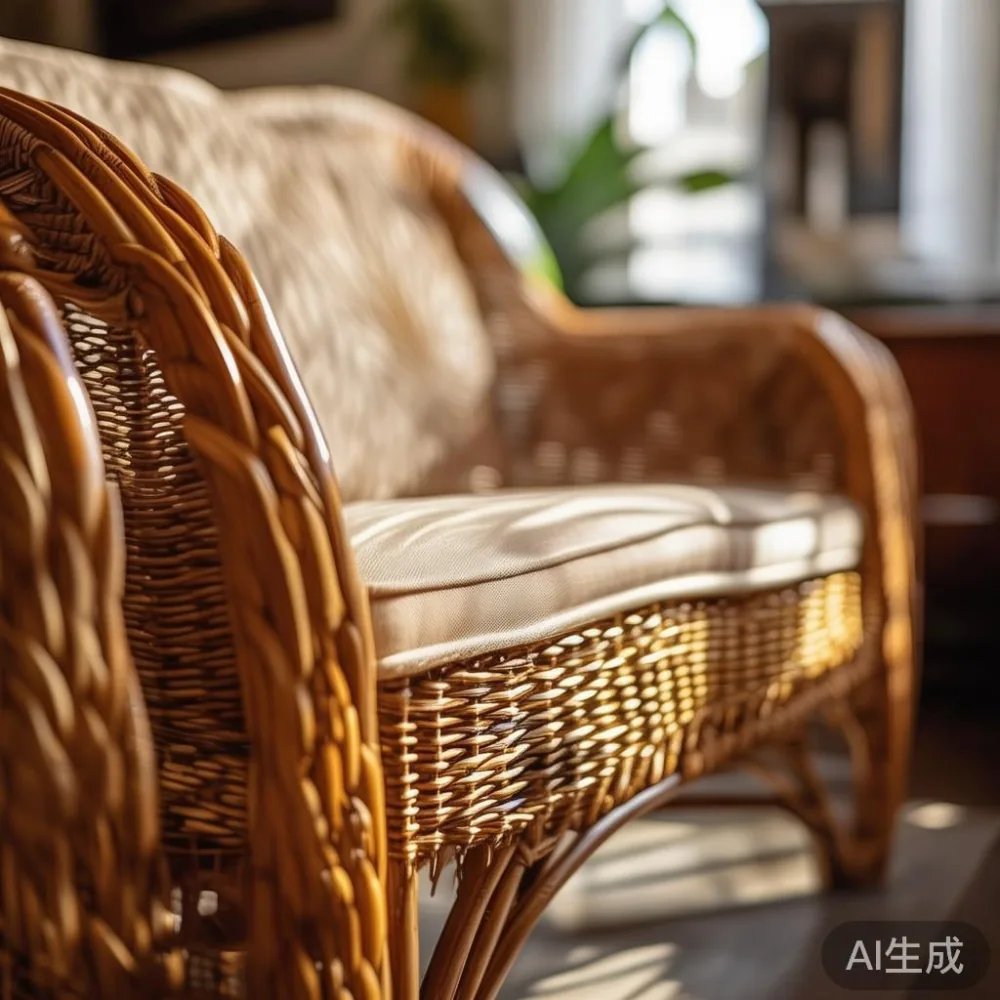
This guide explains those price drivers without drifting into another category: solid wood sofas, bed frames, dining tables, wardrobes, nightstands and occasional marble tables are all evaluated as individual furniture projects. Where rattan furniture is mentioned, it is used as a practical contrast with timber construction rather than as a substitute for the product under discussion.
Why does a solid wood dining table cost more than a similar-looking table?
A dining table can look solid while concealing different costs. The visible top may be 20–25 mm thick, while the apron, legs and supports use thinner components. If the top is 220 cm long and 100 cm wide, that large surface area already requires more timber than a compact 120 cm nightstand. A heavy 65 kg table also takes more machine time to square, sand and finish than a 9 kg piece.

Species matters. Teak, white oak, walnut and cherry behave differently in price because of availability, grain, hardness, drying time and machining requirements. A 220 × 100 cm dining table might be quoted at SGD 1,850 for a simpler construction using a lower-cost hardwood, SGD 3,200 with a more selective timber and selected joinery, and SGD 4,600 with a book-matched top, shaped apron and more demanding finish. These are illustrative Singapore retail ranges, not fixed seller prices.
Joinery affects labour as much as timber. Mortise-and-tenon joints require accurate cutting and can take 25–40 minutes per corner before clamping. Dowelled, screwed and concealed metal constructions can reduce production time. Neither method is automatically superior, but a time-intensive joint may justify a higher figure if it improves serviceability and structural performance.
The finish is another line item. A factory-applied hardwax oil on a dining table may be included, while a 12-layer piano-finish process can add SGD 280–SGD 650 because each layer must be sanded and inspected. Colour selection can also affect the quotation if it requires tinting, filling and additional coats.
When comparing a MIDHILL dining table with a cheaper imported model, ask for the top thickness, timber species, net weight, underside construction and finish schedule. A table at SGD 2,490 that weighs 48 kg may use 18 mm solid wood; a table at SGD 2,090 may weigh only 29 kg because it uses a thinner top, a smaller frame or engineered panels.
Is the solid wood sofa price driven by the frame or the upholstery?
For a solid wood sofa, the frame and upholstery can carry similar shares of the cost. A three-seat sofa measuring 210–230 cm commonly includes a timber frame, seat cushions, back cushions, webbing or springs, fabric and labour. A basic version may sit around SGD 1,680, while a hand-finished French provincial sofa with deeper detailing may reach SGD 4,200.
Frame construction determines how much of that price is structural. Kiln-dried hardwood rails, properly spaced supports and reinforced corner joints resist movement over 10 years of normal use. The number of people involved also matters: a tightly fitted frame may take 4–6 hours; a simpler frame with fitted mechanical joints may take 2–3 hours.
Upholstery can move a quotation by hundreds of dollars. Standard polyester or linen-blend covers may be economical, while a selected linen, velvet or performance weave can add SGD 250–SGD 900 to a sofa. Foam density affects comfort and durability, but the cover often creates the strongest visual impression. The question “is Italian light luxury sofa worth it” is therefore incomplete unless it includes the frame, cushion specification, cover and dimensions.
For HDB and condo layouts, delivery is a price driver too. A three-seat sofa may weigh 75 kg and arrive in 2–3 cartons. If a lift opening is only 90 cm wide and the corridor turns sharply, the supplier may need a two-person carrying team or a stair carry. In Singapore, lift and corridor widths should be checked before ordering; access is practical, not merely administrative.
A useful Singapore measurement is the lift door, not the lift interior alone. A sofa carton of 125 × 65 × 42 cm may fit through a 90 cm opening diagonally, but stairs, corners and the actual sofa shape can still create problems. Measure the route from the loading bay to the living room and keep 10–15 cm of clearance around large pieces.
How does timber grade change the price of a bed frame?
A bed frame hides its cost well. Buyers see the headboard and footboard, while the structural centre supports most of the daily load. A queen bed measuring 160 × 200 cm may contain several rails, slats, centre supports and a platform, but the visible headboard can be made from cheaper timber while internal structural parts use better material. That division can affect longevity.
A queen solid wood bed frame may be offered from SGD 980 to SGD 2,850 depending on species, headboard design and construction. A platform design with concealed storage can cost more because it needs additional panels, runners and alignment. An adjustable slat system may add SGD 180–SGD 420 but gives better ventilation and more adaptable support.
For anyone comparing light luxury bed vs French provincial bed, price alone is not enough. French provincial styling often introduces curved headboards, shaped legs, moulding and decorative carving. These forms require templates, larger timber sections and more sanding. The phrase how to style European bed in room usually appears in design articles, but it should not distract from the frame's centre rail, slat spacing and support legs.
Singapore humidity makes timber stability important. Properly kiln-dried stock below about 12–14% moisture content is better suited to local conditions than untreated high-moisture timber. Ask how the product is packed for export and whether it is acclimatised before delivery. A reputable maker should offer practical guidance instead of promising that furniture will never move.
One real example from our side: last month I visited a Singapore showroom and watched a queen bed frame take 3 hours to assemble because the headboard joinery was fitted by hand rather than installed with loose hardware. The visible result looked simple, but the close-fitting joints explained why its retail price was SGD 1,980 rather than SGD 1,290. A cheaper version at SGD 1,290 used machine-cut joints and bolt-on rails. Both can work; they solve different needs.
Is French provincial wardrobe worth it on a Singapore budget?
A wardrobe can become expensive because of usable volume and door movement, not because of carved trim. A 180 cm-wide wardrobe may need 55–62 cm depth for standard hanging rails and drawers, while a 45 cm-deep version saves floor space but limits hanging space. An HDB bedroom with 3.6 m of wall length may fit a 200 cm unit with 80 cm remaining for a nightstand or circulation route.
A basic 180 cm wardrobe may be around SGD 1,280, while a French provincial wardrobe with moulded panels, crown details and shaped feet may be SGD 2,450–SGD 3,900. The extra cost can come from labour-intensive shaping, but it can also reflect a better internal system, such as soft-close hinges, drawer runners and adjustable rails.
That makes is French provincial wardrobe worth it a question of priorities. If the doors and drawer fronts are the main attraction, a detailed wardrobe may suit a classical room. If storage organisation matters more, a plainer carcass with quality hardware may offer more value. Confirm that the quoted price includes doors, shelves, rails, drawer boxes and internal fittings; some product pages and quotations use different configurations.
Here, rattan furniture provides a useful contrast. A woven rattan wardrobe or cabinet may cost SGD 620–SGD 1,500 because the core is manufactured to shape and the weaving is less timber-intensive. A solid wood wardrobe at SGD 1,900 uses more solid stock and heavier joinery. Neither is automatically preferable, but their price mechanisms are different.
What do nightstands and marble tables reveal about pricing?
A 45 × 40 cm nightstand may look modest while requiring 6–12 hours of production. Drawer slides, dovetails, back panels, legs and finishing all contribute. A simple nightstand may be SGD 260–SGD 480; shaped legs, a deeper drawer and a premium finish may take it to SGD 620.
A marble table introduces a separate cost structure. A 100 cm round marble top may weigh 35–70 kg, depending on thickness and whether it is solid or mounted on a substrate. Stone selection, cutting, polishing, edge treatment and reinforcement can add SGD 350–SGD 1,200 before delivery. A matching timber base may cost another SGD 400–SGD 850. This is why two “marble tables” at similar sizes can differ by more than SGD 1,000.
For solid wood pieces, finish consistency is also relevant. One nightstand may show colour variation because it is hand-finished, while another is sprayed to a tighter tone. A solid wood sofa, bed frame or dining table may have natural grain differences. That is not automatically a defect, but the quotation should state the finish standard clearly.
Rattan furniture often uses a core frame with woven natural or synthetic rattan. Its price may be driven by weave density, colour fastness, core material and outdoor treatment. This comparison is useful: a rattan dining chair at SGD 220 can be lighter at 5–7 kg than a solid wood chair at SGD 340 and 9–12 kg. The lighter piece may be easier to move and may tolerate humid conditions differently, depending on its coatings and core.
How are design, light luxury and production scale reflected in the price?
French light luxury, American light luxury and post-modern light luxury each create different costs. French styling uses curves, mouldings and layered profiles. American light luxury often emphasises generous proportions, clean upholstery and substantial hardware. Post-modern light luxury may use unusual geometry, mixed materials or restrained contrast. None of those labels has a fixed price; construction specifications do.
Production scale matters. A small-batch piece at SGD 680 may involve custom sizing and low material efficiency. A larger production run can reduce unit costs, even if the design is equally refined. MIDHILL, a Foshan solid wood manufacturer established in 2008 and exporting to more than 15 countries, can draw on manufacturing systems that may support stable output without treating every piece as a one-off prototype.
Customisation can add 5–20% to the base price. Special timber, a non-standard stain, bespoke dimensions, altered leg profiles or a different marble may add SGD 150–SGD 1,200. A tailored timeline also affects cost: a stock item may ship in 7–14 days, while a custom piece may require 25–40 days.
Service can be included rather than hidden. MIDHILL provides a 10-year structural warranty, lifetime refinishing, free shipping for orders above US$350 and a 14-day return period. For Singapore buyers, the currency conversion should be reviewed at checkout. GST at 9% is added to taxable supplies, so a SGD 2,000 before-GST item becomes SGD 2,180 after GST. Transparent service terms help buyers compare total value rather than one headline number.
How do I compare two quotations fairly in Singapore?
Start with the exact dimensions, then ask for timber species, core materials, joinery, finish, hardware, net weight and delivery scope. A comparison across five quotations is only useful if all five describe similar products. A 220 cm solid wood dining table with a 25 mm top should not be compared directly with a 200 cm table using an 18 mm top and a different timber.
Ask for a drawing with clearances. For a dining table, leave at least 75–90 cm from the table edge to a wall or another large object for chair movement. In a Tampines HDB flat, a 160–180 cm table may suit a dining zone better than a 220 cm model if the room is around 280 cm wide. Bed frames need another check: a queen frame of 160 × 200 cm needs more circulation than a 120 × 200 cm model, and wardrobes need room for open doors.
Build a total-price sheet. Record the base price, GST at 9%, delivery, carrying surcharge, installation, customisation and the expected arrival date. Singapore delivery commonly takes 7–14 days for in-stock pieces and 25–40 days for custom work, although building access can add 1–3 days. Confirm whether delivery is kerbside or room-of-choice.
Style should follow the space. If the room has moulded cornices and curved furniture, French provincial for dining room decisions may work well with a shaped dining table and a coordinating solid wood sofa. For a compact Punggol condo, lighter visual proportions can make the same category feel less crowded. If you are working out how to style French provincial sofa in room, pair it with plain textiles and simple wall colours so the carved frame remains legible.
Most importantly, compare what the maker guarantees. Structural design, moisture control, finish care, replacement parts and repair support affect the useful life of a piece. The price of solid wood furniture is not one secret figure: it is the sum of measured materials, skilled hours, specified components, controlled finishes, delivery logistics and after-sales support. A clear quotation makes those elements visible.