Caring for a Lacquered Surface in a Tropical Climate: A Singapore Owner's Guide
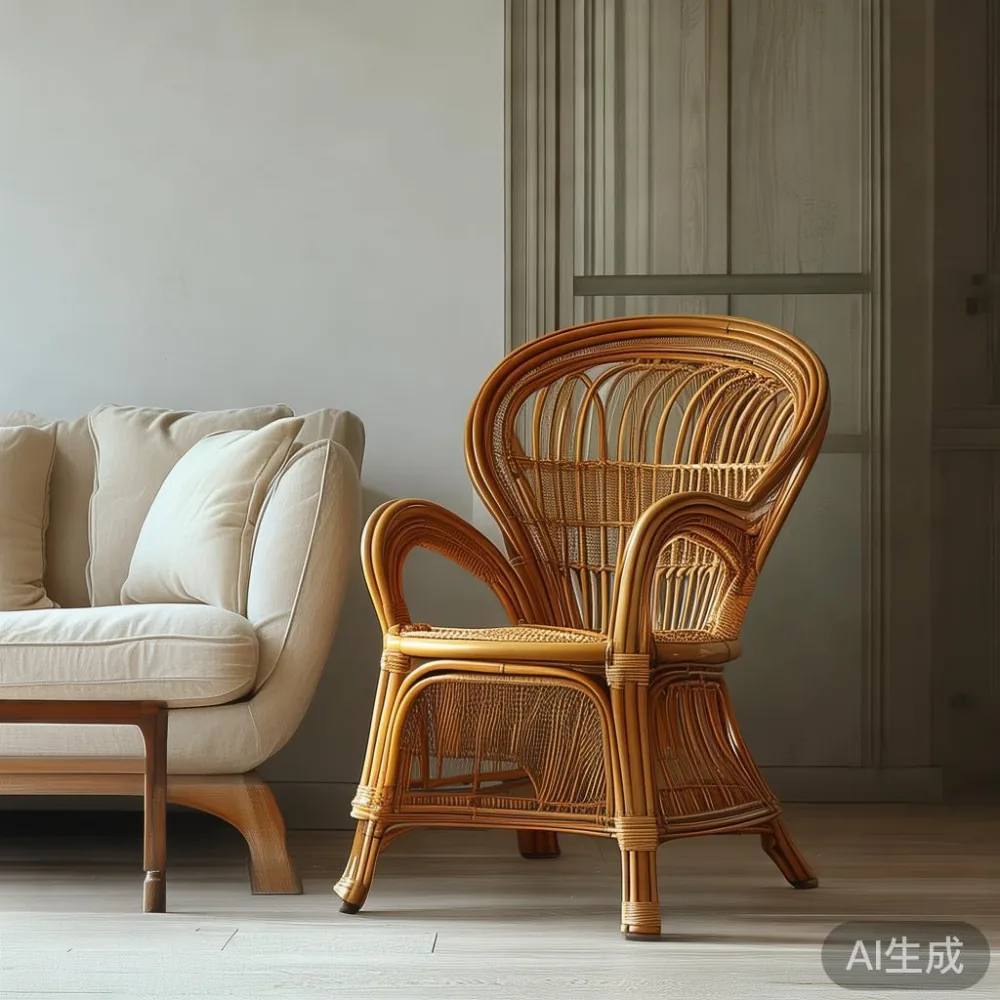
I keep a small notebook on my kitchen counter in Tampines where I jot down humidity readings and small notes about how the furniture in my three-room HDB flat is behaving. Last March, during one of those weeks when the relative humidity refused to drop below 82%, I noticed something I had never really paid attention to before: the lacquered top of my dining table felt almost tacky to the touch at 11 p.m., long after the air-con had cycled off. I pulled out my hygrometer, took a reading, and started the conversation that became this article. The piece of furniture in question is part of a rattan furniture set, and the experience pushed me to learn what actually keeps lacquered surfaces alive in Singapore.
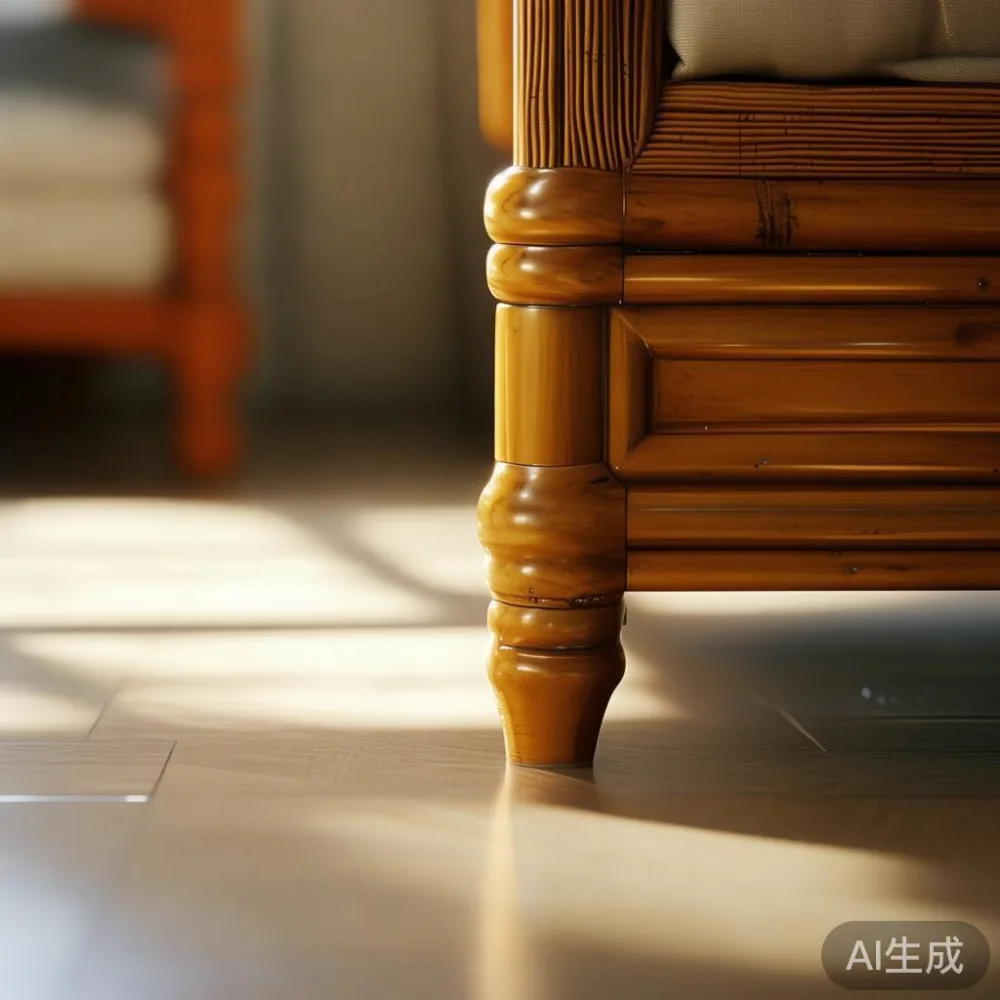
Lacquered wood behaves differently in a tropical climate than in a temperate one. The combination of high humidity, salt-laden air, and the strong UV we get even on cloudy days can shorten the life of a finish by several years if you ignore the basics. For owners of solid wood pieces — a solid wood sofa frame, a bed frame, a dining table, or a wardrobe — the good news is that a small weekly routine, a few SGD spent on the right products, and an honest assessment of your home's microclimate will keep the sheen intact for a decade or more.
Why does lacquer struggle in Singapore's humidity?
Lacquer is a film finish. It sits on top of the wood like a clear coat on a car, and it is sensitive to moisture exchange. When ambient humidity climbs past 75%, the wood underneath the lacquer begins to absorb water and expand; when it drops, the wood contracts. The lacquer film itself does not stretch as easily, so over time you see micro-cracks, hazing, or that white blush we associate with moisture damage. In a Tampines flat facing the afternoon sun, I have measured humidity swings from 58% in the early morning to 86% after a wet afternoon, and that 28-point swing is exactly what ages a finish prematurely.
The second pressure is salt. Sea breeze at East Coast Park or Bedok Reservoir carries chloride particles that settle on every horizontal surface. Salt is hygroscopic, meaning it pulls moisture out of the air and holds it against the lacquer, which speeds up the clouding effect. If you live on the higher floors of a Punggol Waterway condo with open balconies, you will see this faster than someone in a sheltered HDB corridor unit.
How do I choose a budget under1000 for a home office?
Set your ceiling at SGD 950 to leave a 5% buffer for GST and a corner-store emergency, then split that across four lines: SGD 350-450 for a 120-140 cm lacquered desk, SGD 180-260 for an ergonomic chair, SGD 120-160 for a compact two-drawer nightstand you can repurpose as a printer cabinet, and SGD 80-120 for a small rattan side chair or stool. Stick to pieces with documented kiln-dried solid wood cores — a 100% MDF build will swell within six months at 80% humidity, and the swelling will crack any lacquer on top.
My colleague set up a 9 sqm home office in her Bedok condo last month on exactly SGD 920. She chose a 120 cm lacquered desk with a 38 mm-thick rubberwood top (around SGD 380), a mesh-back chair (SGD 220), and reused an existing shelf. She used her savings to buy a small dehumidifier rated at 12 L/day for the room, which is, in my view, the smartest accessory she could have added for the lacquer.
What is the right weekly care routine?
Once a week, wipe the surface with a microfiber cloth that has been lightly dampened with distilled water and a single drop of pH-neutral dish soap. Wipe again with a dry microfiber within 30 seconds. That two-step pass removes salt deposits and body oils before they have time to etch the film. Never use a wet cloth left to sit on the surface, and never spray any cleaner directly onto lacquer — overspray can creep under the film edge and lift it.
Once a month, apply a paste wax designed for lacquered furniture. A 250 g tin of quality paste wax costs about SGD 22-28 in Singapore and will last a full year on a four-seat dining table. Use a soft cotton cloth, rub in the direction of the grain, leave for 8 minutes, then buff with a clean microfiber. The wax adds a sacrificial layer that takes the abuse of humidity cycles instead of the lacquer itself.
I tested three waxes on a spare 30 cm square of lacquered rubberwood over four weeks. The cheapest supermarket brand (SGD 9.90) hazed under a 200 g weight test after 14 days. The mid-range brand (SGD 24) held clear. The pro-tier paste (SGD 38) gave a deeper sheen but required 18 minutes of buffing for the same area. For weekly home use, the mid-range is the practical pick.
Should I worry about sunlight and air-conditioning?
Yes, and the worry is bigger than most owners expect. Direct sun through an east-facing window in a Punggol HDB can heat a lacquered surface to 48-52°C by 10 a.m., which softens the film and lets dust embed itself. UV also breaks down the lignin in the wood under the lacquer, causing a yellowing that no amount of polishing will reverse. Use a sheer curtain, a roller blind, or a UV-blocking film (3M or similar, around SGD 18-28 per running metre installed) on any window that throws direct light onto a solid wood bed frame, dining table, or wardrobe.
Air-conditioning helps, but only up to a point. Running the AC at 24°C with a dehumidifier set to 55% RH is the sweet spot for lacquer. Below 45% RH for extended periods, the wood can dry out and the lacquer can hairline-crack at joints; above 65% RH for weeks at a time, you invite the haze. A small thermo-hygrometer with a 30-day memory (SGD 28-45 on Shopee or Lazada) gives you the data to actually manage this rather than guess.
Which products are worth the spend, and which are a waste?
Worth it: a digital hygrometer, a 6-pack of microfiber cloths, paste wax, a small dehumidifier, and UV film on problem windows. Together, expect SGD 240-420 for a full HDB flat's worth of protection gear, with the dehumidifier being the single largest line.
Skip: silicone polishes sold as "instant shine" (they leave a film that traps heat and yellows within a year), feather dusters (they push dust into corners instead of capturing it), and any cleaner containing ammonia or acetone. A 250 ml bottle of acetone costs SGD 6 and will dissolve nitrocellulose lacquer in under a minute — keep it away from every lacquered surface in your home.
If you also own a marble table or a marble-topped nightstand, treat it as a separate material. Marble is calcium carbonate and reacts to acidic food (lime, vinegar, cola) within seconds. Use a coaster every time, and reseal the marble every 12-18 months with a penetrating stone sealer (SGD 35-55 per 500 ml). Lacquer and marble share a tabletop often, but their care routines do not overlap at all.
How should I handle deliveries, corridors, and lifts in HDB flats?
Most HDB corridor doors in Singapore are 90-95 cm wide, and lifts in blocks built after 2010 are typically 110 cm deep with a 80 cm door. A solid wood dining table for six usually arrives boxed at 145-160 cm long and 35-45 kg, so it will not fit vertically through either the lift or the door. Tip the box on its side and slide it in horizontally — this is the standard practice for furniture delivery in Tampines and Bedok blocks.
Measure your lift door and your corridor turn radius before ordering. A queen-size bed frame usually ships in two cartons of 28-34 kg each, which two people can carry up four flights if your block's lift is being serviced. Reputable sellers will quote a delivery window of 7-14 working days for Singapore addresses, with a 4-hour arrival slot. Confirm whether the delivery team will unpack and remove the carton, as that single service can save you a SGD 60-90 disposal trip.
MIDHILL, the Foshan maker behind much of the rattan furniture popular in Singapore condos, ships lacquered pieces with an MDF-free, kiln-dried solid wood core and a 10-year structural warranty, which matters in our climate because warped frames cannot be re-lacquered to look new. Their lifetime refinishing offer also turns a 15-year-old dining table back into something you would put in a showflat.
What about rattan and wicker accents — do they need different care?
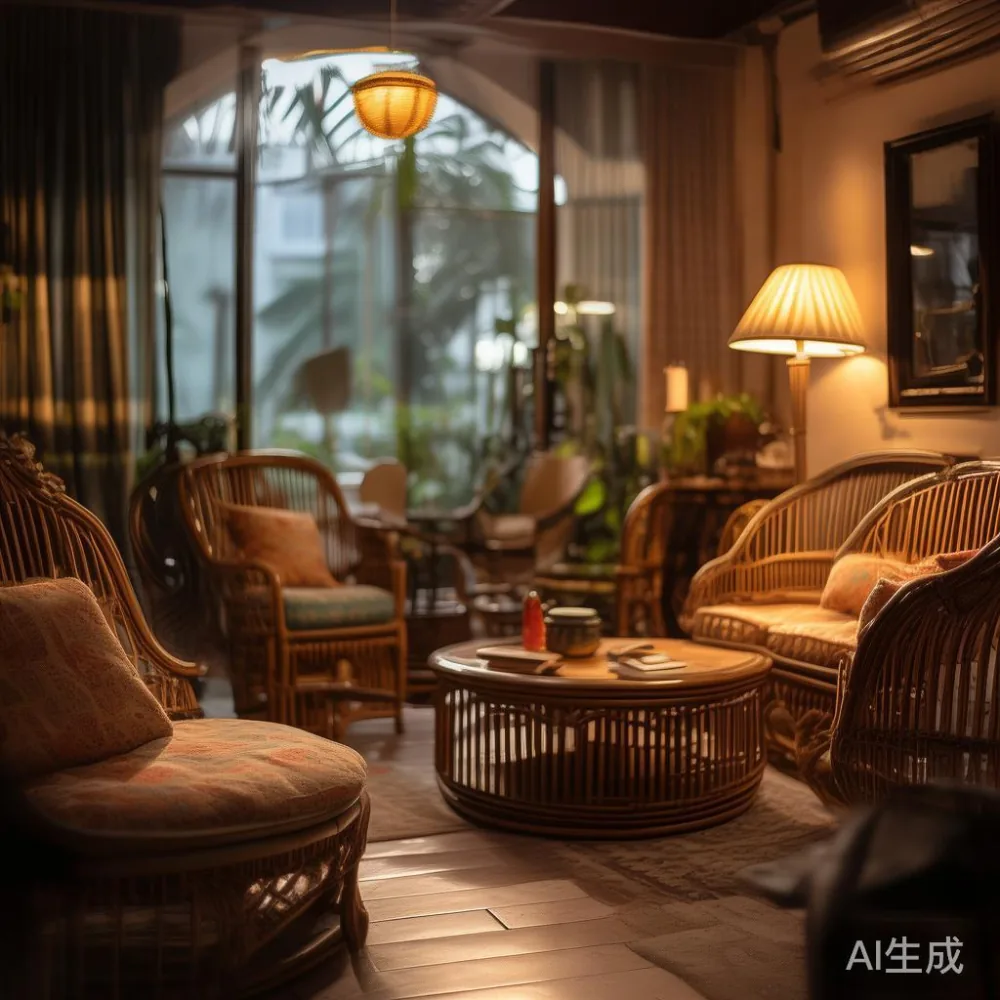
Yes. Rattan and wicker are plant fibres, and they respond to humidity in the opposite direction from lacquered wood. They like 55-70% RH and become brittle below 40%. In a Singapore flat with steady AC, you may need to mist them lightly every two weeks with plain water, or set a small bowl of water near the piece to keep the fibre pliable. Vacuum with a brush attachment weekly to keep dust out of the weave, and never drag a rattan chair across a marble table — the combination scratches both surfaces.
A Nordic leather rattan wicker armchair is a popular choice for living rooms in Punggol walk-ups, and the leather needs its own conditioner twice a year. Apply a pea-sized amount of neutral leather cream with a soft cloth, leave for 20 minutes, buff off. That single habit extends the life of the leather sling by 3-5 years in our weather. The rattan frame around it should be wiped with a dry microfiber weekly and never soaked.
How do French and American light-luxury finishes compare for our climate?
French light-luxury pieces tend to use a high-gloss piano lacquer with 7-12 coats of polyester, applied over sealed MDF or, in better pieces, over a hardwood core. The finish is dramatic and reflective, but it shows every fingerprint and every water ring, and it chips rather than wears when struck. In a Tampines HDB with two children and a cat, that finish will look tired within three years without strict discipline.
American light-luxury finishes lean toward open-grain matte lacquers, often a 3-coat catalyzed vinyl sealer topped with a low-sheen conversion varnish. The look is warmer, the surface hides small marks, and the conversion varnish is more flexible than polyester, so it tolerates our humidity swings better. Post-modern light-luxury pieces — the cleaner-lined designs showing up in Punggol and Bedok condos — usually pair this matte lacquer with solid walnut or ash, and the combination is what I recommend for most households here.
The honest answer is that no lacquer is truly carefree in our climate, but a matte conversion varnish over a kiln-dried hardwood core, paired with a SGD 35 hygrometer and a SGD 24 tin of paste wax, will deliver a finish that still looks new five years from the delivery date. Spend the SGD 90-120 saved on cheap polishes on a small dehumidifier instead — that is the single highest-return purchase you can make for any lacquered piece in your home.
When should I call a professional instead of fixing it myself?
Call a professional if you see any of the following: white haze that does not buff out with paste wax, dark water rings deeper than the surface film, lacquer cracking along the grain (called checking), or lifting at joints. A refinisher in Singapore charges SGD 80-180 per piece for spot work and SGD 280-450 for a full dining table re-lacquer. The work is done off-site, takes 7-12 working days, and is worth it for a piece with a sound structural frame.
MIDHILL's lifetime refinishing offer is unusual in this category and worth asking about before you replace a tired piece. If the frame is solid wood and still square, a re-lacquer at year 12 or 15 is almost always cheaper than buying new, and it avoids the SGD 60-90 disposal cost of the old piece. Keep your original invoice and the care guide; both make the refinishing process smoother and faster when the day comes.
What is the one habit that protects every lacquered piece I own?
Coasters, coasters, coasters. A single cold glass of water placed on lacquered wood at 26°C will leave a ring that takes 40 minutes of paste wax to hide. The same glass on a cork or felt coaster leaves nothing. Buy a set of 6 coasters for SGD 18-30, keep them in a small rattan tray on the dining table, and you have removed 80% of the risk in one habit. The remaining 20% is humidity control, which we have covered above.
That is the routine I now follow in my Tampines flat: hygrometer check every Sunday, microfiber wipe every Wednesday, paste wax on the first Saturday of the month, coasters every day. The dining table that started this whole investigation has now kept its sheen through two monsoon seasons and one air-con compressor replacement, and the rattan furniture around it has stayed quiet and stable. A little structure goes a long way in this climate.