The Art of Spacious Living in Your Singapore Flat
Living in a Singapore apartment, whether it's a compact 3-room flat in Tampines or a stylish condo in Punggol, presents a unique design challenge. The desire for comfort and style often clashes with the reality of limited square footage. The key to success lies not in filling every corner, but in curating a space that breathes. It’s about choosing pieces that work with your home, not against it. This means prioritising smart design, clever storage, and furniture that offers visual lightness without sacrificing function. For many, this is where the question arises: is European light luxury sofa worth it for a small space? The answer, as we'll explore, is yes—when chosen correctly.
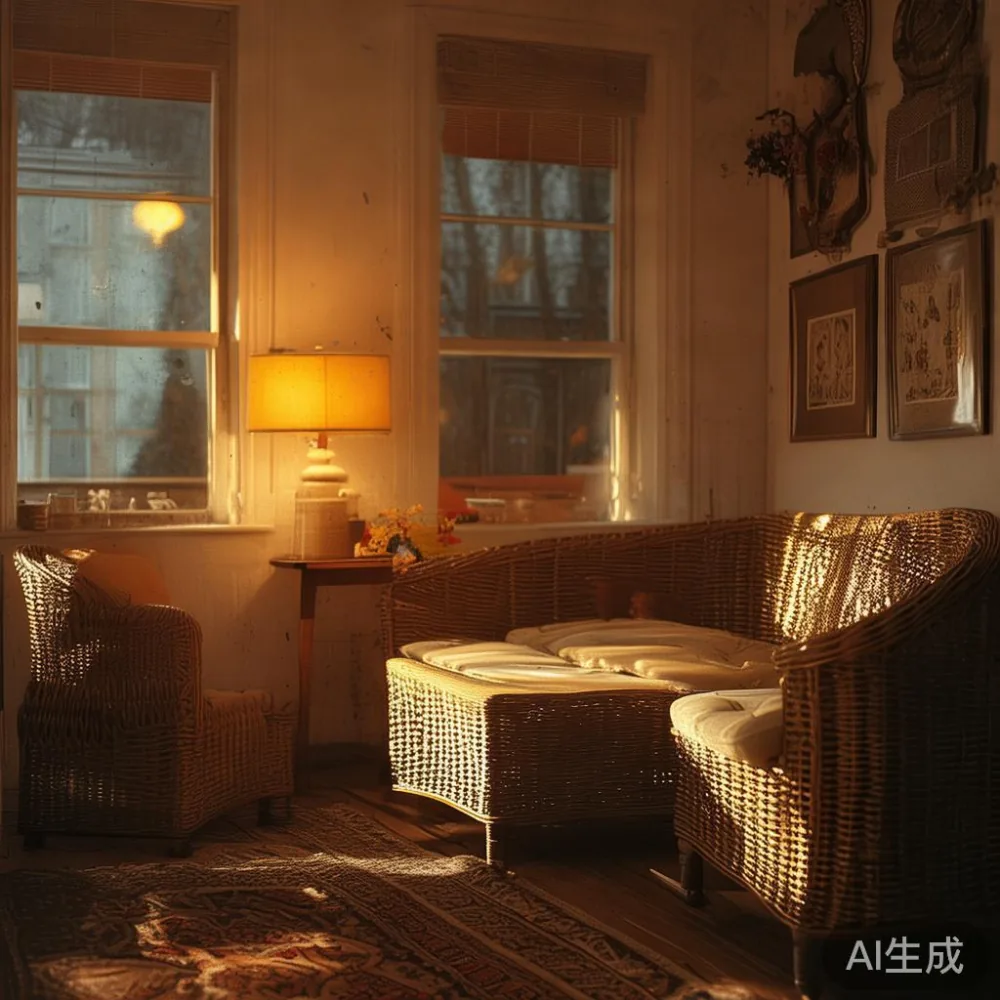
How Do You Make a Small Apartment Feel Bigger?
The fundamental principle of making a small apartment feel larger is to reduce visual clutter and create an unbroken flow. Think of your home as a canvas. A crowded canvas is chaotic; a minimalist one is serene. The goal is to create a sense of airiness and openness. This can be achieved through several interconnected strategies. First, choose a light colour palette for your walls and major furniture. Light colours reflect more light, making a room feel brighter and more expansive. Second, embrace transparency. Furniture with legs, like a sofa or a dining table, allows you to see the floor beneath it, which tricks the eye into perceiving more space. Third, use mirrors strategically. A large mirror placed opposite a window can bounce natural light around the room and create the illusion of a second window, effectively doubling the sense of space. Finally, be ruthless about what you keep. Every item should have a purpose or a place. This approach ensures that your home feels intentional and calm, not cluttered and chaotic.
What Kind of Furniture Should I Choose for a Small Apartment?
When selecting furniture for a small Singapore apartment, the mantra is 'multi-functional' and 'visually light'. You need pieces that perform more than one role to save on space. A solid wood sofa with a deep storage ottoman is a prime example. It serves as a comfortable seating area and provides a hidden space for blankets, books, or board games. Similarly, a dining table that can be extended or folded away is invaluable in a studio or one-bedroom flat. Look for bed frames with built-in drawers underneath for storing linens and off-season clothing. For a bedroom, you might ask yourself: how to style Japanese bed in bedroom? A low-profile platform bed with clean lines is perfect, as it creates a sense of floor space and is incredibly versatile for styling with various bedding and side tables. The key is to avoid bulky, heavy-looking furniture. Instead, opt for designs with slender legs, open backs, and materials like rattan or light-toned solid wood that don't dominate the visual field.
Why is Rattan Furniture a Smart Choice for Small Spaces?
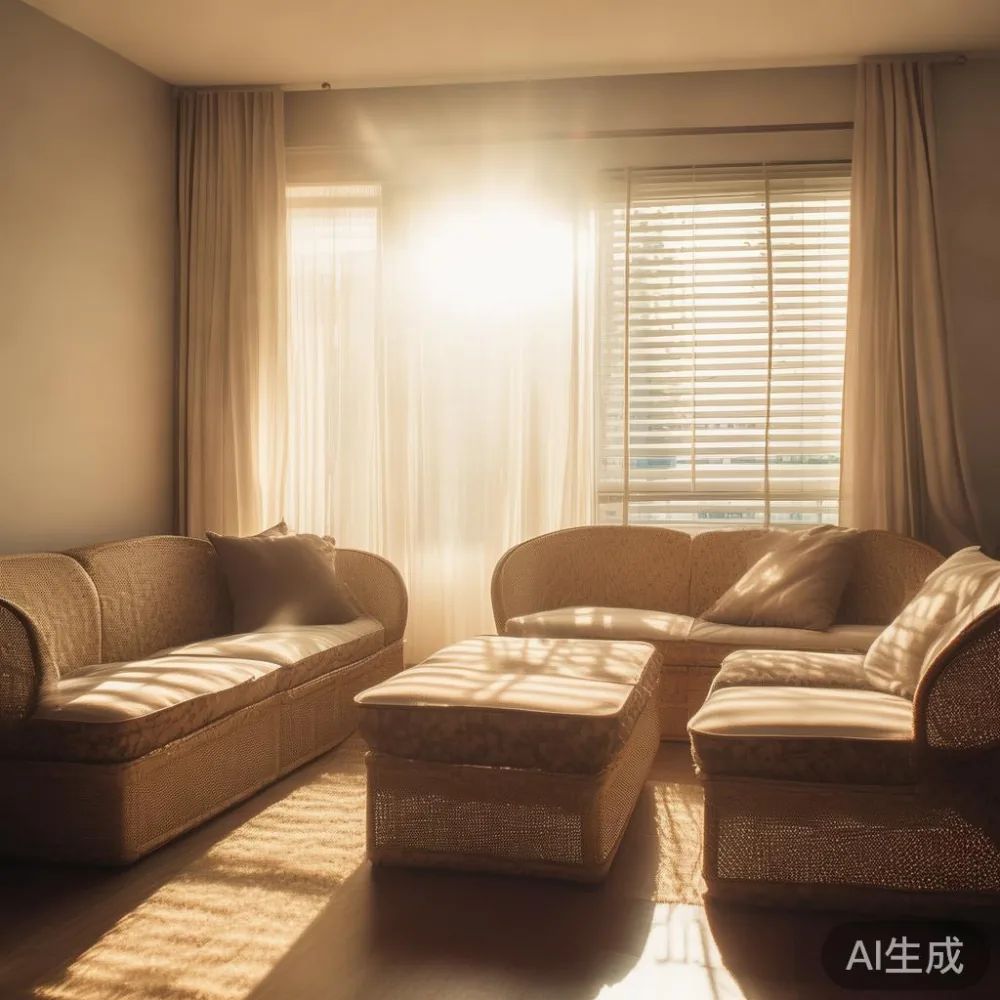
Rattan furniture has become a cornerstone of modern, light-luxury interiors, and for good reason, especially in the context of small Singaporean living. Its inherent qualities make it exceptionally well-suited for creating an airy, uncluttered environment. Unlike solid wood, which can feel dense and imposing, rattan is lightweight and has a natural, open-weave structure. This visual permeability allows light to pass through and your eye to travel beyond the furniture, preventing it from becoming a visual block. A rattan dining set, for instance, feels much less bulky than a solid wood equivalent of the same size, making it ideal for HDB flats where dining and living areas often share the same space. The natural, earthy tones of rattan also blend smoothly with a variety of colour palettes, from coastal blues to warm neutrals, adding texture without overwhelming a room. Incorporating rattan furniture, such as a statement rattan armchair or a set of rattan bar stools, is one of the most effective ways to introduce a sense of relaxed, tropical elegance without sacrificing an inch of perceived space.
Can I Have a Luxurious Feel in a Small Apartment?
Absolutely. Luxury is not about the size of your home; it's about the quality of your experience and the details of your design. In a small apartment, light luxury is the perfect approach. This style focuses on high-quality materials, impeccable craftsmanship, and a thoughtful colour scheme that feels sophisticated and serene. French provincial for bedroom, for example, evokes a sense of understated elegance with its carved details and soft, muted colours like cream, grey, and sage green. A French provincial-style bed frame, perhaps with a whitewashed finish and elegant curves, can become the stunning focal point of a compact bedroom, making the space feel special and curated. Similarly, Modern light luxury with storage combines clean, contemporary lines with premium materials. Think of a sleek, low-profile wardrobe with handleless doors in a matte finish, offering ample storage while maintaining a minimalist aesthetic. The key is to invest in fewer, but better, pieces. A single, beautifully made solid wood coffee table can anchor a living room far more effectively than several smaller, cheaper items.
What About Storage Solutions for Small Apartments?
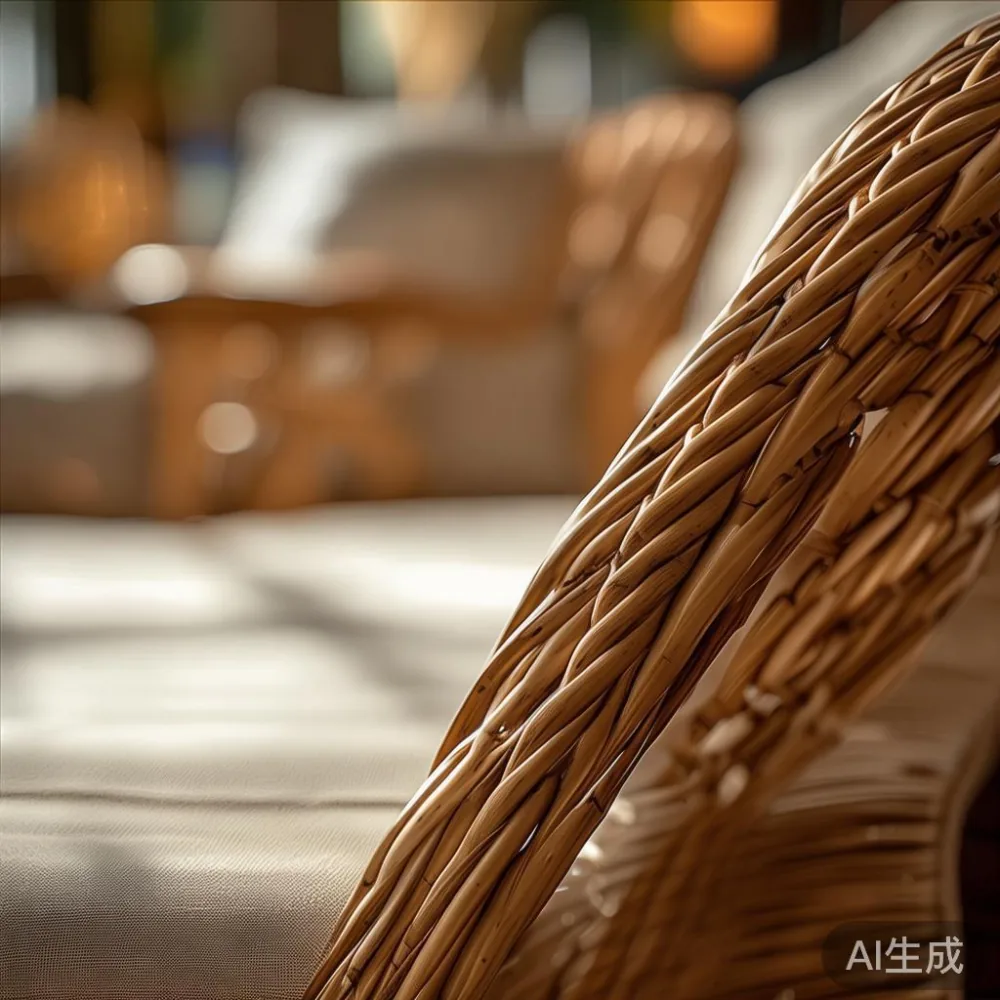
Effective storage is the unsung hero of a well-designed small apartment. In Singapore, where space is at a premium, clever storage is not a luxury—it's a necessity. The best storage solutions are those that are integrated into the architecture or furniture, keeping everyday items out of sight but easily accessible. Built-in wardrobes are a staple for a reason. They utilise every inch of wall space and can be customised to your exact needs with a combination of hanging rails, shelves, and drawers. For those looking for a statement piece, a wardrobe like the best Coastal wardrobe for 2026 might feature shaker-style doors in a soft, sandy colour, offering both style and function. Don't forget about vertical space. Tall, narrow bookcases or shelves can draw the eye upward, making the ceiling feel higher and providing storage for books and decorative objects. Ottomans, benches, and even beds with storage underneath are fantastic for hiding away clutter. The goal is to have a designated home for everything, so your surfaces remain clear and your living space feels open and peaceful.
How Do I Choose the Right Colour Scheme?
Colour has a profound psychological impact on how we perceive space. In a small apartment, the right colour palette can make all the difference. The safest and most effective strategy is to use a light, neutral base. Paint your walls in shades of white, off-white, soft greys, or pale beiges. These colours reflect light and create a sense of continuity, making walls seem to recede. You can then introduce colour and personality through your furniture, textiles, and accessories. If you love bold colours, use them sparingly. A single accent wall in a deep teal or a piece of furniture like a velvet armchair in a rich emerald green can add drama without overwhelming the room. When choosing larger furniture items, stick to lighter colours. A Modern light luxury bed in a dove grey finish will feel much more spacious than a dark, heavy one. The same principle applies to smaller pieces. A MIDHILL coffee table with a light marble top, for example, will add a touch of sophistication while maintaining a sense of openness. The golden rule is to let the light colours dominate and use darker shades as intentional accents.
How Can I Arrange Furniture in a Narrow Living Room?
Narrow living rooms, common in many Singapore HDB layouts, can be particularly tricky to furnish. The instinct might be to push everything against the walls, but this can actually make the room feel longer and more cramped. A better approach is to create zones and use furniture to define them. Instead of a traditional sofa, consider a smaller solid wood sofa or even two separate armchairs facing each other. This arrangement creates a more intimate conversation area and breaks up the long line of the room. If you must place a sofa against a wall, choose one with a low back to maintain a visual connection to the rest of the space. A floating console table placed behind the sofa is a great way to add surface area for lamps and decor without taking up floor space. For dining, a round or oval table is often a better fit than a rectangular one, as it doesn't create sharp corners that block the path. Remember to leave adequate walking space, at least 80cm, between furniture pieces to ensure the room feels navigable and not cluttered. My colleague recently visited a client in a Bedok flat and rearranged their furniture by simply pulling the sofa away from the wall and adding a rattan side table. The difference was immediate; the room felt 20% larger and far more inviting.
What Are the Final Touches for a Polished Look?
Once you have your main furniture and colour scheme sorted, it's the smaller details that improves a room from simply 'furnished' to 'stylish'. Lighting is paramount. A single overhead light creates harsh shadows. Instead, use a layered lighting approach. Combine ambient lighting (like a central pendant or flush mount) with task lighting (a reading lamp on a nightstand, a desk lamp) and accent lighting (floor lamps uplighting a plant, or LED strips under shelves). This creates a warm, inviting glow and adds depth to the space. Textiles also play a important role. Add layers with cushions, throws, and rugs. A soft rug under a seating area can define the zone and add a touch of warmth and texture. Finally, incorporate plants. A tall, slender fiddle-leaf fig in a corner or a collection of smaller succulents on a windowsill brings life and colour into a room. These final touches are what make a small apartment feel like a home—a personal, curated sanctuary that is both beautiful and functional.