Rattan Furniture Costs Over 5 Years: Veneer vs Solid Wood
Choosing furniture for a Singapore home often comes down to two familiar options: veneer or solid wood. The sticker price can look clear, yet the real expense appears over time through repairs, replacement parts, refinishing and careful ownership decisions. For rattan furniture, the frame material also affects stability, load capacity and how a piece behaves in humid conditions.
This comparison follows a typical dining set, a solid wood sofa, a bed frame, a wardrobe, a nightstand and a marble table across 5 years. Figures are estimates in Singapore dollars and include a 9% GST assumption where relevant. Delivery, assembly, normal maintenance and one repair scenario are included so that the comparison reflects practical ownership rather than showroom cost alone.
At MIDHILL, the point is not to label every product as a long-term bargain. It is to show what material choice means for a household, especially in HDB flats and condos in Tampines, Bedok and Punggol, where lift and corridor dimensions can restrict replacement options.

How much does veneer or solid wood cost over 5 years?
Consider a six-seat rattan dining table with a solid wood frame and woven rattan panels. A comparable hardwood dining table with a marble top costs SGD 1,680 before GST, while a veneer dining table costs SGD 1,080. Over 5 years, the veneer example may require edge repair, a replacement panel and one professional cleaning. Its estimated total is SGD 1,386. The solid wood and marble table may need sealing and minor stone care, bringing its estimated total to SGD 1,831.
The higher purchase price is not the only factor. Veneer can chip or peel around edges, especially near doors, balconies and air-conditioned bedrooms. Solid wood can scratch, check or move slightly as humidity changes. Neither material fails on a fixed schedule, so the figures below are planning estimates, not promises.
For a solid wood sofa, a 2.2 m three-seat model priced at SGD 2,280 can carry an estimated 5-year ownership cost of SGD 2,552 after maintenance, fabric care and one repair. A similar veneer sofa at SGD 1,480 may total SGD 1,718 after two repairs and a replacement seat frame. The solid wood sofa uses about 68 kg in the base example, compared with 52 kg for the veneer version.
These numbers do not suggest that veneer is poor quality. They show why the frame, joinery and serviceability matter. A well-made veneer piece with good edge protection may perform comfortably for 5 years. A poorly made solid wood piece can still need expensive work if its joints loosen.
What is the difference between veneer and solid wood?
Veneer is a thin layer of wood, commonly 0.6 mm to 1.2 mm, bonded to a panel or engineered core. Solid wood is cut into structural members, often 18 mm to 25 mm thick for frames and larger for table legs. A solid wood dining table may weigh 46 kg, while a comparable veneer table may weigh 31 kg. Weight is useful when assessing stability, but it is not a quality score by itself.
In Singapore, relative humidity commonly ranges from about 55% to 80%. Solid wood can expand or contract by roughly 1% to 3% across its width over a seasonal cycle. Good furniture makers account for this with joinery, finished surfaces and stable indoor placement. Veneer behaves differently because its thin face layer and adhesive respond to the same room conditions.
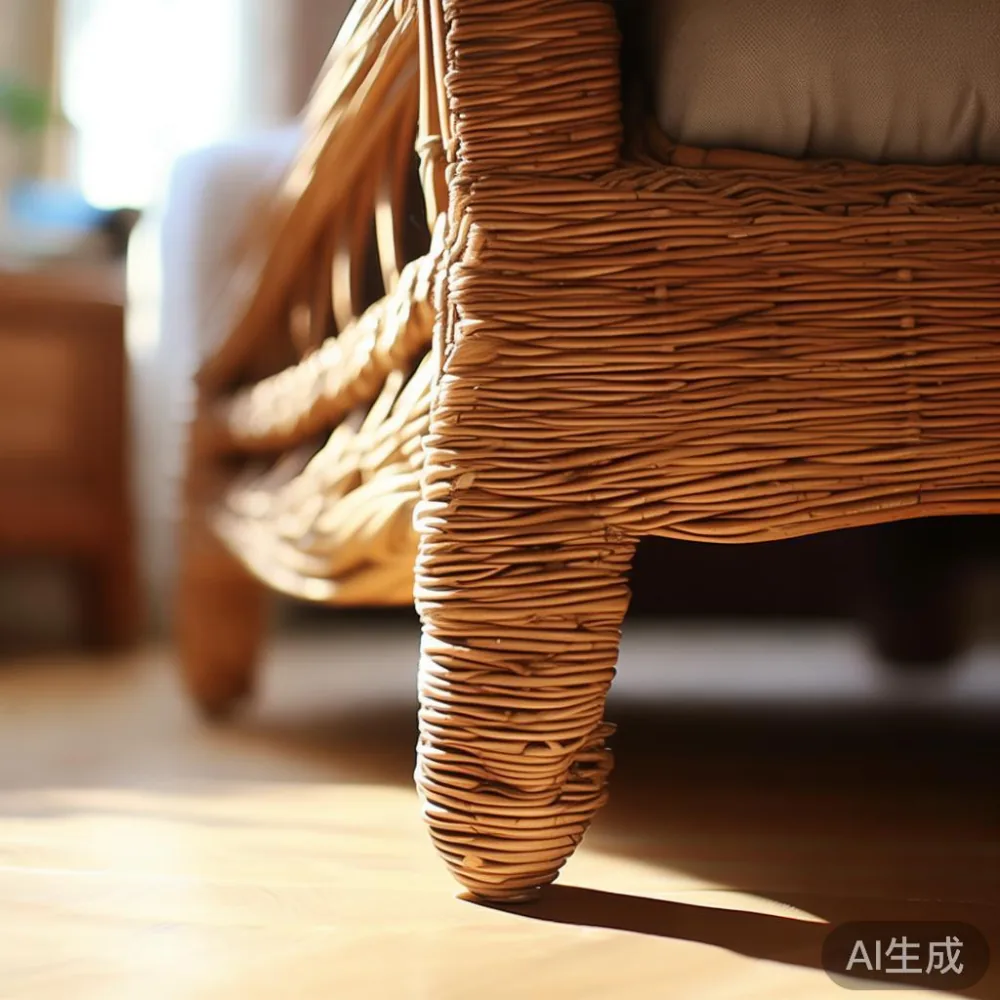
Rattan furniture adds another layer. The woven sections may be natural rattan, a treated rattan or a synthetic strand, while the supporting frame can be solid wood, aluminium or a mixed construction. Natural rattan suits warm, dry interiors; treated rattan handles humidity more consistently. Buyers should ask for the frame species, panel thickness, load rating and care instructions rather than relying on the word “wood” alone.
For a bed frame, a 160 cm by 200 cm solid wood model at SGD 980 may reach SGD 1,046 over 5 years after maintenance and one hardware replacement. A veneer model at SGD 620 may total SGD 728 after edge and hardware repairs. A 160 cm by 200 cm mattress is not included, and the figures do not cover a mattress replacement.
Which material costs less to maintain in a Singapore home?
Maintenance spending depends on finish and placement more than on a universal material rule. A lacquered solid wood dining table may need one refinishing cycle in 5 years, costing about SGD 180 including labour. Veneer may need 2 smaller repairs at SGD 45 each, plus SGD 90 for careful patch work. The repair totals are similar, but solid wood can usually accept sanding and refinishing more readily.
For a wardrobe, the comparison includes a 120 cm wide, 210 cm high model with 2 doors and 5 storage sections. A solid wood wardrobe at SGD 1,280 has an estimated 5-year cost of SGD 1,408, including hinge adjustment, internal shelf work and a finish check. A veneer wardrobe at SGD 880 reaches SGD 1,002 after 3 repairs and replacement edge trim. A 3-door configuration with drawer boxes can add SGD 320 to SGD 560 before GST.
For a nightstand, a solid wood unit at SGD 220 may cost SGD 242 over 5 years, while a veneer unit at SGD 150 may cost SGD 174. The lower cost here is modest, but a nightstand must survive daily contact: a drawer, a lamp and perhaps a glass of water. Scratches become more noticeable on a high-gloss surface than on a textured rattan or matte timber finish.
Cleaning products also matter. Use a soft cloth, mild soap and water, and avoid soaking rattan. Keep indoor rattan furniture at least 30 cm from direct air-conditioning vents and 60 cm from balcony doors. Natural rattan should not be placed outdoors during Singapore’s frequent showers.
How does delivery and access affect the 5-year cost?
Access can erase part of the price difference. A Bedok HDB lift with an internal door width of 90 cm and a cabin depth of 130 cm may reject a packaged dining table wider than 82 cm. A Punggol condo corridor with a 105 cm turning corner may accept the sofa carton, yet block the solid wood bed frame if its boxed length exceeds 210 cm.
Assume delivery to the unit lobby, carrying to the lift and placing it in the living room. A standard Singapore surcharge starts at SGD 35 for the first item. Lift or doorstep handling can add SGD 20 per item, while a two-person carry above the third floor may add SGD 40. Above-floor delivery in a tower with parking restrictions can add SGD 60 to SGD 120.
The estimated costs here allow 8 to 14 delivery days for made-to-order pieces and 3 to 7 days for stocked or consolidated orders. If a replacement piece must be ordered after damage, allow another 7 to 21 days. A modular rattan sofa can be more practical in a narrow HDB corridor because its sections arrive separately, although more cartons increase handling time by about 15 minutes.
Measure the route before buying: door width, lift door, lift depth, corridor turns, stair width and the final bedroom doorway. Record the packaged dimensions, not only the product dimensions. For example, a 140 cm dining table may arrive in a 158 cm carton because of protective foam and corner protection.
Are there hidden costs when buying rattan furniture?
The largest hidden cost can be a replacement that does not fit. If a dining chair arm is damaged, a mismatched replacement may cost SGD 85 to SGD 140. If the original rattan colour has faded, a complete panel set can cost SGD 210 to SGD 420. Replacement is harder when the original frame is no longer in production.
Another cost is assembly. Flat-pack rattan furniture may save SGD 40 to SGD 90 per item, but can take 25 to 45 minutes to assemble. A solid wood dining table may need SGD 80 in carpentry labour because its legs and stretchers require careful alignment. If the owner does the work, the cash saving remains, but 1 to 2 hours of time should still be counted.
Warranty terms matter too. MIDHILL provides a 10-year structural warranty and lifetime refinishing on eligible solid wood products, subject to the stated terms and care requirements. That can reduce the expected cost of finish restoration. A lifetime refinishing policy is not the same as free replacement of every damaged component, so check whether labour, transport and material charges apply.
For larger purchases above US$350, MIDHILL offers free shipping, although the currency conversion, destination terms and taxes should be confirmed for the individual order. Singapore customers should still ask for the landed SGD amount, GST treatment and delivery inclusions in writing. Returns are accepted within 14 days under applicable conditions, which is useful for checking scale and access, though a used or assembled item may not qualify.
How do I choose the right finish for a 5-year plan?
Choose the finish based on the room’s light and the household’s habits. Pale oak, ash and warm rattan create an airy French light luxury mood, while walnut and darker stained frames lean toward American light luxury. A post-modern light luxury room can combine a sculptural marble table with rounded rattan seating and restrained timber lines.
If a European-inspired bedroom is the aim, the question “how to style European light luxury bed in bedroom?” is worth answering with proportion, texture and negative space rather than excessive decoration. A 160 cm bed frame with a 10 cm headboard works in many HDB bedrooms, leaving room for a 45 cm bedside passage.
Japanese-style and Japandi references deserve similar care. Searches for “how to choose Japanese bed” often focus on low profiles and clean lines, while “American bed vs Japandi bed” compares heavier visual presence with a lighter, more restrained form. Neither label should replace measurements. Check the floor clearance, bedside access and whether a centre drawer suits the available floor area.
Search terms such as “top 10 Rustic furniture” can also lead buyers toward heavy grain, dark fasteners and hand-hewn details. Those features suit some living rooms, but they do not automatically suit a compact HDB flat. The useful question is whether each surface will collect dust, whether children can reach sharp corners and whether the finish can be maintained.
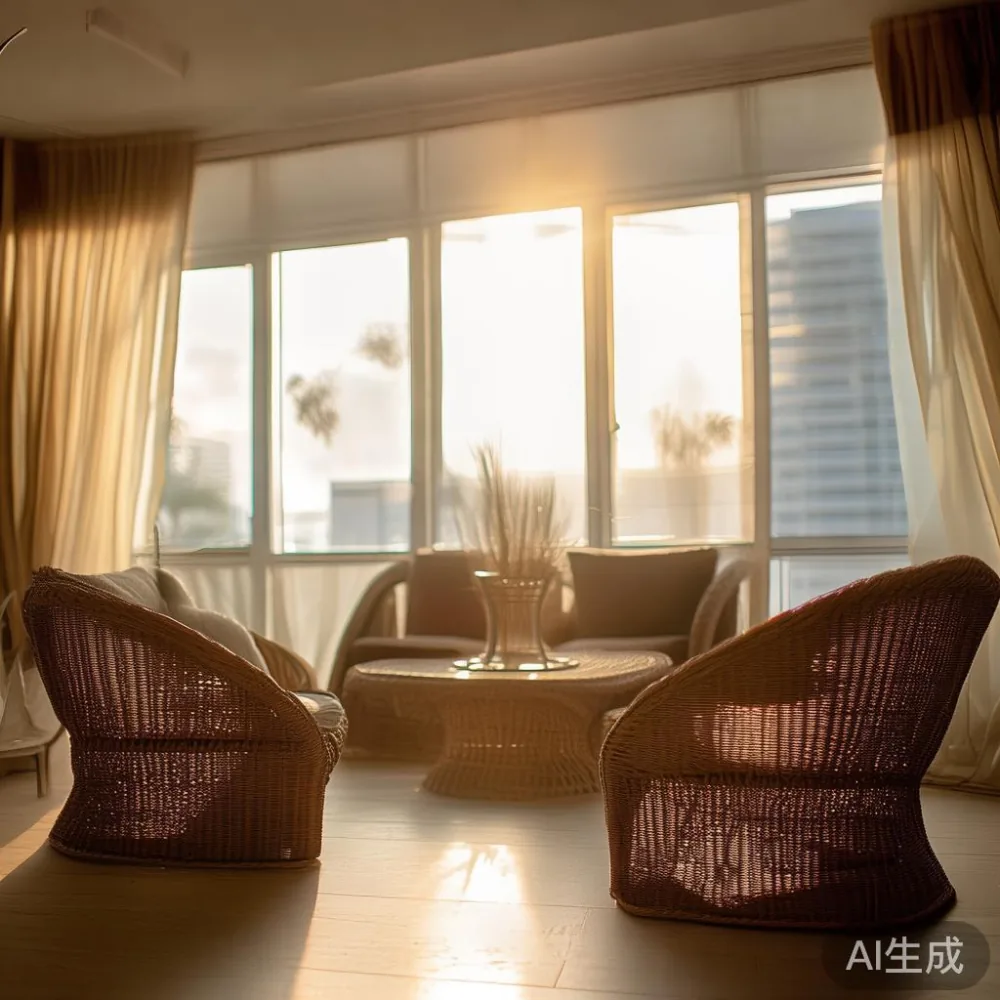
For a small living room, “Mid-century modern for small living room” layouts generally benefit from slim profiles and visual breathing room. A 160 cm rattan sofa can seat 2 or 3 people and may weigh 38 kg, compared with 58 kg for a deeper solid wood sofa. Lower weight can help with moving, but a narrow sofa should still have a stable frame and adequate seat support.
Marble requires its own budget. A marble table priced at SGD 980 may need an extra SGD 150 over 5 years for sealing and stain care. It can also add SGD 180 to SGD 300 for delivery if the carton weighs more than 45 kg. Sealed natural stone is practical for dining, but it should not be treated as an outdoor table in a balcony.
Which option fits different Singapore budgets?
A practical mid-range home may begin with one veneer dining table at SGD 1,080, one veneer wardrobe at SGD 880 and a rattan storage console at SGD 460. Their illustrative 5-year total is SGD 2,718. The same room specified in solid wood may begin at SGD 1,680 for the dining table, SGD 1,280 for the wardrobe and SGD 760 for the console, with an estimated 5-year total of SGD 3,872.
That is an SGD 1,154 difference before any differences in delivery or assembly. A family that keeps furniture for 8 to 12 years and values refinishing may accept the higher starting cost. A renter planning to move after 2 years may choose a lower starting cost and arrange careful transport, with an estimated moving or disposal cost of SGD 60 to SGD 180 per large item.
The financial comparison also changes when one option prevents a purchase. A sold-out wardrobe might require 8 weeks of waiting and temporary storage at SGD 80 to SGD 160. A modular alternative with two 60 cm sections may fit the corridor and arrive in 12 days. It can cost more initially, yet avoid storage and access charges.
Do not use web labels alone to judge value. “cheap Italian light luxury furniture” may describe a style, not a manufacturing method. Ask for wood species, plywood or solid timber construction, veneer thickness, rattan treatment, drawer boxes, hardware, finish and warranty coverage. A clear quotation should list the SGD item price, GST, delivery, assembly and any stair or lift charge separately.
What should a buyer ask before ordering?
Ask whether the rattan furniture is natural, treated or synthetic, and which parts are rattan. A dining table may have a solid wood base but a woven rattan inset; a bed frame may use timber slats with a rattan headboard. Identify every structural component before comparing it with an all-timber product.
Next, ask for measurable details: frame thickness, load rating, shelf span, drawer runner type, wall clearance and packaged dimensions. A dining table rated for 120 kg should have a stable joint system, not merely a broad top. A nightstand drawer should run on metal runners if frequent loading is expected. These details influence how the item feels after 5 years.
Finish care is equally important. Request sample photographs of the actual finish, plus instructions for water marks, heat and sunlight. Natural rattan generally needs a dry cloth and gentle vacuuming. Avoid steam cleaning, bleach and petroleum solvents. For solid wood, ask whether minor refinishing is available and whether the colour may shift over time.
Finally, confirm the timeline in writing. Allow 8 to 14 days for production and delivery, plus 7 to 21 days if a custom finish or replacement component is involved. For a practical selection, the strongest 5-year outcome is not simply veneer or solid wood; it is a piece that fits the route, suits the humidity, can be maintained and has support when repair is needed.