Impact of Humidity on Rattan Furniture in Southeast Asia
Humidity is a normal part of life in Singapore, yet it can quietly change the dimensions, joints and appearance of solid wood furniture. In a Tampines HDB flat, a dining table near an open balcony can encounter more moisture than a bed frame inside an air-conditioned bedroom. In a Punggol condo, rapid changes between corridor air and cooled living rooms can produce a different kind of stress. The material may be sound while the environment is unstable.
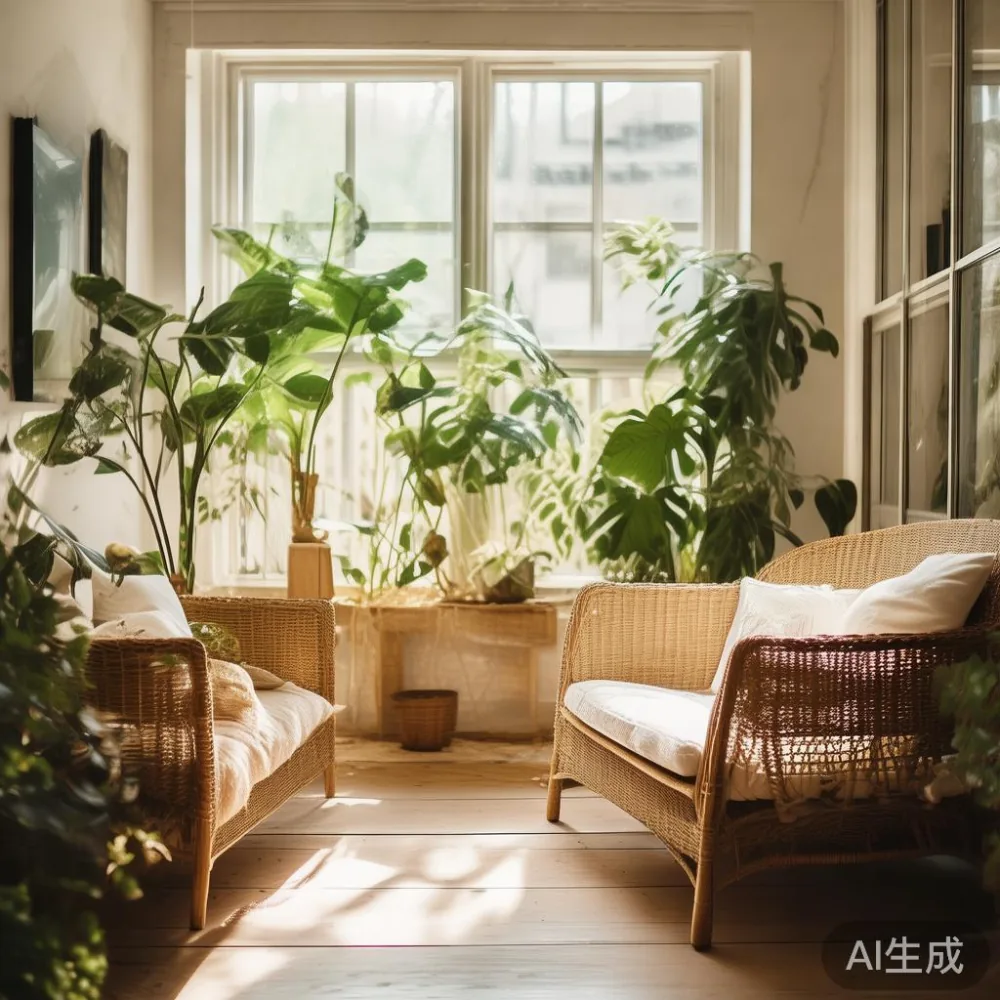
At MIDHILL, our approach is practical rather than alarmist. Solid wood expands and contracts as it absorbs and releases moisture, while rattan furniture responds differently depending on whether its frames are hardwood, rattan cane or mixed materials. Understanding those responses helps Singapore households choose suitable pieces, maintain them properly and avoid costly repairs.
This guide examines humidity around solid wood sofas, bed frames, dining tables, wardrobes, nightstands and marble tables. It also considers the confined layouts of HDB flats and condos, where narrow corridors, compact lifts and limited ventilation can affect delivery, placement and care. Prices mentioned here are in SGD and include the prevailing 9% GST unless stated otherwise.
What is the ideal humidity level for solid wood furniture in Singapore?
Most indoor solid wood furniture performs well at a relative humidity of about 40% to 60%. Singapore often sits above 60% during humid periods, especially at night or during monsoon rain. Short excursions beyond this range rarely ruin a well-made piece, but repeated wet-and-dry cycles can loosen joints, cause surface finishes to check and create small gaps around doors or drawer panels.
The target is stability, not one perfect number. A home maintained between 45% and 65% relative humidity is a sensible baseline. Keep at least 30 cm away from direct air-conditioner vents, and avoid placing furniture against cold exterior walls that collect condensation. A hygrometer is inexpensive, usually SGD 12 to SGD 35, and allows a household to identify problem rooms instead of treating every piece as though it were at risk.
For HDB flats, the placement of a solid wood sofa can matter as much as its wood species. A sofa close to a balcony door may see sharp humidity changes whenever the door opens. An air-conditioned bedroom is usually more stable, but its dehumidifier may lower humidity too aggressively if it runs continuously. Aim for roughly 45% to 60% rather than chasing an artificially dry room.
New pieces should acclimatise before they are treated as permanent fixtures. Remove protective packaging, leave the furniture in its intended room for 7 to 14 days and avoid tightening or adjusting components during that period. This lets the timber respond gradually to the local temperature and humidity.
How much does humidity change solid wood dimensions?
Wood is hygroscopic: it takes on moisture when the surrounding air is humid and loses it when the air becomes dry. Movement is greatest across the grain rather than along the grain. A solid wood dining table with a 180 cm by 90 cm top may show several millimetres of seasonal movement across its width. Small doors, drawer fronts and long panels can move enough to catch or reveal slight gaps.
That movement is not automatically a manufacturing fault. Solid wood is expected to move, and quality construction accommodates it. Joinery, finishes and movement should be evaluated together. For a bed frame, check the centre rail, slat support and leg joints at least twice in a year. For a wardrobe, inspect hinges, runners and vertical panels after unusually wet weeks.
Rotating or moving a piece does not reset its moisture history. Do not place a solid wood bed frame beneath a window that receives frequent rain, and do not position a dining table where tablecloths repeatedly touch a damp floor. If a marble table sits on the same floor as a humid balcony, inspect its underside and stone-to-frame fixings every 6 months, especially in an older HDB unit.
Humidity can also affect adhesives. High-quality joinery and controlled curing are important, but a frame kept in a persistently damp cupboard may still develop joint movement. Storage areas should be ventilated, dry and raised at least 5 cm above the floor. For long-term storage, wrap the furniture in breathable material rather than plastic pressed tightly against the wood.
Does rattan furniture react differently from solid wood?
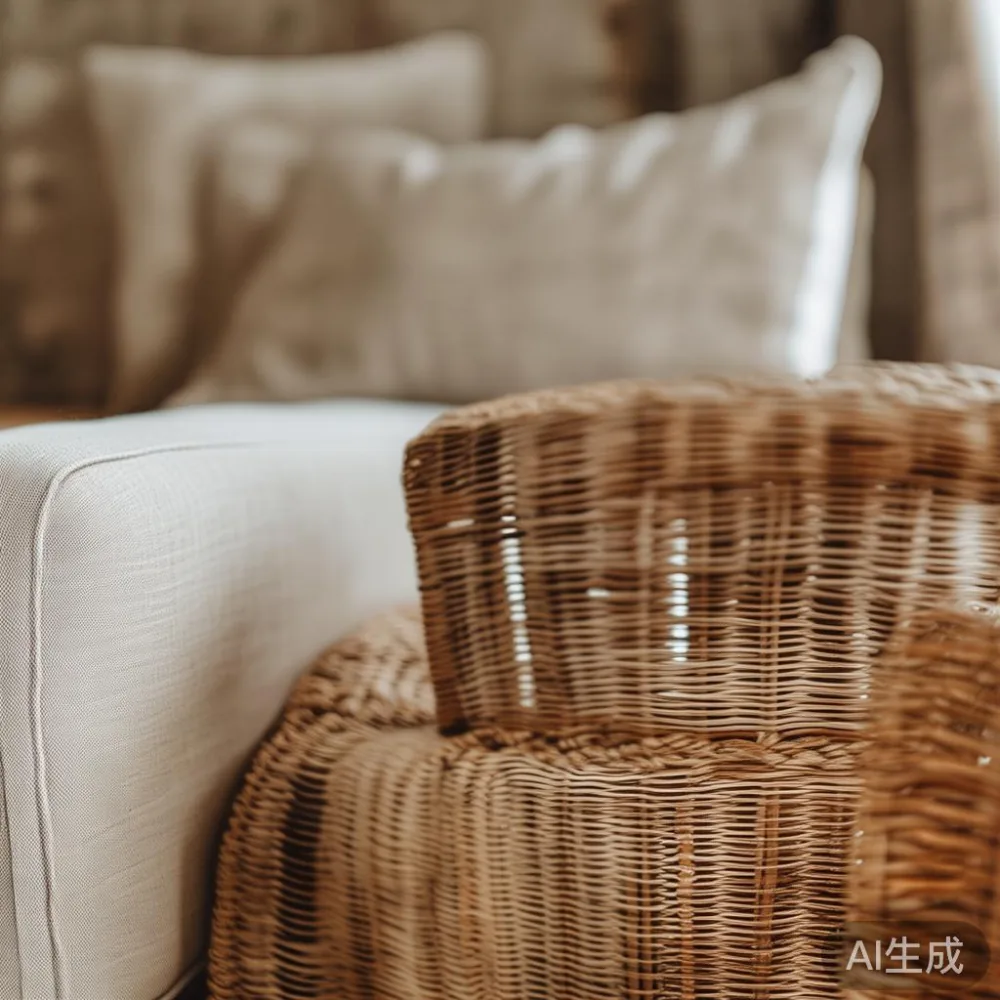
Yes. Rattan furniture combines a light, visually airy material with frames that may be hardwood, engineered wood or metal. The outer rattan fibres can become more pliable in humid air, while tightly woven sections may loosen slightly as they dry. Fine furniture makers control the weave tension and frame dimensions, yet homes still need to limit direct moisture exposure.
A rattan dining chair should not be repeatedly soaked by an open balcony door. Wipe it with a damp cloth and wring the cloth thoroughly; aim for a surface that feels only slightly moist. Avoid spraying cleaner directly onto the cane, and do not use a soaked brush. The aim is to clean the fibres without washing moisture into the joints.
Rattan furniture also benefits from airflow. A woven sofa placed against an exterior wall with 5 cm or less clearance may dry unevenly after rain. Leave 8 cm to 10 cm behind movable pieces where space allows. In a compact HDB living room, this may mean choosing a slim profile rather than forcing a wide rattan sofa against the wall.
For a mixed-material piece, treat each component according to its construction. Solid wood frames need gradual wiping and controlled indoor conditions. Rattan cane needs lighter moisture. Marble table tops need immediate drying and non-abrasive cleaning. Upholstery should be kept away from persistent dampness because wet foam and fabric can create odour and mould, even when the timber beneath is sound.
Which Singapore rooms create the greatest humidity risk?
Bathrooms and enclosed utility areas usually present the highest risk because warm air condenses on cooler surfaces. Kitchens can also experience repeated changes during cooking, although they are normally ventilated. Bedrooms generally pose less risk, particularly when air conditioning controls both temperature and humidity. Living rooms are more exposed to family activity, balcony doors and Singapore’s daily weather pattern.
In HDB estates such as Tampines and Bedok, older blocks may have corridors and service routes that are naturally damp. Avoid using a corridor as a temporary furniture store, especially during the 3-month Northeast Monsoon, when outdoor relative humidity can stay high for extended periods. In Punggol, newer condos often have sealed façades and strong air conditioning, but the contrast between a cool lobby and a warm, humid balcony can still affect furniture moved during renovation or cleaning.
Measure before placement rather than relying on a room label. Record the humidity near the floor and around the intended furniture position at 8 a.m. and 8 p.m. for 5 days. This simple check gives a useful reading pattern. If the difference exceeds 20 percentage points, address ventilation and placement before buying a large wardrobe or dining table.
How should Singapore buyers compare solid wood and rattan furniture?
Compare the complete construction, not just the visible surface. A solid wood sofa should have a stable hardwood frame, properly secured joints and a finish that can be maintained. A rattan sofa may use a less heavy frame because cane carries much of the visual and seated load. For a bed frame, confirm the slat spacing and centre support: slats should normally sit no more than 8 cm apart for common foam mattresses, while a centre rail adds support over longer spans.
For dining tables, check extension mechanisms, apron clearance and the stability of the legs under a 100 kg load. A dining table in a compact flat may need at least 75 cm of circulation space around its longest side and 90 cm between the table and a wall for chairs. Those figures are useful for avoiding a purchase that looks attractive in a showroom but crowds an HDB dining zone.
Wardrobes demand more careful measurement than most buyers expect. Allow at least 5 cm for uneven walls and up to 8 cm for door opening where hinged doors are used. Check whether the HDB corridor can accommodate the package: a flat-packed carton may be only 20 cm thick, while an assembled wardrobe could be 180 cm tall, 60 cm wide and 28 cm deep. The household should also compare the lift’s door and cabin dimensions with the packaged furniture before delivery.
Marble tables require a separate assessment. Natural stone can weigh between 40 kg and 90 kg, so adequate floor support and safe handling are more important than squeezing into the last few centimetres of a room. A solid wood dining table may weigh 45 kg to 75 kg depending on its size and timber. These are shipping and installation considerations as much as material issues.
Is Japanese sofa worth it for Singapore’s humid climate?
The question is Japanese sofa worth it depends on the frame, comfort requirements and care routine rather than a national style alone. Japanese-inspired seating often has a low profile and restrained visual language, which can suit an HDB flat with a ceiling height of 2.7 m. Its suitability still depends on stable joinery, breathable upholstery and protection from direct dampness.
For buyers comparing a Japanese sofa vs Modern sofa, consider the depth before the design. A modern sectional may provide more seating but require 230 cm to 280 cm of wall length, while a compact Japanese-style sofa may fit a 190 cm to 210 cm bay. Measure the lift, corridors and room before ordering. A piece that must be disassembled for transport should arrive with accessible screws and replacement fittings, not damage hidden beneath decorative panels.
Light-luxury positioning also needs to match practical maintenance. French light luxury typically emphasises softer forms and decorative detail; American light luxury often pairs clean lines with comfort; post-modern light luxury can introduce mixed materials and controlled contrast. A solid wood sofa with rattan furniture nearby may work well when finishes are coordinated, but each item should still suit its own room and humidity exposure.
When comparing a European light luxury sofa vs Italian light luxury sofa, assess cushion density, frame timber, cover removability and local servicing. Italian styling may suit a marble table and formal dining area, while European detailing may suit a warmer lounge. Neither climate label protects against humidity by itself. Use stable indoor conditions, sensible placement and regular care.
How should wood furniture be cleaned and maintained in a humid climate?
Begin with gentle, regular cleaning rather than heavy treatment. Dust with a soft cloth, then wipe solid wood with a lightly damp cloth and dry it immediately. Use pH-neutral cleaner suitable for the finish and test it on a concealed area first. Avoid silicone-heavy polishes, ammonia, abrasive pads and products that leave an oily film.
Water rings often appear after a glass or vase leaves moisture on a finish. Blot rather than rub, then allow the surface to dry. If a mark remains, consult the furniture supplier before using a compound or oil. Different lacquers, oils and waxes respond differently, and aggressive remedies can remove the original sheen.
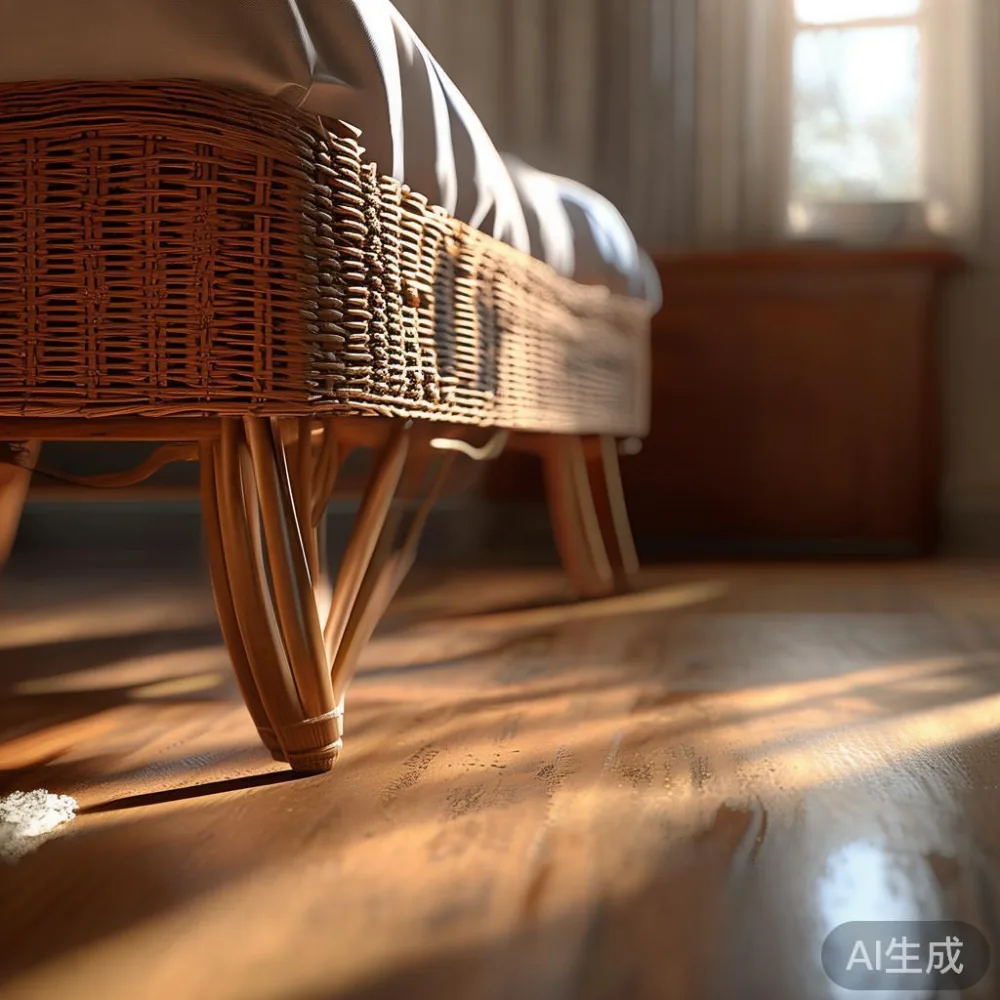
For rattan furniture, vacuum between the weave using a brush attachment and clean the frame with minimal moisture. Check the underside every 6 months for loose strands, darkened fibres or flattened joints. Do not pull a protruding fibre while it is wet; let the area dry and have it repaired if it affects the weave.
Solid wood bed frames and dining tables should be checked for movement, squeaks and loose fixings twice a year. Nightstands may need closer attention if placed beside an open bathroom. Wardrobes require an airflow check inside the cabinet and prompt removal of damp clothing. Marble tables should be sealed according to the stone supplier’s schedule, typically every 12 to 24 months depending on use, and spills should be removed within 5 minutes.
MIDHILL offers lifetime refinishing, which can help preserve the appearance of eligible solid wood pieces, but routine care still matters. The company also provides a 10-year structural warranty and free shipping on orders over US$350, equivalent to about SGD 470 before GST. Delivery timing and the final SGD invoice should be confirmed at checkout, with GST applied under Singapore rules.
How can narrow HDB corridors and condo lifts affect furniture delivery?
Humidity becomes irrelevant if a wardrobe cannot reach the flat. Measure the complete route before purchase: the van opening, parking area, block entrance, lift door, lift cabin, stair turns, corridor turns and the final doorway. A 10 cm error at a corridor corner can prevent access even when each individual opening is wide enough.
Compact HDB lifts commonly measure around 90 cm by 140 cm, though buildings vary. A marble table top, solid wood dining table or large bed frame may need sectional delivery. Ask for the carton dimensions rather than relying on the assembled dimensions. A wardrobe with knock-down panels may fit more easily, but the installer needs floor protection, access to assembly space and clear instructions.
For a condo, confirm loading-zone rules, reservation requirements and the maximum delivery duration. Some buildings allow furniture moves only between 10 a.m. and 4 p.m., or on designated weekends. Reserve the lift for at least 30 minutes if the building permits it. Corridors must remain clear for residents and emergency access, so a delivery should not block the route for more than the agreed movement period.
Buyers can also check access in person. Walk the route with a tape measure and record the narrowest point, the tightest turning radius and the lift door height. For shoppers asking where to buy dining table from MIDHILL, the relevant product page at www.midhill.co should be paired with a local access survey rather than a guess based on the product photo.
What should a humid-climate furniture warranty include?
Look for coverage of structural defects, joint failure, manufacturing faults and the components that are difficult for a buyer to inspect. It is useful to distinguish between a structural warranty and surface-finish care. A 10-year structural warranty signals confidence in the frame, yet it may not cover ordinary finish wear, accidental water exposure or movement caused by extreme dampness.
Returns and refinishing policies should also be clear. MIDHILL provides a 14-day return period, a 10-year structural warranty and lifetime refinishing on eligible products. Buyers should confirm whether a piece assembled in the home can be returned, how packaging must be handled, and whether a custom-size item is included. These details matter because a warehouse in Foshan and a home in Tampines or Bedok are separated by thousands of kilometres of transport.
Style comparisons are less useful than construction comparisons. A search for the best Boho wardrobe for 2026 should lead to a Boho wardrobe with suitable hinges, internal ventilation and dimensions that fit the room. Likewise, the best Japanese wardrobe for 2026 is not defined by a fashionable front alone. It should have stable runners, accessible storage and enough clearance from walls for doors and damp air to move.
Buyers seeking a refined rattan wardrobe should also confirm the frame material, rattan source, finish and repair support. A cabinet that combines solid wood framing with carefully woven panels may complement rattan furniture while offering useful storage for an HDB bedroom. Its location should be dry and ventilated, with a 5 cm gap from an external wall when possible.
What final checks should Singapore homeowners make before ordering?
Start with a humidity reading, then measure the route. Record the room’s 5-day humidity pattern, the narrowest delivery access and the furniture’s clear dimensions. Compare those figures with the product specification, including timber species, joinery, finish, weight, assembly method and warranty. Add 9% GST when calculating the local price in SGD.
For solid wood furniture, choose pieces that acknowledge natural movement. For rattan furniture, protect the weave from direct moisture and give it airflow. For a marble table, check the support, seal the stone and assign enough people or equipment for safe handling. For wardrobes, nightstands, dining tables, bed frames and sofas, allow suitable space around the piece rather than pushing every edge against a wall.
Good furniture can handle Singapore’s climate when the owner gives it stable conditions. The aim is not to eliminate humidity, which is part of the regional environment, but to reduce abrupt moisture changes and make care routine. That combination protects appearance, joints and service life while allowing solid wood and rattan furniture to retain their character for many years.