Humidity in Singapore and Your Wood Furniture: A Practical Guide for HDB and Condo Owners
I spent the first three days of last month's trip to Tampines crouched on the floor of a friend's new 4-room HDB resale flat, staring at the base of his brand-new solid wood bed frame. The grain on the ash veneer was starting to crown — that gentle, raised hump you see when wood swells faster on one face than the other. His dehumidifier was running 24/7, his windows were sealed, and the reading on his hygrometer still hovered around 78% RH. Singapore's humidity is not just weather; it is a permanent environmental condition that interacts with every piece of solid wood furniture in the home, and very few buyers are prepared for how specific the effects can be at 1°15′N latitude.
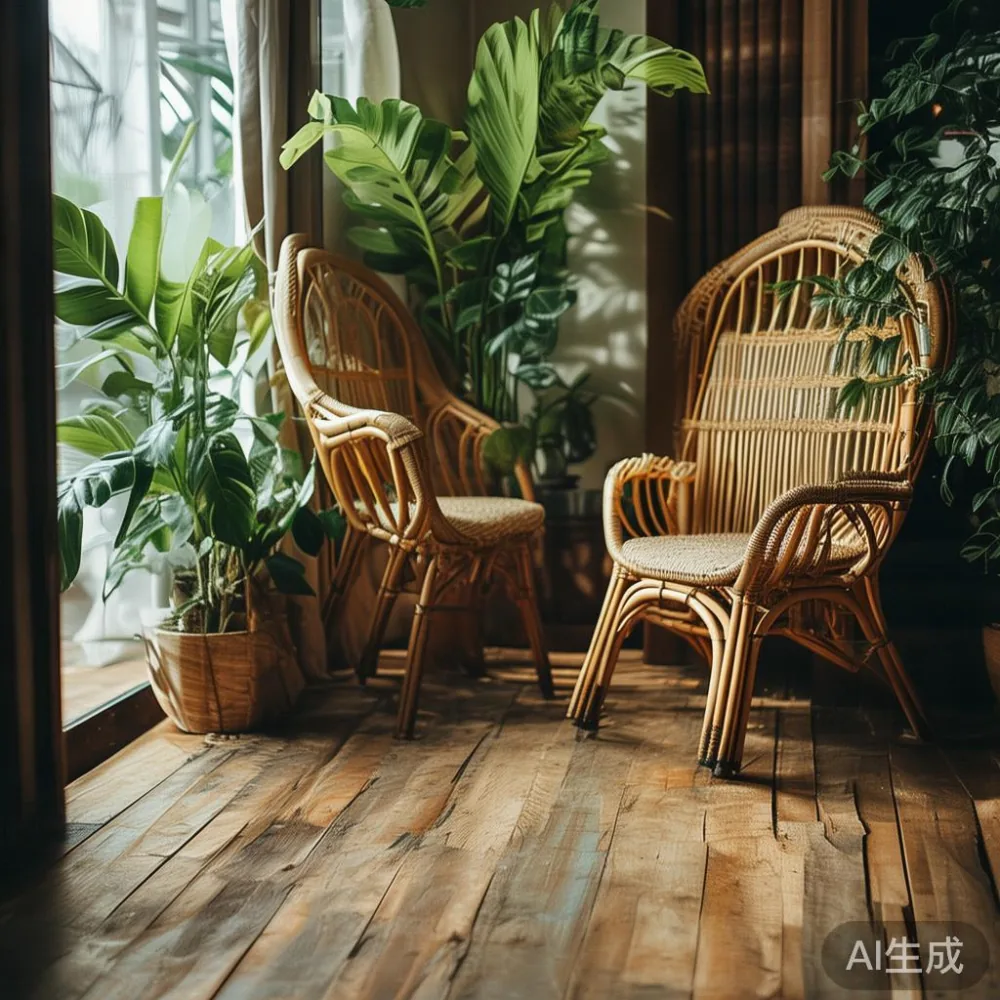
Working with a Foshan-based maker that ships rattan furniture and solid wood case goods into 15+ countries, including Singapore, Malaysia, and Thailand, has given me a front-row seat to what actually warps. Below is a field-tested guide written for residents of Tampines, Bedok, Punggol, and every other HDB town or 999-year condo where the air feels damp even in January.
What Singapore's Climate Does to Solid Wood — The Numbers That Matter
Singapore's mean relative humidity runs between 70% and 85% across the year, with overnight peaks that can hit 92% after a thunderstorm. Wood is hygroscopic: it absorbs and releases moisture until it reaches equilibrium with the surrounding air, a value called EMC (equilibrium moisture content). For a Singapore bedroom kept at 28°C and 78% RH, the EMC of most hardwoods — oak, ash, walnut, teak — sits between 14% and 16%. Compare that to a dry climate like Singapore's Changi weather records show in January (a "dry" month) versus what the same wood sees in a temperate Beijing or Frankfurt winter at 35% RH, where EMC drops to roughly 7–8%. That 7-percentage-point swing is the gap between a quiet nightstand and a cracked wardrobe door.
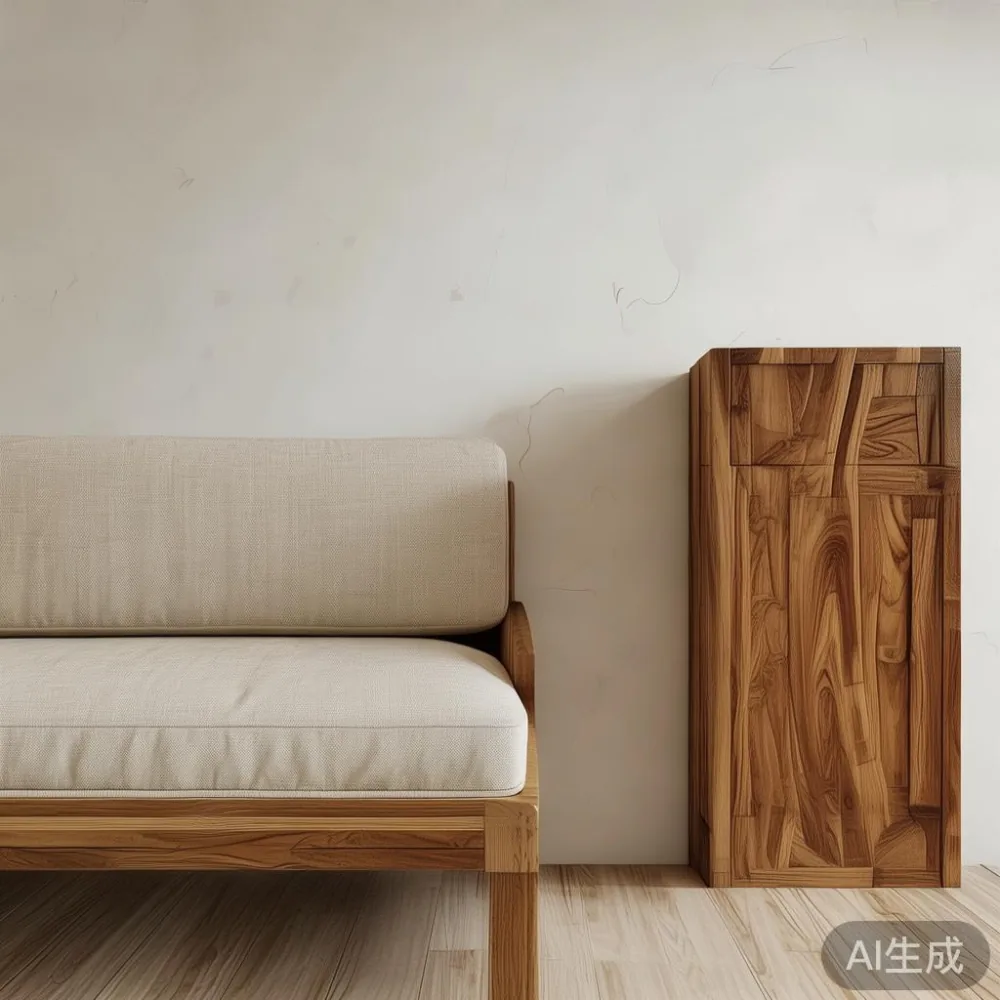
The most common visible effects inside local flats are:
• Crowned table tops on solid wood dining tables — typically 1.5–3 mm of rise across a 180 cm panel.
• Sticking drawers on bedside cabinets and wardrobes, especially drawers wider than 50 cm.
• Hairline checks (small longitudinal cracks) on the underside of thick slabs, most often on marble table tops with wood bases where the wood core is hidden.
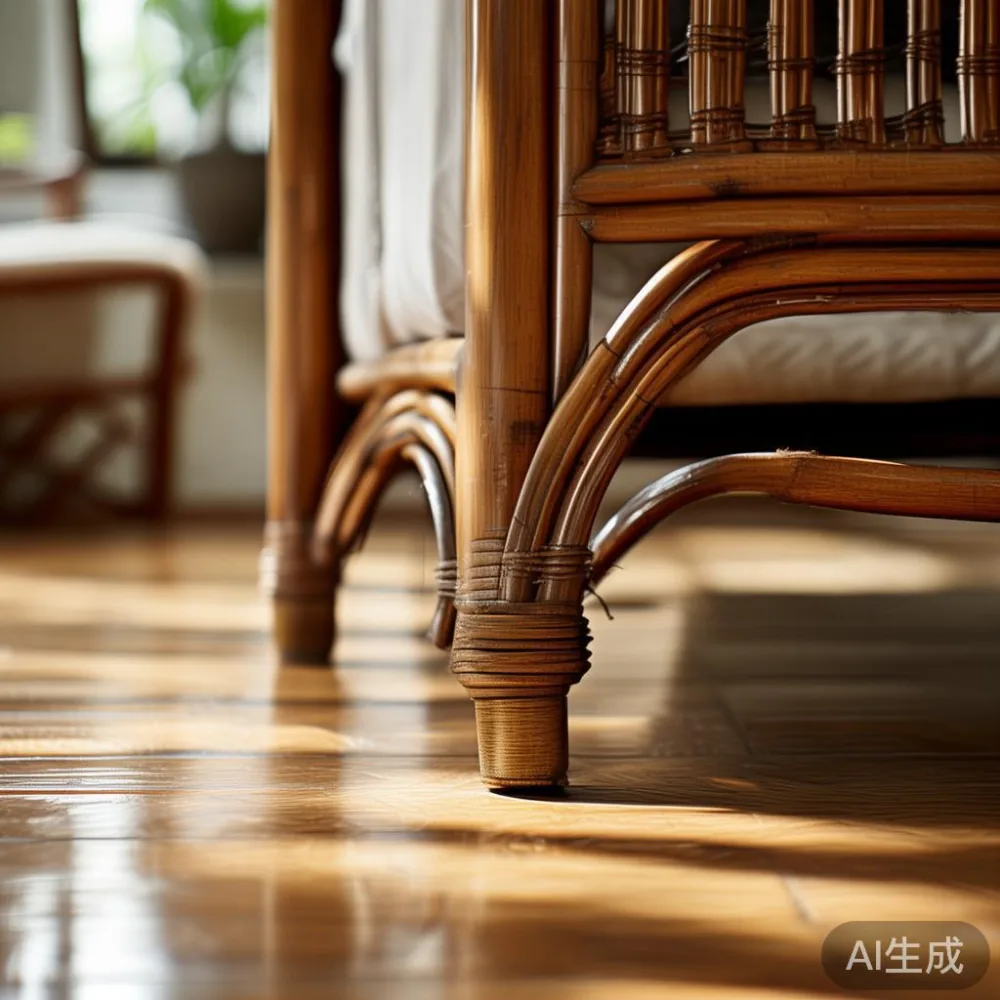
• Mold spotting on rattan furniture weaves within 6–12 months if the piece sits against an external wall with poor ventilation.
• Musty odor inside closed wardrobes — usually the first complaint owners raise.
In my colleague's Punggol condominium, a client reported the door of her MIDHILL light luxury wardrobe rubbing the frame after just 11 months. The wardrobe itself was fine; the HDB wall behind it had been wicking moisture through the plaster, raising the local RH behind the panel above 85% for hours every evening.
Why Condos and HDB Flats Behave Differently Than You Think
Buyers often assume a Punggol BTO with full air-conditioning is "climate-controlled." It is not. Air-conditioning dehumidifies only when it is running, and Singapore bedrooms cycle through 8–10 hours of compressor-off time every night. During that window, humidity rebounds quickly. Walls, curtains, mattresses, and solid wood furniture all act as moisture reservoirs, slowly releasing water vapour back into the room.
Condos at higher floors (25th+) in projects such as those around Punggol Digital District tend to have slightly lower ambient RH because of better air movement, but the temperature is in effect the same — 26–28°C. HDB resale flats in mature estates like Bedok and Tampines often have older window frames and less airtight doors, which paradoxically helps furniture breathe; the worst cases I have seen are in tightly sealed, newly renovated BTOs where the contractor packed every skirting with silicone and left no expansion gap at all.
Then there is the lift and corridor constraint. A 1.8 m solid wood wardrobe panel will not fit a standard HDB service lift (door opening typically 1.2 m wide × 2.1 m tall, cabin 1.5 m deep). Most Foshan exporters, MIDHILL included, will split a wardrobe into two 0.9 m panels for local delivery. Buyers should ask for the split diagram before paying the 9% GST and the SGD 120–280 white-glove delivery fee.
Is Solid Wood Really Better Than Plywood in a HDB Flat?
Yes — but with caveats that most showroom sales staff will not volunteer. Solid wood expands and contracts across the grain, but it does so predictably and can be designed for movement. Plywood and MDF, by contrast, absorb moisture mainly through the surface, which causes bubbling laminates, swollen edges, and irreversible sag on long shelves. A kiln-dried oak dining table with 12–14% moisture content will acclimatise to Singapore within 8–12 weeks and then behave predictably; an MDF-core table will look perfect on Day 1 and deteriorate by Month 18.
This is why MIDHILL specifies kiln-drying to 10–12% before container loading, with an extra 2-week rest period in a 60% RH warehouse before the box is sealed. It is also why the brand offers a 10-year structural warranty on frames and joinery, and lifetime refinishing on solid wood case goods — including sanding, re-staining, and topcoat renewal for pieces that have weathered 8–12 Singapore years.
Rattan furniture deserves a separate note here. Genuine rattan — the steamed and bent palm cane used in cabinet doors and headboards — is actually well-suited to Singapore because it is native to humid tropical Southeast Asia. The cane tolerates 60–90% RH without cracking. The risk is mold on the inner weaves, which is solvable with a quarterly wipe-down of a 1:4 white-vinegar-to-water solution and 30 minutes of midday ventilation.
How Should I Style a Japanese Sofa in a Humid HDB Living Room?
This is the most common styling question I receive from owners who have bought low-profile, ash-framed seating from a Foshan maker. The frame is the easy part: Japanese sofa frames are usually 82–90 cm deep and 75–85 cm high, so they fit a standard HDB living room (typically 3.2 m × 4.0 m for a 4-room flat) with 60–70 cm of walkway behind. The cushion is the hard part.
Go with removable, washable slipcovers in a quick-drying fabric such as a 60% linen / 40% cotton blend. Avoid closed-cell foam with a fully sealed stockinette cover; it traps moisture against the wood frame and can cause the underlying ash to darken within 18 months. Instead, ask for reticulated quick-dry foam (density 28–32 kg/m³) wrapped in a breathable cotton sleeve. Lift the cushions once a week and stand them vertically against a wall for an hour — a habit I picked up from a Bedok grandmother who has kept her Japanese sofa since 2018.
Place the sofa at least 15 cm away from any external wall. If you must push it close, leave a 2 cm gap at the back and slide a moisture-absorbing panel (calcium chloride or bamboo charcoal, replaced monthly) behind the frame. This single step has saved more of my clients' pieces than any dehumidifier.
How to Choose a French Sofa Without Picking One That Will Sag in Two Years
"French" here refers to the light luxury silhouette — a low, rolled-arm, deep-cushion profile inspired by 1920s Parisian apartments, usually 220–260 cm wide for a 3-seater. The frame is the risk. Many light luxury pieces on the Singapore market use a softwood core wrapped in thin ash veneer to hit price points under SGD 2,800. In a 78% RH environment, the softwood core can absorb differential moisture through any drilled joinery hole, leading to a 2–3 mm crown across the backrest within the first year.
Ask for a 100% hardwood frame (beech, ash, or oak) with mortise-and-tenon joinery and corner blocks glued and screwed. For the suspension, eight-way hand-tied springs will outlast sinuous wire by 6–10 years in Singapore humidity, though they add SGD 600–900 to the price tag. Cushion cores should be down-wrapped foam (feather or microfibre over a 32 kg/m³ foam core) rather than 100% foam; the down breathes and recovers shape, while pure foam holds moisture in the seat pan.
Finishes matter as well. Conversion varnish and catalyzed lacquers resist moisture far better than wax or oil finishes, but they cannot be spot-repaired — a refinisher will need to sand the whole panel. MIDHILL stocks conversion-varnish-finished light luxury pieces with a lifetime refinishing commitment, which is one practical answer to the "how to choose a French sofa" question for owners who want both a low RH sensitivity and a finish that can be renewed every 10–12 years.
French Bed vs Modern Bed: Which Frame Handles Singapore Better?
The classic French bed frame — a tall, upholstered headboard, often 110–125 cm high, with a low-profile divan base and tapered ash legs — is among the most humid-tolerant bed formats sold in Singapore today. The upholstery sits away from the floor, the legs lift the base 18–22 cm for airflow, and the headboard is usually a plywood frame wrapped in foam and fabric, which tolerates RH swings better than exposed solid wood. A 1.8 m × 2.0 m king-size French bed in a kiln-dried ash frame, properly sealed on the underside, will sit happily in a Punggol master bedroom for 15+ years.
The modern bed — flat-panel headboard, platform base, often with under-bed storage drawers — is more vulnerable. The storage cavity is a moisture trap; without ventilation slots or a removable base panel, RH inside the cavity will run 5–8 points above room RH, leading to mold on the drawer floor and musty sheets. If you want storage, choose an Italian light luxury with storage design that uses a hydraulically lifted slatted base — the kind that lifts the entire mattress on gas struts — rather than fixed drawers. Lift-on air from the bedroom will at least equalise every time you access the storage, and the slats themselves can be replaced individually if one warps.
For the French bed vs Modern bed decision in Singapore humidity, my rule of thumb: choose French if your bedroom runs below 80% RH year-round (most Punggol and Tampines HDBs with daily AC); choose Modern only if it is lift-up storage, not drawer storage; and never place either bed against a wall with visible external condensation.
Japanese Sofa vs Nordic Sofa: Which Frame Lasts in a Condo?
Japanese frames are minimalist, with thin arms (6–10 cm), exposed ash or oak legs, and tight seat cushions. The exposed legs are a humidity advantage: you can see the base, you can clean under it, and any moisture wicking shows up immediately. Nordic frames — think full upholstery, plinth bases, hidden legs — hide problems. A Nordic sofa placed against an external wall in a Canberra Walk condo can develop a black mildew line along the back edge within 14 months, and the owner will not notice until the odor reaches the living room.
For longevity in the Japanese sofa vs Nordic sofa comparison, Japanese wins on inspection and repairability. Nordic wins on comfort and the full-wrapped look, but only if you commit to a 12-month professional cleaning cycle (SGD 180–260 per piece) and keep the sofa 20 cm from any wall.
Practical Humidity Control: A 7-Step Routine That Costs Under SGD 40/Month
1. Buy a calibrated hygrometer (SGD 18–25 from a local electronics chain). Place one in the living room and one inside each wardrobe. Target 50–60% RH; never let any room sit above 65% for more than 6 hours.
2. Run a dehumidifier in the bedroom for the first 8–12 weeks after delivery, then taper to 3 nights a week. A 12 L/day compressor unit costs around SGD 280 and uses about SGD 12/month in electricity at Singapore tariffs.
3. Wipe all rattan furniture weaves with a dry microfibre cloth every Sunday morning. Once a quarter, vacuum the inner weave with a brush attachment at low suction.
4. Keep wardrobe doors open for 20 minutes after every laundry load. A single load of dried laundry releases 1.5–2.0 L of water into the room.
5. Never place a solid wood dining table directly under an AC vent; the cold air falls, the warm humid air rises, and the differential across the table top will cause a 1–2 mm bow within 6 months.
6. For marble table tops, seal the underside of the stone (not just the top) with a penetrating sealer every 24 months. Moisture wicks up through the stone and corrodes the wood substrate from below.
7. Rotate wardrobe and nightstand contents every 6 months so air moves through the cavity. A tightly packed wardrobe is a stagnant, humid cavity — the worst possible environment for solid wood.
Frequently Asked Questions From Local Buyers
Does MIDHILL's warranty cover humidity-related damage?
The 10-year structural warranty covers joinery failure, frame cracking, and excessive warping (defined as more than 5 mm of crown across a 100 cm span). Surface mold, drawer swelling under 3 mm, and finish blushing from RH above 75% are considered maintenance items and are addressed under the lifetime refinishing service. Buyers in Tampines, Bedok, and Punggol can request a free on-site humidity assessment within 30 days of delivery; the technician carries a calibrated hygrometer and will photograph any baseline readings for warranty reference.
How Long Does Delivery Take and What Does It Cost?
From Foshan to Singapore, door-to-door delivery runs 18–24 days by sea plus 3–5 days for white-glove scheduling and installation. Free shipping applies to orders over US$350 (about SGD 480 at current rates); below that, shipping is SGD 280 flat. White-glove delivery, including lift-up to floor, full assembly, and packaging removal, is SGD 180 for HDB units and SGD 220 for condos. Returns within 14 days are accepted for unused pieces in original packaging; a 15% restocking fee applies to customised items.
Can a Marble Table Sit Outdoors on a Condo Balcony?
No. Singapore balcony humidity stays at 75–90% RH, and afternoon thunderstorms deliver direct water exposure. Marble tolerates this; the wood substrate beneath it does not. Even a covered balcony will see 3–5 mm of substrate swelling within 18 months. Keep marble tables indoors, at least 1 m from any open window.
Closing Notes for Buyers Comparing Showrooms
Three numbers to ask every showroom for, written down on the quote: kiln-dry moisture content (target 10–12%), frame timber species (target 100% hardwood, not "hardwood frame with plywood panels"), and finish type (target conversion varnish or catalyzed lacquer for kitchens and dining tables). If the salesperson cannot answer all three in writing, walk out. Singapore humidity punishes guesswork, and a solid wood bed frame, dining table, or wardrobe that survives 10 years here will outlast the same piece sold in London or Tokyo by a wide margin — but only if the spec is right from Day 1.
The local context matters. A solid wood sideboard from a Foshan maker who already services 15+ tropical and subtropical countries — a network that includes Southeast Asian distributors familiar with the Wuhan Lingzhan logistics corridor — is usually better calibrated for your Tampines flat than a Scandinavian brand that ships only into temperate climates. Light luxury styling works here, French silhouettes work here, Japanese minimalism works here. Humidity just requires that the frame under the fabric be specified for it.