How to Read a Furniture Warranty Without Getting Caught Out
I still remember last month standing outside a lift lobby in Tampines, scratching my head over a warranty booklet printed in seven-point font. The piece itself was lovely — a solid wood bed frame in warm walnut, about 180 cm wide, weighing close to 42 kg in its carton. The sales assistant in the Punggol showroom had been helpful, but the paperwork looked like it had been photocopied into a third life. My colleague eventually squinted through every clause with me, and we realised three things the brochure never said out loud. This article is the checklist we wish we had that afternoon.
Buying a sofa or a dining table in Singapore often comes down to trust. You walk past a 1.2 m wide lift, picture the 90 cm wide corridor, and ask yourself whether the piece you are about to spend SGD 2,400 on will actually survive the journey up, the humidity, and the next ten years of weekend dinners. A warranty is part of that trust — but only if you can read what is actually written. Below is a section-by-section guide, with the same questions I now ask in every showroom from Bedok to Jurong.
What does a furniture warranty actually cover?
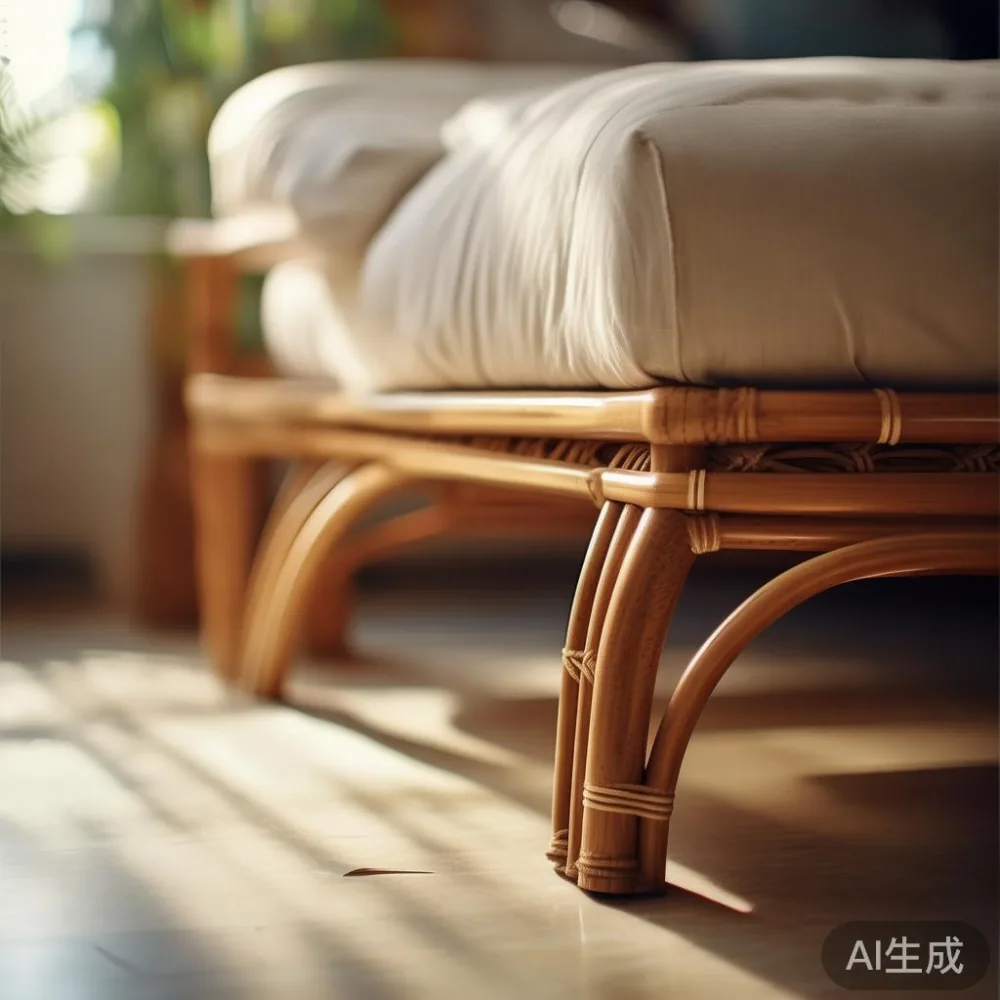
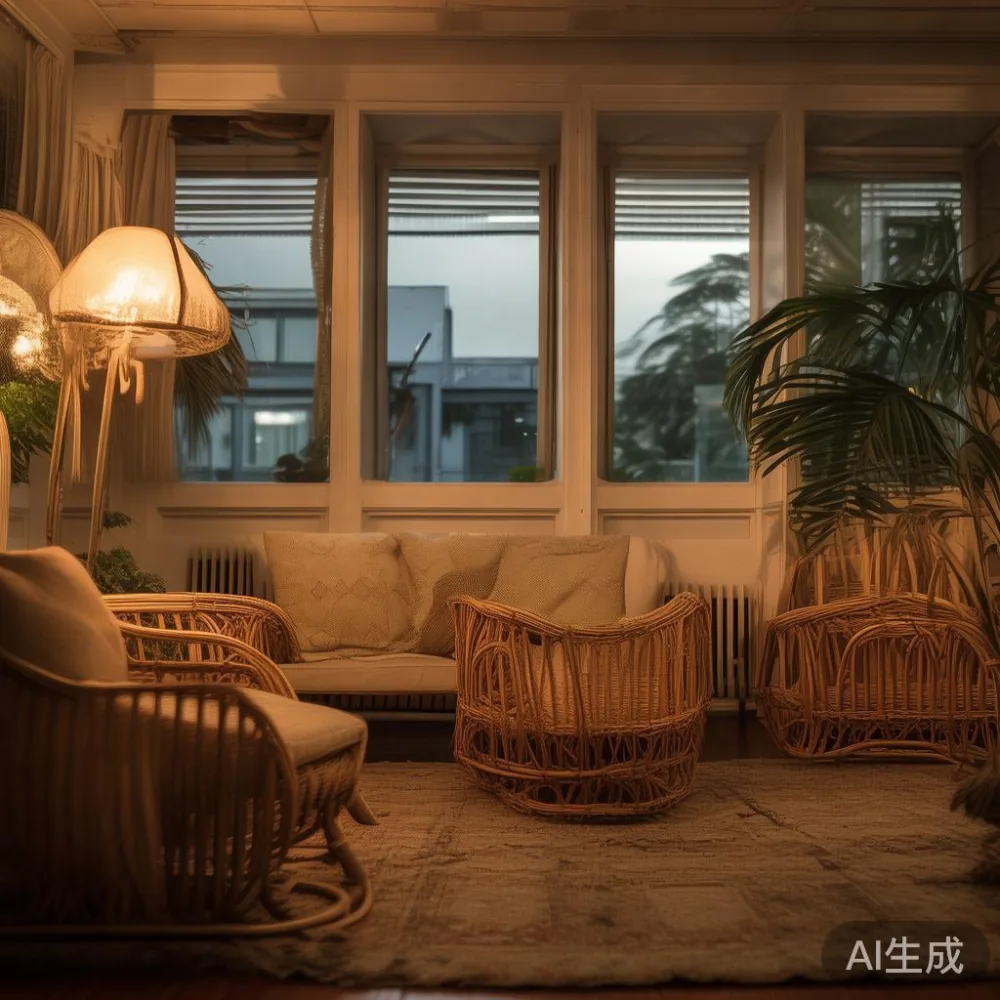
Most "structural" warranties cover the load-bearing frame: the rails of a solid wood bed frame, the apron under a dining table, the inner frame of a rattan sofa. They rarely cover the things that go wrong first. Upholstery fading, fabric pilling, slight sagging of seat cushions, minor joint separation caused by dry indoor air in an air-conditioned condo, and the inevitable wobble after a child has used the armchair as a trampoline are usually excluded. When I tested my own rattan armchair in a Tampines HDB, the supplier covered the bentwood frame for ten years but explicitly excluded "natural variations in rattan fibres and minor cracking under 3 mm" — which, once I read it again, is almost every rattan chair I have ever owned.
Two numbers to circle in red. First, the warranty length. Anything under three years on a structural claim is short for solid wood furniture; ten years is a serious commitment. Second, the geographic scope. Some Chinese factory warranties technically cover defects, but the cost of shipping a 35 kg replacement back to Foshan — even with free shipping over US$350 offered by brands such as MIDHILL — has to be set against the actual claim value. Always ask whether "on-site repair" is included in Singapore, or whether you ship it back.
Which accent chair fits a 4-room HDB living room?
A 4-room HDB living room in Tampines or Punggol typically measures between 18 m² and 22 m², and the corridor outside is 1.2 m wide with a lift car of about 1.1 m by 1.4 m, so the chair you choose must clear both.

Pick an accent chair no wider than 75 cm and no deeper than 80 cm, with a back height under 85 cm, so it can be tilted through a 90° lift entrance without dismantling. In a 4-room flat, an American light-luxury lounge chair in pale oak with a 70 cm seat and woven rattan back panel — something around the 65 cm to 70 cm seat width — leaves a 60 cm walkway behind it and still leaves room for a 180 cm three-seater sofa opposite. Anything taller than 90 cm will block the line of sight to the window, and anything wider than 80 cm will eat the space your dining table needs to breathe.
What fine print hides in the "terms and conditions" box?
Open the small print and three paragraphs will do most of the damage. Look for these phrases, because they change everything:
1. "Pro-rated replacement." This means in year three of a five-year warranty, the manufacturer pays 60 percent of the repair cost and you pay 40 percent. On a SGD 1,800 solid wood sofa, that can be a SGD 280 bill for a single broken slat.
2. "Original proof of purchase and original packaging required." Singapore HDB corridors are narrow; many buyers unpack at the door to get the box inside. Lose the carton, lose the warranty. Keep the carton flat, or photograph the labels and SKU for at least three years.
3. "Excludes damage from humidity above 75 percent RH or below 30 percent RH." Singapore averages 80 to 85 percent RH outdoors, and air-conditioned bedrooms can drop below 35 percent RH overnight. A clause worded this way technically voids coverage for almost any home here. Brands aware of the local climate, including MIDHILL, often soften the language to "damage caused by direct water exposure" instead — a small but important wording difference.
Watch for hidden warranty fees too. A "claim inspection fee" of SGD 45 to SGD 80 is common, and is forfeited if the claim is rejected. Ask whether the fee is refunded when the claim is upheld.
How long should a warranty last for solid wood furniture?
Ten years is the figure I look for, and it is the same benchmark offered by established Foshan makers exporting to 15 or more countries. The reason is mechanical, not marketing. Solid wood furniture — a bed frame, a wardrobe, a 2.1 m dining table in ash or walnut — moves with humidity. Joints open and close by 1 mm to 2 mm a season. A two-year warranty ends just as the first real stress cycle finishes; a ten-year warranty has lived through at least ten full cycles and still has credibility.
Be specific about what the ten years cover. Ask whether the warranty covers:
• Joint separation wider than 3 mm in the bed frame rails. • Cracks longer than 5 cm in the wardrobe side panels. • Sagging above 8 mm in a dining table apron under a 30 kg static load (about the weight of a leaning adult). • Excessive warping on a marble table top — usually defined as more than 4 mm deviation across 1 m.
If the salesperson cannot give you a written answer to those numbers, the warranty is shorter than the brochure suggests. Light-luxury post-modern design pieces — a French neoclassical dressing table Dubai clients often ask us about, for instance — sometimes carry a five-year frame warranty even though the supplier offers ten years on plainer solid wood ranges. The shorter period is usually tied to the more complex carvings or the bonded marble veneer, both of which need different testing.
Is lifetime refinishing actually lifetime?
"Lifetime refinishing" sounds generous, and in Singapore it genuinely helps, because air-conditioning and daily use will dull a satin lacquer within three to four years. A good refinishing clause should include:
• Pickup and redelivery within a stated radius (ideally door-to-door across Singapore, not just collection from a single point). • A clear definition of what counts as refinishing — sanding, re-lacquering, and re-staining — versus what counts as repair (filling cracks, replacing veneer). • A cap on the number of free refinishing events. Once every five years is fair; once every three years is generous. • A clause about which finishes can be matched. If your dining table was finished in a custom matte, the factory may need six to eight weeks to source the same stain.
I tested the refinishing promise on a 1.6 m solid wood nightstand from a Foshan supplier two years ago. The first collection was free, the sanding was clean, but the colour match was off by about 10 percent — visible only in raking morning light. The supplier redid it at no charge, which is the behaviour the warranty should produce. If the warranty does not mention re-doing the work at no charge when the colour match fails, treat it as a one-shot deal.
What about shipping, GST, and the 14-day return window?
Three local numbers worth pinning above your desk. First, free shipping thresholds: most Foshan direct exporters set the bar between US$350 and US$500, which at today's exchange rate sits between roughly SGD 480 and SGD 680. Below that threshold, expect a SGD 60 to SGD 120 delivery fee, plus a SGD 30 to SGD 80 lift surcharge if your block has no loading bay. Second, GST: at 9 percent, a SGD 2,400 dining table carries SGD 216 in tax, and any refund within the 14-day window must include that GST line, not just the sticker price. Third, the 14-day return clock usually starts on the delivery date, not the order date, but some brands start it on the invoice date. Read both dates.
A 14-day return is short for a piece of furniture you have only seen in a showroom. Within those 14 days, you need time to: unbox in the corridor, assemble, sit on it for a week, and arrange reverse logistics. Before you sign, confirm that returns are door-to-door, that the original carton is not mandatory (it almost always is), and that the refund is processed within seven to ten working days. A brand that promises 14-day returns but charges a 20 percent restocking fee has, in practice, given you an 11-day return.
Does the warranty travel with the furniture?
Often overlooked. If you move from a Punggol HDB to a Bedok condo, or from a Tampines flat to a landed property in the east, the warranty usually transfers as long as the new owner can show the original receipt. Some brands register the warranty under the buyer's name and email; others register it to the SKU. Photo-register your receipt, the serial number on the underside of the dining table, and the batch number on the rattan furniture cartons. Without those three pieces of evidence, a five-year claim can turn into a polite decline.
A short checklist I now keep on my phone before signing anything for rattan furniture, solid wood sofa frames, or a French light-luxury accent chair: >
1. Structural warranty length in years, in writing. 2. What is excluded: fabric, foam, rattan fibres, finish, marble veining. 3. Pro-rated or full replacement. 4. On-site repair or return-to-factory. 5. Original packaging required: yes or no. 6. Claim inspection fee amount, and whether it is refundable. 7. Pickup and redelivery coverage for refinishing. 8. Return window start date (delivery vs invoice). 9. Warranty transfer policy on resale. 10. Local contact in Singapore — a WhatsApp number, not just an email.
Walk in with that list, and the conversation changes from sales pitch to specification. The piece of rattan furniture you bring home will outlast three or four HDB leases if the warranty behind it is read properly — and that is the point. The paper is part of the product.