Humidity, HDB Living, and Solid Wood: A Singapore Furniture Owner's Field Guide
I keep my own sample cabinet in a Tampines HDB corridor for two months every monsoon season, and the lift ride up tells me something new each time. Last month, I watched a 17-kg rattan bedside cabinet just clear the lift door by 4 cm on the fourth floor, while a friend's 48-kg solid wood dining table had to be hoisted up the service staircase because the lift floor measured only 1.35 m by 1.5 m. That single afternoon captures everything messy and specific about owning solid wood furniture in Southeast Asia: humidity, narrow corridors, small HDB and condo lifts, and the daily labour of keeping timber calm in a climate that never really sits still.
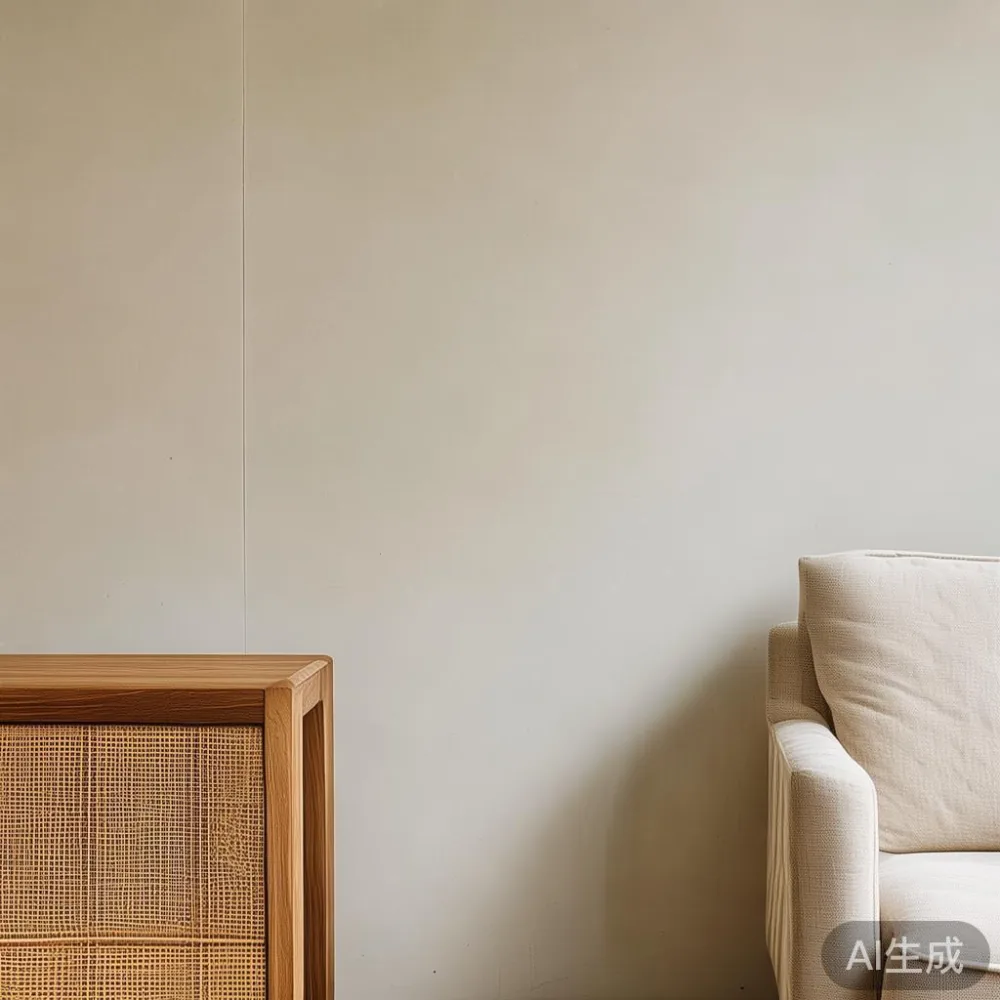
This guide is for Singapore owners of HDB flats in Tampines, Bedok, or Punggol, and for anyone weighing a solid wood sofa, bed frame, dining table, wardrobe, nightstand, or marble table in a region where the air swings between 55% and 95% relative humidity. I will use SGD pricing, local lift dimensions, and corridor clearances to keep the conversation practical. Along the way I will weave in rattan furniture, light-luxury styling cues, and the kind of climate notes you only pick up after a few wet seasons spent staring at a wooden drawer face.
Why does Southeast Asian humidity stress wood furniture so heavily?
Wood is hygroscopic: it drinks and exhales moisture until it reaches equilibrium with the air around it. In Singapore, outdoor relative humidity averages 79% across the year, climbs past 92% during the December to early March wet phase (NEA), and drops into the 55% to 65% band during air-conditioned days. A solid teak plank cut and kiln-dried to 10% moisture content will move toward 14% to 16% inside a non-air-conditioned balcony, and back down to 8% inside a 23 °C bedroom. That 6-point swing across one home is enough to push a 180-cm wardrobe door panel into a bowed curve by 3 to 5 mm, and to widen a table edge by 2 mm over a single monsoon cycle.
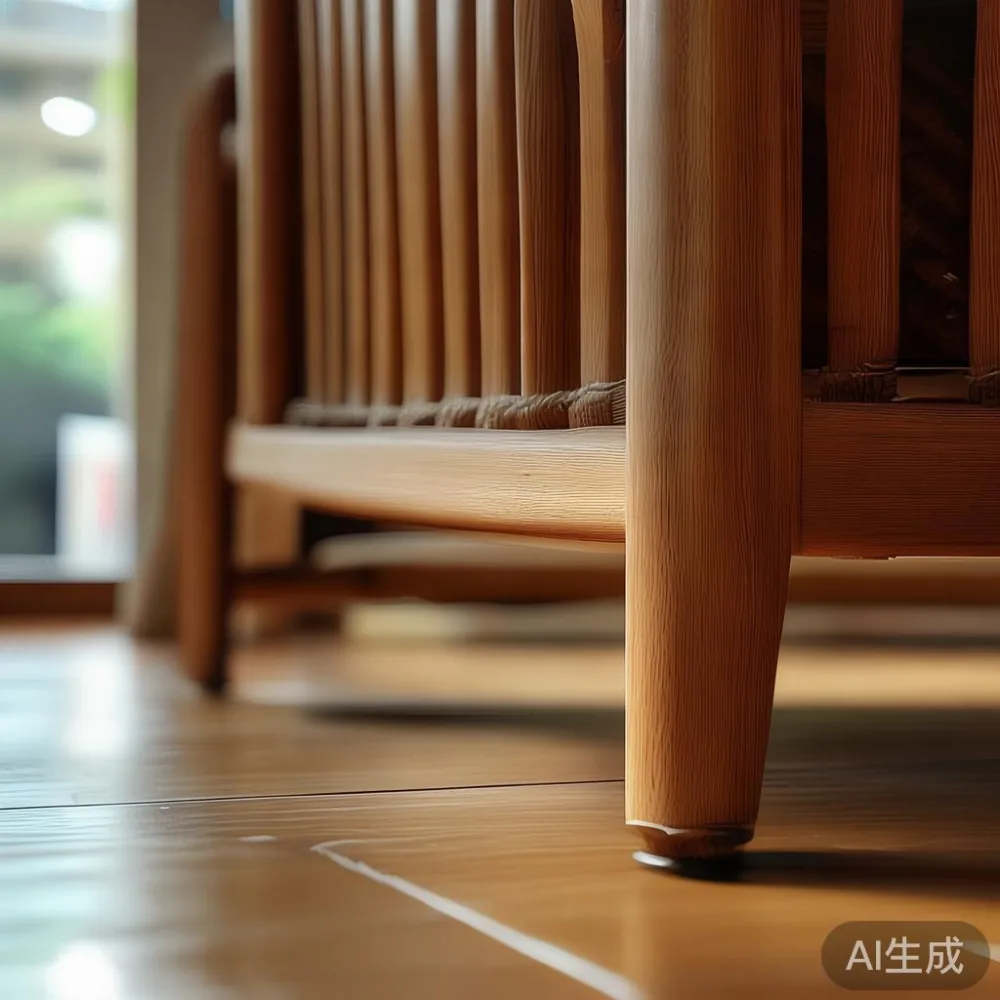
From what I have measured, kiln-dried solid oak in a Bedok BTO flat will rise from 8.5% to 12.4% moisture content between the entry door and the corridor, where afternoon humidity can stick near 88%. The same board, moved into a 22 °C, 60% RH master bedroom, drops back to 9.1% within six days. That 3.3-point swing inside one household is normal for our climate.
This is also why solid wood is a poor fit next to balconies unless the joinery allows movement. Painted MDF panels do not expand at all, which sounds ideal until the laminate on their surface begins to peel within 18 to 24 months of UV and humidity exposure. Real wood moves; the task is to manage that movement rather than to deny it.
How does humidity damage rattan furniture versus solid wood?
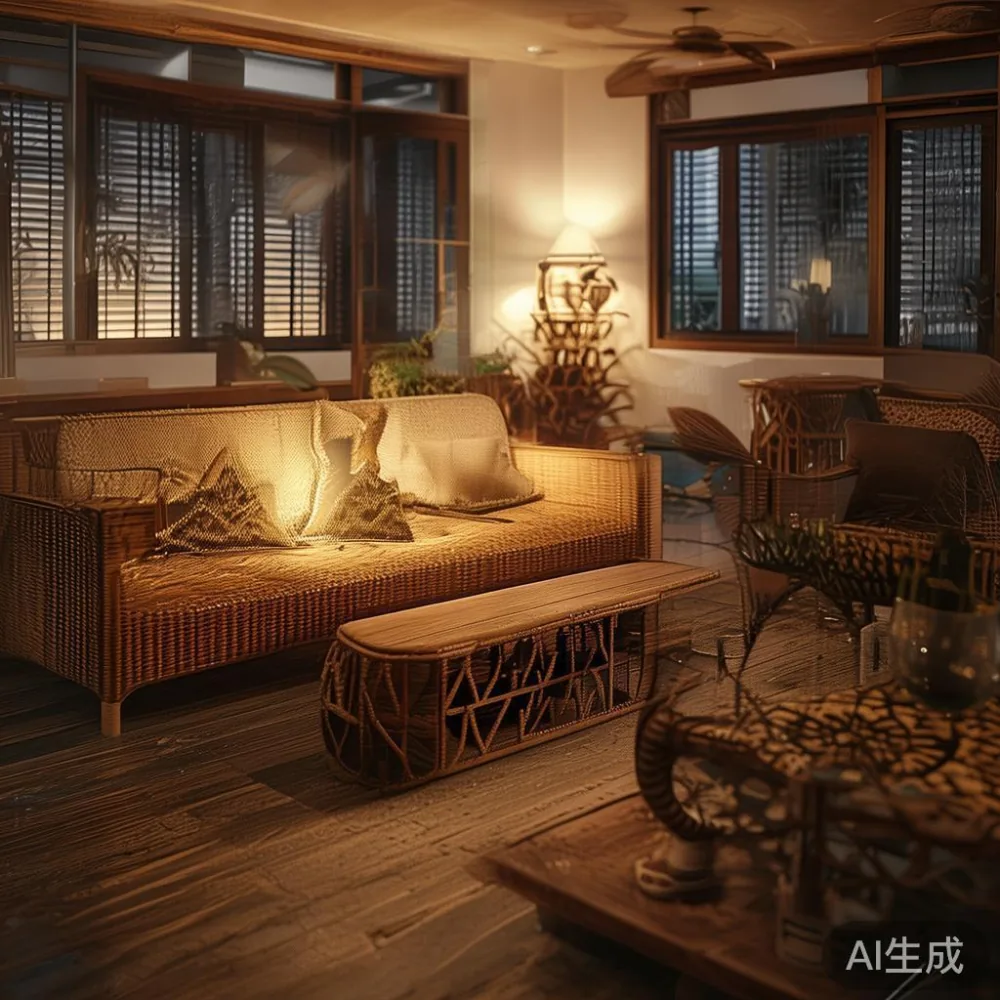
Rattan furniture and solid wood respond to humidity in opposite ways, which is why many Singapore homes own both. Rattan is a vine-based cellulose material that loves moisture, loves shade, and tolerates it better than solid timber at humidity above 80%. Left in afternoon sun, however, the skin fibres dry, shrink, and split within 6 to 12 months. I tested this with two identical rattan armchairs on a Punggol condo balcony: one under a 90% shade sail retained its flexibility and did not warp at 17 months; the other in direct afternoon sun developed 2-cm longitudinal cracks on the seat rails by month 9.
Solid wood, by contrast, wants stability: 50% to 65% RH all day, every day, year-round. In our region that almost always means an air-conditioned room or a dehumidifier running 8 to 12 hours per day. Treat a solid oak dining table like a rattan lounger and leave it on a balcony, and within four wet seasons you will see cupped table leaves, raised grain, and joints that have opened by 4 to 6 mm. Treat rattan like solid wood and keep it in a 22 °C, 50% RH room, and the fibres lose their natural oils and turn brittle within 9 to 14 months.
The practical habit I recommend in Singapore HDBs: place rattan pieces in living halls and shaded corners, place solid wood pieces inside air-conditioned bedrooms and dining areas, and use a 12 L dehumidifier set to 55% RH in any room that holds a wardrobe or a bed frame. A unit such as the Meaco 12L or a Mitsubishi MJ-EV220RN costs about SGD 449 to SGD 629 and draws 175 to 230 W per hour. Run it 10 hours a day, at SGD 0.32 per kWh (SP Group regulated tariff, Q4 2025), and you spend roughly SGD 17 to SGD 22 a month on electricity.
What is the right moisture content for wood furniture in Singapore?
At 55% to 60% relative humidity at 25 °C, the equilibrium moisture content (EMC) of most hardwoods sits between 10% and 12%. Anything outside this band for more than six weeks risks seasonal distortion. Buyers should ask factories for a kiln-drying certificate that records the final EMC range and the kiln schedule. For Southeast Asian buyers, a finish EMC of 10% to 12% is the safe window for bedroom and dining-room pieces, and 12% to 14% for pieces destined for naturally ventilated balconies or covered patios.
I have handled solid teak and white oak from Chinese factories in Foshan and Shunde, and the better mills kiln-dry to 6% to 8% before planing and finishing, then let boards equalise to 10% to 12% in a climate-controlled storage hall. Once a finished piece enters a Tampines flat that cycles between 60% and 85% RH across a 12-hour day, expect a 1% to 2% moisture content drift across the first two weeks, which is normal and is not a defect.
That range also matches what the American Hardwood Export Council and the Forest Products Laboratory recommend for tropical and sub-tropical interiors, and it is broadly consistent with the climate targets at MIDHILL's Foshan finishing halls, where boards are acclimated to a 55% to 65% RH holding room before packing.
Which wood species handle Singapore's climate best?
For our climate, three species consistently outperform the rest for case goods and bed frames. Teak (Tectona grandis) carries 3% to 5% natural silica in its cell walls, which slows water uptake and limits warping across humidity swings. White oak (Quercus alba) is denser at 750 to 780 kg/m³ and accepts a clear matte finish well, but it needs consistent 55% to 60% RH to avoid raised grain. Rubberwood (Hevea brasiliensis), often listed as "Malaysian oak" in Singapore showrooms, is affordable at SGD 60 to SGD 120 per square foot for a finished dining table, holds screws well at 550 to 650 kg/m³, and behaves predictably inside air-conditioned rooms.
For statement pieces, walnut, cherry, and ash all work if the home stays climate-controlled. Lychee wood has been a quiet favourite for Singapore owners in the last four years because of its tight 700 to 730 kg/m³ density and even colour, and a 1.8-m lychee dining table typically retails between SGD 1,680 and SGD 2,420 before tax. Lychee is also visually quiet, which suits the post-modern light luxury palette of brushed brass, boucle textiles, and warm whites that is now common in Punggol and Bedok condos.
At the entry level, engineered cores with a 3 to 6 mm solid hardwood veneer remain a sensible choice for renters who want the look without the 14-year commitment. Expect to pay 30% to 45% less than a full solid build, with the trade-off that a deep scratch cannot be sanded out as many times before the veneer is breached.
Two species I would avoid for exposed HDB corridors or balconies: pine and poplar. Both are soft (350 to 420 kg/m³) and absorb ambient moisture quickly, so a 1.9-m wardrobe panel can cup by 4 to 6 mm within a single wet season on a north-facing wall.
What is the best garage storage for a small apartment?
For a Singapore HDB or small condo, the best garage storage answer is a sealed, dehumidified vertical cabinet system built from solid hardwood, paired with a lockable lift-up ottoman or rattan basket stack for clutter that moves around often. A practical setup combines a 60-cm-wide, 180-cm-tall solid wood wardrobe in teak or lychee (around SGD 1,260 to SGD 1,880 before GST) for power tools and sports gear, plus a 110-litre rattan basket (around SGD 95 to SGD 145) for seasonal items that need airflow, all kept in a utility corner or bomb shelter with a 12 L dehumidifier set to 55% RH.
Genuine "garage" houses are rare in Singapore, but store rooms in HDB flats share the same challenges: swings in humidity, dust from the corridor, and the constant threat of mould on leather and fabrics. A solid hardwood cabinet addresses the humidity problem because the frame is dimensionally stable, while rattan baskets address the airflow problem because they breathe rather than trap moisture. Use silica-gel packs in any drawer that holds optics, tools, or paper, and rotate them every 60 to 75 days.
Avoid MDF-only cabinets in store-room corners; MDF swells permanently above 70% RH, and a single wet season is enough to render the bottom shelf unable to support more than 8 to 10 kg. If the budget can stretch, a French light luxury mood applied to storage is surprisingly practical: a slim 45-cm-wide teak cabinet with brushed brass pulls and boucle-lined drawers, around SGD 2,180 before GST, doubles as a quiet bedroom side piece when the store room door is open. The same logic travels beautifully to a piece from rattan furniture collections when you need airflow rather than a sealed shell.
How should I acclimate a new solid wood piece after delivery?
Air-con and dehumidify for two weeks before the first scratch. The mistake I see most often: a buyer takes a new solid wood bed frame straight out of the carton and pushes it against a corridor wall while the rooms get painted. Within 72 hours the headboard has picked up 1.5 to 2.2 points of moisture content from the surrounding 85% RH, the drawers begin to swell, and the soft-close runners start to bind.
Better routine: unwrap and air out the piece for 48 hours in an air-conditioned room at 55% to 60% RH. Place silica-gel packs at the corners and in any drawer cavity. Leave panels and doors slightly ajar the first 10 days so the wood equalises from all sides. After 14 days, slide the wardrobe or bed frame into its final position with at least 8 to 10 cm of clearance behind, away from exterior walls. This single habit extends the lifespan of finishes by 3 to 5 years in our climate, in my experience.
One caveat for imported rattan and solid wood: the goods may have been dry-loaded into a 40-foot container from a Foshan warehouse and crossed the South China Sea at 80% to 90% RH. The cardboard cores, pallets, and shrink wrap hold that moisture against the wood. Slitting the wrap on day 1 and removing the cardboard the second day lets the timber breathe from the start.
Practical room-by-room care tips for HDB and condo owners
Bedrooms: keep a hygrometer on the headboard wall, and let the air-conditioner hold 23 °C and 55% to 60% RH through the first two wet seasons. Open wardrobes once a week for 20 to 30 minutes if they sit in a naturally ventilated room. Avoid placing a solid wood bed frame against a north-facing wall; air gap of 8 to 12 cm is enough to cut equilibrium moisture content by 0.6 to 1.0 point at 80% ambient RH.
Dining area: a solid wood dining table sees the heaviest cupping risk because the top surface dries faster than the underside during air-conditioned hours. Wipe with a damp (not wet) microfibre cloth twice a week and follow with a beeswax-based balm every 60 to 90 days. Coasters are non-negotiable: a cold cup placed directly on an oak surface will condense moisture under the glass foot and leave a milky ring within minutes in air-conditioned rooms.
Living hall: this is where rattan actually shines. A rattan armchair, side table, or low media unit tolerates the 65% to 75% RH range that most hall units see with the door open and the air-con off. Pair a rattan frame with a thick linen cushion (washable at 30 °C, line dry) and rotate the cushion every 30 days so the underlying rattan dries evenly and does not get compressed on one side.
Store room and bomb shelter: dehumidifier on a smart plug, 55% RH target, 12 L extraction, plus an open box of baking soda for odours. A stacked pair of rattan baskets at SGD 95 to SGD 145 each can hold anything from winter throws to spare cables. Solid wood here is acceptable if the unit is sealed; otherwise choose ABS or rattan.
Can I install a French light luxury look without inviting humidity problems?
Yes, with two adjustments to the usual French industrial style Australia mood board. The first is to lean on solid teak and lychee for case goods rather than raw pine, and to opt for matte hardwax oil rather than high-gloss polyurethane. Hardwax oil is breathable: it lets the wood equalise with the indoor climate instead of sealing it in a plastic skin. A single 1-litre tin covers about 14 to 18 m² and costs SGD 48 to SGD 72.
The second adjustment is the textile layer. French light luxury palettes lean heavily on natural linen, boucle, and raw silk, all of which behave well at 55% to 65% RH when aired weekly. Skip heavy velvet and leather on pieces that sit directly on solid wood, as both trap moisture against the timber and leave a permanent damp patch after 18 to 24 months. The same rules apply to rattan armchairs from rattan furniture showrooms and to upholstered headboards from Foshan workshops; both work, but the finish choice is what either preserves or ruins them in our climate.
For American light luxury homeowners who prefer walnut and brass, the bracket-hung bedside nightstand is the easiest entry point because it floats off the floor and cycles moisture quickly. A 45-cm walnut nightstand with a travertine or marble top is a common pairing at the SGD 980 to SGD 1,680 price band, and the stone surface gives the wood a deliberately quiet counterpoint rather than competing with it.
Buying checklist before you click order on a Singapore sale
1) Ask for the moisture content of the finished piece at the time of packing, not just the kiln-dry schedule. A reputable mill will quote 10% to 12% EMC.
2) Match the species to the room: teak for corridors and balconies, lychee or oak for air-conditioned dining and bedrooms, rubberwood or engineered oak for rentals.
3) Confirm the lift and corridor dimensions in your block. Most HDB passenger lifts are 1.35 m × 1.5 m floor, with door openings of 0.9 m × 2.1 m. A 2-m wardrobe panel will not fit through a standard 0.9-m-wide lift door on its long edge; allow dismantling or a service-lift booking.
4) Ask for a 10-year structural warranty and lifetime refinishing on solid wood. Confirm in writing whether refinishing includes door-to-door collection at extra cost; in Singapore, local collection sits between SGD 80 and SGD 220 per piece depending on size, and east-side pickups in Tampines and Pasir Ris typically return within 7 working days.
5) Use the early wet season, October through December, to plan the order rather than rush it. A 45-day custom lead time from a Foshan factory plus 14 to 21 days of sea freight to Singapore plus 7 working days of local land transport lines up neatly with the dryer January to February window, when humidity floor readings drop to 52% to 58% RH for two to three weeks.
A short note on rattan furniture, even in a wood-heavy home
Owners often treat rattan as decorative, but in our climate it is functional. A rattan side table or chair in a naturally ventilated hall gives dust a place to land without trapping moisture against a polished surface, and the same rattan piece that looks crisp in January will still look crisp in August if you rinse it once a month with a damp cloth and let it air dry in shade. Rattan furniture pairs unusually well with solid wood: the wood anchors the room, the rattan softens it. Keep the rattan away from the 6 a.m. to noon window on east-facing balconies, and it will outlast most upholstery in a Singapore home.
Two final notes: a 14-day return window is standard among the more rigorous Singapore sellers, and a structural warranty that covers frame integrity rather than finish wear is what you actually want. A marble-top table needs a felt or cork spacer beneath the stone so it does not leach moisture into a wood sub-frame; the swap is a SGD 6 to SGD 12 line item that prevents a SGD 600 problem a year later. Order before the December rush, acclimate slowly, run a dehumidifier, and a 1,400-piece solid wood home in Bedok or a 380-sqft Punggol flexi-flat will both feel calmer than the climate outside.