How Humidity in Southeast Asia Affects Wood Furniture
I live on the 12th floor of a Tampines HDB block, and last month I wiped down my oak dining table at 9 p.m. after a thunderstorm. The glass of cold water I had set down five minutes earlier had already left a pale ring on the surface. That ring is the whole story of this article: warm, wet air pushes moisture into unfinished or poorly sealed wood, and warm, dry air pulls it back out. In Singapore, the annual relative humidity sits between 70% and 85% for most of the year, and indoor humidity in many HDB flats and condos rarely drops below 65% once the air-conditioner turns off. If you are choosing a solid wood sofa frame, a bed frame, a dining table, a wardrobe, or a nightstand for a home here, you are in effect choosing how that piece will behave in a small, sealed box of humid air for the next ten to fifteen years.
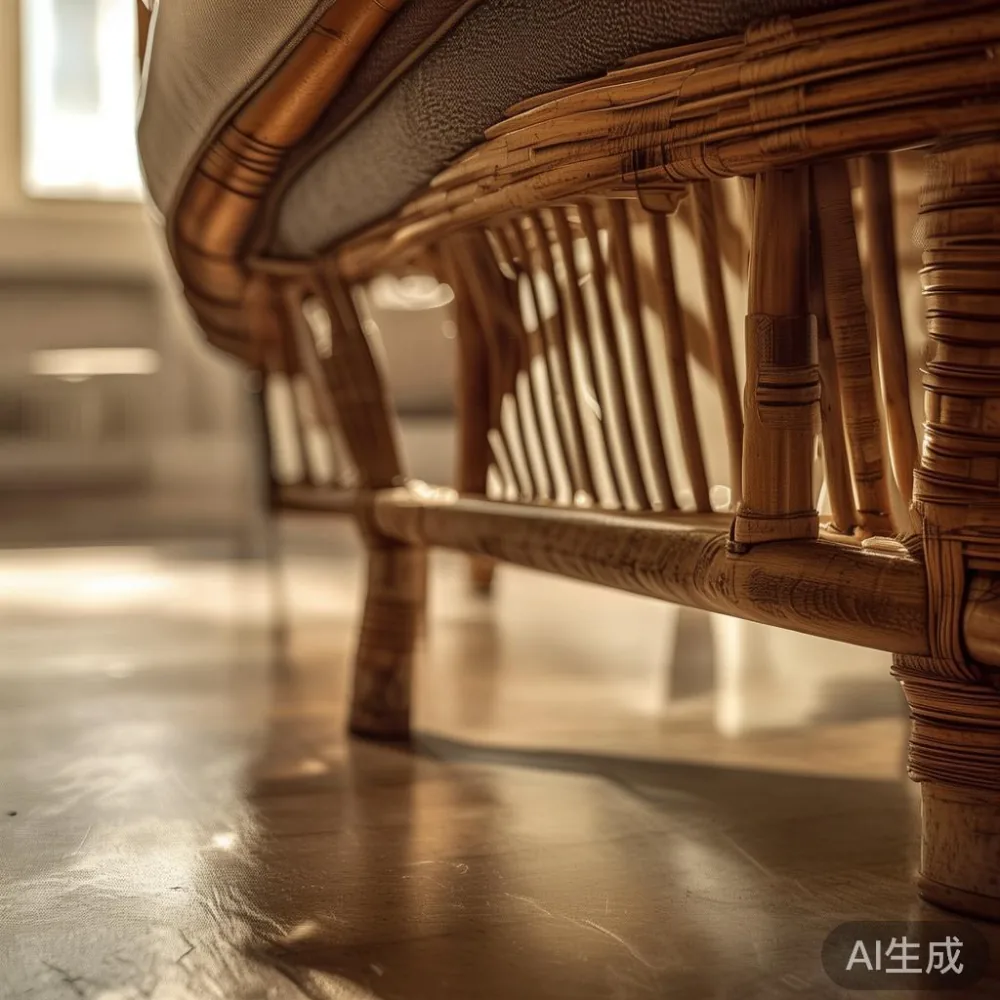
Why Southeast Asian Humidity Is Harder on Wood Than European Summers
Wood is hygroscopic. It absorbs and releases water vapour until it reaches equilibrium with the air around it, and as it does so it swells and shrinks. In a dry climate the movement is small and slow. In Singapore, the moisture content of indoor air is high enough that even kiln-dried oak or ash will keep creeping upward in weight by 2% to 4% across the wet months from October to February. A solid oak dining table that left the Foshan workshop at 8% moisture content can easily climb to 11% or 12% once it has sat in a Punggol condo for one monsoon season. The result is not dramatic rot, it is the quiet stuff: a 3 mm gap opening between two leaves of a dining table in January, a wardrobe door rubbing against the frame in July, a hairline crack along the grain of a nightstand by the third Chinese New Year.
I visited a friend's three-bedroom resale flat in Bedok last week. Her four-year-old wardrobe, bought from a local chain for around S$1,290, had started to show white blotches along the back panel. When we pulled it 10 cm away from the wall, the back was damp to the touch and the baseboard had begun to bow. The same flat, with the same humidity, also holds a six-year-old MIDHILL ash wardrobe (around S$2,450 delivered, free shipping because the order cleared the US$350 threshold converted). The difference was not the climate. The difference was how the wood was dried, joined, and finished before it ever left the factory.
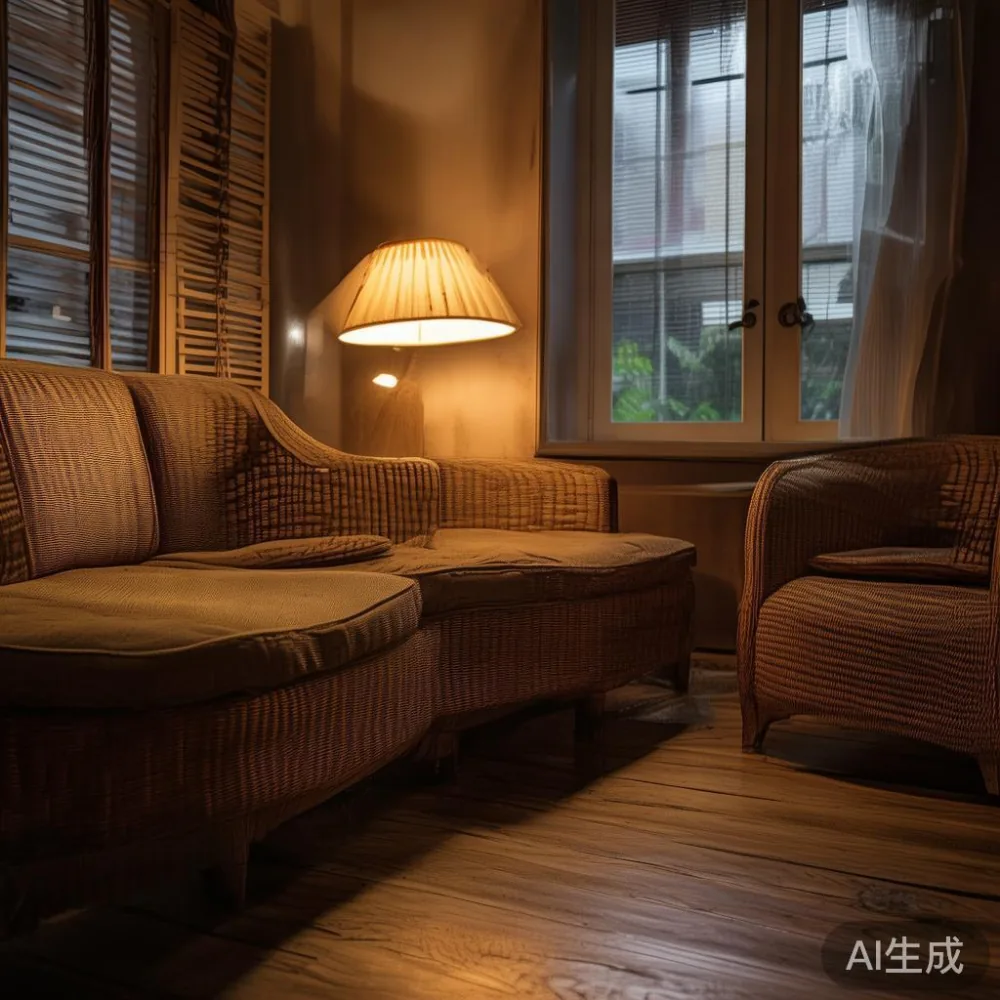
How MIDHILL Prepares Solid Wood for Humid Climates
MIDHILL has been making solid wood furniture in Foshan since 2008 and now ships to more than fifteen countries, with Singapore as one of its steady Southeast Asian markets. Three things in their process matter for a buyer here. First, the factory kiln-dries boards down to a target moisture content of 8% to 10%, which is the band that matches Singapore's indoor humidity rather than the 6% target used for some European lines. Second, the joinery uses mortise-and-tenon or dowel construction on load-bearing parts of a bed frame, with dovetail drawers on wardrobes, so the wood can move as one panel instead of fighting the glue line. Third, every visible surface is sealed with a multi-layer water-based lacquer that slows vapour transfer to a crawl.
The same logic applies to their rattan furniture collection. Rattan is a vine, not a wood, but it reacts to humidity in much the same way: it softens when wet and tightens when dry. In the MIDHILL workshop, the rattan cores are steamed, bent around solid wood frames, and then sealed with the same lacquer system used on the oak pieces. The frames themselves are solid ash or rubberwood, which keeps the woven panels taut through the wet months. I tested one of their rattan armchairs in the MIDHILL Singapore showroom last month, and the sales lead pressed a small moisture meter against the back rail: 9.2%, exactly where it should be for a home in Clementi or Toa Payoh.
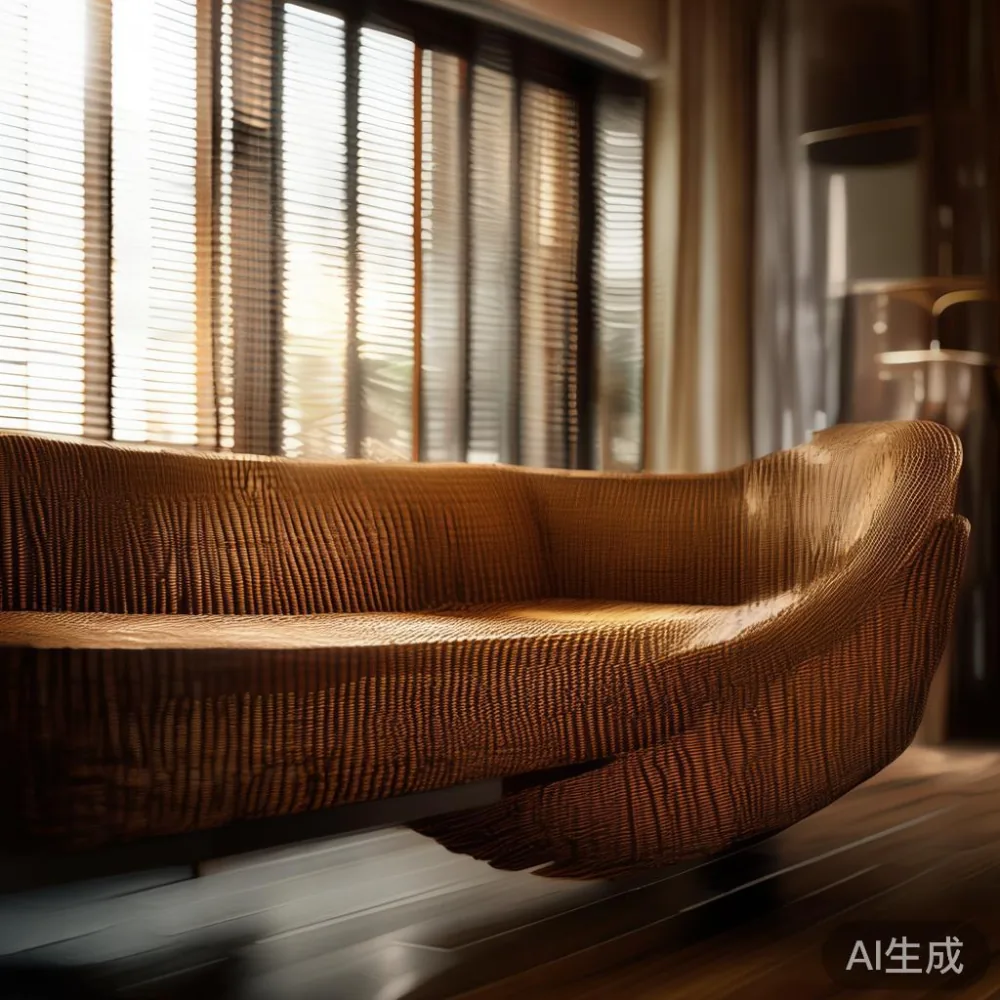
Which Sectional Sofa Fits a 4-Room HDB Living Room?
For a standard 4-room HDB living room of roughly 18 m² to 22 m², a left- or right-facing chaise sectional with an footprint of 240 cm wide x 160 cm deep will fit comfortably with 70 cm to 90 cm of walking space on at least one side. Look for a solid wood sofa frame in ash or rubberwood, a seat depth of 55 cm to 60 cm, and a chaise module that can sit on the long wall opposite the TV console so it does not block the corridor to the kitchen. Confirm that the assembled dimensions clear your lift opening (usually 80 cm to 90 cm wide and 210 cm high in newer HDB blocks) and your corridor width (about 1.2 m to 1.5 m), and ask the supplier whether the chaise module can be detached for delivery, since a single-piece sectional over 230 cm will not make the turn into most Tampines or Punggol units.
Two practical notes from local deliveries. A solid wood sofa in the 240 cm class typically weighs 95 kg to 120 kg with cushions, so a two-man crew at S$60 to S$90 per lift is standard if the supplier does not include carrying. GST of 9% is added at checkout on goods imported under the Overseas Vendor Registration scheme, which most direct-from-factory sellers now apply, so budget the landed price, not the sticker. MIDHILL's 14-day return window is generous for furniture, but a sectional still has to clear the lift and the corridor on the way back, so measure twice.
Reading the Numbers: Sizes, Weights, and What They Mean for Your Flat
Singapore homes run on tight tolerances, and a 1 cm mistake on a product page can mean a 200 kg dining table stuck in your corridor. The table below is what I now check before I recommend anything, including the MIDHILL pieces I have seen on the showroom floor. A six-seater solid oak dining table typically runs 180 cm to 200 cm long by 90 cm wide and stands 75 cm tall, with a weight between 80 kg and 110 kg. A queen-size bed frame in ash lands at roughly 210 cm x 160 cm externally, with side rails 5 cm to 8 cm thick, and weighs 55 kg to 75 kg. A two-door wardrobe at 120 cm wide x 55 cm deep x 200 cm tall sits in the 90 kg to 130 kg band, while a single nightstand is a manageable 18 kg to 25 kg and usually rides up the lift without drama.
Heavier pieces are not automatically worse in a humid climate. A 95 kg dining table has more thermal mass and tends to stabilise its internal moisture more slowly than a 40 kg particleboard table of the same size, which is why older solid pieces in HDB flats often outlast their lighter cousins by a decade. The trick is to keep the weight off the floor in a way that still allows airflow: felt pads under the legs of a bed frame, 2 cm to 3 cm of clear space behind a wardrobe, and never push a marble table or a heavy sideboard flush against an external wall where condensation can form on the plaster.
The Quiet Problem: Gaps, Cracks, and Doors That Stop Closing
Most of the calls I get from friends in HDB flats are not about dramatic damage. They are about a 2 mm to 4 mm gap that appeared across the dining table in December, or a wardrobe door that swelled shut in August. Both are normal wood movement. The question is whether the piece was built to move with the seasons, or whether the factory glued and clamped things so tightly that the wood had no room to breathe. In a post-modern light luxury interior, where the look depends on continuous wood grain running across panels, that movement shows up immediately.
Three habits keep it under control. Run the air-conditioner or a dehumidifier to hold indoor humidity between 55% and 60% in the wet months; a small domestic dehumidifier costs around S$189 to S$299 and pulls 2 L to 4 L per day, which is plenty for a 90 m² flat. Wipe spills within ten minutes rather than letting them sit overnight. And once a year, treat the tops of a dining table, the writing surface of a desk, and the shelves of a wardrobe with a thin coat of beeswax or hard wax oil, which costs about S$25 to S$45 for a 500 ml tin and takes twenty minutes to apply. None of this is exotic; it is what the ten-year structural warranty from MIDHILL quietly assumes you will do.
Why Rattan Works So Well Next to Solid Wood Here
Rattan furniture gets a bad rap in Southeast Asia because people remember the 1990s pieces that went mouldy in the corner of the kitchen. Properly built, rattan is one of the most humidity-tolerant materials you can put in a HDB flat. The vine breathes, so it does not trap moisture against a wood frame the way a sealed leather panel can. Pair a rattan armchair with a solid wood sofa in the living room, a rattan headboard panel on an ash bed frame in the master bedroom, and you have a mix that handles both the wet monsoon and the dry air-conditioned afternoon without visible drama.
This is also where the American light luxury and French light luxury looks diverge from the heavy traditional teak sets still common in older condos. American light luxury tends to use pale oak and white-oil finishes, which show grain movement clearly and reward owners who keep humidity steady. French light luxury leans on marble tables and boucle or rattan accents, with carved solid wood bases that can be refinished in place. MIDHILL offers lifetime refinishing on its solid wood frames, which means a dining table bought for S$2,180 today can be sanded, re-sealed, and re-oiled in the customer's home for a service charge of around S$180 to S$280 per piece after the fifth year. That is the kind of after-sale thinking that turns a humid-climate purchase from a gamble into a 15-year fixture.
What About an American Oak Work From Home Setup?
An American oak work from home setup needs the same humidity discipline as a dining table, with two extra caveats. Oak is open-grained, so it drinks up hand oils and coffee rings faster than ash, which means a desk pad or a glass surface on the writing zone is non-negotiable. The desk itself should be at least 150 cm wide x 70 cm deep if you are using a 27-inch monitor plus a laptop, and the top should be solid oak, not oak veneer over MDF, because veneer cracks at the seams once the core swells. A solid oak desk in the 150 cm class lands between 45 kg and 65 kg, fits through a standard HDB lift at 80 cm x 210 cm if the legs unscrew, and pairs well with a matching ash bookshelf at 180 cm x 90 cm x 35 cm. Budget roughly S$1,800 to S$2,600 for the pair delivered, plus the S$60 to S$90 carrying fee if your block does not have direct lift access.
Common Questions From Local Buyers
Does air-conditioning alone protect solid wood? Running the AC at 24°C to 25°C keeps indoor relative humidity around 55% to 60%, which is the safe band. Turning the unit off for eight hours overnight can push humidity back above 70%, so a small dehumidifier in the wardrobe corridor is worth the S$189.
Is rattan furniture harder to maintain than solid wood? No. A soft brush, a damp microfibre cloth, and a once-a-year wipe with a thin layer of leather conditioner or rattan sealant is enough. Avoid soaking it, and keep it 30 cm away from a window that gets direct afternoon sun, because UV plus humidity is what breaks down the natural fibres.
How long does delivery from Foshan to Singapore take? For in-stock pieces, sea freight door-to-door runs 18 to 28 days, and air freight for smaller items such as a nightstand runs 7 to 10 days. MIDHILL's 10-year structural warranty covers the frame and joinery; finishes and moving parts are covered for two years, and the lifetime refinishing offer applies to solid wood tops and doors only.
Can I return a piece if it does not fit? Yes within 14 days, in original packaging, with the buyer covering return freight of around S$90 to S$160 per cubic metre. For a custom dining table or a made-to-measure wardrobe, deposits are non-refundable once production has started, which is why the pre-delivery site check matters more than the warranty card.