How to Care for Lacquered Rattan Furniture in a Tropical Singapore Home
Singapore’s warm, humid climate can be kind to rattan furniture, but only when the lacquer is protected from water, heat, dust, and careless daily use. Lacquer creates a smooth, wipeable finish over hand-finished rattan, yet it can still show fingerprints, develop fine scratches, or turn cloudy when household cleaners are used incorrectly. For residents of HDB flats and condos in Tampines, Bedok, and Punggol, good furniture care matters because pieces often move through narrow lift lobbies, shared corridors, and compact living spaces before reaching their final room.
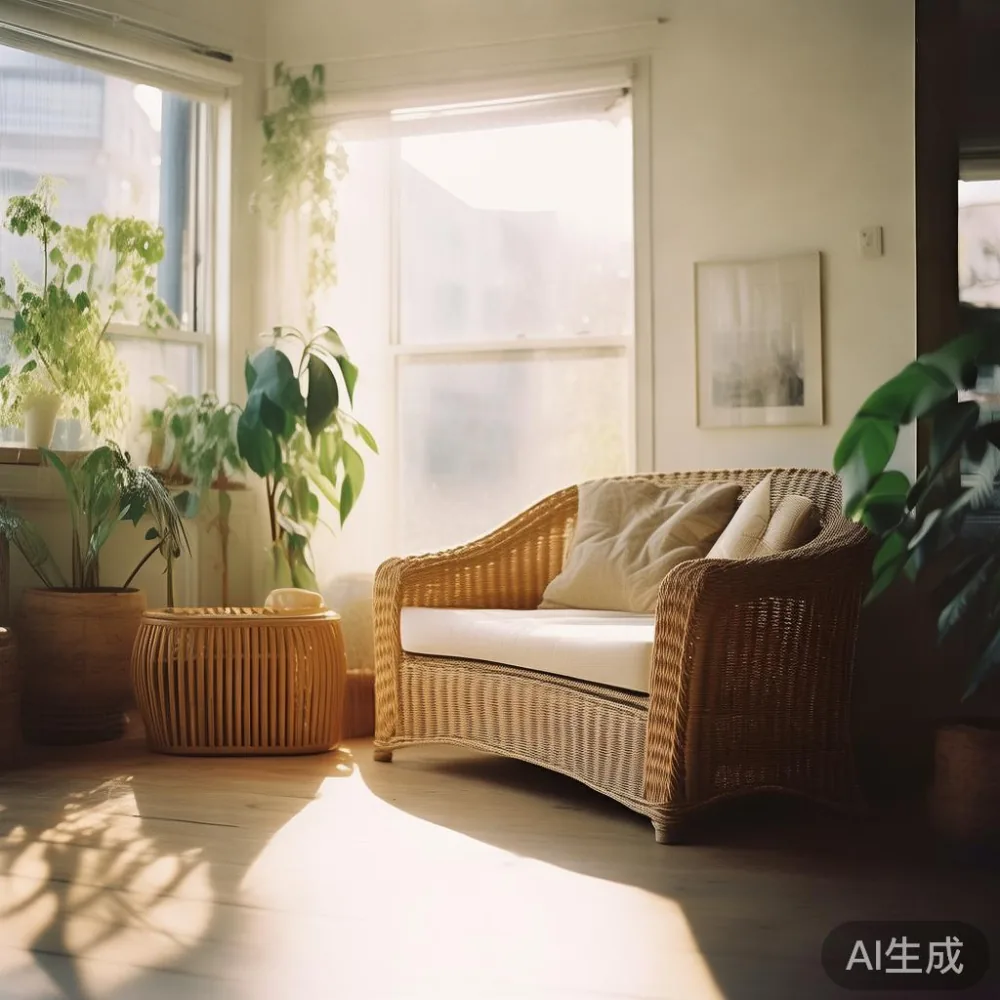
At MIDHILL, we make lacquered solid wood and rattan furniture for homes where natural texture must work with practical upkeep. The guidance below covers a lacquered coffee table, dining table, nightstand, wardrobe, and the frames used in a solid wood sofa or bed frame. It also explains how to assess lacquer without treating the finish as permanent or maintenance-free.
Why does lacquer need special care in Singapore?
The issue is not simply that Singapore is tropical. The real challenge is the combination of humidity, sudden indoor temperature changes, salt residue, and repeated hand contact. Relative humidity in many Singapore homes fluctuates between roughly 60% and 80%, while direct sunlight can raise the surface temperature of a dark lacquered table above 40°C during the afternoon. Lacquer tolerates normal indoor conditions, but prolonged dampness can affect adhesives beneath the finish, while heat can make some coatings feel sticky or develop a faint haze.
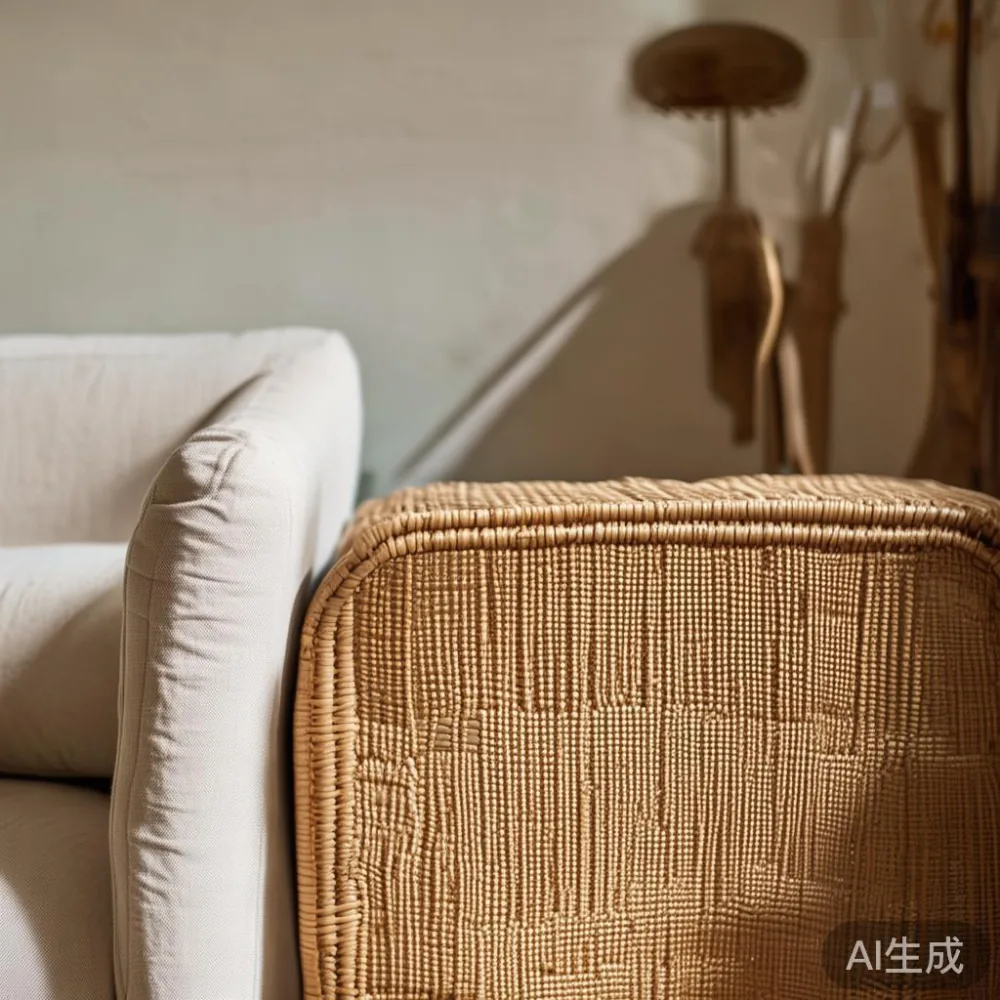
Rattan furniture also has an open weave that can collect fine dust. When lacquer surrounds those woven elements, cleaning must respect both surfaces. A damp cloth left in a joint can trap moisture against the rattan, even if the visible top looks dry. Good care therefore means using small amounts of liquid, drying promptly, and checking joints rather than soaking the whole piece.
Singaporean apartments add another layer. A 160 cm wide lift opening, a 220 cm turning corridor, and a doorway measuring 85 cm can restrict delivery of a large dining table or wardrobe. Pieces may need to be partly disassembled before entry, so any scratch noticed after delivery should be recorded before the packaging is removed. For customers comparing under 2000 Japanese furniture, local measurements are as important as the finish: a cabinet that fits a showroom may not clear the stairwell or service lift.
What is the safest way to clean a lacquered surface?
Begin with a soft, lint-free microfibre cloth. For routine cleaning, lightly dampen it with clean water and wring it until it is almost dry. Wipe in the direction of the grain or along the length of the panel, then use a second dry cloth to remove moisture. Avoid paper towels, which can leave fibres in a fine scratch. A clean cloth can remove ordinary dust without detergent.
For marks, use a pH-neutral cleaner diluted according to its label. Apply the cleaner to the cloth, never straight onto the furniture, and test an inconspicuous 10 cm area for 24 hours. If the finish dulls or changes colour, stop immediately. Citrus cleaners, bleach, ammonia, alcohol, and abrasive cream can damage lacquer or rattan fibres. Even a “gentle” kitchen spray may contain residues that leave an oily film.
Spills should be addressed in less than 5 minutes. Blot rather than rub. For a water ring, use a barely damp cloth and dry the area immediately. For grease, place a clean cloth over the mark for 30 seconds so it absorbs the oil, then repeat with a fresh section. Never use steel wool, scouring pads, or magic erasers on lacquer; their grit can create permanent scratches.
A lacquered dining table also needs coasters and trivets. Set a hot bowl on a 10 cm-wide coaster, not directly on the surface, and leave a 2 cm gap from the edge. Use a heat-resistant pad beneath a warm laptop or electronic device for at least 15 minutes. No household surface should be expected to accept cookware straight from the hob.
How can scratches and fingerprints be treated without damaging the finish?
Minor surface marks can often be reduced rather than erased. A soft cloth with a small amount of suitable lacquer care product may lift residue, but the product must be approved for the exact lacquer type. Test it first, as seen on the hidden underside of a nightstand. Apply less than a coin-sized amount, work with light pressure, and buff for 60 to 90 seconds. Excess product can create streaks or make the lacquer excessively glossy.
Fingerprints are usually easier to manage than scratches. On a dark finish, a lightly moistened microfibre cloth can spread the mark, followed by a dry cloth. On a natural or matte finish, check with the manufacturer before applying any oil-based treatment. Silicone-based furniture polish should be avoided because it can leave a film that attracts dust and complicates future refinishing.
For a deeper scratch, do not try to fill it with marker paint, nail polish, or cooking oil. Those materials may match briefly but can discolour under Singapore’s light and humidity. Photograph the scratch at arm’s length and in daylight, then contact the furniture maker. MIDHILL offers lifetime refinishing on eligible orders, so early reporting gives the team more time to assess the correct repair method.
I tested a lacquered coffee table in a humid studio last month, using three cloths and three common household stains. A 100% microfibre cloth lifted ordinary fingerprints without dulling the sheen. A rough dishcloth produced a visible hairline mark within 10 passes, while a damp cotton cloth left a temporary water ring that disappeared after 4 minutes of gentle drying. The lesson was simple: material softness matters more than vigorous scrubbing.
How should lacquered rattan furniture be stored and placed?
Position lacquered rattan furniture away from direct afternoon sun. A UV-filtering curtain or blind can reduce exposure, particularly for west-facing Bedok and Tampines units. Keep indoor temperatures around 22°C to 28°C where possible, and maintain reasonable separation from air-conditioning vents. Condensation from a strong cold blast can be more damaging than ambient humidity because it introduces water directly onto the finish.
For a wardrobe, leave clearance between the back panel and the wall so air can circulate. Aim for at least 5 cm where the installation allows it. For a nightstand beside a bed, avoid pushing it tightly against a cold plastered wall. A 2 cm gap can help moisture evaporate after cleaning or spills.
Acclimatise newly delivered pieces before assembly or tightening. Solid wood responds to seasonal movement, and checking every 30 days for the first 6 months allows small changes to be noticed. Do not force a door, drawer, or rattan panel back against its stop. A 3 mm gap may look narrow but can prevent pressure marks along the lacquered edge.
Corridor and lift planning also protects the furniture during every move. Measure the lift door, its internal depth, the corridor turns, and the receiving doorway before a delivery team arrives. A rounded dining table may fit diagonally where a rectangular one cannot. If a piece is disassembled, protect lacquer edges with cardboard at least 3 mm thick and soft cloth above it; do not tape directly to the finish.
Can a solid wood sofa or bed frame share the same care routine?
The lacquered portions can, but upholstery and rattan weaving require separate methods. Vacuum a solid wood sofa every 7 days using a 5 cm brush attachment around joints and carved edges. Keep cleaning liquids away from cushions and use a spot-cleaning method approved for the textile. For a rattan-backed sofa, lift cushions and use a soft brush so dirt does not become embedded in the weave.
For a bed frame, dust the headboard weekly and inspect the lacquered rails every 3 months. A bed frame experiences less direct contact than a dining table, but luggage, shoes, and daily cleaning can cause scratches. When researching how to style Japandi bed in apartment layouts, choose a frame with measured clearances rather than pushing furniture against textured walls. A 60 cm route at the side of the bed is comfortable in many HDB bedrooms, while 45 cm is a practical minimum in a compact room.
Design decisions also affect upkeep. A French light luxury room may pair a marble table with pale lacquer and fine rattan lines, but the marble needs its own pH-neutral stone cleaner. French provincial decoration, with curved edges and warm timber, can make a lacquered nightstand look formal, although formal does not mean fragile. For customers looking for sale French furniture in Singapore, condition is more useful than a sale label: check whether scratches have been repaired, whether doors align, and whether the lacquer has yellowed evenly.
Japanese sofa vs Modern sofa is another comparison that becomes clearer through use. A low Japanese-inspired seat may require careful vacuuming beneath the frame, while a modern solid wood sofa with a raised base makes floor cleaning easier. If the frame has a lacquered finish, repeat the water-and-cloth test before using any proprietary cleaner.
How do you check a used or newly delivered lacquered piece?
Inspect it under daylight and with a 60 W LED lamp, viewing the surface from an angle. Lacquer defects can look different under each light source. Check the top, edges, undersides, rattan joints, drawer runners, and back panels. A 10 cm ruler helps compare scratches consistently, while a phone photograph taken at 30 cm documents the condition for warranty assessment.
Measure the piece as well as the room. For a wardrobe, confirm its closed dimensions and whether doors need 90-degree clearance. For a dining table, leave at least 75 cm from the edge to a chair when possible, and 90 cm on main circulation routes. For a nightstand, allow enough space for a 30 cm wide bedside area. These dimensions make daily use less likely to cause knocks.
When choosing compact layouts, Minimalist for small living room planning benefits from fewer, well-proportioned pieces with visible storage. A 100 cm lacquered coffee table can suit a 250 cm sofa without crowding the route to the balcony. A 120 cm dining table may suit a compact dining zone, but residents should check that each seated place has at least 55 cm of table edge and that chairs can be pulled back without striking walls.
Ask whether replacement care products are suitable for the lacquer and rattan combination. Confirm delivery terms, return windows, and coverage before accepting the piece. MIDHILL provides a 10-year structural warranty, lifetime refinishing on eligible furniture, free shipping above US$350, and a 14-day return policy. In Singapore, quoted delivery commonly takes 7 to 14 business days for in-stock items, although access restrictions in older blocks can add 2 to 3 days. GST and any applicable service charge should be shown in the final local quotation.
What should you do if lacquer dulls, peels, or shows water damage?
Stop using cleaners and isolate the affected area. Place a dry cloth over a damp section for 10 minutes, then allow the piece to air-dry with good ventilation. Do not place a heater within 1 metre of the furniture. If lacquer peels, bubbles, or separates from the substrate, photograph the area in daylight and contact the manufacturer promptly with the purchase details.
Cloudiness can sometimes be caused by residue rather than a failed finish. Clean a small section with the approved method and compare it with the rest of the piece under the same light. A watermark that remains after 24 hours needs professional assessment. Deep gouges, rattan fibres lifting through the coating, or sticky areas across more than 5 cm should not be treated with household products.
For long-term care, create a simple schedule: dust weekly, wipe spills immediately, check lacquer every 3 months, and inspect joints twice a year. Keep cleaning cloths separate from kitchen cloths and replace them after 4 to 6 uses. This small routine protects the visual character of lacquered rattan furniture while preserving the lightness associated with French light luxury and post-modern light luxury interiors.
Good lacquer care is measured in minutes, not dramatic restorations. A 2-minute wipe after a meal and a 30-second check beneath a hot dish can prevent a great deal of damage. Used consistently, the finish can retain its smooth surface and clear tone as the home moves through Singapore’s heat, rain, and everyday life.