Behind the Price: Solid Wood Furniture Insights
Furniture prices rarely reflect one simple material. A dining table can look restrained and still cost more than a bulky sofa because timber selection, joinery, finish, hardware, and delivery constraints all tell a different story. For Singapore households, those variables become clearer in a Tampines HDB flat, a Bedok condo, or a Punggol home with narrow lift doors and compact corridors.
At MIDHILL, we build and ship solid wood furniture for customers in more than 15 countries. Our point is not that a higher price automatically means better furniture. It is that responsible pricing should make the construction legible: which wood, how thick the parts are, how the frame is joined, what happens after delivery, and how long the product is expected to last.
This guide explains the actual cost drivers, with figures in SGD, dimensions in centimetres, weights in kilograms, and practical examples for Singapore homes.

What actually drives the price of solid wood furniture?
The largest driver is often not the visible surface but the timber beneath it. Solid wood furniture may use solid timber for the frame, legs, drawer boxes, and table top, or combine solid wood with plywood, engineered board, metal, stone, or rattan. Those choices affect labour, performance, and price.
Hardwoods such as oak, ash, and teak have different costs because of yield, drying time, grain, and workability. Boards with knots, mineral streaks, sapwood, or uneven colour may be excluded from a large top. A single 220 cm dining top can require several boards; a defect that would be hidden in a 35 cm stool leg may determine whether a 220 cm top can be produced at all.
Thickness changes the arithmetic. A 20 mm top uses less timber than a 40 mm top, but the latter can feel more substantial and resist visible movement. Solid wood sofa frames, bed frames, dining tables, wardrobes, and nightstands should therefore be compared by component dimensions, not by a photograph or a broad “solid wood” label.
Numbers matter: a 180 cm solid wood dining table may weigh 45–75 kg depending on its top, apron, and leg design. That weight influences material cost, workshop handling, packaging, and the number of delivery workers required.
Does solid wood cost more than engineered wood?
Usually, yes, though the difference depends on construction. Engineered wood is not a fraud; it can be stable, useful, and economical. The issue is that it should not be presented as solid timber. A high-quality wardrobe may combine 18–25 mm plywood panels with solid wood frames and edges. That can make sense for a humid climate and for a door that must align inside a 61 cm opening.
Compare the two approaches directly. A 150 cm wide bedroom wardrobe built with 18 mm engineered panels and solid wood edging might be lighter and less expensive than one made entirely from 25 mm solid wood panels. Yet the all-solid version can offer more repair scope if a shelf edge is damaged, provided moisture has not caused distortion.
Price also depends on the hidden parts. Drawer runners, hinges, screws, corner braces, and joinery can add more than a customer expects. Soft-close runners for 3 drawers may cost SGD 18–60 per set. Better hinges may add SGD 12–35 per door. These are not decorative extras; they affect how a 45 kg wardrobe moves through a 90 cm doorway and whether a drawer remains aligned after 5 years of daily use.
The right question is not “solid or not solid?” but “solid where, how thick, and joined how?”
Why do some dining tables cost SGD 1,200 while others cost SGD 5,000?
Size is the obvious factor, but construction explains the rest. A 160 cm table with a compact base can be mechanically efficient. A 260 cm table needs a longer top, stronger supports, and a base that resists flexing. Its top may also need bookmatching, finger-jointing, or careful selection to create a continuous appearance.
For Singapore apartments, delivery dimensions deserve a concrete check. A 220 cm table may be too long to turn through a 90 cm HDB door even if it fits inside a 120 cm lift. MIDHILL can help assess access before dispatch, and Singapore delivery typically takes 7–14 days after production, with larger or made-to-order pieces sometimes taking 21–45 days.
Marble is another cost driver. A marble table may use a 20–30 mm stone top supported by a timber or metal base. Stone adds weight, cutting complexity, edge treatment, and packaging. An 180 cm marble dining table might weigh 70–130 kg. That is why the price of a marble table should be considered separately from an identically sized timber table rather than used as evidence that all solid wood products are expensive.
At MIDHILL, a dining table backed by a 10-year structural warranty can still vary in price because warranty scope is not a substitute for specifications. Ask for the top thickness, under-top frame, leg section, dimensions, packed dimensions, and finish details.
Is French light luxury different from post-modern light luxury in price?
Yes, although both labels often describe a restrained visual language rather than a fixed material standard. French light luxury tends toward classical proportion, softer curves, upholstery, and crafted details. Post-modern light luxury often uses clean geometry, contrast, and a more architectural silhouette. American light luxury frequently emphasises generous comfort, deep seating, and broad profiles.
These approaches affect the bill. A solid wood sofa in a French light luxury style may need carved arms, layered upholstery, and more precise frame shaping. A post-modern solid wood sofa might use simpler lines and less material, but accurate joints still take time. An American light luxury sofa often uses deeper seats, thicker cushions, and more padding, so its cost can come from comfort engineering rather than ornament.
The phrase French for dining room is useful when planning a formal setting: a 200–220 cm dining table can seat 6–8 people, but a 70–80 cm clearance is needed behind occupied chairs. In a compact HDB dining area, an extendable 140–160 cm table can start at 4 seats and open to 6–8, with stored leaves adding 30–60 kg and requiring a protected storage position.
Light luxury is a design direction, not a price category. A SGD 2,800 solid wood sofa can be more thoughtfully built than a SGD 6,000 sofa with weak internal specifications.
How much should a solid wood bed frame cost?
For a queen bed measuring 152 cm wide and 190 cm long, a reasonable solid wood bed frame may range from roughly SGD 900 to SGD 3,500 in Singapore, depending on timber, detailing, and structural design. A king frame at 180 cm by 200 cm can cost more because it uses longer components and must carry greater loads.
The slat system is central. A slat at 8–10 cm spacing provides support for a mattress, while wider gaps may compromise comfort depending on the mattress type. The centre support may need a 40–60 mm leg and a metal brace. Headboard thickness, platform construction, and whether the slats are solid timber, plywood, or metal all affect the price.
Weight is another clue. A queen solid wood bed frame may weigh 35–65 kg. Cheap-looking options can be 20–30 kg, though weight alone is not a quality test. Ask whether the frame includes 10 or 12 fixing points, whether the centre leg bears on a level surface, and whether the headboard has anti-rock hardware.
Search terms such as best Japanese bed for 2026 often surface low platforms, warm timber tones, and compact proportions. For Singapore, a low 25–35 cm frame can suit a 3.2 m by 2.7 m bedroom, while a 35–45 cm platform may suit higher ceilings and easier under-bed storage. The comparison light luxury bed vs Modern bed often reduces to profile and detailing: a light luxury bed may have a padded or framed headboard, while a modern bed may use slats or a simple panel.
Buyers searching under 2000 Scandinavian furniture should compare the actual frame rather than a style label. A queen Scandinavian-style solid wood bed below SGD 2,000 can be sensible if its joints, slat spacing, centre support, and finish are clearly specified.
Why do wardrobes, nightstands, and rattan furniture show such wide price ranges?
Storage furniture pays for precision. A wardrobe of 180–240 cm width may contain 2–4 doors, internal drawers, hanging rails, shelves, and optional compartments. Every repeated part must align. A 6 mm gap or crooked door becomes obvious over 3.0–3.6 m of elevation, and correction takes workshop time.
Hardware can make a visible difference. Soft-close hinges, full-extension runners, LED strips, and mirrored doors can add hundreds of dollars. A 2-door nightstand may sell for SGD 250–900, while a carved 3-drawer version can reach SGD 1,200. Drawer construction matters: solid timber sides, a timber or plywood bottom, and a stable runner system are stronger indicators than the front alone.
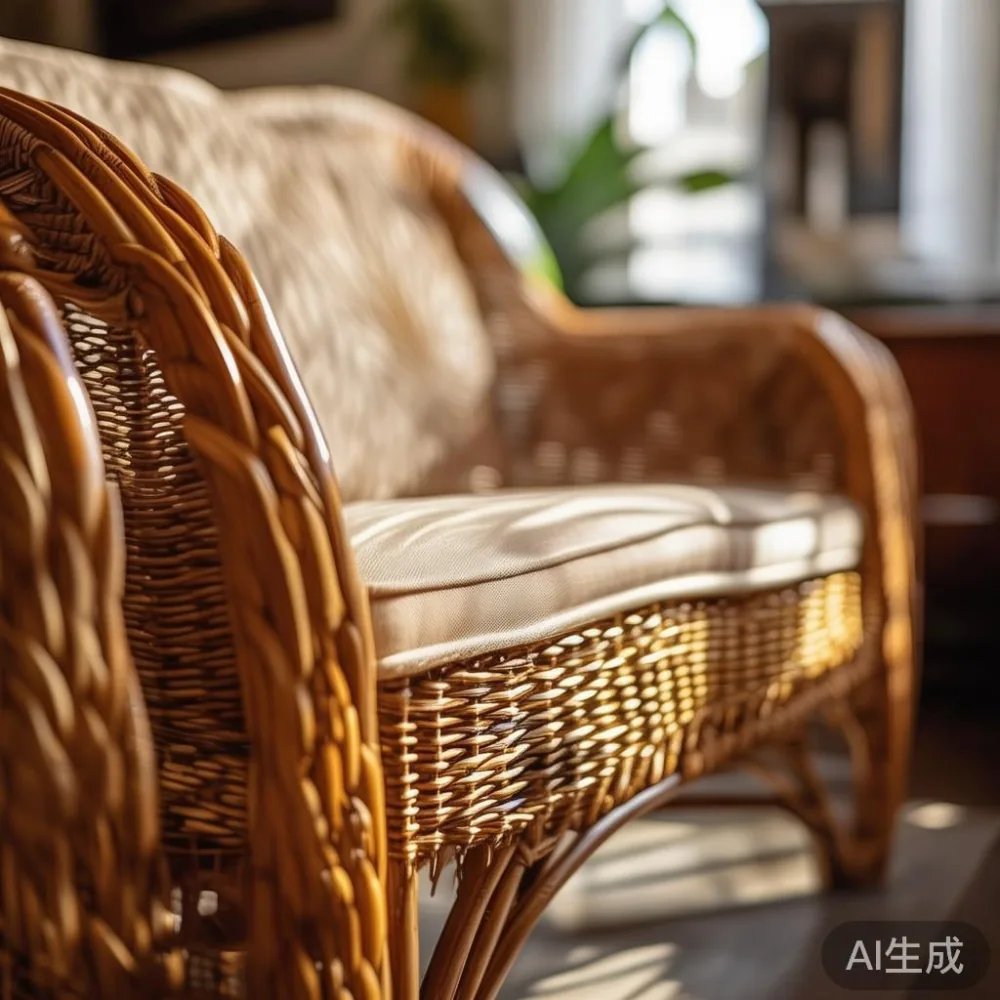
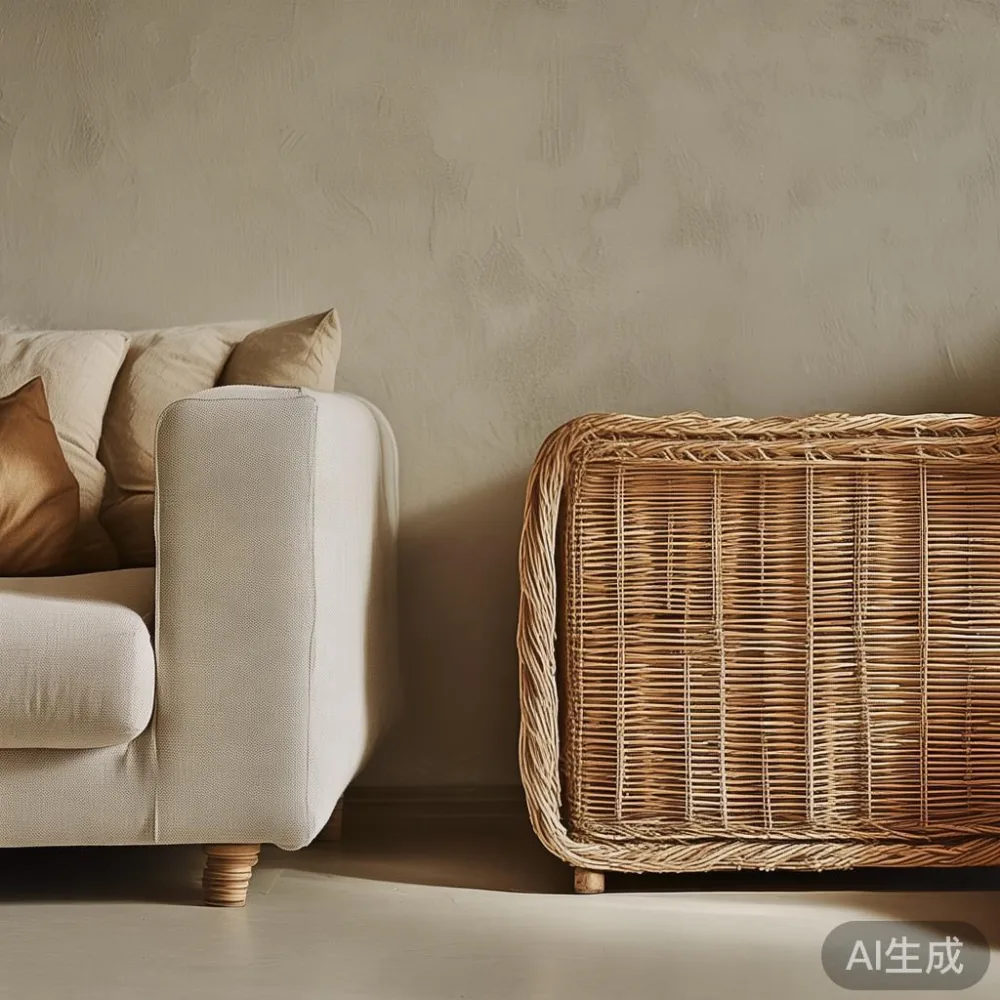
Rattan furniture occupies a related but distinct place. Genuine rattan is a natural vine material, and its cost depends on weaving labour, strand quality, moisture treatment, and the frame beneath. A rattan dining chair may weigh 4–7 kg, while a rattan-backed sofa may weigh 25–45 kg. Rattan furniture can reduce visual heaviness in a Singapore flat, but it should not be confused with solid wood construction throughout. A rattan seat may sit on a solid wood or metal frame, and the panels may require replacement after wear.
That distinction explains why MIDHILL lists solid wood and rattan furniture separately. A rattan cabinet with solid timber framing may cost more than an all-solid cabinet of similar size because skilled weaving is labour-intensive. A post-modern rattan console at 120 cm may range from SGD 450 to SGD 1,400, depending on whether it is made in volume or with hand-finished detail.
How much do delivery, GST, and access add to a Singapore furniture budget?
Delivery is part of the purchase, not an afterthought. A compact nightstand may fit in one van with one handler. A 75 kg dining table may require 2 handlers, a 3.0–4.5 m tail lift, and a second-person carry into the lift lobby. A 90 cm corridor and 80 cm door opening can rule out certain assembled pieces even when the room is large enough.
Current Singapore GST is 9%. A SGD 2,000 item adds SGD 180 in tax before delivery or other applicable charges. Many sellers quote prices excluding GST, so compare the final checkout figure rather than the headline. A discounted item can still become more expensive once GST, delivery, and assembly are included.
MIDHILL provides free shipping on orders over US$350, although the exact Singapore delivery amount and any access charges should be confirmed for each configuration. Local delivery commonly takes 3–10 days after dispatch, while production and international transit can make a total lead time 14–45 days. The 14-day returns policy gives buyers time to assess fit, finish, and condition, subject to the stated return conditions.
Useful access measurements include lift width, lift depth, lift door width, corridor turning space, stair width, and the narrowest door. For example, a dining table packed at 225 cm by 90 cm by 12 cm may be manageable through a 90 cm lift door if turned correctly; the same table packed at 225 cm by 110 cm by 18 cm may not be. Ask for packed dimensions before ordering.
What finish should I choose in Singapore’s humidity?
Solid wood moves as humidity changes. A factory-flat panel may gain or lose a few millimetres across its width, and a solid wood dining table may develop a seasonal line or small movement around a joint. The goal is not to claim that timber never changes; it is to use a finish and construction method that manage that movement.
Water-based finishes generally emit fewer solvent fumes and can be easier to maintain. Oil and wax finishes can create a tactile surface but may need more care near a dining table. A hard-wearing matte finish may suit a busy HDB home; a lower-sheen finish may suit a light luxury interior. In any case, keep hot pans, standing water, and harsh cleaners away from the timber.
Finishing also affects price because each additional layer adds sanding, masking, curing, and inspection time. A table with 5–7 preparation and coating stages can take longer than one with 3 stages. The final 60–90 minutes of drying or curing should not be compressed simply to meet a dispatch date.
MIDHILL offers lifetime refinishing for eligible furniture. That service changes the long-term economics: a damaged surface may be restored rather than discarded, reducing replacement pressure over a 10-year or longer ownership period. Confirm what the policy covers, including lacquered, stained, and colour-matched parts.
How can you compare two solid wood products fairly?
Put both specifications on one page. Record size, top or panel thickness, timber species, frame construction, joinery, finish, hardware, loaded weight, packed dimensions, warranty, delivery time, return period, and final GST-inclusive price.
Then compare use. A solid wood sofa may cost more because it combines a load-bearing frame, suspension, foam, fabric, stitching, and assembly. A bed frame may cost less because it has fewer upholstered parts, but a weaker centre support can cause noise and mattress sag. A dining table may cost more than a nightstand because a broad top must stay stable. A wardrobe may cost more because doors and drawers need alignment. A marble table may cost more because the stone and its base require different skills.
Last month I visited a Singapore fit-out warehouse with my colleague and measured 11 solid wood dining tables delivered from different workshops. The visual differences were modest. The useful differences were the 25 mm versus 40 mm tops, 60 mm versus 75 mm legs, apron placement, underside fixings, and packed widths. Two tables priced only SGD 450 apart weighed 51 kg and 68 kg. The heavier table was not automatically preferable, but its longer top and stronger base explained much of the price.
The same visit included a rattan furniture set. Its woven panels were lighter and visually airier than the timber tables, yet one chair took 35 minutes to assemble because the rattan joints required careful seating into the frame. That labour is one reason rattan furniture should be priced by technique and assembly complexity, not simply by the softness of the material.
For style research, the best Minimalist sofa for 2026 often points toward low profiles, clean lines, and restrained palettes. The American sofa vs Japandi sofa comparison is more revealing: the former often prioritises deep comfort and soft volume, while the latter combines a light footprint with Scandinavian-Japanese simplicity. A compact 180–200 cm solid wood sofa may suit a Singapore living room better than a 240 cm model, even if the larger version has a higher ticket price.
Solid wood furniture earns its price when material, dimensions, construction, and service are all understood. The most useful buying question is not “How much is this?” but “What exactly am I paying for, and will it work in my home for the next 10 years?” For specification questions or access checks, MIDHILL can be contacted at midhillco@gmail.com.