The True Cost of Solid Wood: What Actually Drives the Price
When furnishing a Singapore home, especially in compact HDB flats or condos with specific spatial constraints like those in Tampines or Punggol, the choice of furniture is a balance of aesthetics, function, and budget. The term 'solid wood furniture' often carries an air of quality and permanence, but its price tag can vary dramatically. A solid wood dining table might cost SGD 1,500, while a similar-looking piece could be priced at SGD 4,000 or more. The difference isn't just a brand name; it's a reflection of a complex web of factors, from the origin of the wood to the craftsmanship involved. Understanding these elements allows a homeowner to make a more informed decision, ensuring they invest in a piece that offers genuine value and longevity for their living space.
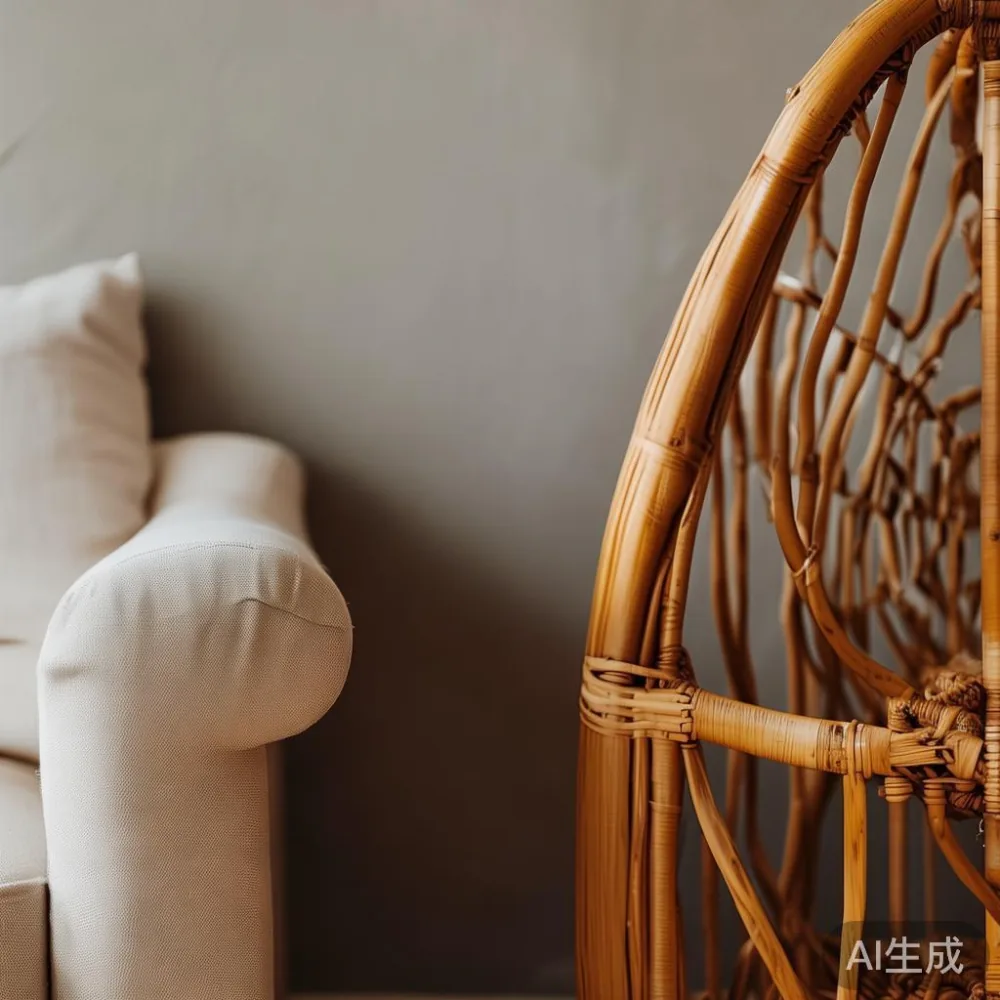
Why Does a Solid Wood Sofa Cost So Much More Than an Rattan Sofa?
A common point of comparison is between a solid wood sofa and a rattan furniture sofa. At first glance, the price difference can seem puzzling. The core reason lies in the raw material itself. A solid wood sofa frame is typically constructed from hardwoods like oak, teak, or mahogany. These materials are dense, heavy, and structurally sound. A single, large plank of oak for a sofa frame can weigh over 50 kg and cost SGD 300 or more. In contrast, rattan is a vine-like palm that grows quickly and is harvested sustainably. Its raw material cost is a fraction of that of dense hardwood. The structural components of a rattan furniture piece are often a combination of rattan wicker and a lightweight metal or wood frame, making the entire piece significantly lighter and less expensive to procure. The price of solid wood furniture is fundamentally anchored in the high cost of its dense, durable primary material.
What Exactly Are You Paying For? The Breakdown of a Price Tag
The final price of a solid wood bed frame or dining table is not the wood's cost plus a simple markup. It's an accumulation of several distinct components. Let's break down the anatomy of a price for a typical solid wood wardrobe.
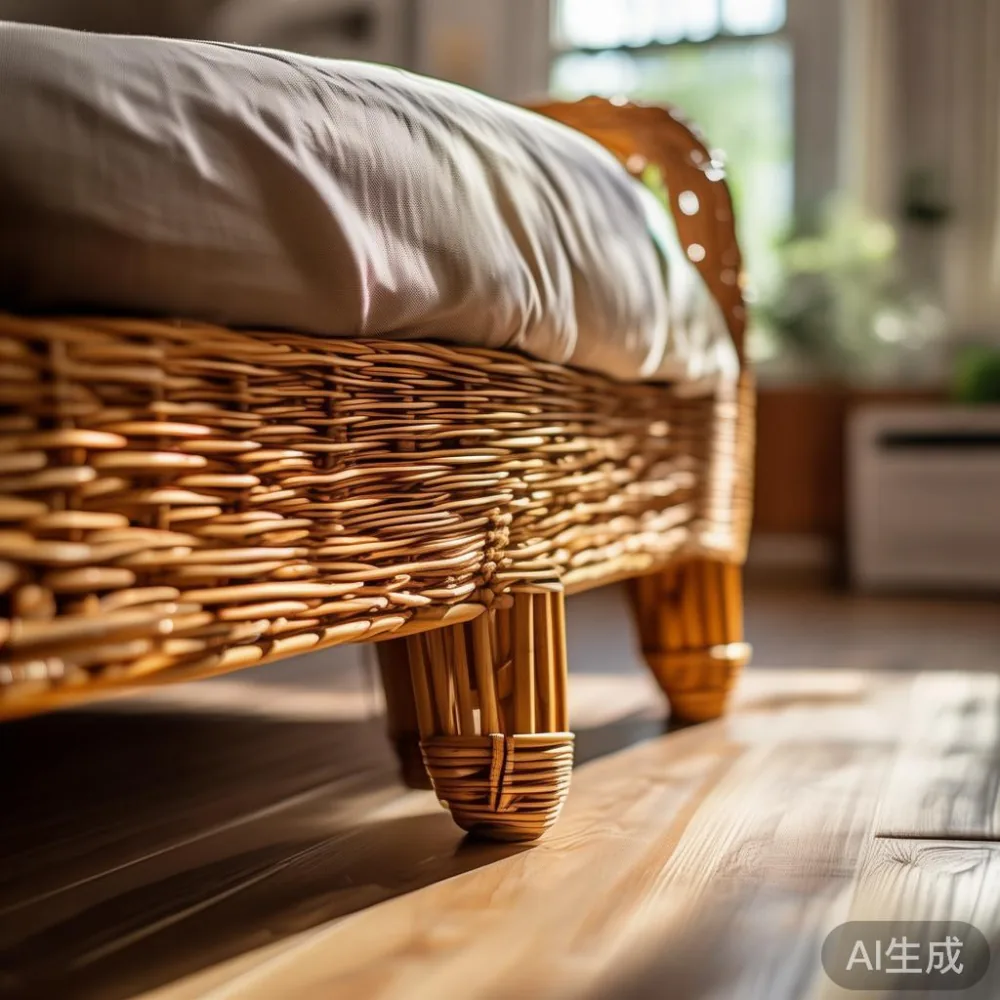
- Material Cost: This is the most significant variable. A wardrobe made from North American white oak will have a different base cost than one made from European walnut. Oak is durable and readily available, often costing between SGD 80 to SGD 120 per board foot (a 12x12x1 inch piece). Walnut, prized for its rich color and grain, can command SGD 150 to SGD 250 per board foot. The thickness of the wood also matters; a 2.5 cm thick panel is more substantial and costly than a 1.5 cm one.
- Labour and Craftsmanship: This is where the human element comes in. A piece assembled with traditional joinery—dovetail drawers, mortise and tenon joints—requires a skilled artisan. This process is time-consuming. A single hand-cut dovetail joint can take a trained craftsman 15 to 20 minutes to create. In contrast, a machine-made joint with dowels or staples takes seconds. The difference in labour hours can add hundreds or even thousands of SGD to the final price. This is why a post-modern light luxury nightstand with hand-finished details will command a higher price than a mass-produced alternative.
- Design and Engineering: The design phase involves creating technical drawings, selecting veneers, and planning the joinery. For a complex piece like a marble table with a solid wood base, the engineering must ensure the structure can support the heavy marble top (often 40-60 kg) without sagging over time. This design and engineering work requires skilled professionals and adds a fixed cost to each production run.
- Finishing: The finish protects the wood and defines its aesthetic. A simple, clear lacquer might take a few hours to apply and cure. A multi-step French light luxury finish, involving staining, glazing, and hand-rubbed wax, can take a craftsman 8 to 12 hours per piece. The cost of high-quality, non-toxic finishes also contributes to the final price.
How Do Geographic and Economic Factors Influence the Price?
The origin of the furniture plays a important role in its cost structure. A piece manufactured in Foshan, China, like those from MIDHILL, benefits from a highly efficient and skilled furniture-making ecosystem. Foshan is a global hub for furniture production, with a complete supply chain for raw materials, hardware, and labour. This integration reduces production costs. A solid wood sofa frame made in Foshan Lingzhan will have a different cost basis than one assembled in a country with higher labour costs and less supply chain integration.
For Singaporean consumers, these factors translate directly into the final price, plus the Goods and Services Tax (GST) of 9%. When a piece of furniture is imported, the landed cost includes the manufacturing price, international shipping (which can be SGD 200 to SGD 800 for a large piece like a dining table), customs duties, and the local GST. This is why a locally stocked piece can sometimes offer better value, even if the manufacturing origin is the same. The logistics of working through Singapore's HDB corridors, with standard widths of 1.2 metres, also mean that packaging and delivery are carefully planned to avoid damage, adding another layer of operational cost.
Is the Higher Price of Solid Wood Furniture Justified?
This is the question every homeowner asks themselves when weighing the investment. The justification lies in the concept of value versus cost. A cheaper, engineered wood or laminate piece might last 5 to 7 years before showing significant wear. A well-made solid wood bed frame, however, is an investment that can last for decades. The structural integrity of solid wood joints doesn't weaken over time in the same way that particleboard or MDF fasteners do.
Consider the warranty. A 10-year structural warranty, offered by reputable makers, is a powerful statement of confidence in the product's durability. This warranty covers the core framework of the furniture—the joints, legs, and main supports—against defects. It's a promise that the piece is built to withstand the rigours of daily life. Beyond the warranty, there's the benefit of refinishing. Solid wood can be sanded down and refinished multiple times over its lifespan. A scratched dining table can be restored to its original beauty, a longevity that engineered wood simply cannot offer. This ability to refresh a piece is a significant long-term value, extending the life of the furniture by another 10 or 15 years. For a family in a Bedok HDB flat, this means a single dining table could potentially see three generations of use.
How Can Singaporean Buyers Make a Smarter Investment?
With an understanding of what drives the price, a buyer can work through the market more effectively. The first step is to move past the aesthetics and focus on the construction. When examining a solid wood nightstand, ask to see the joinery on the inside or underneath. Dovetail drawers on solid wood sides are a mark of quality. For a dining table, check how the legs are attached to the tabletop. A mortise and tenon joint is far superior to a simple screw or bolt.
When considering styles, it's important to align the design philosophy with your home's architecture and your personal taste. If you're drawn to a more formal, elegant look, researching how to choose French provincial sofa can guide you towards pieces with classic curves and upholstery. For a minimalist and serene bedroom, you might explore is Japandi bed worth it by considering its clean lines and use of natural materials. The key is to choose a style you genuinely love, as you'll be living with the piece for a long time.
My colleague recently visited a showroom and was tempted by a sleek, modern console table. He was initially swayed by the low price but upon closer inspection, he noticed the thin veneer on an MDF core and plastic drawer slides. He decided to wait and invest in a proper Mid-century modern TV console made of solid teak with full-extension metal slides. He understood that the initial higher cost would be offset by its durability and the fact that it wouldn't need to be replaced in five years. It's a decision that pays off in the long run.
What About Rattan Furniture in the Mix?
While solid wood is a premium choice, rattan furniture occupies a different, equally valuable niche in the home. Rattan offers a light, airy aesthetic that is perfect for Singapore's climate and lifestyle. It's ideal for creating a relaxed, resort-like feel in a balcony, a study, or a sunroom. A rattan dining set, for example, is often lighter and easier to move around, which can be a practical consideration for homes where space needs to be reconfigured. The price of rattan furniture is driven by the quality of the rattan peel, the thickness of the internal frame, and the complexity of the weave. High-end rattan furniture uses thicker, more supple rattan and more durable frames, justifying a higher price point. For those seeking a light luxury feel with a more casual, tropical vibe, well-made rattan furniture is an excellent and often more affordable alternative to solid wood.
Looking Ahead: Trends and the Future of Furniture Pricing
The furniture market is not static. Consumer preferences are evolving, and this influences design and, consequently, pricing. There is a growing demand for pieces that blend styles. For instance, a solid wood base with a marble top combines the warmth of wood with the cool elegance of stone, creating a statement piece for a living room. Similarly, the search for the best Italian light luxury sofa for 2026 reflects a desire for sophisticated comfort, with an emphasis on high-quality fabrics, ergonomic design, and impeccable tailoring. These trends push manufacturers to innovate, often using a mix of materials and more complex construction methods, which can influence the price.
On the other end of the spectrum, the enduring appeal of Scandinavian design continues to drive demand for clean-lined, functional pieces. A consumer looking for the best Scandinavian sofa for 2026 will be paying for a design philosophy that emphasizes simplicity, natural light wood finishes, and high-quality upholstery. The value here lies in the timeless design and the focus on comfort and practicality. Understanding these trends helps buyers see that a higher price often reflects not just the materials and labour of today, but also a design that is intended to remain relevant and beautiful for years to come.
Why Does the Delivery and Return Policy Matter So Much?
The final piece of the price puzzle is the service that comes with the purchase. For large, heavy items like a solid wood bed frame or a marble table, delivery is a significant logistical undertaking. The cost of specialised vehicles, trained personnel to work through lifts and corridors, and insurance against damage is real. A policy of free shipping over a certain value, such as SGD 350, effectively absorbs a portion of this cost for the customer, making the purchase more attractive.
Equally important is the return policy. A 14-day return period provides a safety net. It gives the buyer time to live with the piece in their actual home environment—to see how the light hits it, how it fits in the space, and how it functions with their daily routine. This policy is a sign of confidence from the seller. It shows they believe in the quality and suitability of their product. For a major purchase like a dining table that costs SGD 2,000, having the option to return it if it doesn't meet expectations provides immense peace of mind. This assurance is part of the value proposition, even if it's not a line item on the price tag.