How Southeast Asian Humidity Affects Rattan Furniture and Solid Wood Pieces
Singapore’s equatorial climate can change from warm and damp to warm and rainy within hours. For residents of HDB flats in Tampines, Bedok and Punggol, this means timber furniture should be treated as an interior element that responds to moisture, not as an inert object placed in a room. Relative humidity commonly sits between 70% and 90% during the monsoon period, while air-conditioned interiors may be closer to 50% to 65%. Sudden changes can make solid wood swell, contract or develop small surface marks, even when the furniture has been correctly manufactured.
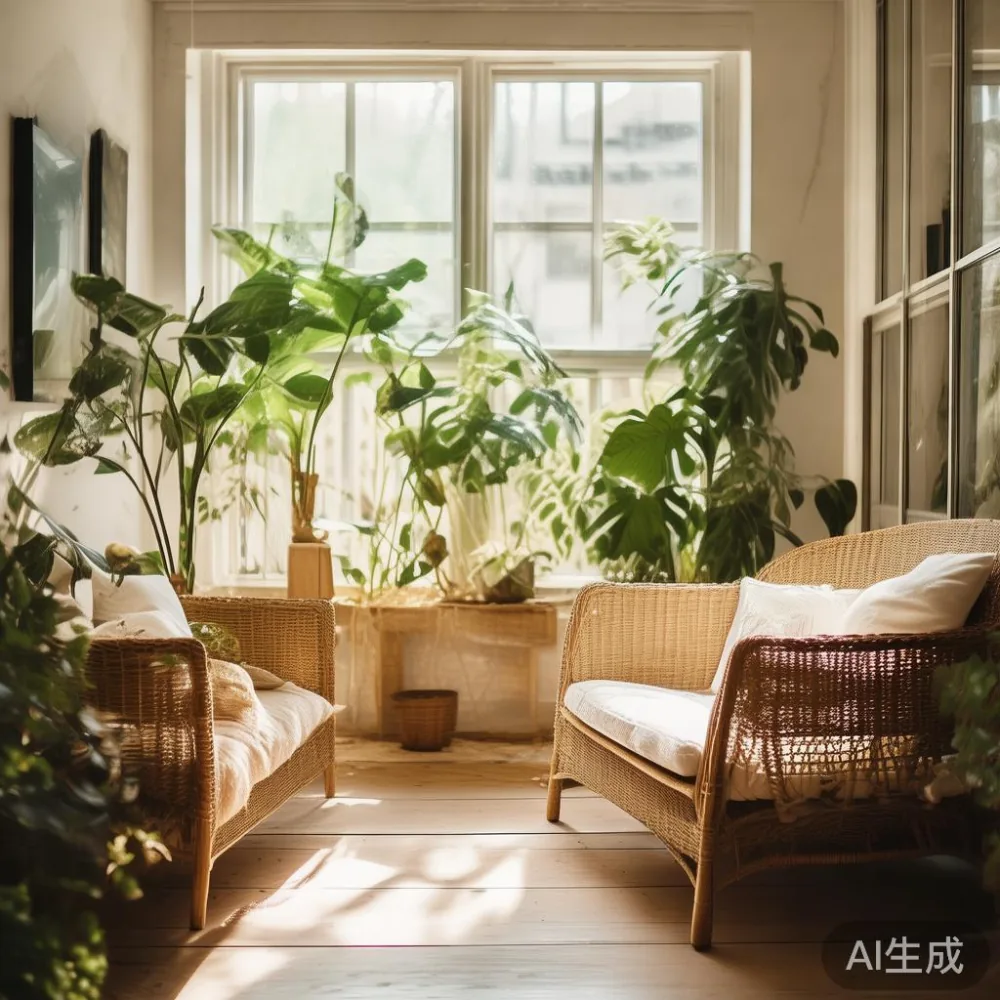
At MIDHILL, solid wood furniture is made with attention to structural stability and long service life. That matters in Singapore, where a 3-door HDB lift lobby may be only 1.1 metres wide, a corridor may narrow to 1.0 metre, and large wardrobes must be manoeuvred through turns before reaching a bedroom. Proper moisture control protects both appearance and the movement of doors, drawers and table leaves. The same discipline applies to rattan furniture, whose woven frames and seats should be kept away from persistent condensation and direct wetness.
Why does humidity affect solid wood furniture in Singapore?
Wood is hygroscopic: it naturally absorbs moisture when the surrounding air is humid and releases it when the air becomes drier. A kitchen-dining solid wood dining table may experience a visible response when its surface encounters steam from cooking, cold drinks or repeated wiping. The movement is usually measured in millimetres rather than centimetres, but repeated cycles can loosen a joint, stress a veneer edge or expose a slight difference in colour between exposed and covered sections.
Singapore’s humidity is not the only factor. Air-conditioning lowers relative humidity quickly, especially during the afternoon. A dining table near a window may absorb moisture in the morning and lose it under the evening cooling cycle. Furniture placed against an exterior wall faces a wider range than a piece in the middle of a condo. A wardrobe beside a bathroom door can also encounter damp air that does not settle as quickly as the general room reading on a hygrometer.
Temperature still matters. Warm humid air can hold more moisture than cooler air at the same relative humidity. This is why a measurement taken at 9 p.m. may not describe conditions at 7 a.m. after a shower-heavy night. A practical target for most wooden pieces is about 45% to 65% relative humidity, with less variation from one side of the room to the other. Stable conditions are generally kinder to timber than trying to keep a home at one exact number.
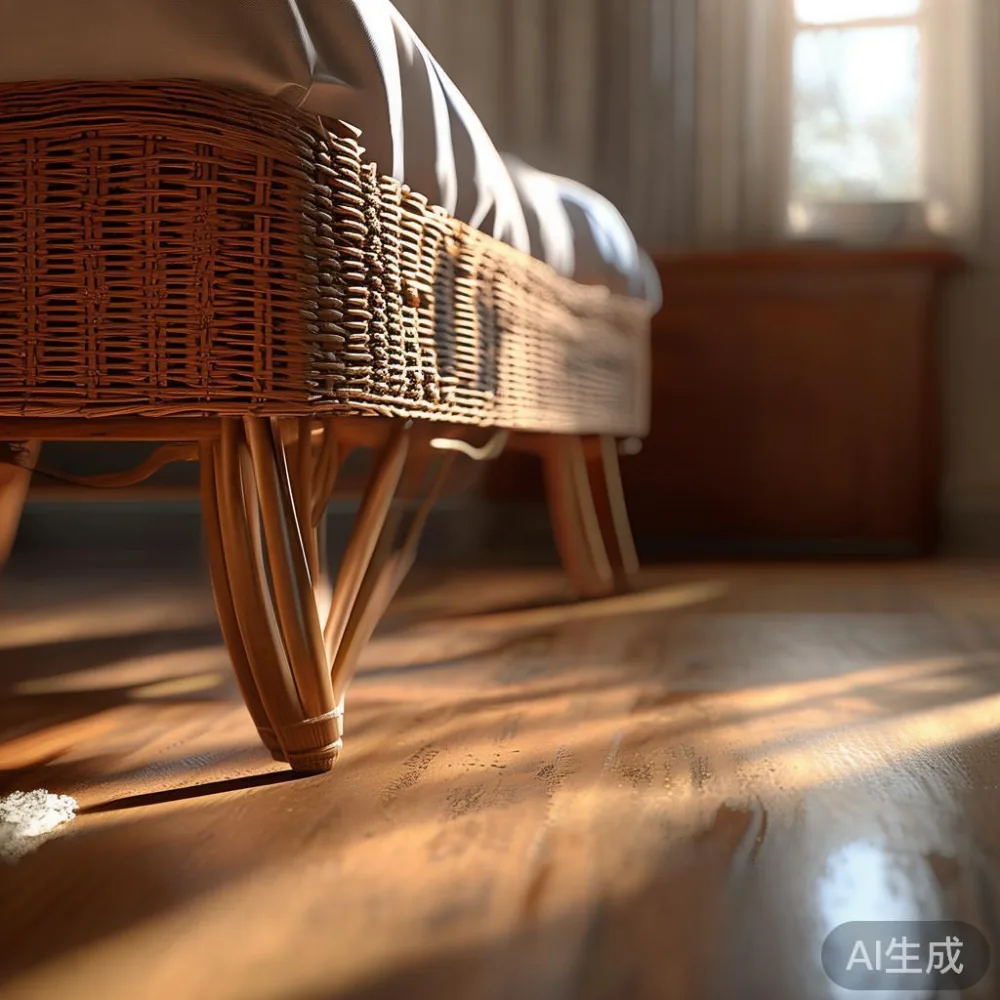
This is also why solid wood should not be confused with completely moisture-proof material. A well-made bed frame, nightstand or dining table is designed to tolerate normal seasonal movement. The aim is controlled indoor conditions and sensible placement, rather than the impossible expectation that timber will never react.
How should humid Southeast Asian conditions change furniture care?
Place wooden furniture away from air-conditioning vents, kitchen steam, laundry balconies and windows that remain open during heavy rain. Leave roughly 5 to 10 centimetres behind a wardrobe where practical, allowing air to circulate and making cleaning easier. This clearance can also matter in compact HDB interiors: a piece fitted tightly against a wall may trap moisture, while an adjustable wardrobe with a ventilated base can manage enclosed spaces more effectively.
Use a soft, slightly damp cloth for routine cleaning, then dry the surface immediately. Do not leave a damp cloth in a drawer, beneath a marble table top or around the joints of a bed frame. A pH-neutral wood cleaner is suitable for many finishes, but it should be tested on an inconspicuous area first. Avoid soaking timber, spraying cleaner directly onto it and using abrasive pads on a waxed or oiled surface.
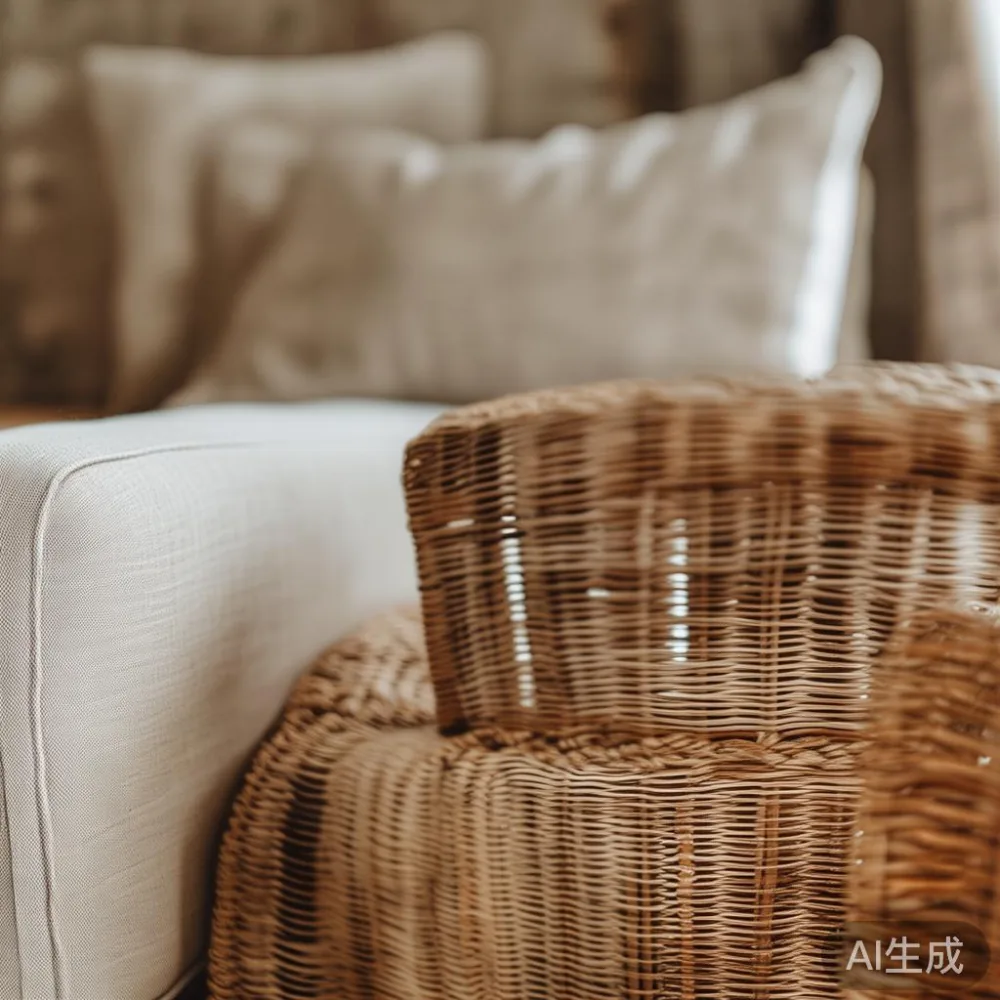
For rattan furniture, vacuum using a brush attachment and reduced suction, keeping the head away from the weave. Wipe with a barely damp cloth and never soak the fibres. One common mistake is to place rattan furniture on a balcony that receives only occasional use but remains exposed to rain and high humidity. A covered area with good airflow is more suitable. Inspect woven seats every 6 months for broken strands or loose bindings, especially after a wet season.
Check humidity with a small digital hygrometer rather than relying on a feeling. Place it near the actual furniture for at least 24 hours, not on a different wall. In a Tampines flat, readings can differ by 5% to 10% between the living room, bedroom and kitchen. If the display jumps repeatedly between 45% and 85%, adjust the air-conditioning schedule, close windows during rain and separate the furniture from moisture sources.
What should I do if a solid wood surface develops a white haze or small mark?
A pale haze can appear when moisture enters a finish and then evaporates quickly, often after cleaning a table with a wet cloth or placing a cold glass on a wooden top. The mark does not always mean that the timber is damaged. Let the surface dry naturally for 24 to 48 hours, keeping it away from strong direct sunlight and heat. Once dry, apply the care product recommended for the finish in a thin, even layer and buff according to its instructions.
Never use a metal scraper on a finished dining table, and do not sand aggressively without checking the finish and grain. If a mark remains after 7 days, move the table away from the moisture source and have the finish assessed. For a marble table, use a soft pH-neutral stone cleaner and a separate cloth; household acids can dull marble even when the surface appears highly polished.
Small gaps can also form when a solid wood panel changes dimension with humidity. A nightstand drawer that catches should not be forced. Adjust the runner or hardware after confirming that the timber has returned to its normal moisture level. Repeated forcing can turn a seasonal movement into damaged hardware, an avoidable repair that may cost more than a simple adjustment.
For scratches, use a finish-compatible repair rather than applying colour from a paint marker. Different wood species vary in tone and grain; oak, walnut and ash each react differently. A wax stick may suit a small nick, while a deeper repair needs careful sanding and refinishing. MIDHILL provides lifetime refinishing, which gives owners a practical route for restoring a piece when its finish eventually needs professional attention.
Can rattan furniture and solid wood pieces share the same apartment?
Yes. Rattan furniture can introduce lightness, texture and visual breathing room to a Singapore home, particularly in a compact condo where large volumes can feel heavy. A rattan dining chair with a 45-centimetre seat width and a total depth of about 50 centimetres leaves more circulation space than a broad upholstered seat. Rattan console tables and storage baskets can soften a solid wood bed frame without creating a mismatched room.
Pair finishes rather than matching every surface exactly. The grain of a solid wood dining table can work with the warm, open weave of rattan furniture, while a light-luxury palette prevents the room from looking crowded. Keep natural fibres away from damp corners and do not place rattan directly beneath an air-conditioning vent, where constant cooling and drying can make the material brittle.
Scale also affects how furniture feels in an HDB flat. A sofa with a width of 180 to 220 centimetres may suit a 24-square-metre living room, while a sectional over 280 centimetres can narrow the path between entrance and dining area. Leave at least 75 to 90 centimetres for a comfortable main route and roughly 60 centimetres behind dining chairs. For lift access, measure the lift door, cabin depth and corridor turns before selecting an oversized piece.
During delivery, compare the furniture dimensions with the lift signage and the service lift booking rules in the building. Padded blankets and corner guards reduce knocks during the 10 to 20-minute journey from the service lift to the flat. If the route includes stairs, the delivery team should know the exact landing and floor before the day of arrival.
How do I style a European sofa in an apartment with changing humidity?
When learning how to style European sofa in apartment layouts, begin with the room’s circulation rather than the catalogue image. A 3-seat sofa around 210 centimetres wide can work in many HDB living rooms if the coffee table remains at least 40 centimetres away and the main walkway stays clear by 75 centimetres. A loose cover should be removable for washing, while the frame and cushion platform should remain suitable for humid conditions.
Natural textiles, rattan furniture and pale timber create a relaxed composition suited to Singapore. Choose a low-profile solid wood sofa or bed frame with restrained lines, then add a nightstand rather than crowding both sides of the bed. French light luxury often relies on pale woods, elegant proportions and subtle upholstery rather than dense decoration. American light luxury can pair a structured dining table with soft seating, while post-modern light luxury may use clean shapes, gentle curves and fewer visible accessories.
Humidity requires practical textile choices too. Keep cushions away from windows that stay open during rain, and use machine-washable covers where the sofa allows. Cotton and linen can breathe, but they should not remain damp against timber. Rotate seat cushions weekly and check underneath after 2 to 3 months for trapped moisture or dust. A room that receives direct air-conditioning can remain visually fresh without exposing furniture to repeated swings in relative humidity.
For a 10-year-old HDB interior, updating the rug, cushions and curtains can alter the mood without replacing every item. Avoid placing a rattan furniture set against a cold glass wall where condensation forms on particularly humid mornings. A 5-centimetre gap from the wall may be insufficient if air cannot move behind it; 10 to 15 centimetres gives more useful ventilation in a wider bedroom.
Which solid wood pieces need the closest humidity attention?
Wardrobes deserve attention because their large panels respond to room conditions and are often installed against walls. Confirm that the unit is level, allow space for ventilation where the design permits and avoid trapping wet laundry against the doors. For inspiration, a search for the best Italian light luxury wardrobe for 2026 can reveal useful ideas about pale finishes, slim profiles and integrated storage, but every product should be checked against the actual HDB or condo dimensions.
A solid wood bed frame is less exposed to spills than a dining table, yet its headboard and side rails may sit near an open window or bathroom. A gap of 5 to 10 centimetres between the headboard and a cool wall can reduce condensation. For design comparisons, the best Post-modern bed for 2026 may offer curved corners and quieter lines, making it useful in a Punggol studio without overwhelming the room.
A nightstand should not be positioned where damp towels or an open drink can reach its top. A small tray can protect the surface, provided it is removed for cleaning. A marble table is less absorbent than wood but still requires care: wipe acidic liquids promptly and use coasters under hot vessels. A separate cloth for stone prevents cleaner residue from transferring to nearby timber.
For the dining area, a solid wood dining table should have enough distance from the kitchen entrance to reduce steam exposure. Extend leaves only when the timber has acclimatised to the room, and follow the maker’s instructions so the mechanism is not forced. Buyers browsing for sale American furniture can evaluate the dimensions, finish and structural details, but local humidity and delivery access should carry equal weight.
Design references such as the best Mid-century modern furniture can be helpful for planning proportions, tapered forms and a balanced mix of wood and woven textures. Yet a piece that looks generous in a showroom may feel too large after a 1.1-metre lift door and a corridor bend. Request exact product dimensions before ordering, including the depth of protruding mouldings and the packaging size.
How can owners prepare furniture before the monsoon arrives?
Begin 3 to 4 weeks before the wetter period. Measure the relative humidity in the intended furniture zone, identify condensation points and move pieces away from persistent dampness. Check every solid wood dining table, bed frame and nightstand for loose joints. Inspect rattan furniture bindings monthly, remove cushions so trapped moisture can escape and repair a broken strand before it spreads along the weave.
Air-conditioning needs a sensible routine rather than a sudden switch from 22 degrees Celsius to 28 degrees Celsius. Keeping indoor temperature within a band of about 2 degrees Celsius can reduce visible moisture movement, although the set point should remain comfortable and consistent with the building’s guidelines. Use the hygrometer for at least 7 days before and after making a change, recording readings at 8 a.m. and 8 p.m. Two readings are enough to reveal a pattern; 14 daily readings give a clearer view.
Check delivery and placement conditions for new furniture. Solid wood should acclimatise in the room for 48 to 72 hours before tight installation where the maker permits. Keep protective packaging away from wet floors and never seal a piece inside plastic for more than 24 hours. Rattan furniture should remain unwrapped in a ventilated space, with any moisture barrier opened promptly.
Singapore’s added consumption tax is already reflected in displayed retail prices, but buyers should still confirm the final invoice total in SGD. MIDHILL offers free shipping for orders over US$350, although the threshold is shown in US dollars while payment and local costs are handled in SGD. Allow approximately 7 to 14 delivery days after the order is confirmed, with 2 to 4 extra days for peak periods or remote addresses.
Returns are accepted within 14 days under the stated policy, so customers should inspect packaging, dimensions and visible finish on arrival. Photograph the furniture and delivery route before assembly. Structural issues should be documented promptly, while wood movement consistent with humidity should be assessed with care rather than automatically treated as a defect.
The practical answer is controlled moisture, sensible placement and regular inspection. Solid wood furniture can remain handsome and structurally sound for many years in Singapore when it is allowed to move gradually. Rattan furniture also performs well when kept dry and ventilated. With a 10-year structural warranty and lifetime refinishing from MIDHILL, the finish can be maintained as the home and its weather change through the year.