The Silent Enemy: How Southeast Asia's Humidity Threatens Your Wood Furniture
Singapore is a city of marvels. From the soaring heights of Tampines' new executive condominiums to the tranquil canals of Punggol, our homes are our sanctuaries. We obsess over interior design, carefully selecting a solid wood sofa for the living room, a marble table for the dining area, and a sleek wardrobe for the master bedroom. We plan for the GST on our purchases and measure our lift corridors to ensure a new bed frame will fit. But there's an invisible force, a constant presence in our HDB flats and condos, that works silently against our prized possessions: humidity.
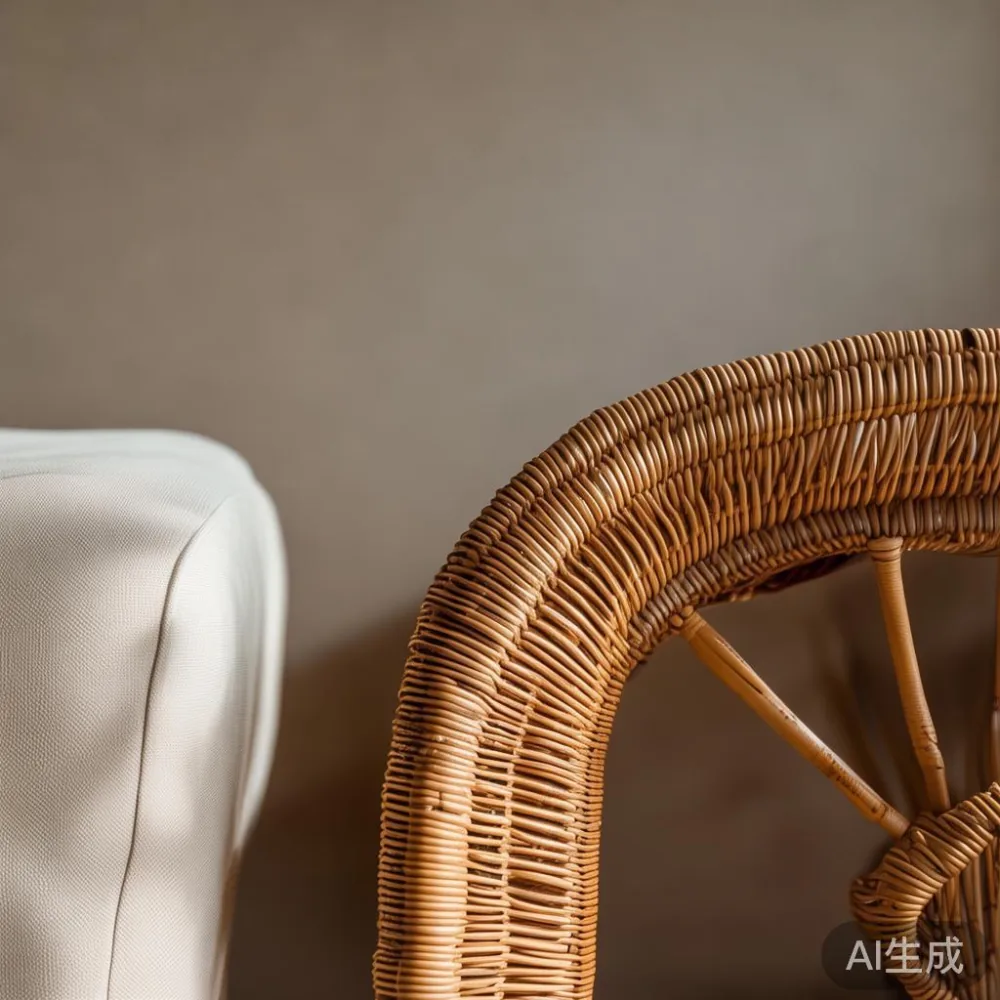
Last month, I visited a client in a beautiful Bedok resale flat. She had invested in a stunning American light luxury dining set—a solid wood table and six chairs—just two years prior. Yet, the tabletop showed distinct signs of distress. It had cupped along its length, the centre rising by nearly 5mm, and the finish had begun to dull in patches. She was perplexed, convinced she had taken good care of it. The culprit wasn't neglect; it was the ambient humidity, which in her apartment hovered around a constant 78%. This experience is not unique. It’s a silent battle being waged in homes across Southeast Asia, and understanding it is the first step toward protecting your investment.
Understanding the Science: Wood as a Living Material
To understand the threat, we must first understand our opponent: wood. Despite its solid and static appearance, wood is a hygroscopic material. This scientific term simply means it absorbs and releases moisture from the air. Think of it like a sponge, but one that reacts slowly and subtly. Wood is composed of long cellulose fibers held together by a natural glue called lignin. When the surrounding air is humid, these fibers absorb water molecules, causing them to swell and expand. When the air is dry, they release moisture, causing the fibers to shrink and contract.
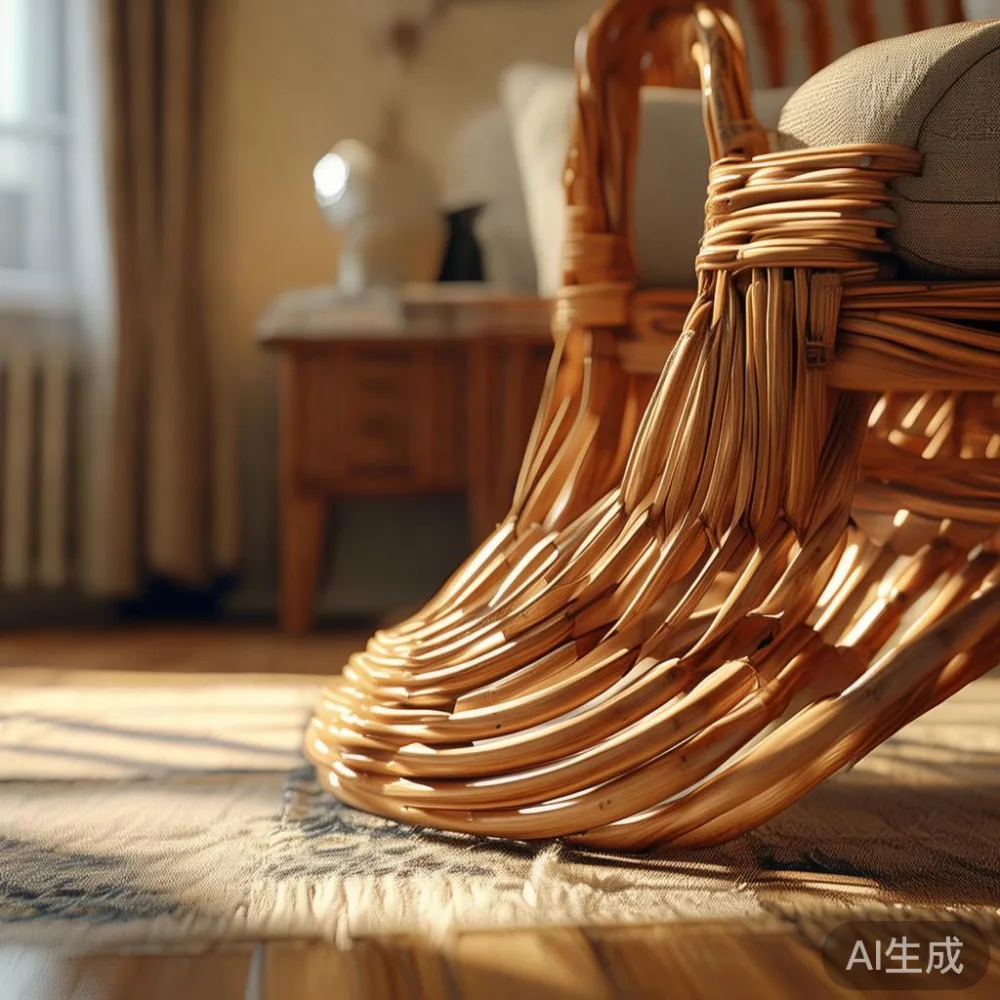
This natural movement is called wood movement. It is an inherent characteristic of all solid wood furniture, from a simple nightstand to a grand dining table. The problem in Southeast Asia isn't that wood moves; it's that the humidity levels are so consistently and persistently high that the wood is in a constant state of swelling. It never gets a chance to dry out and return to its stable state. This prolonged, one-directional pressure is what leads to the visible damage we see: warping, cracking, and joint failure. For a piece of rattan furniture, which often features a solid wood frame, this constant swelling can stress the connections and lead to a less stable structure over time.
Visible Scars: What Humidity Damage Actually Looks Like
The effects of prolonged humidity exposure are not always immediate, but they are inevitable and progressive. Recognizing the signs early can help you intervene before the damage becomes irreversible. Here’s what to look for in your own home.
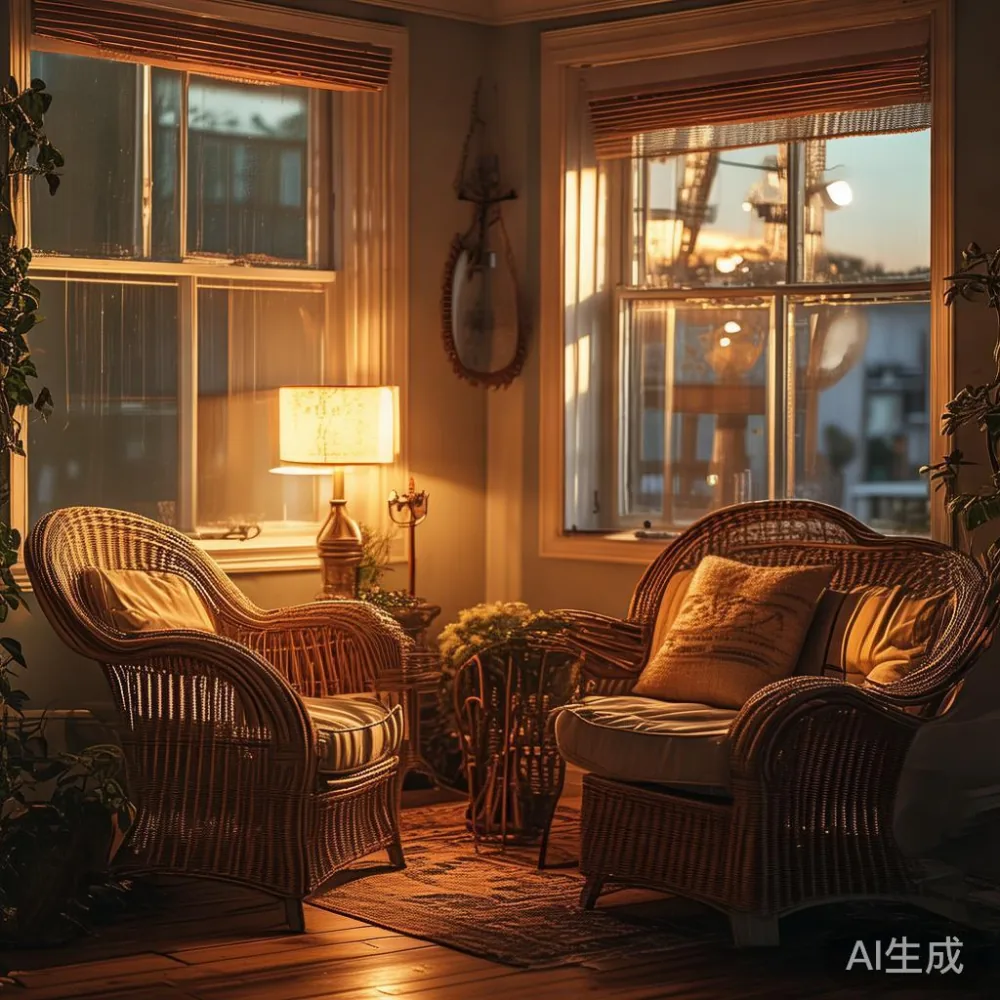
One of the most common issues is cupping. This occurs when the edges of a wooden board, like a tabletop or a wardrobe door, rise higher than the centre. The differential moisture absorption between the surface and the core of the wood causes the board to curl upwards. You might notice your marble table's base, if made of wood, starting to cup, making it wobble slightly. Another sign is crowning, the opposite of cupping, where the centre of the board is higher than the edges. Both are clear indicators that the wood is under stress from moisture imbalance.
Cracking, or 'checking,' is another tell-tale sign. As the wood swells beyond its capacity, the internal stresses can become too great for the lignin to hold the fibers together. The wood will relieve this pressure by splitting, often along the grain. These cracks can start as fine, hairline fractures but can widen over time, particularly in pieces like a solid wood bed frame where the wood is thick and under significant tension. You might find these cracks on the side panels of a wardrobe or the legs of a dining chair.
Finally, pay close attention to the joints and glue lines. The adhesives used in furniture construction are designed to bond wood under specific conditions. When the wood swells, it puts immense pressure on these joints. Over time, this can cause them to weaken, leading to gaps in dovetail joints on a drawer, a loose leg on a sofa, or a door that no longer closes properly on a cabinet. For rattan furniture, which relies on a solid wood frame for its structure, compromised joints can lead to a rattling, unstable feel.
How to Choose Light Luxury Bed: The Role of Material Selection
Not all wood is created equal for resisting humidity. If you are in the market for new furniture, understanding the differences between wood species is a powerful tool for making a durable choice. Some woods are naturally more stable and less prone to movement than others.
Hardwoods like Teak, Oak, and Walnut are generally better choices. Teak, for instance, is renowned for its high oil content, which naturally repels water and makes it exceptionally resistant to warping and rot. Oak is a dense, heavy wood that moves relatively little compared to other species. When you are considering a French bed vs Japandi bed, for example, the material of the frame is a critical factor in its longevity in our climate. A solid oak frame will hold its shape far better than a pine frame over many years.
On the other hand, softwoods like Pine and Rubberwood are more porous and absorbent. They are more susceptible to swelling and shrinking with changes in humidity. While they can be beautiful and more affordable, they require more diligent care in a high-humidity environment. This is a key consideration when looking for cheap Modern light luxury furniture; the lower price might come with a material that is less durable in the long run.
For those who love the aesthetic of rattan furniture, the quality of the accompanying wood frame is paramount. Reputable manufacturers, like those in Foshan Lingzhan, ensure that the solid wood components used in their rattan pieces are selected for their stability. The rattan itself is also treated to resist mould and mildew, which thrive in humid conditions. A well-constructed rattan set will have joints that are reinforced and designed to accommodate the natural movement of the wood, ensuring the piece remains sturdy for years.
Is My Condo's Air Conditioner Enough to Protect My Furniture?
This is a question we hear often from homeowners in Singapore. The answer is nuanced. An air conditioner (AC) does help by lowering the ambient temperature, which can, in turn, reduce the absolute humidity. However, a standard residential AC unit is not a dehumidifier. Its primary function is cooling, and it recycles the air in a room without actively removing a significant amount of water vapour from it.
Consider this: a typical bedroom in a condo might be 25 degrees Celsius with a relative humidity of 70%. The AC cools the room to 23 degrees. The relative humidity might rise slightly to 75% because cooler air cannot hold as much moisture. The AC has not solved the humidity problem; it has just made the air slightly cooler and more saturated. The wood in your solid wood sofa or bed frame is still exposed to a moisture level that will cause it to swell.
To truly protect furniture, a dedicated dehumidifier is a far more effective solution. These appliances are designed to pull water vapour from the air, collecting it in a tank. For a 120-square metre apartment, a dehumidifier with a capacity of 30 litres per day is a good starting point. Running it in the wardrobe, where a large amount of solid wood is concentrated, or in the living room where a marble table and solid wood sofa reside, can make a substantial difference. Maintaining an indoor relative humidity between 45% and 55% is the ideal target for wood furniture, a level most AC units alone cannot consistently achieve.
Practical Care: Protecting Your Investment Daily
While choosing the right materials is a long-term strategy, daily habits can have a profound impact on the lifespan of your wood furniture. Protection is often about creating a buffer between the humid air and the wood itself.
Placing coasters under glasses and hot plates on a dining table is a basic rule, but it's especially important in a humid climate. Condensation can form on the outside of a cold glass, and without a coaster, that moisture is directly absorbed into the wood's finish. For a marble table, this prevents water rings that can etch the surface over time. Similarly, using placemats on a solid wood dining surface provides an extra layer of defence against everyday spills and moisture.
Direct sunlight is another enemy. While Singapore doesn't have harsh winters, the sun can be intense. UV rays can fade the colour of wood and dry out the finish, making it more brittle and prone to cracking. Positioning your furniture away from large, uncurtained windows or using UV-protective window film can prevent this kind of damage. This is particularly important for a light luxury bed or a post-modern for small living room set, where the aesthetic integrity of the colour and finish is a key part of its appeal.
Regular, gentle cleaning is also part of good care. Use a soft, dry or slightly damp cloth to wipe down surfaces. Avoid harsh chemical cleaners or excessive amounts of water, as these can strip the protective finish and allow moisture to penetrate the wood. For a piece like a rattan furniture set, a soft brush can be used to clean the wicker weave, followed by a wipe-down of the wood frame with a suitable wood polish. Consistency is key; a small amount of care each week is far more effective than a major overhaul once a year.
Why a 10-Year Structural Warranty Matters in Our Climate
When you make a significant purchase, like a solid wood dining table or a complete bedroom set, you are investing in your home. In a climate as challenging as Singapore's, the peace of mind that comes with a strong warranty is invaluable. A 10-year structural warranty, for instance, is a powerful commitment from a manufacturer. It signals confidence in their construction techniques and the materials they use.
Such a warranty covers the core integrity of the furniture—the frame, the joints, the legs. It protects you against the very problems humidity can cause: warping frames, splitting tabletops, and failed joints. Knowing that a company stands behind its product for a decade means that even if the environment takes its toll, you have recourse. It’s a form of insurance against the silent enemy. This is a key consideration when you are figuring out how to choose light luxury bed; the warranty provides a long-term safety net that cheap alternatives simply cannot match.
Also, a lifetime refinishing warranty is another layer of protection. Over many years, even the best-maintained finish will show wear from cleaning and use. A lifetime refinishing promise means the manufacturer will restore the original beauty of the piece, ensuring it looks as good as new. For a family passing down a solid wood sofa or a wardrobe through generations, this ensures the piece retains its aesthetic value. When considering a purchase, always look beyond the initial price tag and consider the total value, which includes the comprehensive warranty that protects your investment against the specific environmental challenges of our region.
Ultimately, enjoying beautiful wood furniture in Southeast Asia is about awareness and action. By understanding how humidity affects wood, choosing stable materials, and implementing a simple care routine, you can create a home where your furniture not only looks stunning but also stands the test of time. It allows you to confidently select the perfect piece, whether it's a vintage bed for 2026 or a mid-century modern sofa, knowing you have the knowledge to protect it for years to come.