The Fine Print: How to Read a Furniture Warranty in Singapore Without Getting Caught Out
Buying furniture for a Singaporean home is a significant investment, especially when working through the specific layouts of HDB flats in Tampines or the spacious living rooms of Bedok condos. A solid wood dining table, a comfortable sofa, or a sturdy bed frame are not just purchases; they are long-term commitments to your living space. That's where a furniture warranty comes in, acting as a promise of quality and durability. However, these documents are often filled with complex language and hidden clauses designed to protect the manufacturer, not necessarily the customer. Understanding this fine print is the key to ensuring your investment is protected for years to come.
What Exactly is a Furniture Warranty and Why Does it Matter in Singapore?
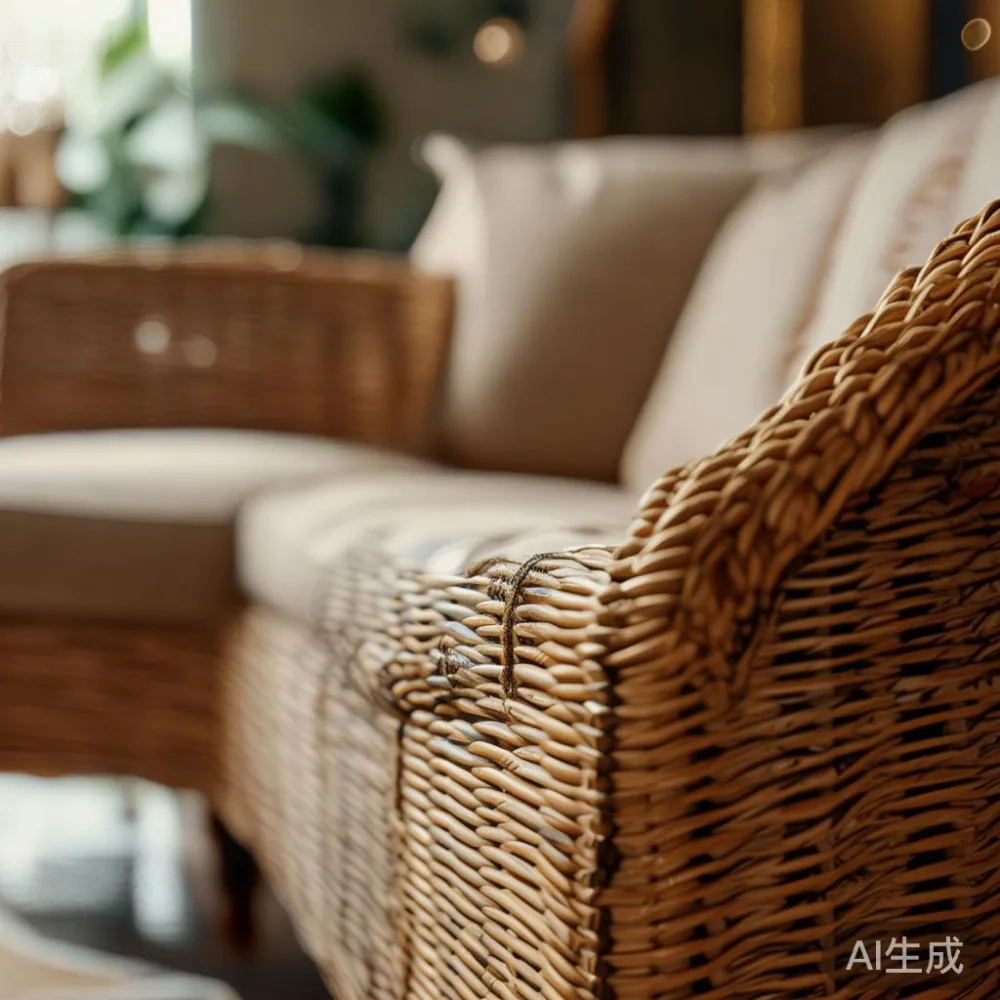
A furniture warranty is a manufacturer's promise to repair or replace a defective product within a specified period. In the context of Singapore's high-density living, where space is at a premium and furniture must endure the humid climate, this document becomes critically important. It's your primary recourse if a solid wood sofa frame warps, a rattan furniture set loses its structural integrity, or a marble table top cracks under normal use. The warranty details the coverage, the duration, and the conditions under which the manufacturer is obligated to help. Without a clear understanding of it, you could be left with a damaged piece of furniture and no financial recourse to fix it.
Decoding the Jargon: Understanding Key Warranty Terms
Warranties are notorious for their dense, legalistic language. To avoid being caught out, you need to translate this jargon into plain English. Here are the most common terms you'll encounter and what they mean in practical terms for your Singapore home.

- Structural Warranty: This is the most important part. It covers the core frame and construction of your furniture. For a solid wood bed frame, this means the wood itself, the joints, and the support system. A 10-year structural warranty, like the one offered by some manufacturers, is a strong indicator of confidence in the product's build quality. It protects against issues like sagging slats, cracked frames, or broken legs.
- Material Defects: This clause covers issues with the primary materials used. For rattan furniture, this would include problems like splitting cane, fraying weaves, or discolouration. For a marble table, it would cover cracks or significant staining that occurs under normal conditions. It typically does not cover scratches or wear and tear.
- Finish Warranty: This relates to the surface treatment of the wood, rattan, or metal. A lifetime refinishing warranty is a premium feature, common in high-end American light luxury furniture. It means if the original lacquer or paint finish fails due to a defect (not normal wear), the manufacturer will provide the materials or service to restore it. This is different from a 'finish warranty' that might only cover peeling for 1-2 years.
- Normal Use vs. Abuse: This is the most common point of contention. 'Normal use' is defined by the manufacturer and is often a grey area. For a wardrobe, normal use would be hanging clothes and storing items. Abuse would be overloading it with 50 kg of books on a single shelf. Understanding this distinction is key to knowing if a claim will be accepted.
Common Warranty Traps and How to Spot Them
Manufacturers include clauses to limit their liability. Being aware of these common traps will help you avoid disappointment when you need to make a claim.
- Exclusions: Every warranty has a list of things it does not cover. This is where you need to pay close attention. Common exclusions include damage from moving the furniture, improper assembly, exposure to extreme elements (like leaving a rattan sofa set outdoors), and normal wear and tear such as minor scratches, fading from sunlight, or fabric pilling. If a warranty seems to cover everything, read the exclusions section closely—it will tell you the real story.
- Improper Maintenance: This is a sneaky one. A warranty might be voided if you fail to follow the manufacturer's specific care instructions. For a solid wood dining table, this might mean not using a certain type of polish. For rattan furniture, it could mean not wiping up spills immediately. Keep the care manual and follow it to the letter to maintain your warranty's validity.
- Limited to Replacement Parts, Not Labour: Some warranties state they will only provide the defective part, not the cost of labour to install it. For a complex item like a wardrobe with internal mechanisms, this could leave you with a pile of parts and no one to assemble them. A comprehensive warranty will cover both parts and labour.
- Prorated Coverage: After an initial period, the coverage may become 'prorated'. This means the manufacturer's contribution decreases over time. For example, in year 6 of a 10-year warranty, they might only cover 40% of the repair cost. This is common for structural warranties and is a standard practice, but you need to be aware of it.
What a Comprehensive Warranty Should Cover: A Singapore Homeowner's Checklist
Not all warranties are created equal. As a savvy consumer in Singapore, you should look for coverage that addresses the specific challenges of your living environment. Here is a checklist of what a strong warranty should include.

- Long Structural Coverage: Aim for at least 5-10 years on the frame. This protects your biggest investment. A 10-year structural warranty is a sign of a confident manufacturer.
- Lifetime Finish/Refinishing: This is a hallmark of quality furniture, especially for pieces like a solid wood sofa or a European light luxury bed. It shows the manufacturer stands by the durability of their finish.
- Clear Exclusions: The warranty should clearly state what is not covered. Vague language is a red flag. Look for specific details about what constitutes 'abuse' or 'improper maintenance'.
- Comprehensive Material Coverage: The warranty should explicitly cover rattan, wood, metal, and upholstery materials against defects. It should specify the duration for each; for example, 5 years on fabric and rattan, 10 years on the wood frame.
- Easy Claims Process: The process for making a claim should be simple and clearly outlined. Look for information on who to contact, what documentation you need (like proof of purchase), and the expected timeline for resolution.
How to Verify a Warranty Before You Buy: A Practical Guide
Don't just take the warranty at face value. A little due diligence before you spend your hard-earned SGD can save you a world of trouble later.
- Ask for the Full Document: Request a copy of the complete warranty document, not just the marketing summary. Read it from start to finish. Pay special attention to the sections on coverage duration, exclusions, and the claims process.
- Check Company Reputation:
A warranty is only as good as the company that stands behind it. Research the manufacturer online. Look for reviews from other Singaporean customers. How do they handle warranty claims? A company established in 2008, like MIDHILL, has a long history and a reputation to uphold, which can be a good sign. My colleague last month visited a showroom and spoke with a salesperson who confidently detailed their 10-year structural warranty and lifetime refinishing policy, which was a deciding factor for her.
- Understand the Delivery and Installation Terms:
For large pieces like a dining table or wardrobe, delivery and installation are part of the experience. Does the warranty cover damage that occurs during delivery? What happens if the item arrives damaged? A good warranty will have clear clauses for this. Also, check if the delivery fee is included or if it's an extra cost. Free shipping over SGD 350 is a common offer that can save you a significant amount, especially for bulky items like a solid wood sofa.
- Consider the Return Policy:
Even with a great warranty, sometimes a piece of furniture just isn't right for your space. A 14-day return policy gives you a safety net. This is particularly useful in Singapore, where HDB corridor widths in older estates can be a tight 90 cm, and a bulky nightstand might not fit as expected. Being able to return an item that doesn't physically fit your home is a valuable protection.
- Understand the Delivery and Installation Terms:
What Should You Do If Your Furniture Fails? The Claims Process Explained
Even with the best warranty, making a claim can be a stressful process. If your rattan furniture develops a structural defect or your marble table cracks, follow these steps to ensure a smooth resolution.
- Document Everything: Take clear, high-resolution photos and videos of the defect from multiple angles. Keep all original paperwork, including the purchase receipt, warranty card, and delivery notes.
- Review the Warranty: Go back to the warranty document and confirm that the issue you're experiencing is covered under the terms. Make sure you haven't accidentally voided the warranty through improper maintenance.
- Contact the Manufacturer: Follow the official claims process outlined in the warranty. Be polite but firm. Clearly explain the problem, provide your documentation, and reference the specific clause of the warranty that applies to your situation.
- Get Everything in Writing: Keep a record of all communications, including emails and phone call logs. If the manufacturer agrees to a repair or replacement, get the details in writing before any work begins.
Understanding your furniture warranty is not about being pessimistic; it's about being a smart and prepared homeowner. By learning to read the fine print, you can protect your investment and ensure that your beautiful new solid wood dining table, comfortable sofa, or elegant wardrobe continues to grace your Singaporean home for decades to come.