The Real Cost of Veneer vs. Solid Wood Over Five Years
Choosing furniture for a Singapore home involves a delicate balance between aesthetic appeal, practicality, and long-term value. With the unique spatial constraints of HDB flats and condominiums, particularly in areas like Tampines, Bedok, and Punggol, where lift widths and corridor dimensions are often a tight 80-90 cm, every purchase decision carries weight. Beyond the initial price tag, the true cost of a piece of furniture is measured over its lifespan. This article provides a detailed 5-year cost comparison between veneer and solid wood furniture, using concrete figures from the Singapore market to help you make a financially sound investment for your living space.
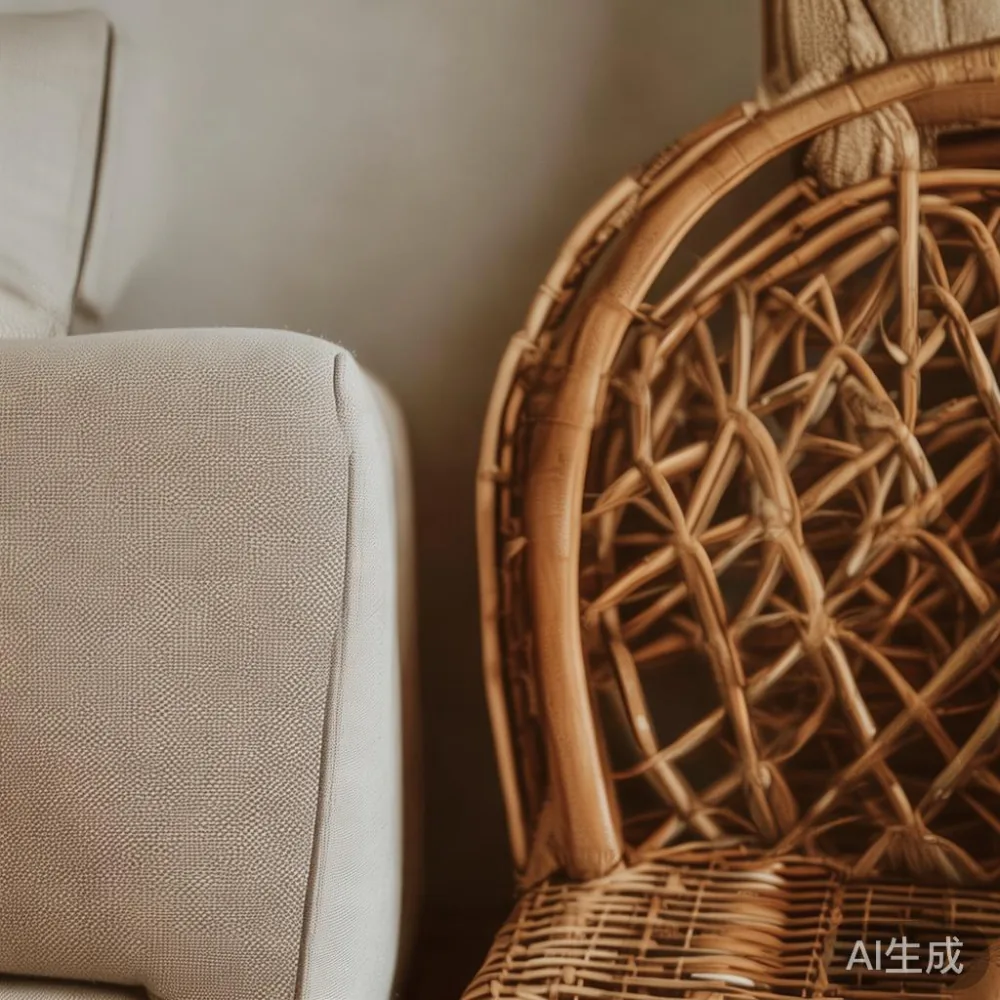
Understanding the Core Difference: Material vs. Facade
At its heart, the difference between veneer and solid wood furniture lies in its composition. Solid wood furniture is crafted from a single, solid piece of timber, such as oak, walnut, or teak. The entire structure, from the main frame to the legs and drawer sides, is made of this natural material. This construction is inherently durable and allows for future refinishing, extending the furniture's life for decades. A solid wood dining table, for instance, can be sanded down and re-stained to match a new decor scheme, a process that can be repeated multiple times over its 30-50 year lifespan.
Veneer furniture, on the other hand, uses a thin layer of real wood (the veneer) applied over a core made of a less expensive material, typically particleboard, MDF (Medium-Density Fibreboard), or plywood. This core material provides the shape and structure, while the veneer gives the appearance of solid wood. While a well-made veneer piece can look identical to its solid wood counterpart initially, the long-term performance differs significantly. The core material is susceptible to moisture damage, which can cause it to swell and disintegrate, and it cannot be sanded or refinished. Once the veneer is damaged, the piece is often irreparable.
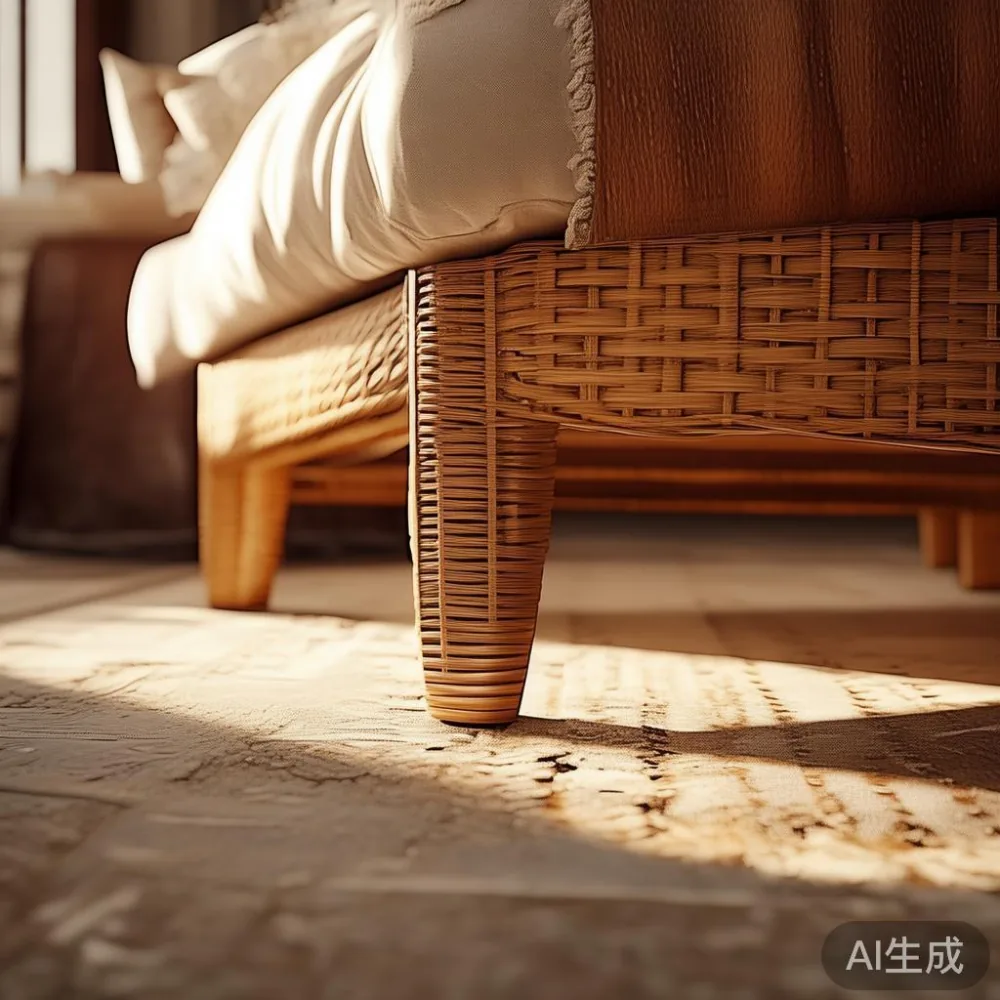
Initial Investment: The Upfront Cost Breakdown
The most immediate difference between veneer and solid wood is the purchase price. In Singapore, where quality home furnishings are a significant investment, this initial outlay is a primary consideration for many homeowners. Let's look at the average prices for common living room and bedroom pieces, factoring in the prevailing 9% Goods and Services Tax (GST).
Living Room: The Solid Wood Sofa vs. Veneer Sofa
A standard 3-seater solid wood sofa frame from a reputable brand will typically cost between SGD 3,500 and SGD 5,500. This price reflects the high-quality timber, solid joinery, and the labour involved in crafting a durable piece. The upholstery is an additional cost, but the frame itself is a long-term asset. In contrast, a veneer sofa of similar dimensions and style might be priced between SGD 1,800 and SGD 2,800. The lower cost comes from the engineered wood frame and the application of a wood-grain printed or thin real wood veneer.
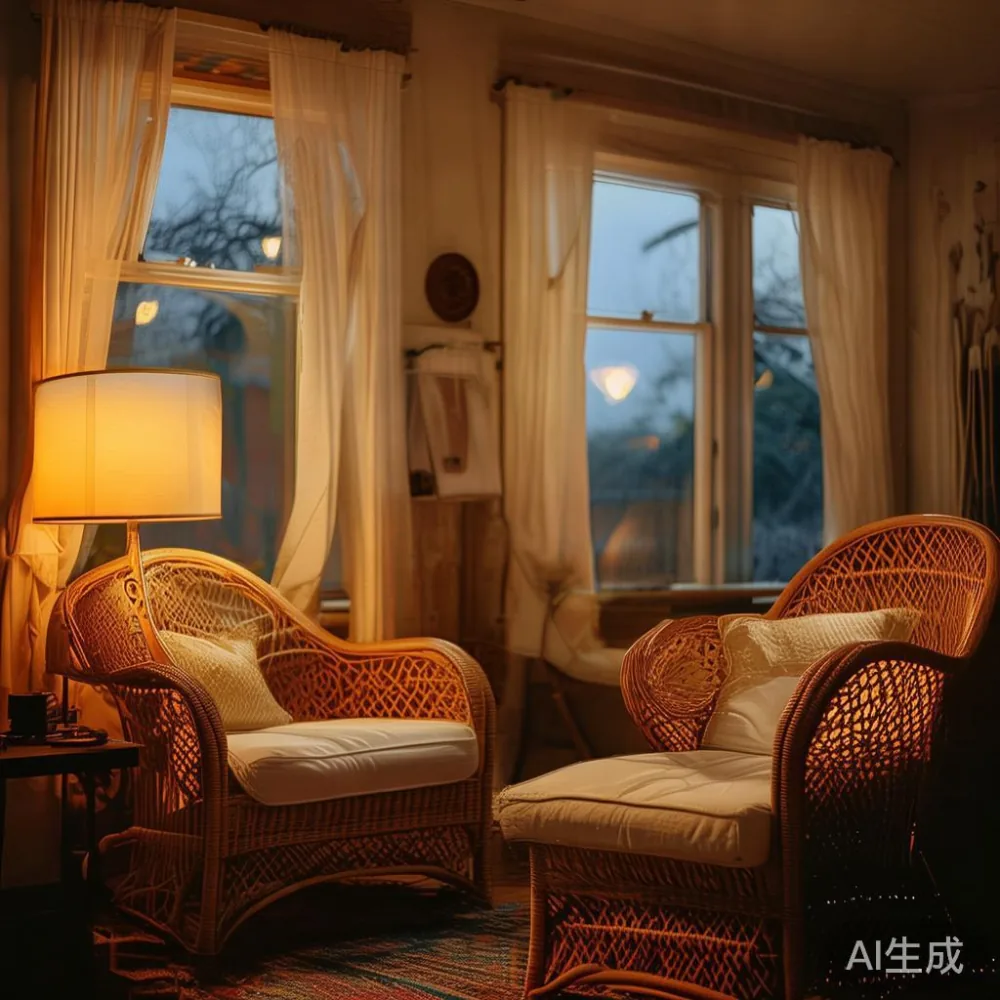
Bedroom: The French Provincial Bed Frame
For a bedroom, a French provincial bed frame in solid mango wood can command a price of SGD 2,800 to SGD 4,000. The intricate carvings and solid construction justify the premium. A veneer version of the same style might sell for SGD 1,200 to SGD 1,800. The difference in initial investment is clear: opting for solid wood requires a commitment of an additional SGD 1,000 to SGD 2,200 for just the bed frame alone.
Dining: The Solid Wood Dining Table
A solid wood dining table that seats six people will generally fall in the range of SGD 2,200 to SGD 4,000. The price varies based on the wood type and thickness. A veneer dining table of comparable size might cost SGD 900 to SGD 1,500. The disparity is even more pronounced for larger pieces like a solid wood wardrobe, which can cost SGD 3,500 upwards, compared to a veneer wardrobe at SGD 1,500 to SGD 2,200. The initial savings with veneer are substantial, often 40-50% less than solid wood alternatives.
Long-Term Durability and Maintenance Costs
The initial cost is only one part of the equation. The longevity and maintenance needs of furniture directly impact its 5-year cost. Solid wood furniture is renowned for its durability. A well-constructed solid wood sofa or bed frame can withstand daily use for decades. Its ability to be refinished is a key advantage. Over 5 years, a solid wood piece may require only occasional polishing with a suitable wood conditioner to maintain its lustre. The cost for this is minimal, perhaps SGD 50 every two years for quality products.
Veneer furniture presents a different picture. The core materials, MDF and particleboard, are sensitive to humidity and moisture. In Singapore's climate, this can be a significant issue. Spilled drinks, mopped floors, or even high humidity in an air-conditioned room can cause the edges of a veneer tabletop or the sides of a drawer to swell and peel away. Repairing this damage is often impossible. The damaged piece must be replaced, incurring the full cost of a new item. A colleague of mine recently recounted how his 3-year-old veneer nightstand in his Bedok apartment was ruined after a small water spill caused the MDF core to bubble and the veneer to crack. He had to discard it and purchase a new one, adding an unplanned expense of SGD 200 to his 5-year furniture budget.
Resale Value: The Hidden Financial Metric
One of the most overlooked financial aspects of furniture is its resale value. Solid wood furniture holds its value remarkably well. A 5-year-old, well-maintained solid wood dining table or bed frame can often be resold for 50-70% of its original purchase price. This is because solid wood is a timeless material that is perceived as a premium asset. When moving homes, whether from a Tampines HDB to a Punggol condo or vice versa, this retained value can offset a significant portion of the cost of new furniture.
Veneer furniture, conversely, has virtually no resale value. A 5-year-old veneer piece is considered used and potentially damaged. Its engineered wood core is seen as a disposable component. In the second-hand market, it is difficult to sell, and if it does sell, it is typically for a fraction of the original price, if at all. This lack of residual value means the entire initial cost of the veneer furniture is a total loss over the 5-year period.
Is Solid Wood Furniture Always the Better Financial Choice?
While the long-term financial case for solid wood is strong, it's not a universal rule. The answer depends heavily on the specific item of furniture and its function. For a high-traffic piece like a dining table or a frequently used sofa, the durability of solid wood is a clear advantage. The wear and tear on a solid wood table can be sanded out, whereas a veneer table might show scratches and dings that are impossible to repair without replacing the entire surface.
However, for certain pieces, the argument for veneer becomes more nuanced. Consider a decorative marble-topped console table or a display cabinet. The primary value lies in the marble top and the glass doors, not the frame. A solid wood frame for such a piece might be overkill. A well-constructed plywood or MDF frame with a durable veneer can provide sufficient support for a long time at a much lower cost. The risk of damage is lower since these pieces are not subject to the same level of daily use as a sofa or dining table. In this specific case, the 5-year cost of a veneer option might be justifiable.
Why Rattan Furniture Fits the Singapore Lifestyle Perfectly
When discussing durable, stylish furniture for the Singapore home, it's impossible not to mention rattan furniture. Rattan's natural properties make it exceptionally well-suited to the local climate and lifestyle. It is lightweight, making it easier to move through narrow HDB corridors and lift landings, yet it is incredibly strong and resistant to humidity. Unlike solid wood, rattan does not warp or crack in Singapore's damp conditions. A rattan sofa or a set of rattan dining chairs offers a blend of natural beauty and practical resilience that is hard to match. For those seeking a light-luxury aesthetic, a rattan piece can evoke a French light luxury feel, combining elegant curves with a relaxed, breezy ambiance that complements both modern and traditional Singaporean interiors.
Putting It All Together: The 5-Year Cost Comparison Table
To make the financial comparison clear, let's create a hypothetical 5-year cost scenario for a typical living room set: a sofa, a coffee table, and a TV console. We will assume the furniture is for a 90 sqm apartment in a Tampines condominium.
| Item | Material | Initial Cost (SGD) | 5-Year Maintenance (SGD) | 5-Year Replacement Cost (SGD) | Estimated Resale Value (SGD) | Total 5-Year Net Cost (SGD) |
|---|---|---|---|---|---|---|
| 3-Seater Sofa | Solid Wood | 4,500 | 100 | 0 | 2,250 | 2,350 |
| Veneer | 2,200 | 50 | 2,200 (replaced after 3 years) | 0 | 4,450 | |
| Coffee Table | Solid Wood | 1,800 | 50 | 0 | 900 | 950 |
| Veneer | 800 | 0 | 800 (replaced after 4 years) | 0 | 1,600 | |
| TV Console | Solid Wood | 2,000 | 50 | 0 | 1,000 | 1,050 |
| Veneer | 900 | 0 | 900 (replaced after 5 years) | 0 | 1,800 | |
| Total for Set | Solid Wood | 8,300 | 200 | 0 | 4,150 | 4,350 |
| Veneer | 3,900 | 50 | 3,900 | 0 | 7,850 |
As the table illustrates, even though the initial investment for the solid wood set is SGD 4,400 higher, the total net cost over 5 years is significantly lower at SGD 4,350 compared to SGD 7,850 for the veneer set. The veneer set required a full replacement of all three items, while the solid wood set retained over half its value. This calculation does not include the inconvenience and time cost of sourcing and replacing damaged furniture, which adds another layer of expense to the veneer option.
What About Styles Like Mid-Century Modern and Coastal?
The financial argument for solid wood is not limited to traditional styles. Many popular modern aesthetics are built around solid wood construction. When you consider how to choose Mid-century modern sofa, the key is to find one with a solid wood frame and clean, tapered legs. A well-made mid-century piece in solid teak or walnut is an investment that will not go out of style and will last for generations. Similarly, the best Coastal bed for 2026 is likely to be a light oak or whitewashed solid wood bed frame that evokes a breezy, relaxed feel, perfect for a condo with large windows in Punggol. The natural materials used in these styles are inherently durable, and their value is tied to the quality of the wood, not just the design.
Final Thoughts on a 5-Year Investment
Over a 5-year period, the financial advantage of choosing solid wood furniture over veneer becomes undeniable. While the initial price is higher, the combination of lower maintenance costs, the absence of replacement expenses, and the significant resale value makes solid wood the more economical choice. For Singaporean homeowners, who value both aesthetics and practicality in their HDB and condo spaces, this long-term perspective is important. It shifts the focus from the short-term savings of veneer to the enduring value of solid wood. A solid wood piece is not just a purchase; it is a financial asset that enhances your home and provides a return when you decide to move on. This is a principle that many established furniture makers, like those from Foshan, have understood for years, focusing on craftsmanship that stands the test of time rather than fleeting trends.