Caring for a Lacquered Surface in Singapore's Tropical Climate: A Rattan Furniture Owner's Guide
Last month I visited a friend's newly renovated flat in Tampines, and the first thing she showed me was not the new kitchen, not the built-in wardrobe along the 2.4-metre corridor wall, but a small nightstand by the bed. The lacquer on its top had bloomed into a dull, patchy film after the December monsoon pushed humidity past 90 percent for three straight days. She had wiped it with a wet cloth that morning. By evening, a faint white ring had appeared under the bedside lamp. It is a scene I have heard repeated in Bedok, Punggol, and across most resale HDB blocks from Ang Mo Kio to Jurong, and it has very little to do with the quality of the piece and everything to do with how lacquered surfaces respond to equatorial conditions.
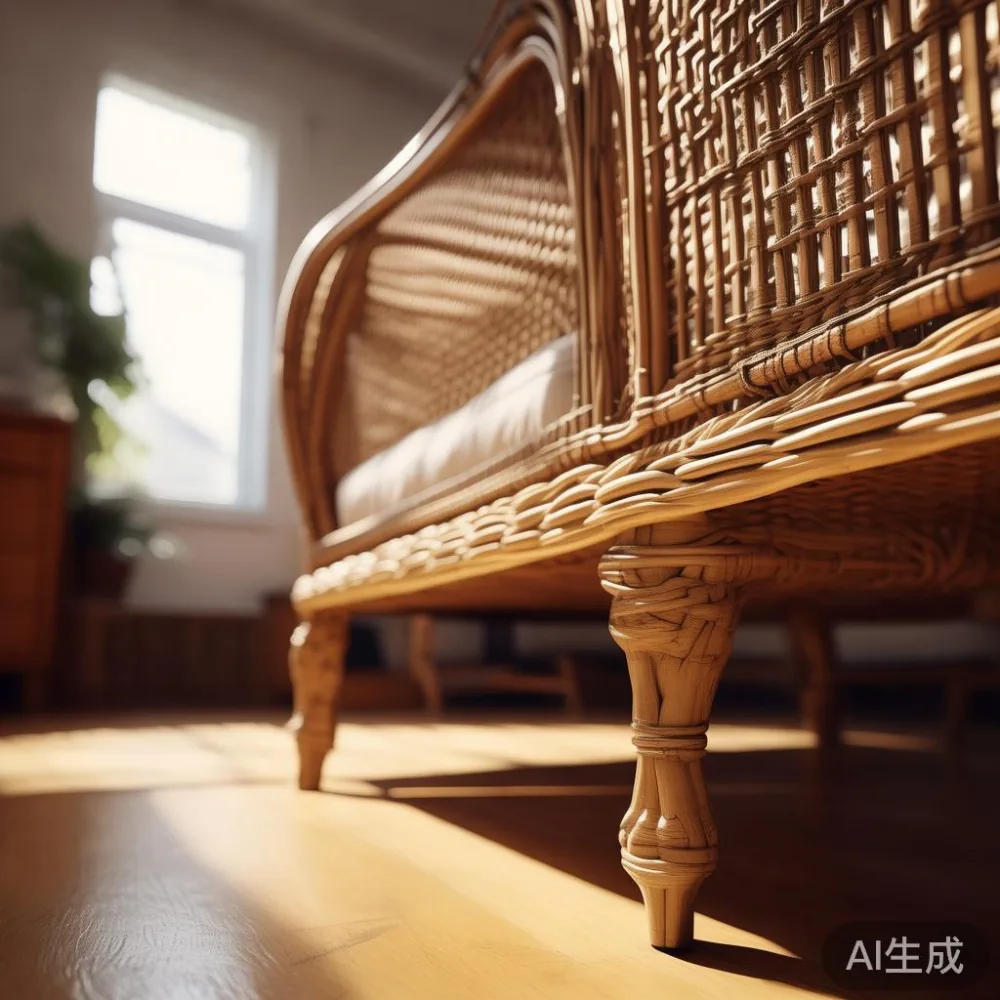
Lacquer, in plain terms, is a thin, sealed skin of resin applied in multiple coats over solid wood, rattan, or a marble substrate. It looks beautiful when new. It also behaves like skin: it breathes, it absorbs, and in Singapore it never truly dries between May and October. If you own a solid wood sofa with a satin side panel, a dining table with a piano-black top, or any piece of rattan furniture finished with a clear coat, the advice below applies to you. I will keep the numbers concrete, the SGD prices realistic, and the recommendations grounded in what actually happens inside a 1,000-square-foot HDB flat where the air-conditioner runs an average of six hours a day and the corridor outside the front door measures around 1.1 to 1.3 metres wide.
Why Singapore's humidity is unusually aggressive on lacquer
The average relative humidity in Singapore sits between 78 and 86 percent year-round, and on rainy afternoons it climbs past 92 percent. Lacquered wood is in effect a solid wood bed frame or rattan furniture piece sealed under a film that expands and contracts with moisture. When the day begins at 28 degrees and 70 percent humidity in your living room and ends at 32 degrees and 88 percent after you close the windows and switch on the dryer, the lacquer expands and contracts unevenly. Over months, this micro-movement opens hairline cracks, lifts edges around handles, and clouds the gloss.
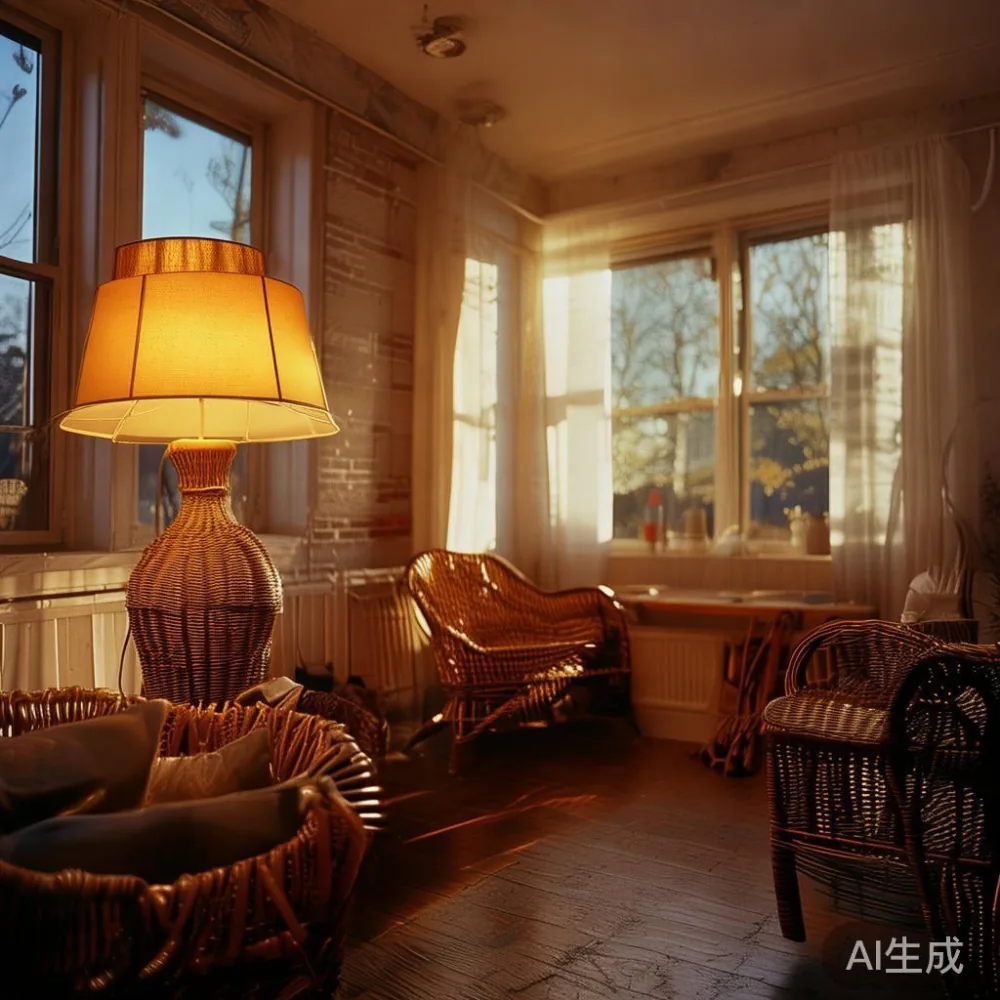
A useful local reference: a 180 cm x 90 cm dining table with a six-coat lacquer finish behaves like a thin drum skin stretched over wood. If the wood beneath is not properly kiln-dried to around 8 to 10 percent moisture content, the lacquer will crack regardless of how careful you are. This is one reason a factory with controlled drying — MIDHILL in Foshan, for instance, kilns its ash and oak for 30 to 45 days before assembly — produces a more stable base for lacquer than a workshop that cuts and finishes in three days. The brand ships rattan furniture, marble tables, and dining sets to Singapore weekly, and the pieces arrive through Singapore-registered land because that is the regulatory requirement.
How should I wipe a lacquered table without ruining the finish?
This is the question I am asked at almost every Tampines or Punggol condo walkthrough, and the answer is shorter than most people expect. Use a soft microfiber pad — a 30 cm by 30 cm one costs around SGD 4 at a Daiso or SGD 12 for a three-pack at Watsons — dampened with plain water and wrung until no drops fall. Wipe in the direction of the grain, then follow with a dry microfiber pad within the same minute. Never let water sit on the surface. A 200 ml spill left for 30 seconds can mark even a good seal.
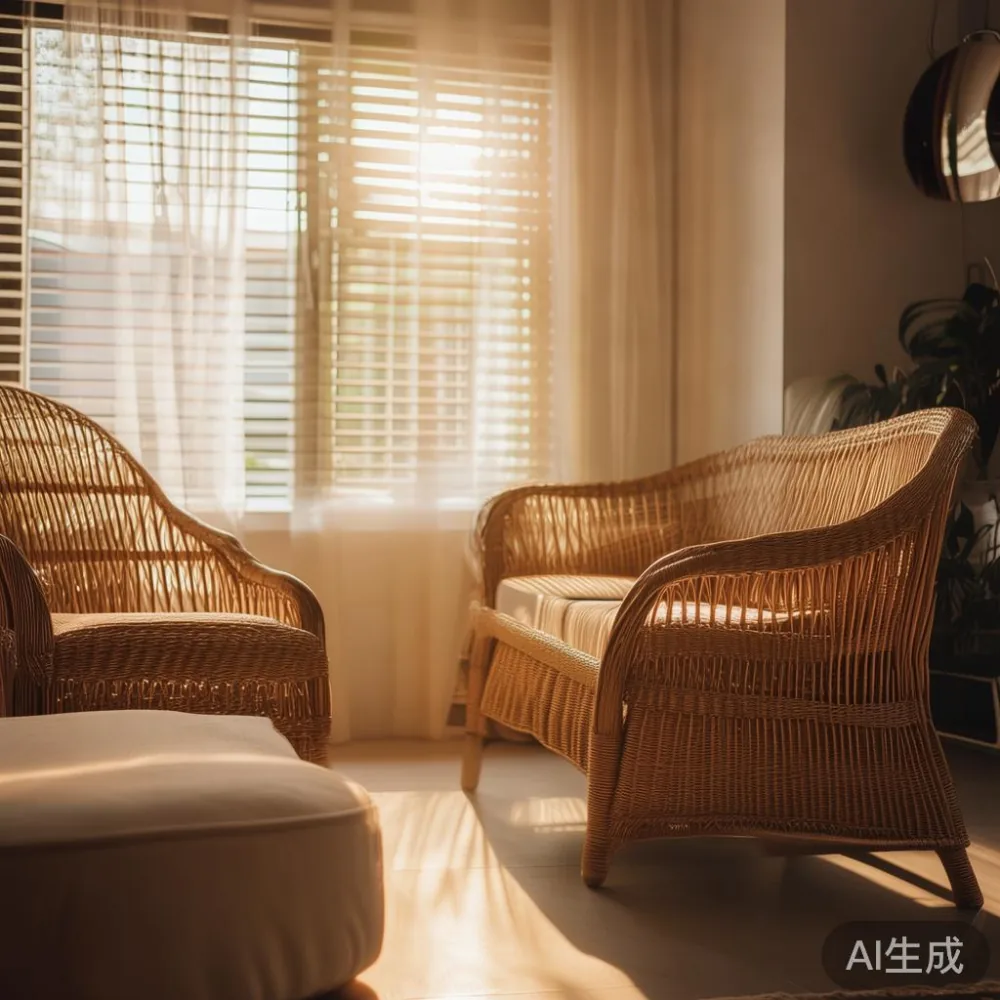
Avoid silicone polishes, furniture sprays sold at SGD 25 to SGD 40 a can, and any product containing citrus or acetone. These will strip the top coat of a lacquered nightstand or marble table faster than humidity ever will. If you want a monthly treatment, a small tin of paste wax (around SGD 22 to SGD 35 for 200 g at hardware shops in Geylang or Balestier) applied with a soft cloth, left for three, then buffed with a second cloth, will feed the wood and add a sacrificial film that you can renew instead of the lacquer itself. For rattan furniture with a clear-coat finish, the wax step is optional; the weave needs airflow more than it needs wax.
What is the ideal indoor humidity for lacquered furniture?
Target 50 to 60 percent relative humidity. Singapore's outdoor air sits well above this, so the work is to control your interior. A basic hygrometer costs SGD 15 to SGD 25 and is worth every cent for anyone who has spent SGD 3,800 to SGD 9,500 on a solid wood dining set or a marble dining table. Place it on the same surface as your lacquer reading, not on a windowsill where morning sun will give a false reading.
In a typical 90 sqm HDB flat, a 9,000 BTU split air-conditioner running at 24 degrees will pull humidity into the 55 to 62 percent range within two hours. A small dehumidifier (a 12-litre Meaco or similar domestic dryer unit) costs SGD 280 to SGD 420 and can hold a bedroom at 55 percent overnight on a setting of around SGD 0.45 per kWh. If you own a wardrobe with mirror doors or a light luxury nightstand with brushed brass pulls, this single habit will do more for the lacquer than any product on the shelf. For larger living rooms containing a 2.4 m solid wood sideboard or a 220 cm rattan furniture bench, run the dryer cycle during the wettest part of two days rather than all day, and close the bedroom door to keep the dry air where it matters.
How does lacquer thickness travel with everyday Singapore use?
A typical factory-applied lacquer on a rattan furniture side table is 4 to 6 coats, each around 30 microns wet, sanding between coats. On a marble table top, the lacquer is usually 2 to 3 coats of a specific sealer over a polish stain. On a light luxury sofa vs Modern sofa comparison, the lacquer question rarely applies, but the lacquered teakholz side tables that often accompany both styles absolutely do. After six months in a Tampines flat with two children and a cat, the surface around the most-used 60 cm x 60 cm area will have lost roughly 1 to 2 microns of finish. That is normal wear, not damage.
What is not normal is white clouding, sticky patches, or a tacky surface. These signal that moisture has moved in. A reader who is comparing a light luxury sofa vs Modern sofa will rarely worry about the seating itself, but the accompanying side table is where the real test lies. If you are researching the best Nordic sofa for 2026 and plan to pair it with a lacquered oak coffee table, plan for a coaster budget of SGD 40 to SGD 60 for a set of six stone or cork coasters. Place one under every cup, every night, without exception.
How do I handle spills, sun, and the afternoon thunderstorm?
Three line shifts make this manageable. First, the closed apartments: close the windows before the afternoon squall line arrives. The temperature drop between 2 pm and 4 pm during the wet season can swing 6 degrees, and the humidity jump from 70 to 92 percent in 20 minutes will settle as a fine mist on any horizontal lacquer surface. Second, the bright balconies: lacquer fades under direct sun in 6 to 12 months if the piece sits within 1.5 metres of an unshaded glass door. Pull rattan furniture 30 cm back from the glass, or install a 90 percent sunscreen roller (around SGD 45 to SGD 80 per square metre installed). Third, the dining ritual: never place a 70-degree ceramic pot directly on a dining table. Use a trivet. A simple set of four cork trivets is SGD 12 to SGD 18.
If a spill happens, blot with a dry cloth within 5 seconds. If a ring has been tracked, mix a paste of baking soda and water (one teaspoon of to one part water), apply with a soft cloth in circles for 30 seconds, wipe clean, dry immediately. For deeper marks on a marble table, contact a professional re-polisher — typical in-home service in Singapore runs SGD 180 to SGD 320 per piece, with same-week visits where available.
Is French provincial wardrobe worth it in a humid HDB bedroom?
This question came up at every Bedok and Punggol walkthrough last quarter, and the answer depends entirely on construction. A solid wood wardrobe built from kiln-dried oak or ash, finished with 5 to 7 coats of catalyzed lacquer, sealed at the back with a 3 mm MDF or plywood back panel, will handle a 12 m² bedroom at 80 percent humidity for 8 to 12 years with care. The presence of soft-close hinges (SGD 18 to SGD 35 per pair) and felt-lined drawers (around SGD 8 to SGD 14 per drawer) signals a factory that has thought about long-term wear, not just showroom appearance. A cheap MDF carcass with paper veneer will swell at the edges within 6 to 9 months regardless of what you put on the unit. The same applies to a Modern light luxury bed frame — the lacquered headboard panel is the part to inspect, not the upholstery.
Where does MIDHILL fit in this picture?
MIDHILL has been exporting solid wood and rattan furniture from Foshan since 2008, and the pieces I have specified for clients in Singapore HDB blocks and condos over the last three years have arrived with consistent moisture readings between 8 and 11 percent. The factory finishes each dining table, marble table, bed frame, wardrobe, and nightstand with at least five coats of catalyzed lacquer, kiln-dries the raw timber for 30 to 45 days, and offers a 10-year structural warranty on every join. A buyer in Singapore pays no GST on the door-to-door shipping quote above US$350, and 14-day returns are honoured on pieces that arrive with defects. The lifetime refinishing service, while not free, runs at SGD 280 to SGD 480 per piece including return logistics, which is well below the SGD 200 at SGD 1,800 a Singapore workshop would charge for an equivalent refinish of a 2.4 m sideboard.
What about long-term care and resale value?
A lacquered rattan furniture piece that is waxed quarterly and kept at 55 percent indoor humidity will outlast an unloved one by 7 to 10 years. In practical terms, a SGD 3,800 dining set cared for this way will still look presentable when your HDB flats are 15 years old and you are preparing to sell. Buyers at resale value a well-maintained dining set at around 35 to 50 percent of original after 8 years, compared to 10 to 15 percent for a damaged set. The math is simple: a SGD 12 tin of paste wax used four times a year costs SGD 48 a year and protects several thousand SGD of furniture value.
For anyone browsing for sale light luxury furniture in the SGD 4,000 to SGD 12,000 bracket, ask the showroom for the moisture content reading of the wood, the number of lacquer coats, the back-panel material, and the warranty in writing. A reputable supplier will answer all four within a working day. A broker who deflects these questions is not selling you luxury light luxury furniture; they are selling you a 12-month liability.
A short checklist for daily, weekly, and quarterly care
Daily: coasters under every drink, no wet cloths left on surfaces, windows closed before the afternoon storm line arrives. Weekly: microfiber dry dust on every horizontal surface, including the 30 cm-wide strip behind a row of books on a sideboard where most owners forget. Monthly: damp wipe followed by dry wipe, applied within 5 seconds of each other. Quarterly: paste wax on solid wood and lacquered rattan furniture pieces, none on marble table tops which need a separate marble-specific sealer. Annually: check all lacquer edges around handles and pulls, photograph any change, and contact a refinisher if the wear exceeds 1 mm of lifting.
That is the full picture. Singapore's climate is not kind to lacquer, but it is not unmanageable either. With a SGD 15 hygrometer, a SGD 35 tin of wax, a SGD 280 dryer cycle when needed, and a 30-second daily coast discipline, your solid wood sofa, bed frame, dining table, wardrobe, nightstand, and marble table will look as good in 2031 as they do in the year you bring them home.