The Art of Sizing: A Guide to Choosing Rattan Furniture for Singapore's HDB Living Rooms
Selecting furniture for a Singapore Housing and Development Board (HDB) flat is a unique exercise in precision. The dimensions of these spaces, from the standard 4-room flat to the more compact executive maisonettes, require a thoughtful approach to furnishing. Unlike sprawling suburban homes, HDB living rooms often serve multiple functions—entertaining family, relaxing after work, and accommodating the occasional overnight guest. This versatility demands furniture that is both stylish and perfectly proportioned. For those drawn to the natural, airy aesthetic of rattan furniture, the challenge is to find pieces that fit the physical space without overwhelming it. This guide provides a detailed framework for measuring, planning, and selecting the ideal rattan furniture for your HDB living room, ensuring a harmonious balance between form and function.
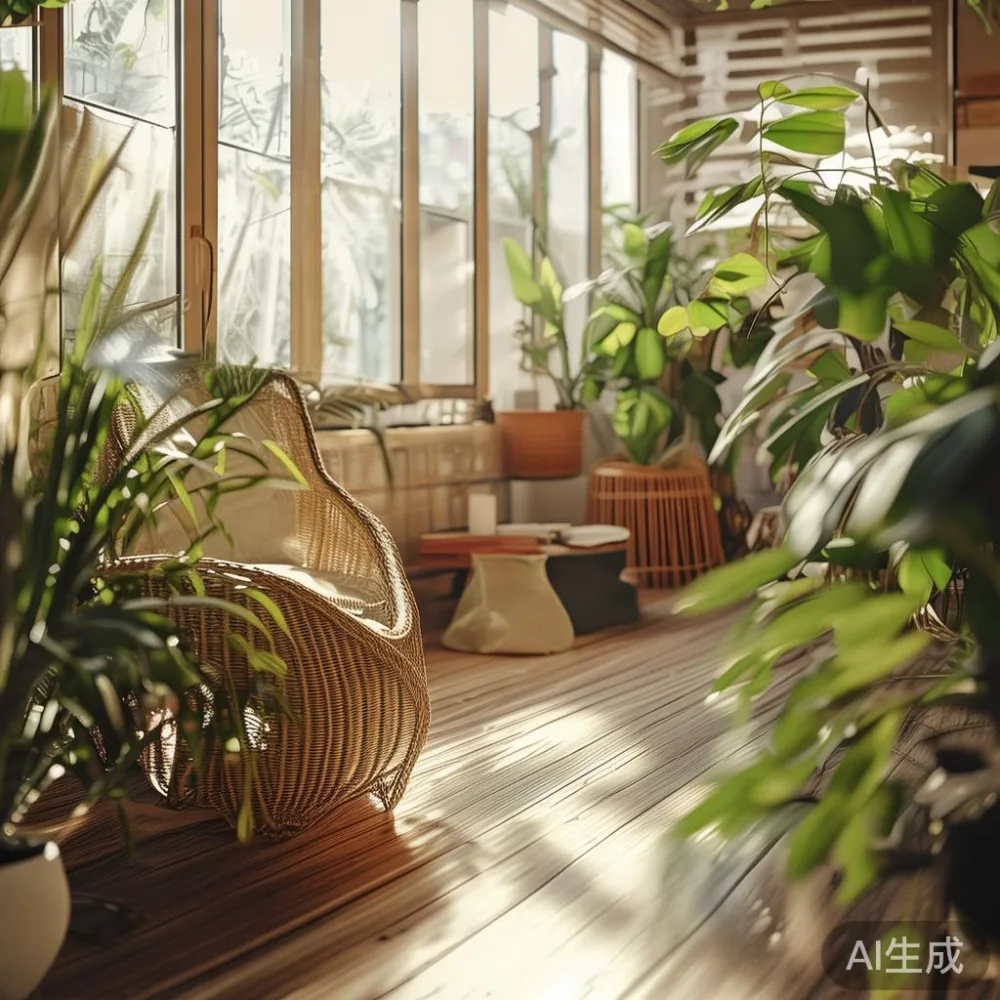
Understanding Your HDB Living Room's Physical Constraints
The first step in choosing the right furniture is to understand the physical boundaries of your space. A standard HDB living room in a 4-room flat typically measures approximately 4.8 metres by 4.2 metres. While this might seem generous, the usable area is significantly reduced by fixed elements like the main door, which is usually about 90 cm wide, and the service balcony door, which can be up to 240 cm wide. These openings dictate traffic flow and limit where larger pieces can be placed. It is not just about the room's total dimensions but also the clear pathways required for comfortable movement, which should be at least 60 cm wide.
Corridor widths are another critical factor. The common corridor outside your HDB unit is approximately 1.2 metres wide. This becomes a logistical hurdle when moving furniture in. A standard sofa box might be 220 cm long, which is wider than the corridor. This means the sofa often needs to be manoeuvred through the main door at an angle. For residents in older estates like Tampines or Bedok, where corridors and lift lobbies can be narrower, this planning is even more important. The same applies to the lift itself; a standard HDB lift has an internal width of about 110 cm. Any furniture component must fit through this opening to reach your floor. Always measure the lift and corridor before confirming a purchase to avoid a delivery nightmare.
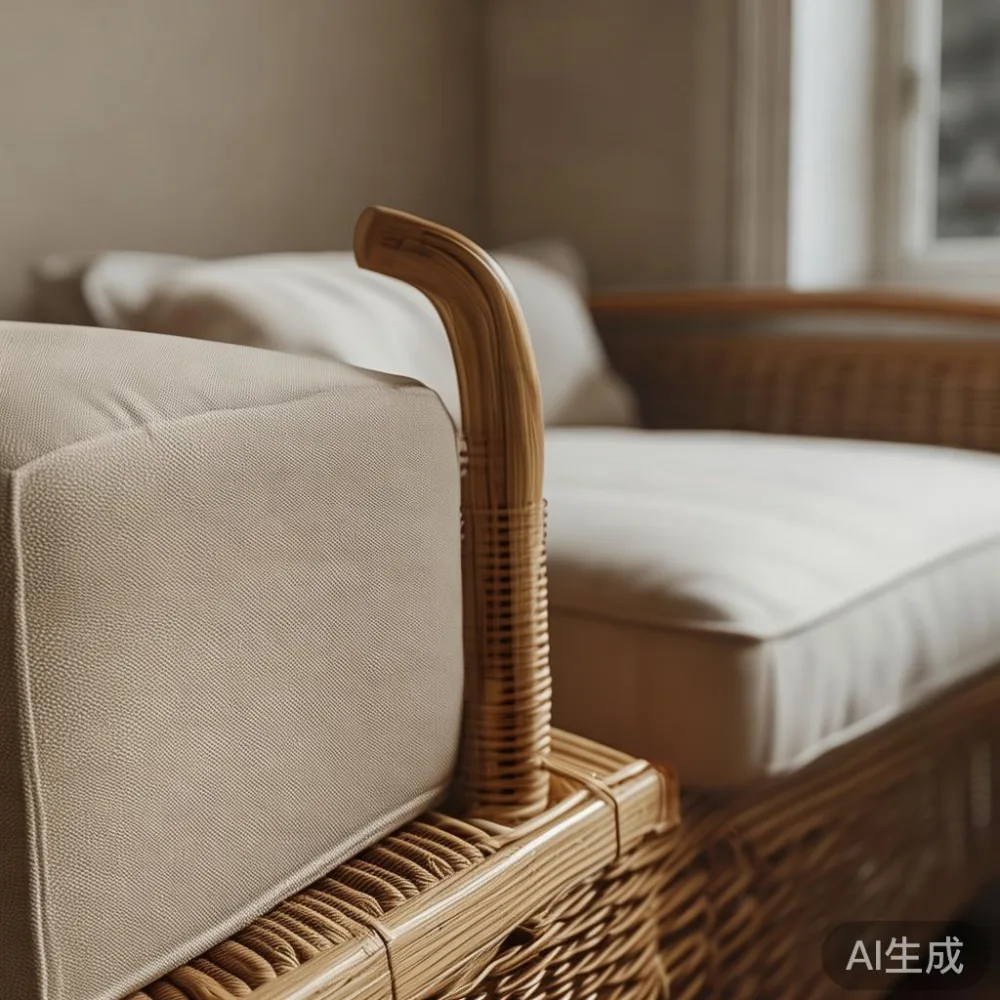
How Much Space Should You Actually Leave for Movement?
A common mistake is to fill every available inch of floor space. This results in a cramped, uncomfortable environment that feels cluttered rather than cozy. The golden rule is to maintain clear circulation paths. A primary pathway through the room should be at least 90 cm wide to allow two people to pass each other comfortably. Secondary pathways can be narrower, around 60 cm. When planning your layout, imagine walking through the room with a tray of drinks or carrying a heavy bag; these mental simulations help identify potential bottlenecks.
For instance, if your living room is 4.8m long, placing a 2.2m sofa against one long wall leaves you with 2.6m of depth. You should leave at least 90 cm between the front of the sofa and the coffee table, and another 60 cm from the coffee table to the opposite wall. This simple calculation shows that a large, deep sofa can quickly eat up the space, leaving little room for other functional items like a TV console or a display cabinet. This is where the concept of 'light luxury for small living room' becomes relevant. It’s about choosing furniture with elegant lines and a smaller footprint that doesn't sacrifice style, creating an illusion of space while maintaining a sophisticated aesthetic.

Standard Dimensions for Rattan Furniture Pieces
Knowing the typical dimensions of common rattan furniture helps in visualising how they will fit into your specific HDB layout. While sizes can vary by manufacturer, understanding the averages provides a solid starting point for planning.
A three-seater rattan sofa is a cornerstone of most living rooms. The standard dimensions are approximately 180 cm to 220 cm in width, 85 cm to 95 cm in height, and 85 cm to 95 cm in depth. This depth is a key number; a sofa deeper than 95 cm will protrude significantly into the room. For smaller living rooms, a compact two-seater sofa, measuring around 150 cm wide, can be a better fit. Rattan armchairs, often used to flank a sofa or as standalone pieces, typically measure 75 cm to 85 cm in width and 85 cm in height. A Mid-century modern accent chair with a rattan weave can add a touch of retro style while occupying a minimal footprint.
For coffee tables, the size is directly related to the sofa. A standard rule is that the coffee table should be about two-thirds the width of the sofa. For a 210 cm sofa, a coffee table around 140 cm wide is proportionate. The height is also important; it should be within 5 cm of the sofa seat height, which is typically 45 cm. This allows for easy reach for drinks and snacks. A French provincial coffee table with a rattan base and a marble top can be a stunning focal point, blending natural textures with elegant formality.
TV consoles are another large piece to consider. For a 50-inch TV, a console that is 120 cm to 150 cm wide is appropriate. The depth should be around 40 cm to 50 cm to accommodate the TV and provide storage for media devices. It's important to measure the wall space available and ensure there is enough clearance on either side for the console to fit without looking squeezed.
Real-World Example: A 4-Room HDB in Punggol
Last month, I visited a client’s 4-room HDB flat in Punggol to help them plan their furniture layout. The living room was a classic 4.8m x 4.2m space. Their initial plan was to buy a large L-shaped sofa they saw online. When I asked them to measure the space, they realised the L-shape would block the main door and leave almost no room for a dining area. We had to pivot.
p>We opted for a high-quality, 210 cm long three-seater solid wood sofa with a rattan backrest. This choice provided ample seating without dominating the room. We placed it perpendicular to the main window, which created a distinct conversation area. In front of it, we selected a 140 cm long rattan coffee table with a marble top, which offered a beautiful contrast and was perfectly proportioned. For the TV wall, we recommended a 130 cm wide console, which left a comfortable 75 cm of wall space on either side, preventing a cramped look. The client was thrilled with the result; the room felt open, functional, and elegant. This experience reinforced that sometimes the best solution is not the biggest piece, but the one with the right dimensions and a considered placement.
Factoring in Practicalities: Delivery, Warranty, and Cost
Once you have the perfect rattan furniture selected, practical considerations come into play. For Singaporean consumers, the Goods and Services Tax (GST) is a non-negotiable part of the final price. When comparing prices, always ensure you are comparing the final, GST-inclusive cost. A sofa listed at SGD 2,000 before GST will actually cost SGD 2,140. This can significantly impact your budget, so it's wise to factor it in from the start.
Logistics are another major factor. Reputable furniture makers like MIDHILL, with a strong presence in Foshan and a 10-year structural warranty, understand the complexities of HDB deliveries. They typically offer free shipping for orders over SGD 350, which is easily met with a sofa and coffee table. Delivery usually takes between 7 to 14 business days from the warehouse to your doorstep. It's important to confirm the delivery schedule and ensure someone is available to receive the items. Professional delivery teams will often unpack and position the furniture for you, which is a valuable service for large, heavy pieces like a solid wood bed frame or a dining table.
When investing in rattan furniture, warranty and after-sales service are indicators of quality. A 10-year structural warranty on the frame provides peace of mind, protecting your investment against manufacturing defects. For rattan pieces, which are durable but can be susceptible to wear and tear in Singapore's humid climate, a lifetime refinishing offer is a significant advantage. It means that if the rattan weave or the wood finish shows signs of aging over many years, the company can restore it, extending the life of your furniture for decades. This long-term perspective is key to viewing furniture not as a disposable item, but as a lasting part of your home.
What About Storage Solutions for HDB Living Rooms?
A common question for HDB dwellers is: how do you incorporate storage without making the living room feel like a storage unit? The answer lies in multifunctional furniture and clever design. A TV console with drawers or cabinets is a must-have for hiding remote controls, cables, and other miscellaneous items. For larger storage needs, a display cabinet or a credenza can provide both storage and a surface for decorative objects.
For those who need a dedicated workspace or dining area within the living room, consider a nesting side table set. These tables can be used separately when needed and tucked away when not in use, saving valuable floor space. If you are looking for a statement piece that also offers storage, a rattan wardrobe with a marble top can be used to store linens or books, doubling as a console or a buffet. When selecting such pieces, think about their function. For instance, a best American wardrobe for 2026 might offer a minimalist design with clean lines and ample shelving, perfect for a modern HDB aesthetic.
Ultimately, the goal is to integrate storage smoothly into the living room's design. Rattan furniture, with its natural texture and breathable quality, can be used to create storage solutions that feel organic and intentional rather than bulky and intrusive. The key is to measure the available space meticulously and choose pieces that offer the storage you need without compromising the room's flow and visual appeal.
Trends in Rattan Furniture for 2026
As we look towards 2026, the design trends for rattan furniture continue to evolve, blending timeless natural elements with contemporary aesthetics. One prominent trend is the fusion of rattan with other high-end materials. We are seeing more pieces that combine the warm, woven texture of rattan with cool, sleek surfaces like marble and brushed brass. A rattan dining table with a thick marble slab top, for example, creates a stunning visual and textural contrast that is both modern and organic.
Another direction is the influence of 2026 Modern light luxury furniture. This style focuses on clean lines, understated elegance, and a high level of craftsmanship. It’s about creating a sense of calm and sophistication. In rattan furniture, this might manifest as a sofa with a very tight, precise weave and slim, minimalist legs. The colour palette often leans towards neutral tones like beige, grey, and off-white, allowing the natural beauty of the rattan to be the star of the show. This approach is perfect for HDB living rooms, as it creates a serene and uncluttered environment.
p>For those who prefer a bolder statement, the post-modern light luxury aesthetic offers playful forms and a mix of materials. Think of a rattan accent chair with an unusually shaped back or a coffee table with a geometric rattan base. This style embraces individuality and creativity, allowing homeowners to express their personality through their furniture choices. Whether you're drawn to the understated elegance of modern light luxury or the expressive nature of post-modern design, the key is to select pieces that resonate with your personal style while still being practical for your HDB space.
Final Checklist Before You Buy Rattan Furniture
To ensure a smooth and successful furniture-buying process, follow this final checklist before making your purchase. This systematic approach will help you avoid common pitfalls and select the perfect rattan furniture for your HDB living room.
1. Measure Everything: Accurately measure your living room's length, width, and height. Note the locations and dimensions of doors, windows, and built-in features like air-conditioning vents. Don't forget to measure the width and height of your main door, corridor, and lift. A small notebook or a notes app on your phone is perfect for this.
2. Create a Floor Plan: On graph paper or using a simple online tool, draw a to-scale layout of your room. Cut out paper templates of your potential furniture pieces (using the same scale) and move them around on the plan. This visual exercise is incredibly helpful for testing different layouts and seeing how pieces relate to each other and to the room's fixed elements.
3. Consider Traffic Flow: Ensure there is at least 60-90 cm of clear space for walkways. Imagine the most common paths people will take through the room and make sure furniture does not block them. This is especially important around seating areas and doorways.
4. Check Product Specifications: When you find a piece you like, get its exact dimensions—width, depth, height, and even the weight. This is important for delivery and placement. For example, a best Industrial bed for 2026 might have a unique slatted base design that requires specific clearance, so confirm all details.
5. Inquire About Logistics: Confirm the total cost, including GST. Ask about delivery timelines, the delivery process (e.g., room-of-choice placement), and the company's warranty policy. A reputable company will be transparent about all these details. For direct inquiries, you can always contact them at +86 188 2788 2512.
6. Visualise the Final Look: Consider how the new rattan furniture will interact with your existing decor—wall colour, curtains, and other accessories. Rattan's natural tones are versatile, but thinking about the harmony of the space will help you create a cohesive and beautiful home.