Cost-Compare: Veneer vs. Solid Wood Furniture in Singapore
The decision to furnish a new home in Singapore, whether a compact 5-room HDB flat in Tampines or a spacious condominium in Punggol, involves a significant financial commitment. With the Goods and Services Tax (GST) at 9% and the practical constraints of lift dimensions and corridor widths, every choice matters. Homeowners often face a key question: should they opt for furniture with a veneer finish or invest in solid wood? This choice isn't just about aesthetics; it's a long-term financial calculation that spans years. This article will provide a detailed 5-year cost comparison, using concrete figures from the Singapore market to help you make an informed decision.
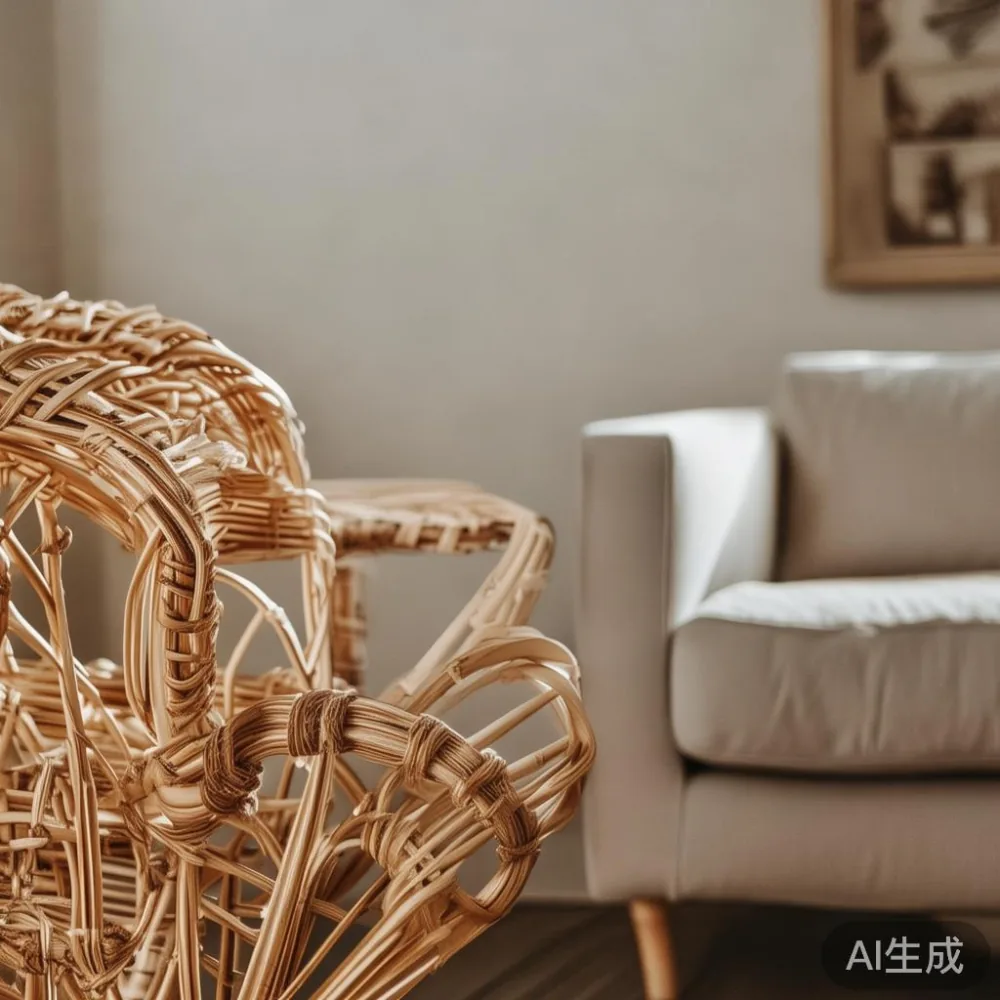
Understanding the Materials: What is Veneer and What is Solid Wood?
Before we can compare costs, we must understand what these terms mean. Veneer furniture is constructed from a core material, often Medium-Density Fibreboard (MDF) or particleboard, which is then covered with a thin layer of real wood, typically less than 3mm thick. This outer layer provides the appearance of solid wood. Solid wood furniture, on the other hand, is crafted from a single piece of lumber, such as oak, teak, or walnut. The entire structure, from the legs to the tabletop, is made from this solid material. This fundamental difference in construction is the root of all subsequent variations in cost, durability, and maintenance. For those seeking a natural, organic feel, solid wood is often the preferred choice, while veneer offers a more budget-friendly alternative.
Initial Purchase Price: A Singaporean Perspective
The most immediate difference between veneer and solid wood furniture is the initial purchase price. In Singapore, this difference can be substantial. Let's consider a dining set for a typical condo living area. A veneer dining table with four chairs might cost around SGD 1,200. A comparable solid wood dining table, however, could easily reach SGD 2,500 or more. This price gap is consistent across other pieces. A veneer wardrobe for a bedroom in a Bedok HDB might be priced at SGD 800, while a solid wood equivalent could cost SGD 1,800. The higher cost of solid wood is due to the quality of the raw material, the greater skill required for its construction, and the fact that more wood is used in the piece. For a small living room, the cost difference is also stark. A veneer sofa might be priced at SGD 1,500, whereas a solid wood sofa could start from SGD 3,000. This initial investment is a significant factor for many Singaporean homeowners, especially when considering the GST on these larger purchases.
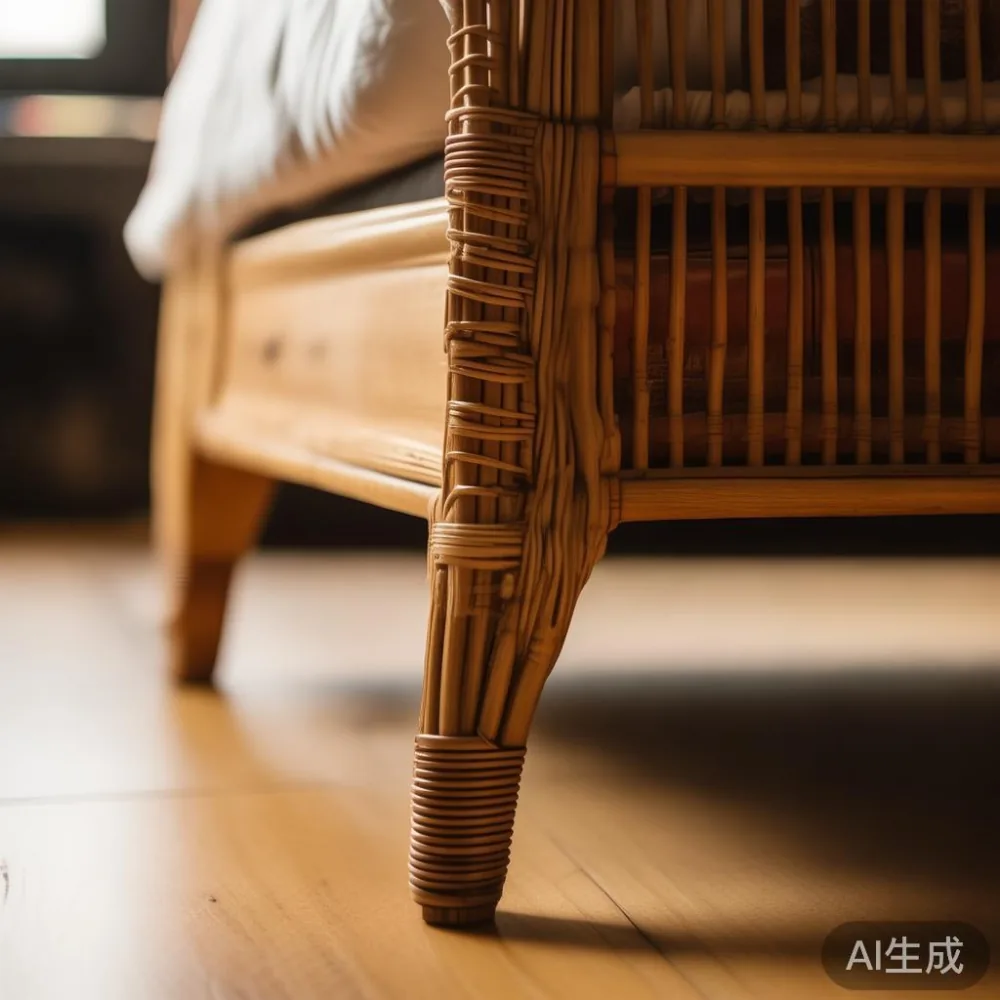
Long-Term Durability and Lifespan: A 5-Year Reality Check
The initial price is only part of the equation. The true cost of furniture is revealed over its lifespan. Veneer furniture, while attractive initially, is prone to damage. The thin wood layer can chip, peel, or bubble, especially at the edges, where moisture can seep into the MDF core. In Singapore's humid climate, this is a common problem. A veneer wardrobe exposed to steam in a bathroom or a veneer dining table near an air-conditioning vent can show signs of wear within 2-3 years. Repairing veneer is difficult and often looks unsightly. Solid wood furniture, conversely, is built to last. It can withstand the Singaporean climate better, as solid wood can expand and contract with humidity without delaminating. A solid wood dining table or bed frame can easily last for decades. Over a 5-year period, a solid wood piece will likely look as good as it did on day one, while a veneer piece may require repairs or replacement, adding to its long-term cost.
Is Solid Wood Furniture Really Worth the Higher Price?
This is the question on every homeowner's mind. The answer depends on your priorities. If your primary concern is the lowest possible initial cost and you plan to replace furniture every few years, veneer might seem like the better option. However, if you value longevity, quality, and a piece that can be refinished to look new, solid wood is a far superior investment. The best European light luxury wardrobe for 2026, for instance, is almost always a solid wood construction, designed to be a timeless centerpiece of a bedroom. The ability to refinish solid wood is a key advantage. A scratched or faded solid wood dining table can be sanded and re-stained, effectively giving it a new life. Veneer cannot be refinished; once the surface is damaged, the piece is often destined for the dump. Over 5 years, the cost of replacing a veneer dining table once or twice can easily exceed the initial price of a single, durable solid wood table.

Resale Value and Aesthetic Appeal
Another factor to consider is resale value. When it's time to move or upgrade, solid wood furniture holds its value much better than veneer. A well-maintained solid wood bed frame or dining table can be sold for a significant portion of its original price. Veneer furniture, however, has almost no resale value. Its perceived quality is low, and buyers are often wary of its durability. Aesthetically, solid wood has a warmth and character that veneer cannot replicate. The natural grain, the variation in colour, and the solid feel of a piece of furniture made from real wood contribute to a sense of luxury and permanence. For those who appreciate minimalist for dining room designs, a solid wood table provides a clean, high-quality foundation that improves the entire space. The tactile experience of solid wood is simply different and more satisfying.
Maintenance and Repair Costs Over Five Years
Let's put some numbers to the maintenance aspect. For veneer furniture, minor repairs might involve buying a furniture touch-up pen for SGD 15 to cover a small chip. However, if the veneer peels on a large surface like a wardrobe door, a professional repair could cost SGD 200 or more, and the result may be noticeable. Over 5 years, a homeowner might spend SGD 100 to SGD 300 on such repairs. Solid wood furniture requires different maintenance. It needs to be polished with a quality wood conditioner, which costs around SGD 40 per bottle and might be used twice a year, totalling SGD 400 over 5 years. However, this polishing is not a repair; it's a preservation step that maintains the wood's lustre. The real cost-saving with solid wood comes from avoiding replacement. If a veneer sofa needs to be replaced after 4 years at a cost of SGD 1,500, while the solid wood sofa is still in excellent condition, the cumulative cost of the veneer option becomes much higher.
How to Choose Italian Light Luxury Sofa: Material Matters
When selecting a piece like an Italian light luxury sofa, the material is a defining characteristic of its quality. A true Italian light luxury sofa is not just about the design; it's about the craftsmanship and materials used. These sofas are often constructed with solid wood frames for superior stability and longevity. The upholstery might be top-grain leather or high-performance fabric, but the internal skeleton is solid. This is why when you ask how to choose Italian light luxury sofa, the answer must include an inspection of the frame. A veneer frame might be lighter and cheaper, but it lacks the integrity and durability expected of a luxury piece. The solid wood frame ensures the sofa will not wobble or sag over years of use. For a light luxury for small living room, a solid wood sofa offers a sense of substance without overwhelming the space, proving that quality materials can be adapted to any size home.
Case Study: A Colleague's Experience in a Punggol Condo
Last month, I visited my colleague, Sarah, who recently furnished her new Punggol condo. She bought two identical-looking bedroom sets: one solid wood and one veneer. The veneer set, a nightstand and a small wardrobe, cost her SGD 1,100. The solid wood set, a nightstand and a larger wardrobe, cost SGD 2,200. After just 18 months, the veneer nightstand showed a significant chip on the corner near her air-conditioning unit. The veneer on the wardrobe door began to bubble near the handle. She had to spend SGD 80 on a repair kit, which left a noticeable patch. The solid wood pieces, however, remained flawless. The solid wood nightstand had a few minor scratches from her cat, but a quick sanding and re-oiling made it look brand new. Her experience perfectly illustrates the long-term value of solid wood. The initial pain of the higher price has faded, and she now wishes she had bought solid wood for all her furniture.
The Hidden Costs of Veneer: Delivery and Returns
While the sticker price is important, other costs are associated with furniture purchases. Delivery is one such factor. Veneer furniture is often lighter and can be shipped in smaller, less protective packaging, potentially lowering delivery costs. However, the real issue arises when the furniture is damaged. Veneer is susceptible to impact damage during transit. A corner of a veneer dining table can easily be chipped, rendering it unsellable. Solid wood is more resilient. Regarding returns, a 14-day return policy is a standard offering from reputable sellers. If a veneer piece arrives damaged, returning it is straightforward, but the homeowner is left without furniture while waiting for a replacement, causing inconvenience. A solid wood piece is less likely to be damaged in the first place, reducing the probability of needing to use a return policy. The peace of mind that comes with a durable product is an intangible but valuable benefit.
Investing in Timeless Pieces: The Solid Wood Advantage
Ultimately, choosing between veneer and solid wood is about choosing between disposable furniture and a lasting investment. Solid wood furniture becomes part of a home's story. A solid wood dining table sees countless family dinners, a solid wood bed frame supports years of rest, and a solid wood wardrobe stores generations of clothing. These pieces are not just objects; they are fixtures that develop a patina over time, telling a story of use and care. This is the philosophy behind brands like Wuhan Lingzhan, which focus on creating furniture that endures. For a homeowner in Singapore, investing in a few key solid wood pieces can transform a house into a home. It’s a decision that pays dividends in quality, comfort, and satisfaction for many years to come, making the higher initial cost a wise and prudent choice.