Caring for Lacquered Rattan in Singapore
Moving into my new HDB flat in Tampines last month, I was thrilled to finally furnish my home with a beautiful solid wood dining table and a set of elegant rattan chairs. The glossy lacquer finish on the table gleamed under the afternoon sun streaming through the window, a beacon of light luxury in my modest 90-square-metre apartment. However, a week later, I noticed a faint, sticky patch near the centre of the table. My colleague, who lives in a Bedok condominium, mentioned a similar issue with her marble table top. It became clear that Singapore's relentless humidity and heat pose a unique challenge for maintaining the pristine condition of lacquered surfaces, especially for pieces like a solid wood sofa or a bed frame with intricate detailing. For those of us who appreciate the craftsmanship of a post-modern light luxury wardrobe or a nightstand, understanding how to protect this investment is paramount. This guide will walk you through practical, year-round strategies to keep your lacquered furniture looking its best, from daily habits to deep cleaning, ensuring your rattan furniture and other prized possessions retain their lustre for years to come.
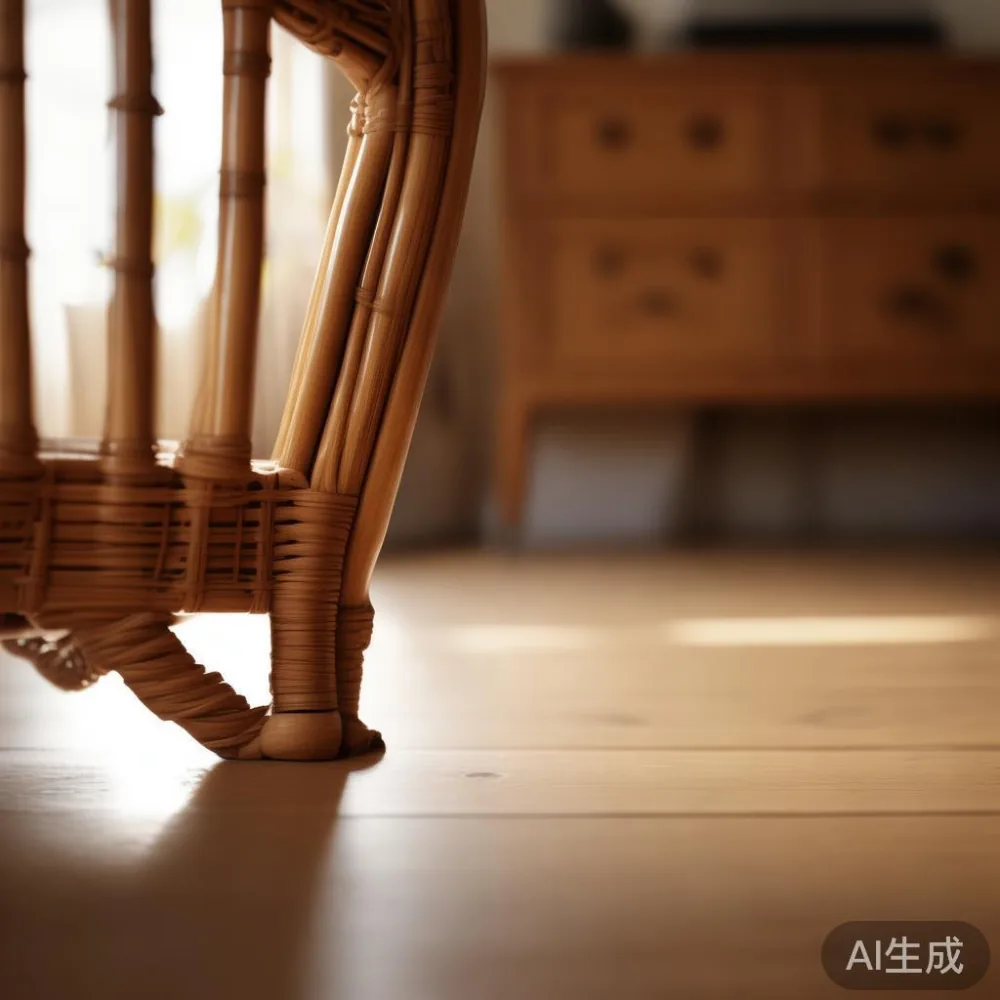
Why Singapore's Climate is a Test for Lacquered Surfaces?
The core challenge for lacquered furniture in Singapore lies in its climate. The nation's average relative humidity hovers around 84%, with temperatures consistently between 25°C and 31°C. This combination creates a persistent layer of moisture in the air. Lacquer, a hard, protective finish applied over wood, is designed to shield the material from scratches and spills. However, it is not impervious to the environment. High humidity can cause the wood beneath the lacquer to absorb minute amounts of moisture. This subtle swelling and contracting movement can stress the lacquer layer over time, leading to tiny cracks or, as I discovered, a phenomenon called 'crazing' where a network of fine lines appears on the surface. Also, the frequent temperature fluctuations between an air-conditioned room and the humid outdoors can accelerate this stress cycle. For a piece of furniture like a solid wood sofa, which has a larger surface area, the effects can be more pronounced. Understanding this dynamic is the first step in protecting your investment, whether it's a dining table from a local showroom or a high-end rattan furniture set.
What Are the Common Problems Lacquered Furniture Faces in Singapore?
Living in Singapore, owners of fine furniture may encounter several specific issues related to the climate. The most common is the formation of water rings or spots, caused by condensation from a cold glass or can placed directly on the surface. The moisture gets trapped under the object, creating a cloudy mark that can be difficult to remove without damaging the finish. Another frequent problem is 'stickiness.' On a very humid day, the heat and moisture can soften the lacquer slightly, making it attract dust and grime, resulting in a tacky feel. This was the exact issue I noticed on my dining table. For a piece like a marble table, while the stone itself is less porous, the surrounding lacquered wood frame can still suffer from these humidity-related problems. In more severe cases, prolonged exposure to high humidity without adequate ventilation can lead to 'blistering,' where the lacquer layer begins to lift and separate from the wood. This is a serious issue that requires professional repair. For those who own a wardrobe or a nightstand, these problems can extend to the doors and drawers, affecting both the appearance and the smooth operation of the furniture. Recognising these early signs allows for prompt intervention, preventing minor blemishes from becoming permanent damage.
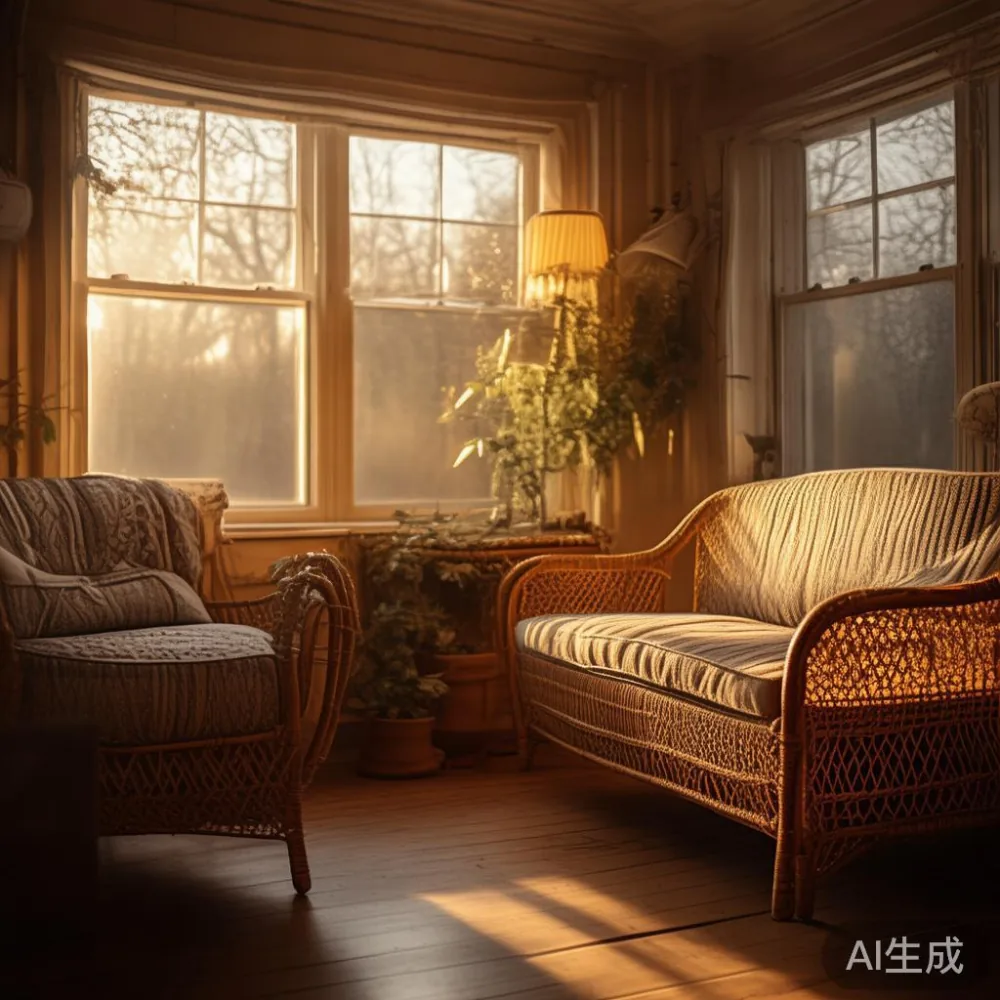
How Can I Prevent Damage to My Lacquered Furniture Year-Round?
Prevention is undoubtedly more effective than cure, and maintaining lacquered furniture in Singapore's climate requires a proactive approach. The most fundamental rule is to control the immediate environment around your furniture. If you own a solid wood sofa or a dining table, try to position it away from direct sources of heat, such as air-conditioning vents or heaters. A sudden blast of cold air onto a warm, humid surface can create condensation, similar to what happens on a cold drink can. Similarly, avoid placing furniture in direct sunlight, as UV rays can fade and discolour the lacquer over time. For those living in HDB flats or condos with limited space, this might mean arranging your rattan furniture in a way that maximises airflow. Using a dehumidifier in the most humid months, especially in naturally ventilated spaces, can make a significant difference. A good dehumidifier can reduce the humidity level in a room to a more manageable 50-60%, creating a stable microclimate for your furniture. Also, always use coasters under glasses and placemats under hot dishes. These simple barriers prevent direct contact with moisture and heat, which are the primary culprits behind water rings and heat marks. By incorporating these habits, you create a protective shield around your prized possessions.
What is the Correct Way to Clean and Maintain Lacquered Surfaces?
Regular cleaning is important for preserving the beauty of lacquered furniture, but it must be done correctly to avoid causing harm. The process should be gentle and focus on removing surface dust and grime without using harsh chemicals. Start by using a soft, lint-free cloth, such as a microfiber cloth, to gently wipe down the surface. For a deeper clean, lightly dampen the cloth with distilled water. Using distilled water is important because tap water contains minerals that can leave behind a white, filmy residue on the lacquer, especially after it evaporates in our humid climate. Always wring out the cloth thoroughly so it is only slightly damp, never wet. Wipe in the direction of the wood grain to avoid creating streaks. For stubborn spots, a mild solution of pH-neutral soap and distilled water can be used, but it should be applied sparingly with another clean, damp cloth, followed immediately by a dry cloth to remove any moisture. Avoid abrasive cleaners, steel wool, or any solvent-based products, as these can strip away the protective lacquer finish. For a marble table, cleaning is similar, but be even more cautious with acidic substances like vinegar or lemon juice, which can etch the stone surface. Consistency is key; a quick weekly wipe-down can prevent the buildup of dust and grime that can scratch the surface over time.
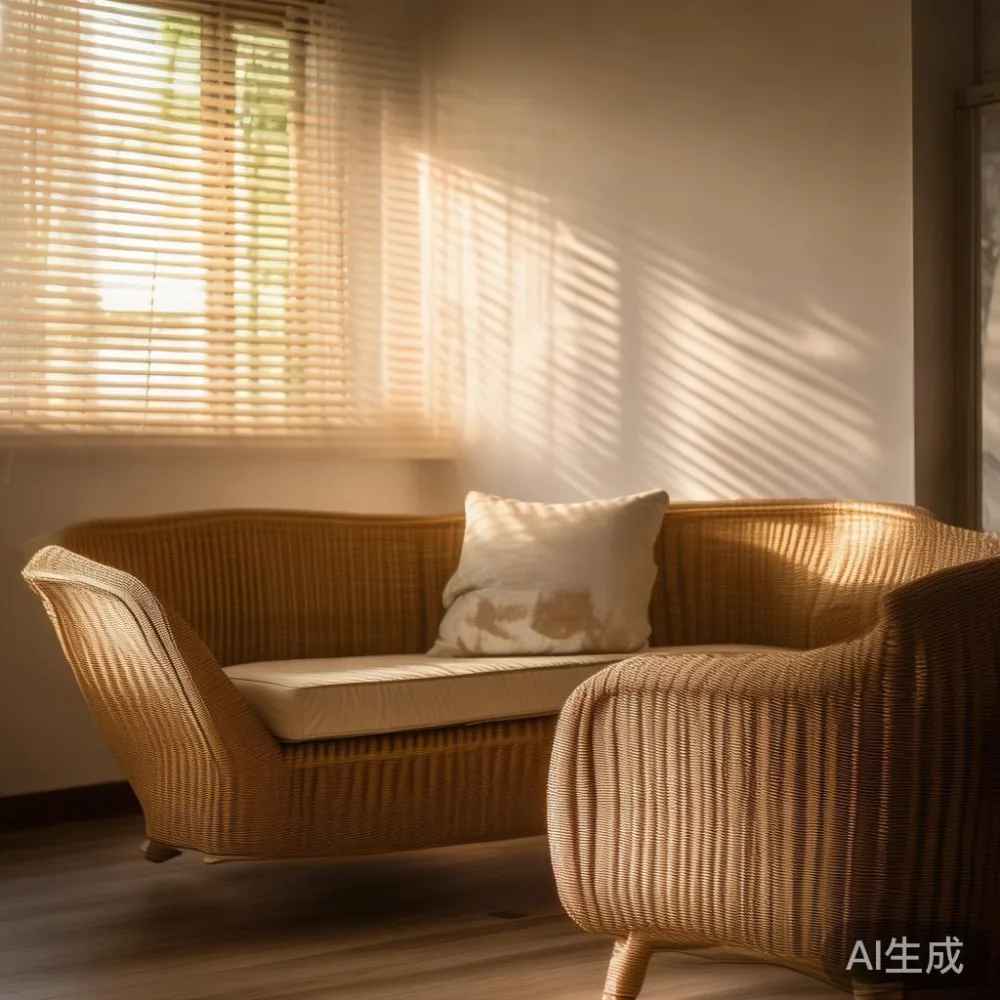
How Do I Deal with Specific Stains or Damage on My Lacquered Table?
Despite your best efforts, accidents happen. When a stain or mark appears on your lacquered furniture, knowing how to address it correctly can save your piece from permanent damage. For a fresh water ring, the first step is to act quickly. Place a dry, clean cloth over the mark and gently press with a warm, dry iron on a low-heat setting. The heat and pressure will help draw the moisture out of the wood and into the cloth. Be careful not to leave the iron in one spot for too long, as you risk scorching the lacquer. For older, more stubborn water stains, this method may not work, and it might be best to consult a professional furniture refinisher. For a sticky patch, like the one I found on my table, a very small amount of mineral spirits applied to a cloth can be used to gently rub the area. However, this should be done with extreme caution, as mineral spirits can dissolve lacquer if used too liberally. Test it on an inconspicuous area first. If the damage is more severe, such as a deep scratch or a chip in the lacquer, DIY repair kits are available. These typically include a coloured wax or a small jar of lacquer that you can carefully apply to fill the imperfection. While these can be effective for minor flaws, they are unlikely to be invisible. For a high-value piece like a solid wood sofa or a post-modern light luxury wardrobe, professional repair is often the wisest choice to ensure the finish is restored to its original condition.
Is Professional Care and Restoration a Worthwhile Investment for My Furniture?
For many homeowners, the idea of professional furniture care can seem daunting, often associated with high costs. However, when considering the value and sentimental attachment to a piece like a solid wood dining table or a handcrafted rattan furniture set, professional care can be a worthwhile investment. A professional refinisher has the expertise, tools, and materials to address issues that are beyond the scope of home care. They can perform a complete re-lacquering process, which involves carefully stripping the old finish, sanding the wood to a smooth surface, and applying multiple new coats of high-quality lacquer. This can restore a heavily damaged piece to a condition that looks almost new. The cost for such a service varies depending on the size and complexity of the furniture. For a standard dining table, you might expect to pay between SGD 800 and SGD 1,500. For a larger item like a solid wood sofa, the cost could range from SGD 2,000 to SGD 4,000 or more. While this is a significant expense, it is often far less than the cost of replacing a high-quality piece. Also, many reputable brands, including some like the one my colleague researched, offer services as part of their warranty. For instance, a 10-year structural warranty often includes provisions for refinishing, which can provide peace of mind. Investing in professional care not only preserves the beauty of your furniture but also protects its value, ensuring it can be enjoyed for generations to come.