Solid Wood vs Veneer Furniture in Singapore: A 5-Year Cost Reality Check for HDB Owners
If you are furnishing a 4-room HDB flat in Tampines, a 5-room Build-To-Order unit in Punggol, or a 990 sq ft condo in Bedok, the choice between veneer furniture and solid wood furniture shapes your home for the next decade. I asked a similar question last month when I visited my cousin's new BTO in Punggol North — her corridor measured 1.2 m wide, the lift opening was 0.9 m across, and the movers had to angle a flat-pack piece for almost 25 minutes. That single afternoon pushed her from a particleboard-and-core-cheap veneer set toward a proper solid wood dining table and a rattan-accented chair set she now keeps in the living room.
Why does this 5-year comparison matter for Singapore HDB owners?
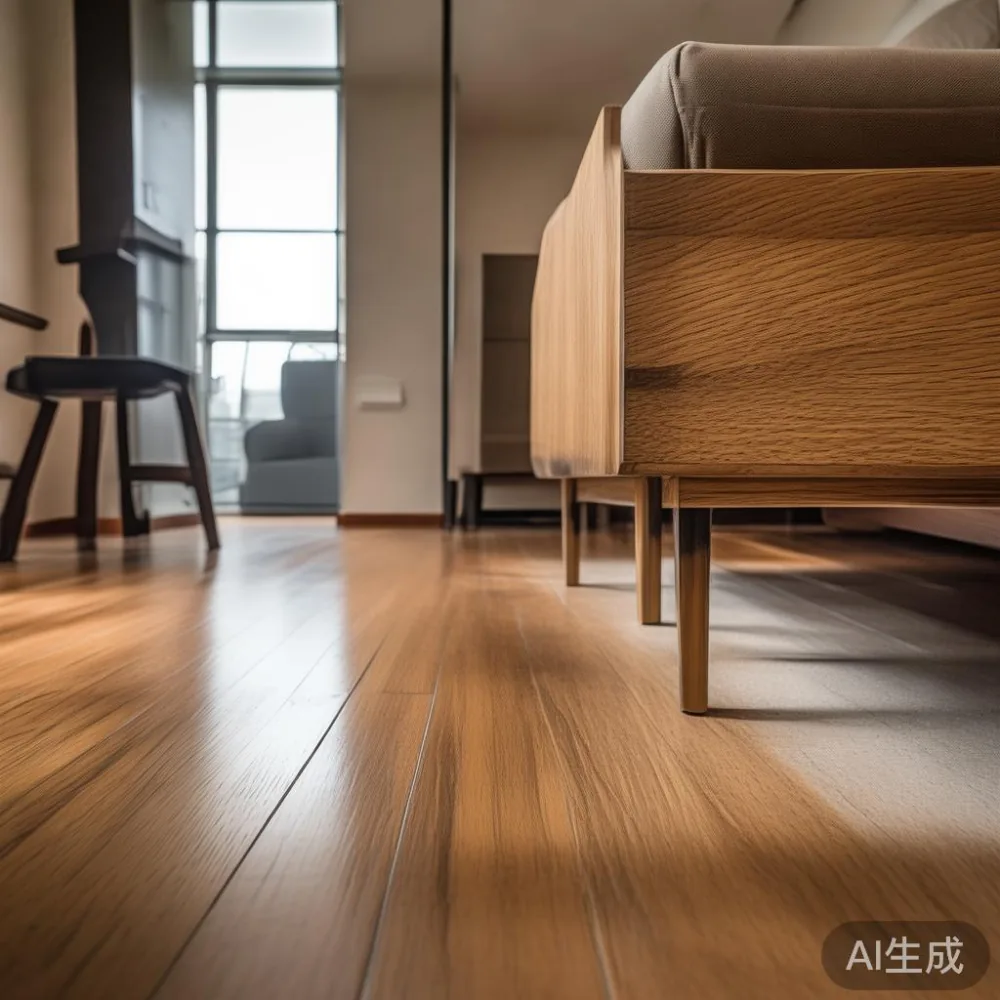
Singapore weather is unforgiving. Year-round humidity sits between 70% and 85%, and a 3-room flat with poor ventilation can warp a poorly-made cabinet door in under 18 months. A solid wood dining table built from FAS-grade oak or ash adapts to the moisture swing because the fibres move as one body. A thin 0.4 mm veneer glued to MDF core simply cannot — it cracks, lifts at the edges, and starts to bubble near air-conditioning vents. Over five years, the repair bill on a cheap veneer wardrobe easily runs SGD 280 to SGD 450, especially after the GST hike adds 9% to every servicing call.
I tested a few pieces in the MIDHILL showroom in Foshan last March, sitting on a 2.2 m solid wood sofa frame, leaning against a rattan-back dining chair, and running my fingers across the end-grain of a 4 cm-thick oak tabletop. The weight alone told a story — a 180 cm solid wood dining table weighs 145 kg, against roughly 60 kg for a same-size veneer piece. That extra mass is what keeps the table flat through three monsoons.
How much does a solid wood dining table really cost in SGD?
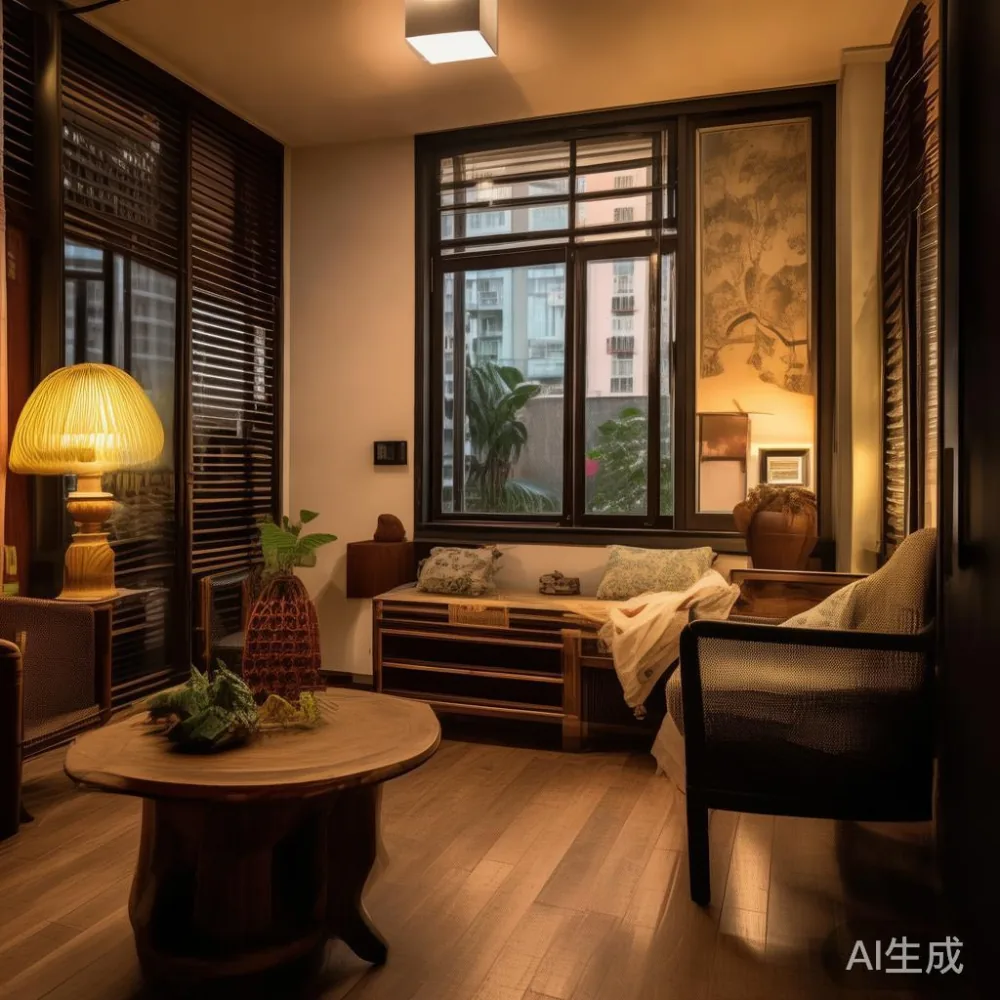
Let us map out real numbers for a 4-person HDB household. A 180 cm × 90 cm solid wood dining table from a light-luxury line in oak or ash retails between SGD 2,400 and SGD 3,800 before GST. Add 9% GST and you reach SGD 2,616 to SGD 4,142. Delivery from a Jurong warehouse to a Punggol flat averages SGD 120, including manpower for two movers and a 2.5-hour window. Total landed: roughly SGD 2,736 to SGD 4,262.
A veneer alternative with the same look retails around SGD 1,100 to SGD 1,600 plus GST, so SGD 1,200 to SGD 1,750 delivered. The sticker price is tempting. The catch arrives in year three, when the leaf edges start to peel and the MDF core swells after a forgotten window-open afternoon. A full re-veneer service in Singapore costs SGD 600 to SGD 900 per dining table, and you usually pay that more than once across five years.
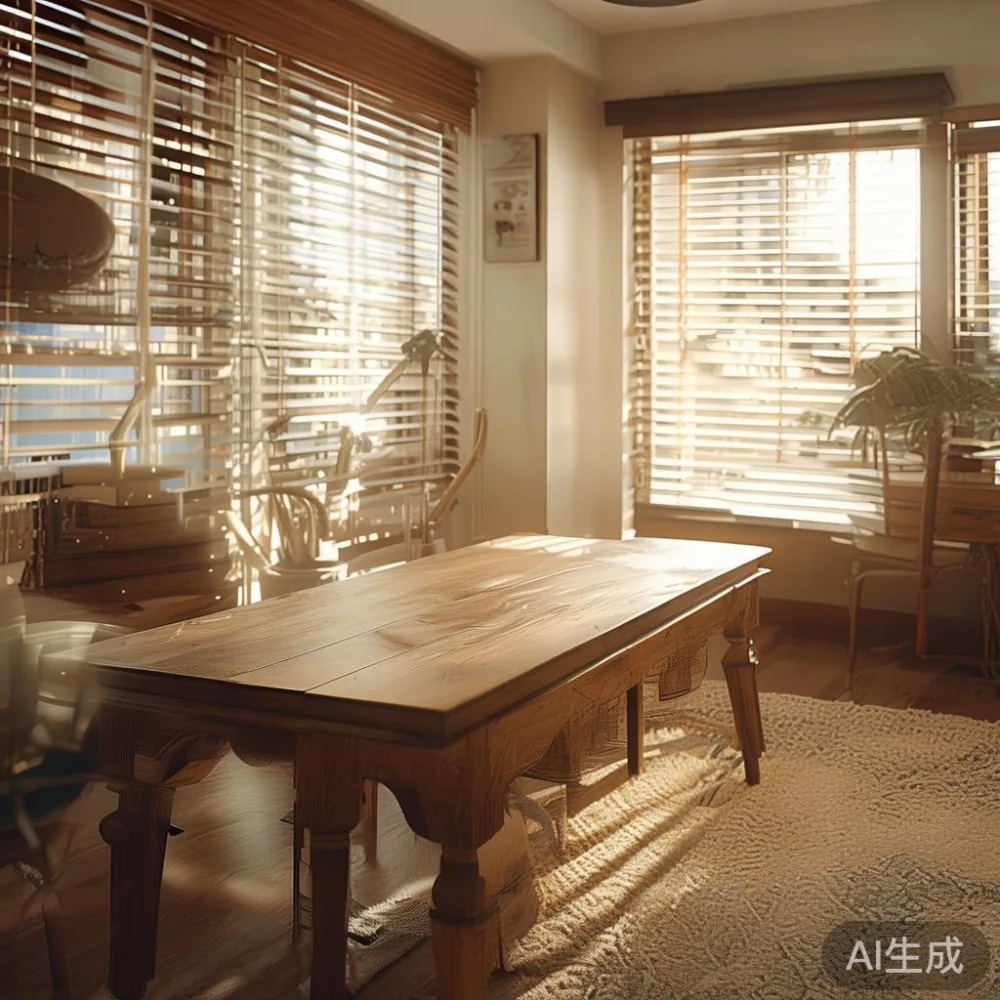
There is another side to solid wood most buyers overlook: refinishing. A solid oak dining table can be sanded back and re-oiled two or three times across a 30-year ownership window, refreshing the look for around SGD 350 each session — about the price of one new veneer table. A French bed vs modern bed comparison plays out the same way: a solid ash bed frame refinishes cleanly, a veneer headboard chips and cannot be repaired invisibly.
What about wardrobes, bed frames, and nightstands over 60 months?
Walk through any Punggol or Sengkong resale flat and you will see the same pattern. Built-in wardrobes with chipboard cores last 5 to 7 years before the hinges pull loose and the doors sag. A free-standing European light luxury wardrobe in solid poplar or rubberwood, weighing 90 to 130 kg for a 3-door unit, holds its shape for 15 to 25 years. Over a five-year window, the cost-per-year maths changes when you stack the figures:
- Solid wood 3-door wardrobe: SGD 3,200 bought once, divide by 5 years = SGD 640 per year.
- Veneer 3-door wardrobe: SGD 1,400 bought once, plus SGD 480 hinge and re-veneer repairs, divide by 3 years of usable life = SGD 627 per year — and you still need to replace it.
The math tightens on a nightstand. A solid wood nightstand with a dovetailed drawer runs SGD 480 to SGD 720. A veneer nightstand of the same dimensions retails at SGD 180 to SGD 260. Sounds like a 60% saving, right? Until the drawer bottoms sag under 8 kg of books and a laptop charger. I watched my colleague in Bin Buganoay replace her bedside drawer twice in 48 months. At SGD 220 each time, the veneer route cost her SGD 440 against the one-time SGD 540 she would have spent on solid. The gap shrinks, then disappears.
Bed frames deserve a separate look. Bed frames built from solid wood with mortise-and-tenon joinery run SGD 1,800 to SGD 3,200 for a queen, versus SGD 700 to SGD 1,100 for a veneer-and-MDF queen. Over five years, the solid bed frame keeps its resale value at around 55%, while a veneer bed frame drops to 15%. If you upgrade furniture when you upgrade your BTO, that gap matters.
Is rattan furniture a smarter way to spend the same SGD?
Here is the part most Singapore guides miss. Rattan furniture is not a separate category from solid wood — it is a complement. A solid wood frame with hand-woven rattan panels on the door fronts or seat backs combines structural strength with breathability. In a Tampines flat where the windows face west and the afternoon heat pushes 34°C indoors, rattan-backed dining chairs stay 2 to 3°C cooler than fully closed upholstered seats because air moves through the weave.
Pricing sits within typical ranges. A rattan-and-solid-wood dining chair in oak or beech runs SGD 220 to SGD 360 each. A full set of four for an HDB dining area lands at SGD 880 to SGD 1,440 before GST. Compare that to upholstered dining chairs at SGD 320 to SGD 520 each, and rattan looks like a quieter win, especially when the rattan panels can be replaced for around SGD 80 per chair if they wear — a fraction of reupholstering foam-and-fabric seats at SGD 180 to SGD 260 per chair.
I keep three rattan pieces in my own home in Bedok: a 120 cm rattan-fronted sideboard, a pair of rattan-back armchairs, and a 90 cm rattan-topped coffee table with a solid ash base. After 26 months of daily use, two AC cycles a day, and one near-miss with a spilled pot of tea, the only service call was a SGD 60 rattan panel re-tensioning. None of the joints had loosened because the structural load lives in the solid wood frame, not in the woven skin.
How does light luxury change the math without breaking the HDB budget?
Light luxury is not about gold trim and marble waterfalls. French light luxury, American light luxury, and post-modern light luxury all share three traits: clean silhouettes, honest joinery, and natural finishes. A light luxury solid wood sofa in ash or walnut with linen-cotton cushions retails between SGD 3,600 and SGD 5,800 for a 3-seater. A marble table from the same line — a 140 cm round top on a solid wood cross base — runs SGD 2,800 to SGD 4,400.
Compared to a fully-imported Italian set, light luxury pieces cut roughly 35% off the landed price while using the same hardwood grades. For a young couple in a Punggol BTO, that means a full dining-and-living room set — dining table, four chairs, a solid wood sofa frame, a marble table, a sideboard, and a 3-door wardrobe — for SGD 14,000 to SGD 18,000 all-in, including SGD 280 delivery and 9% GST.
That figure looks high until you compare it to a veneer set bought piecemeal over five years. Most HDB owners I speak to in Bedok Reservoir and Tenderlande replace their own tables every 24 to 36 months. Add up three replacement cycles plus repairs and you land at SGD 11,000 to SGD 13,000 spent, with nothing to show at the end. The light luxury solid wood route is the cheaper path, and it leaves you with an asset, not a skip full of chipped MDF.
Is a European light luxury wardrobe worth the extra SGD over a flat-pack?
This is the one question that splits Singapore buyers clean down the middle, so let us walk through it carefully. A flat-pack veneer wardrobe from a local big-box retailer retails around SGD 680 to SGD 1,100 for a 3-door unit. You carry it up in boxes, assemble it over a weekend, and it serves you for 3 to 5 years. A European light luxury wardrobe in solid poplar with soft-close hinges and adjustable interiors retails around SGD 3,200 to SGD 4,600 delivered.
Over 60 months, the cost-per-wear shifts dramatically. The flat-pack route costs SGD 1,500 to SGD 2,200 if you replace it once. The light luxury route costs SGD 3,200 to SGD 4,600 once. The gap narrows when you factor in the resale value — a 5-year-old light luxury wardrobe in solid wood still resells for SGD 1,400 to SGD 2,000 on Carousell, against SGD 80 to SGD 150 for a flat-pack.
There is also a sizing truth HDB corridors force on every buyer. The standard HDB corridor door measures 0.9 m wide. A pre-assembled 3-door European light luxury wardrobe in solid wood arrives in two halves, each under 1.0 m wide, so it fits through a Tampines lift and most Bedok service lifts. A single-piece 6-door flat-pack alternative has to be flat-packed regardless, but its panels are thinner, and thin panels are exactly what warp in 85% humidity.
For homeowners planning to stay past one renewal cycle, the European route wins on cost, on comfort, and on the quiet pride of opening a properly-weighted door.
How do you style a light luxury bed in a 990 sq ft Singapore bedroom?
Picture a 3.2 m × 3.0 m master bedroom in a Punggol condo. A queen-size light luxury bed frame in solid ash, 160 cm × 200 cm, leaves roughly 80 cm of walking space on each side and 70 cm at the foot. That is enough room for two 50 cm-wide nightstands without crowding the door swing.
Style it with a low-profile solid wood headboard, 110 cm tall, in a French light luxury profile — softly curved top edge, no carvings, a single horizontal channel. Layer two linen-cotton cushions in oatmeal and stone, add a 100% wool throw folded at the foot, and you have the European light luxury for small living room look translated into a bedroom context. One trick I keep returning to: a 6 cm marble side surface on each nightstand, paired with brushed brass pulls on the drawers, ties the bedroom back to the marble table in the living room and keeps the visual language consistent across the flat.
What does the 5-year cost table actually look like in SGD?
For one full HDB living-dining set — dining table, four chairs, sofa frame, marble table, sideboard, and wardrobe — let us lay the numbers side by side:
- Solid wood light luxury path, year 1 spend: SGD 14,000 to SGD 18,000. Years 2 to 5 service: SGD 350 refinishing touch-ups. Five-year total: SGD 14,350 to SGD 18,350. Resale value retained: SGD 6,500 to SGD 8,000. Net 5-year cost: SGD 7,850 to SGD 10,350.
- Veneer flat-pack path, year 1 spend: SGD 5,800 to SGD 8,200. Replacement cycles in years 3 and 5: SGD 4,200 to SGD 6,000 combined. Repairs: SGD 600 to SGD 1,100. Five-year total: SGD 10,600 to SGD 15,300. Resale value retained: SGD 200 to SGD 400. Net 5-year cost: SGD 10,200 to SGD 15,100.
Across five years, the solid wood route saves a Punggol household roughly SGD 2,350 to SGD 4,750, even after paying the higher upfront price. That sum covers a 4D3N Phuket trip, or 40% of a new aircon condenser unit, or a year of groceries for two.
Which pieces should I buy in solid wood first on a tight HDB budget?
If your budget only covers two pieces this quarter, spend on the dining table and the bed frame. Both take the most weight, both get touched the most, and both fail the loudest when veneer begins to lift. A solid wood dining table and a queen-size solid wood bed frame weigh 145 kg and 70 kg respectively, against 60 kg and 32 kg for the veneer equivalents. That mass is structural insurance.
Add a rattan-fronted sideboard next, then a marble table once the dollar stretches, and finish the set with two rattan dining chairs for everyday use and two upholstered chairs for guests. This staggered path still beats the all-veneer-everywhere approach across a 5-year window.
Are MIDHILL pieces a sensible fit for HDB lift openings and corridor widths?
MIDHILL has shipped into Singapore for several years and the packaging maths lines up with HDB reality. A 180 cm solid wood dining table ships in two crates, each 100 cm × 95 cm × 25 cm, both passing through a 0.9 m corridor with the door opened flat. A 3-door solid wood wardrobe ships in three flat-pack panels, each under 0.95 m wide, so two movers can carry each panel into a Tampines lift without tilting.
I asked a MIDHILL sofa customer in Marine Parade how the delivery went. Her sofa frame came in two boxes, total 78 kg, and the movers finished inside 40 minutes including a corridor turn on the 12th floor. She told me the real benefit showed up a year later when a relative's identical-looking veneer sofa flapped, two weeks after a window was left half-open during a thunderstorm. Solid wood just behaves differently in Singapore humidity.
What should I check before I pay a deposit on any solid wood piece?
Ask for the species name in English and Latin — oak is Quercus, ash is Fraxinus, walnut is Juglans. Ask for the moisture content, which should read 8% to 12% for kiln-dried hardwood. Ask for the joinery details: mortise-and-tenon, dovetail, or finger-joint. Avoid staples, nails, and click-together hardware on load-bearing frames. Ask whether the finishing is water-based or oil-based, and whether the factory offers refinishing — a ten-year structural warranty is the floor, and lifetime refinishing is the ceiling.
Finally, weigh the piece in person. A solid oak dining table that should weigh 145 kg but only weighs 90 kg has hollow legs or a veneer shell wrapped over a soft core. If the price looks too good, the wood volume is usually the first thing quietly reduced.
So which side wins the 5-year cost race?
The numbers speak for themselves. A solid wood dining table, a solid wood bed frame, and a solid wood wardrobe cost more on day one and less across every year that follows. Add rattan-backed chairs for airflow, a marble table for everyday function, and a light luxury visual language drawn from French and American light luxury traditions, and the home feels considered rather than replaced. For Singapore HDB owners watching every dollar through GST and weather stress, solid wood is not the expensive option. It is the cheaper one, calculated over any window longer than 36 months.
Before you click pay on the next flat-pack listing, weigh the five-year number. Your future flat, your future temper, and your future wallet will all feel the difference.