Caring for a Lacquered Surface in a Tropical Climate
The warm, humid air of Singapore, a constant companion in our HDB flats and condominiums from Tampines to Punggol, presents a unique challenge for homeowners who appreciate fine furniture. For those who own pieces with a beautiful lacquered finish, particularly rattan furniture, the environment can feel like a relentless test of durability. A finish that might thrive in a drier climate can begin to show signs of stress here, with issues like hazing, stickiness, or even cracking appearing over time. However, with a clear understanding of the materials and a consistent, gentle care routine, you can ensure your prized possessions retain their lustre for decades. This guide provides practical, actionable advice for maintaining lacquered surfaces in the Singaporean context.
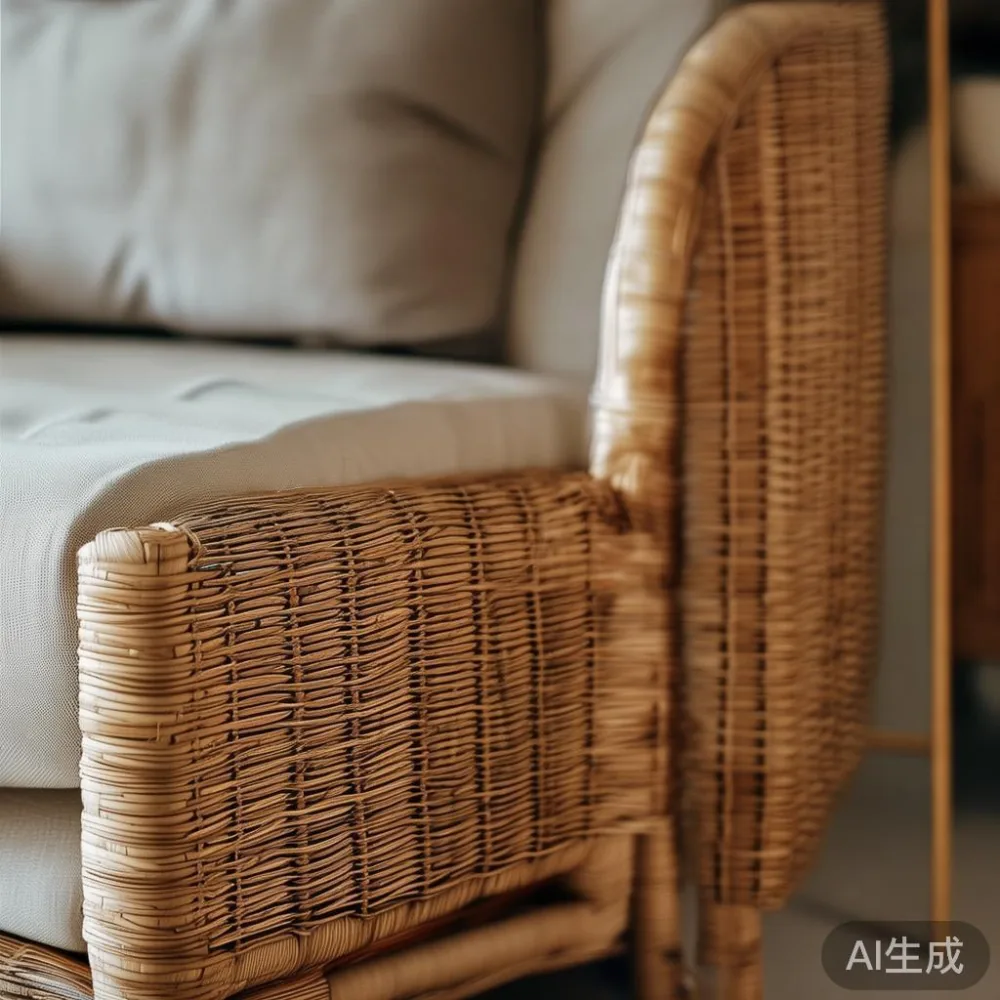
Understanding the Lacquer Finish on Your Rattan Furniture
Before we discuss care, it is helpful to understand what a lacquer finish actually is. Unlike a simple varnish or oil, lacquer is a hard, durable coating that is built up in multiple thin layers. It is known for creating a deep, glass-like sheen that is highly resistant to minor scratches and stains. This makes it a popular choice for fine furniture, including rattan furniture, as it protects the underlying material while showcasing its natural beauty. The process involves spraying or brushing on layers of lacquer, with sanding between each layer to create an ultra-smooth surface. This meticulous process results in a finish that is both beautiful and resilient, but it also means it requires specific care to avoid damage. The finish is in effect a plastic film sitting on top of the wood or rattan, and improper cleaning can strip or cloud this protective layer.
Why Singapore's Climate Poses a Specific Challenge
Singapore's tropical climate is characterised by high humidity levels, often hovering between 70% and 90% throughout the year. This constant moisture in the air is the primary enemy of a lacquered finish. When a piece of furniture, such as a solid wood sofa or a marble table, is moved from an air-conditioned room into a more humid environment like a corridor or lift lobby, the temperature and humidity change can cause the wood beneath the finish to expand and contract slightly. Over time, this movement can stress the lacquer, leading to hairline cracks or a phenomenon known as 'hazing', where the finish becomes cloudy and loses its reflective quality. Also, the frequent use of air conditioning creates a cycle of cooling and warming. Condensation can form on the surface of colder furniture, introducing moisture directly to the finish. This is why a proactive care routine is not just recommended; it is a necessary part of ownership for anyone wanting to preserve the integrity of their furniture.
The Daily and Weekly Care Routine for Lacquered Surfaces
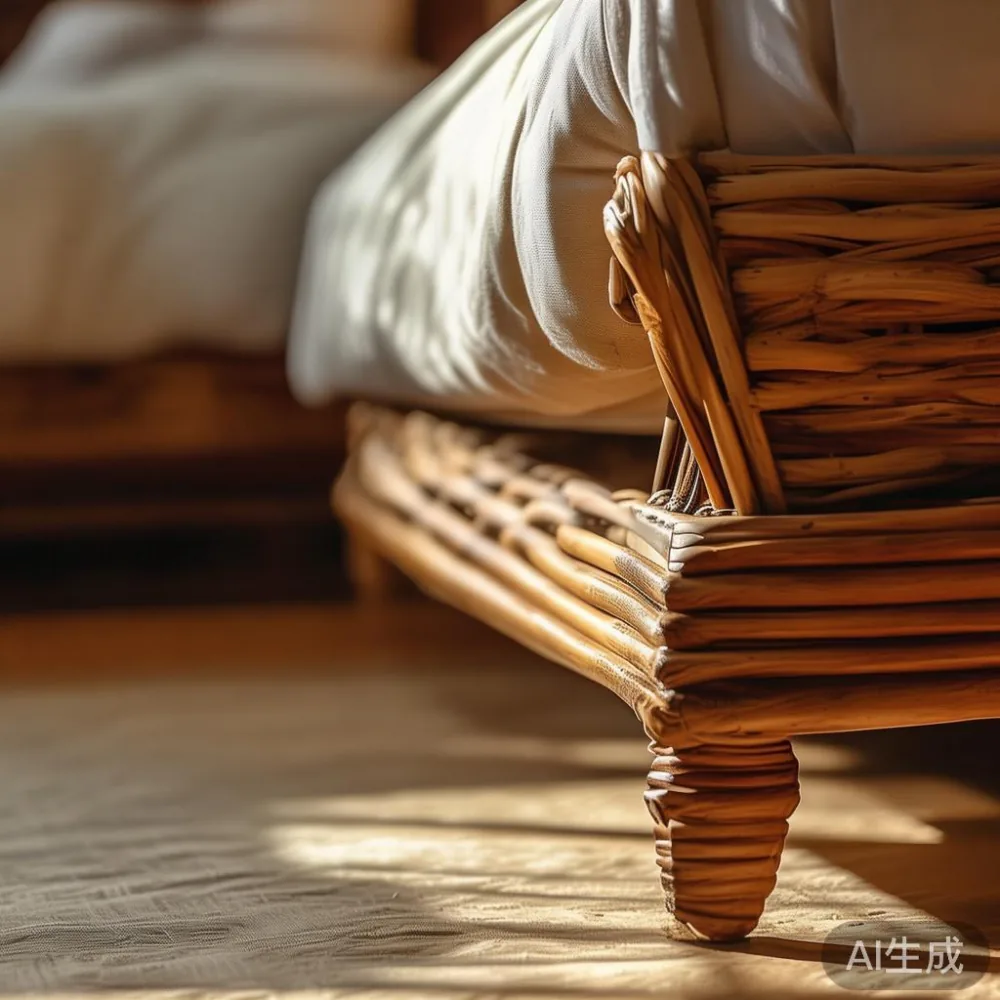
Maintaining the beauty of your lacquered rattan furniture does not need to be a complicated daily chore. A simple, consistent routine is all that is required. For daily upkeep, use a soft, dry microfiber cloth to gently dust the surfaces. This should be done every 2-3 days to prevent a buildup of fine dust particles, which can act like a fine abrasive if wiped with a damp cloth later. For weekly cleaning, use a slightly damp cloth—not wet—to wipe down surfaces. The cloth should be wrung out thoroughly so it is only slightly damp to the touch. Wipe in the direction of the wood grain or the rattan weave to avoid streaking. Immediately follow with a dry, soft cloth to buff the surface and remove any residual moisture. This weekly routine is sufficient for most living areas and will prevent the accumulation of grime that can dull the finish over time.
What to Avoid: Common Cleaning Mistakes
Many well-meaning homeowners inadvertently damage their lacquered finishes by using the wrong products or techniques. The most common mistake is using harsh chemical cleaners. Products containing ammonia, alcohol, or strong solvents can strip away the protective lacquer layer, leaving the wood underneath vulnerable to moisture and damage. Similarly, abrasive cleaners, scouring pads, and rough sponges should never be used, as they will scratch the soft surface of the lacquer. Another frequent error is applying too much water or cleaner. A puddle of liquid on a surface can seep into the seams and edges, causing the wood to swell and the finish to peel. Always apply cleaner to the cloth, not directly onto the furniture. Finally, avoid placing hot items directly on the lacquered surface. The heat from a cup of coffee or a plate of food can create a permanent white ring of damage known as 'blushing' or 'hazing'. Always use coasters, especially for hot or cold drinks.
Can I use a specific polish on my lacquered rattan furniture?
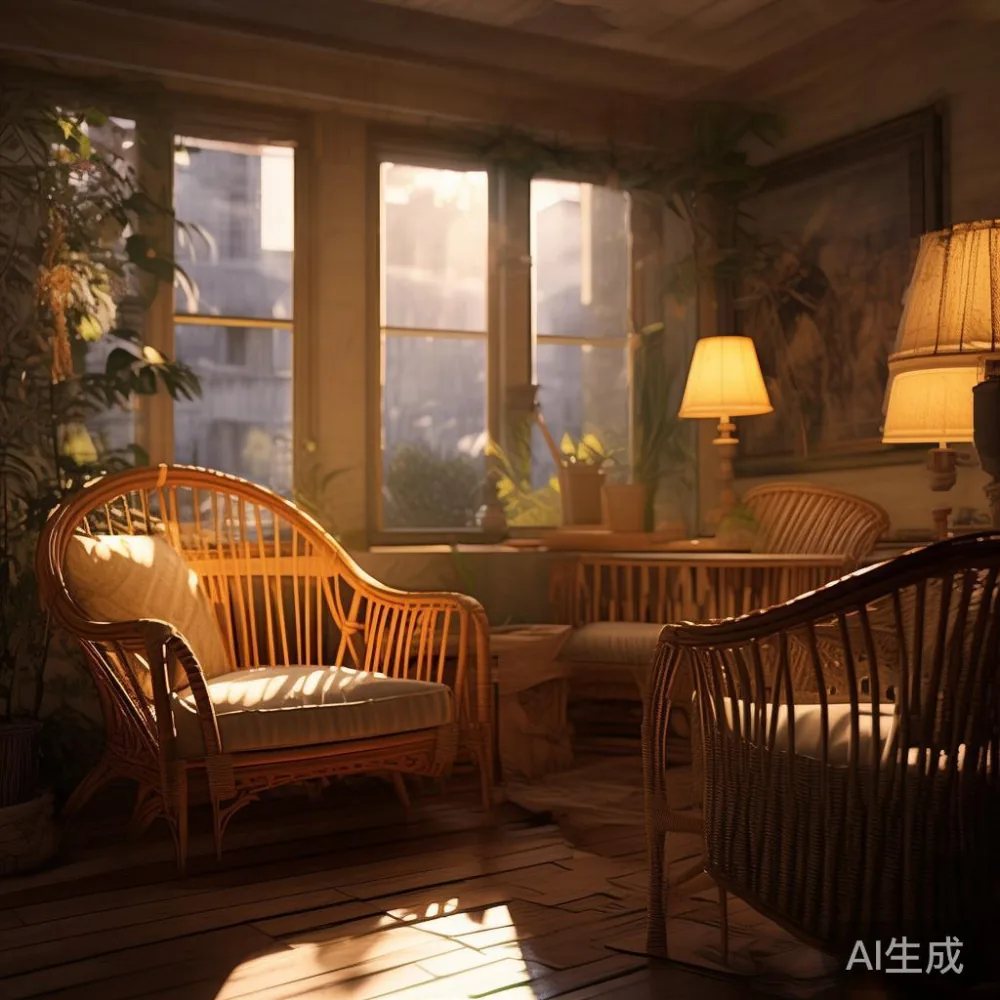
This is a question we receive often, and the answer depends on the type of polish. For modern lacquered finishes, which are typically very hard and durable, most polishes are unnecessary and can even be counterproductive. A high-quality lacquer finish has its own built-in sheen and does not require polishing to maintain it. Using a furniture polish that contains silicone or wax can create a buildup over time, making the surface sticky and attracting more dust. This buildup can be difficult to remove and may eventually cloud the finish. If your furniture has lost some of its sheen due to minor wear or improper cleaning in the past, the best solution is often a professional refinishing service. Many reputable brands offer a lifetime refinishing warranty, which means a professional can strip the old finish and apply a new one, restoring the piece to its original condition. This is far superior to applying a temporary polish that only masks the problem.
Seasonal Maintenance and Long-Term Protection
Beyond the weekly routine, there are a few seasonal and long-term practices to consider. During the year-end monsoon season, when humidity levels peak, be extra vigilant. Keep furniture away from direct sources of moisture, such as open windows during a rainstorm or air-conditioning units that drip. If you notice any signs of excessive stickiness on a rattan furniture piece, it could be a sign that the finish is breaking down. In this case, it is best to stop all cleaning and contact a professional. For long-term protection, always use coasters, placemats, and trivets. Place felt pads under the legs of chairs, tables, and cabinets to prevent scratches when moving them. When rearranging furniture, always lift it rather than dragging it across the floor. These simple habits prevent physical damage that can compromise the integrity of the lacquer finish and lead to more serious problems down the line.
A Real-World Experience: My Colleague's Wardrobe Woes
Last month, I visited my colleague, Sarah, in her new Bedok condominium. She had recently invested in a beautiful MIDHILL wardrobe, a piece with a stunning high-gloss lacquer finish that she was very proud of. However, she was concerned because the finish in one area had become slightly cloudy and sticky. She had been using a popular all-purpose spray cleaner to wipe it down daily. After inspecting the piece, it was clear the cleaner was the culprit. The chemicals had interacted with the lacquer, causing a reaction. We gently cleaned the affected area with a cloth barely dampened with distilled water, then buffed it dry. The stickiness was reduced, but the hazing remained. I advised her to stop using the spray cleaner immediately. Fortunately, her wardrobe was covered under a 10-year structural warranty, which included the finish. She contacted the retailer, and they arranged for a technician to assess it. The technician confirmed the damage was due to a chemical cleaner and advised that under the warranty's lifetime refinishing clause, they would refinish the affected panel at no cost. Sarah's story is a perfect example of why understanding what not to use is just as important as knowing what to use.
Investing in Quality: A Worthwhile Consideration
When selecting new furniture, especially for a demanding environment like Singapore, the quality of the finish is a key factor. A well-made piece with a high-quality lacquer finish will withstand the humidity far better than a cheaper alternative with a thin, sprayed-on coating. The investment in a solid wood sofa or a European light luxury sofa is not just in the aesthetics but in the longevity and ease of maintenance it provides. The peace of mind that comes with a long-term warranty, such as the 10-year structural warranty and lifetime refinishing offered by established makers, is invaluable. It means that should an issue arise with the finish, you have a clear path to restoring the piece to its original condition without a significant financial outlay. This is particularly relevant for large, statement pieces like a dining table or a bed frame, which are central to your home's design and function.
Practical Advice for Singaporean Homes
Living in Singapore, our homes have specific spatial considerations that influence furniture care. The narrow corridors and lifts in older HDB flats, for example, mean that moving a large piece of furniture like a solid wood sofa or a wardrobe requires careful planning. During a move, always protect the lacquered surface with thick blankets or bubble wrap to prevent scratches from door frames or walls. The width of a standard HDB lift is approximately 110 cm, so measure your furniture to ensure it can be manoeuvred without incident. When placing furniture, avoid positioning it directly under an air-conditioning vent, as the constant blast of cold air can cause the finish to contract and become brittle over time. Instead, aim for a spot where air can circulate around the piece without a direct, focused draft. For those in condominiums with large marble tables, remember that while marble is durable, its finish can also be affected by humidity. Wipe up spills immediately, especially acidic liquids like wine or juice, to prevent etching.
Understanding the Cost of Care and Restoration
While regular maintenance is relatively inexpensive, neglect can lead to costly repairs. A full refinishing job for a single dining table can cost anywhere from SGD 800 to SGD 2,500, depending on the size and complexity of the piece. This is why a preventative approach is always more economical. For instance, a simple bottle of high-quality furniture polish, while not recommended for lacquer, might cost around SGD 50, but it can cause hundreds or thousands of dollars in damage if used incorrectly. The cost of a professional deep clean for a lacquered surface is much lower, typically between SGD 150 and SGD 400, and can often restore the shine without the need for a full refinishing. When considering a new purchase, factor in these potential future costs. A piece with a lifetime refinishing warranty, like those from certain manufacturers, effectively removes this financial risk, making it a smarter long-term investment. This peace of mind is a key part of the light luxury experience, where the focus is on enduring quality rather than fleeting trends.
The Light Luxury Approach to Furniture Care
The concept of light luxury in interior design is about creating a home that is both sophisticated and comfortable. It is not about ostentatious displays of wealth but about investing in well-crafted, beautiful objects that bring daily joy. This philosophy extends to how we care for our possessions. A light luxury approach to caring for your rattan furniture or a European light luxury sofa is one of mindful appreciation. It involves understanding the materials, respecting the craftsmanship, and dedicating a small amount of time to ensure their longevity. This care routine becomes a ritual, a moment of connection with the objects that define your living space. When you choose a piece like a Modern light luxury accent chair or a how to choose light luxury bed, you are not just buying furniture; you are acquiring a piece of functional art. Caring for it properly is a way of honouring that artistry and ensuring it remains a beautiful part of your home for years to come. The tactile experience of gently buffing a smooth, cool lacquered surface is a simple pleasure that reinforces the bond between you and your home.
Making the Right Choice for Your Home
When the time comes to furnish your home, whether it's a compact HDB flat in Tampines or a spacious condo in Punggol, the choices can be overwhelming. You might find yourself researching the top 10 light luxury furniture brands or asking how to choose European light luxury sofa. The key is to look beyond the immediate aesthetic and consider the practicalities of ownership. A piece of furniture is a long-term commitment. Consider the materials: solid wood rattan will age gracefully, while a poorly constructed piece may warp in our climate. Examine the finish: is it a thick, multi-layered lacquer or a thin, sprayed-on coating? Ask about the warranty. A 10-year structural warranty and a lifetime refinishing promise are indicators of a manufacturer's confidence in their product's durability. For example, a high-quality wardrobe should not only look beautiful but also function flawlessly for a decade or more, with the assurance that any issues with the finish can be professionally resolved. This careful selection process ensures that your investment is protected and that your home continues to reflect your personal style with enduring quality.