A Guide to Caring for Lacquered Surfaces in Singapore's Humid Environment
Living in Singapore, with its consistently warm temperatures and high humidity levels, presents a unique set of challenges for homeowners, especially those who appreciate fine furniture. For residents in HDB flats across Tampines, Bedok, and Punggol, or in condominiums with standard lift and corridor widths of 120cm, every piece of furniture must be both beautiful and resilient. This is particularly true for rattan furniture, which often features delicate lacquered finishes that can be susceptible to the environmental conditions of our island nation. Understanding how to properly care for these surfaces is key to ensuring your investment remains stunning for years to come.
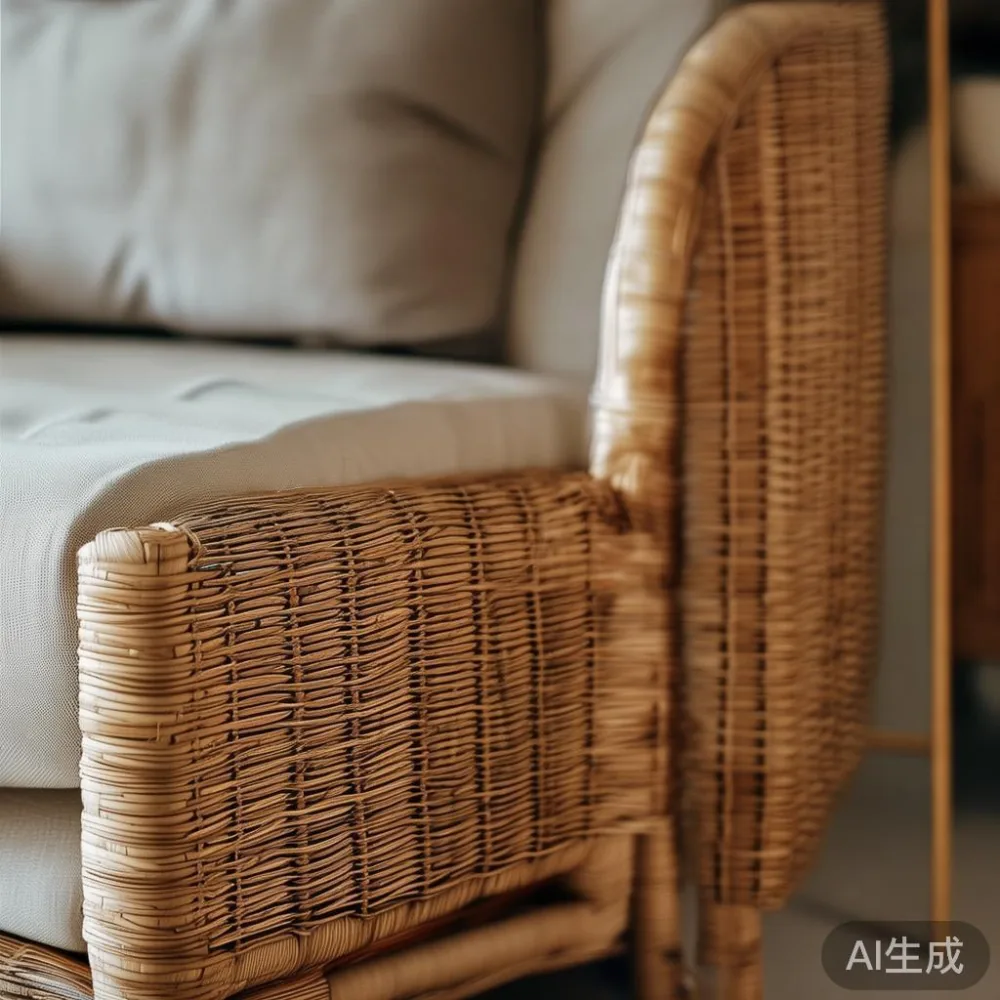
Why Lacquered Surfaces Need Special Care in a Tropical Climate?
A lacquered surface, whether on a solid wood sofa, a dining table, or a rattan chair, is a beautiful, high-gloss finish that provides a protective layer. However, this very layer can be its Achilles' heel in Singapore. The average relative humidity in Singapore hovers around 80%, and temperatures often exceed 30°C. This constant exposure to moisture and heat can cause several issues. The finish may become soft or sticky, attracting dust and grime that can embed itself into the surface. Over time, the constant expansion and contraction of the wood or rattan beneath the lacquer can lead to small cracks, known as 'checking,' which mar the furniture's appearance. Also, direct sunlight streaming through windows, a common feature in Singaporean homes, can cause the lacquer to fade or yellow, altering the piece's original colour and sheen. For example, a rattan dining table placed near a balcony in a Bedok HDB flat might show signs of sun-fading on its surface within 18 months if not properly protected.
What Exactly is Lacquer and How Does It Protect Rattan Furniture?
Lacquer is a clear, hard, protective coating applied to the surface of wood, rattan, or other materials. It's created from the sap of the lacquer tree, which is then processed and applied in multiple thin layers. Each layer must be carefully sanded and polished before the next is applied, a process that can take several weeks for a high-quality finish. This meticulous process results in a surface that is not only incredibly smooth and glossy but also highly resistant to minor scratches and stains. For rattan furniture, which is prized for its natural, woven texture, a durable lacquer finish is non-negotiable. It seals the pores of the rattan, preventing moisture from seeping in and causing mould or mildew, which are common problems in our climate. A well-lacquered piece of rattan furniture, like a side table or a set of dining chairs, can be wiped clean with a damp cloth without fear of water damage, making it practical for everyday use in a Singaporean home.
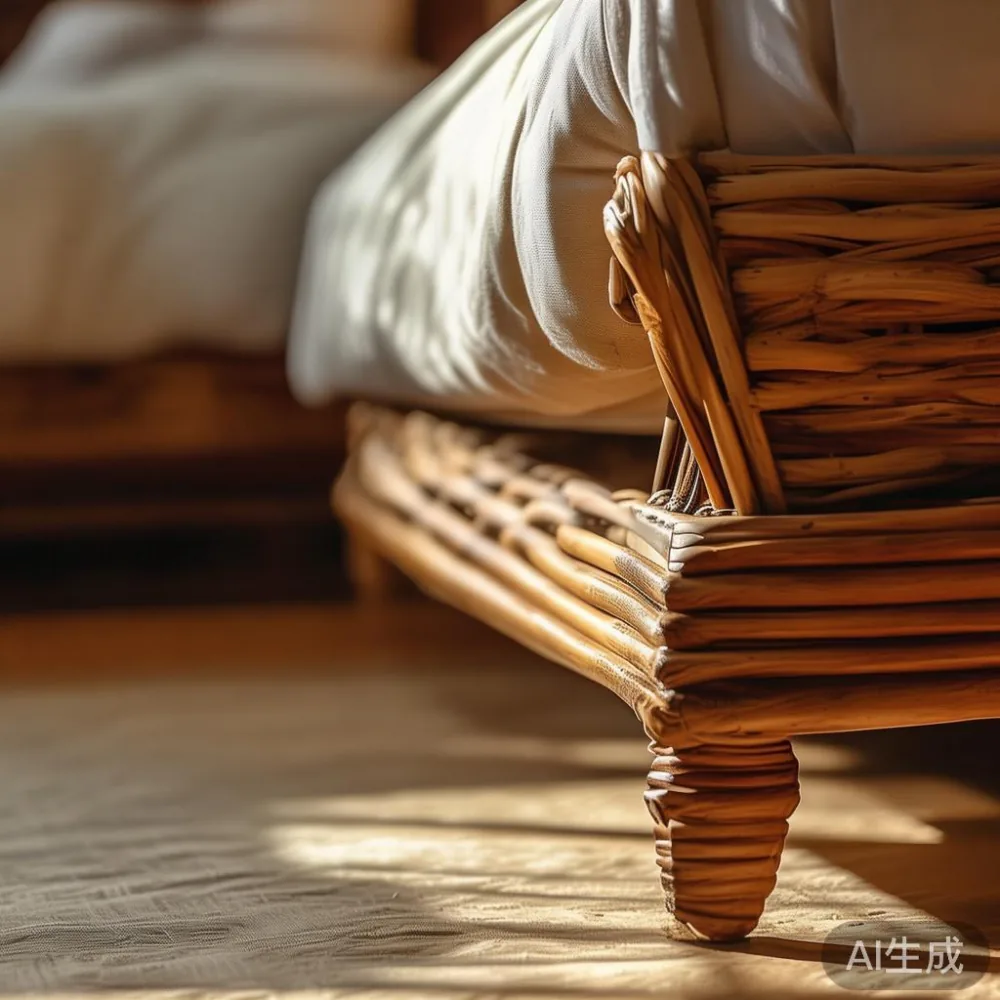
Is It Possible to Polish a Lacquered Surface Without Damaging It?
Absolutely, but the method is critical. Using the wrong type of polish or abrasive material can permanently ruin the finish. For lacquered surfaces, the goal is to clean and restore shine without scratching or dissolving the protective layer. The safest approach is to use a soft, lint-free microfiber cloth. For light dusting, a dry cloth is often sufficient. For fingerprints or minor smudges, lightly dampen the cloth with distilled water—using tap water can leave mineral deposits—and wipe gently in the direction of the grain. For a deeper clean or to restore lustre, a specialized furniture polish formulated for lacquered or high-gloss finishes is recommended. These polishes are typically water-based and free from silicone or wax, which can build up and create a hazy appearance. Apply a small amount to the cloth, not directly onto the furniture, and buff the surface in a circular motion. My colleague, who lives in a Punggol condominium, recently discovered this method after noticing a cloudy patch on her rattan coffee table. After switching to a proper polish, the shine was restored without any damage, a process that took less than 10 minutes and cost under SGD 15 for a good quality bottle.
Preventative Measures: How to Shield Your Furniture from Humidity and Sunlight
The most effective way to care for your lacquered rattan furniture is to prevent problems before they start. Positioning is everything. Avoid placing furniture directly in front of air-conditioning vents, as the constant, cold air can cause the lacquer to contract too quickly, leading to cracking. Similarly, keep it at least two metres away from windows where direct afternoon sun can hit it. Using sheer curtains or blinds can help diffuse the light without sacrificing brightness in your room. For HDB flats with limited space, consider using furniture coasters under the legs of dining tables and sofas. These small, felt or rubber pads improves the furniture by about 0.5cm, allowing for better air circulation underneath and preventing moisture from becoming trapped on the floor surface, which can wick up into the wood. In high-moisture areas like bathrooms or kitchens, maintaining good ventilation is paramount. An exhaust fan running for 15-20 minutes after a shower can significantly reduce the ambient humidity, protecting your nearby rattan wardrobe or nightstand.
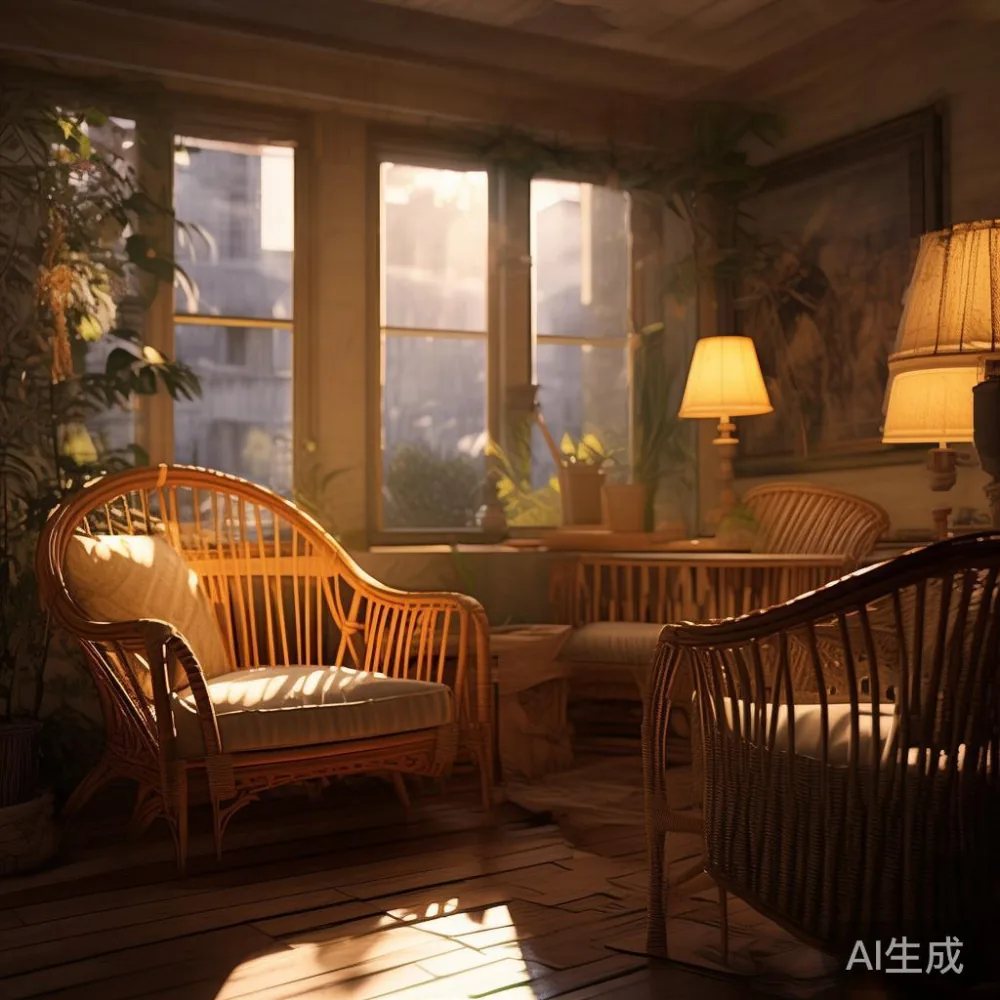
What Should I Do If I Notice White Spots or a Hazy Film on My Lacquer?
Those white spots or a milky haze are a common phenomenon known as 'blushing' or 'blooming,' caused by moisture getting trapped beneath the lacquer finish. It's a frustrating but often fixable issue. The first step is to assess the severity. For very light blushing, you might try buffing the area with a soft, dry cloth. Sometimes, the warmth from your hand combined with gentle friction can help the moisture evaporate. If that doesn't work, you can try a mixture of one part white vinegar to three parts distilled water. Dampen a cloth with this solution, wring it out thoroughly until it is only slightly damp, and then gently rub the affected area. The mild acidity can help break down the moisture without harming the lacquer. After treating the spot, immediately wipe the area with a cloth dampened only with distilled water to remove any vinegar residue, then dry it thoroughly with a clean, soft towel. For more stubborn cases, a product specifically designed for removing water stains from wood or lacquer may be necessary. These can be found at most home furnishing stores in Singapore for around SGD 25 to SGD 40. Prevention is always better than cure, so addressing small issues promptly can save you from a costly refinishing job down the line.
When is Professional Refinishing the Right Choice for Your Rattan Furniture?
While regular maintenance can keep your rattan furniture looking its best, there comes a point when the finish is too damaged for at-home fixes. If the lacquer is deeply scratched, chipped, or has widespread checking, professional refinishing is the most viable option. This process involves stripping the old lacquer completely and applying a new, multi-layered finish. For a piece like a solid wood bed frame or a large dining table, this is a significant undertaking. It's worth considering this service if the piece holds sentimental value or is a high-quality item, such as a best French provincial bed for 2026 or a modern light luxury dressing table. The cost of professional refinishing in Singapore can vary widely, typically ranging from SGD 800 to over SGD 2,500 depending on the size and complexity of the piece. While this is a considerable expense, it's often more economical than replacing a beloved item of furniture. A reputable furniture maker, like one established in 2008 with a lifetime refinishing promise, offers peace of mind that the work will be done correctly, preserving the integrity and beauty of your rattan furniture for another decade or more.
Choosing Rattan Furniture That's Built for Singapore's Climate
When selecting new rattan furniture for your Singapore home, considering the climate should be a top priority. Look for pieces that specify a high-quality, moisture-resistant lacquer finish. Ask the retailer about the warranty; a 10-year structural warranty, for instance, indicates a manufacturer's confidence in their product's durability. Pay attention to the design of the furniture. For smaller living spaces, like those in many HDB flats, a European for small living room approach, focusing on clean lines and compact designs, can be ideal. A rattan armchair with a low, open profile or a nesting set of tables can provide function without overwhelming the space. If you're furnishing a dining area, a Modern for dining room aesthetic, combining rattan with materials like a marble table top, can create a sophisticated and cool atmosphere, perfect for entertaining. The key is to balance style with practicality. A rattan wardrobe, for example, should have solid backing and a well-sealed interior to protect your clothes from humidity. The question of is light luxury wardrobe worth it can be answered by its construction; a well-made piece will protect your belongings and its own finish for many years, making it a sound investment.
Practical Cleaning Tips for Everyday Upkeep
Incorporating a simple cleaning routine into your weekly chores can make a world of difference. For your rattan furniture, a quick dusting with a feather duster or a soft brush attachment on your vacuum cleaner is the first line of defence. This should be done once a week to prevent dust from accumulating and scratching the surface when you wipe it down. For a deeper clean, which can be done monthly, use a soft brush, like a paintbrush or a soft-bristled toothbrush, to gently dislodge any dust or debris from the crevices of the rattan weave. Follow this by wiping the entire surface with a cloth dampened with a mild soap solution (a few drops of dish soap in a litre of water). Be sure to wring the cloth out extremely well. After wiping, immediately go over the surface with a clean, dry microfiber cloth to remove any moisture. This two-step process cleans without leaving the wood or rattan overly wet. Always wipe spills immediately. A glass of water left on a rattan nightstand for even a few hours can leave a ring. By blotting it up right away with a dry cloth, you can prevent the moisture from penetrating the finish.
Understanding the Investment: Cost and Value of Quality Rattan Furniture
p>Quality rattan furniture is an investment, and understanding its value helps in making an informed purchase. A well-constructed piece, like a dining table set from a reputable manufacturer, might cost between SGD 1,500 and SGD 4,000 in Singapore. While this is more than mass-produced alternatives, the difference lies in the materials and craftsmanship. Solid wood frames, hand-woven rattan, and a multi-layered lacquer finish all contribute to a longer lifespan. When considering a wardrobe, the question is European wardrobe worth it can be reframed as: is it worth paying a premium for durability and timeless design? For many, the answer is yes. A European wardrobe, often characterized by its clean lines and superior build quality, can last for decades, becoming a cherished part of the home. This is especially true when the purchase comes with guarantees like a 10-year structural warranty and free shipping over SGD 350, which adds significant value. The initial cost is offset by the longevity and the peace of mind that comes with knowing your furniture is protected. For those who appreciate a more understated elegance, the post-modern light luxury style offers a perfect blend of comfort and sophistication, with pieces that are designed to be both beautiful and resilient in the face of daily life and a tropical climate.
Where to Find Expert Advice and Quality Pieces in Singapore
For homeowners in Singapore seeking rattan furniture that combines aesthetic appeal with practical durability for our climate, expert guidance is invaluable. While many local stores offer furniture, finding a specialist with a proven track record is key. A manufacturer that has been exporting to 15+ countries since 2008 brings a global perspective to local needs, understanding the specific challenges of humid environments. When visiting a showroom, don't hesitate to ask detailed questions about the materials, the type of lacquer used, and the care requirements. A knowledgeable salesperson can provide insights that go beyond the showroom floor. For instance, they might advise on the best placement for a rattan sofa in a condo with limited balcony space or recommend a specific type of polish. If you're looking for something specific, like a modern light luxury dressing table, or have questions about a particular style, reaching out directly to the supplier can provide the clarity you need. For detailed inquiries, you can contact a specialist at +86 188 2788 2512 to discuss your project and find a piece that perfectly suits your home and lifestyle. This direct line of communication ensures that your investment is a well-informed one, leading to a furniture purchase that you will enjoy for many years to come.