Impact of Humidity on Rattan & Solid Wood in Southeast Asia
Humidity is rarely discussed as furniture-care issue in Singapore, yet it shapes daily life in HDB flats and condos across Tampines, Bedok and Punggol. Outdoor air can reach 90% relative humidity during monsoon periods, while an air-conditioned bedroom may sit near 50%. The difference matters because timber expands across its grain as it absorbs moisture, contracts as the air dries, and may twist if its surfaces respond unevenly.
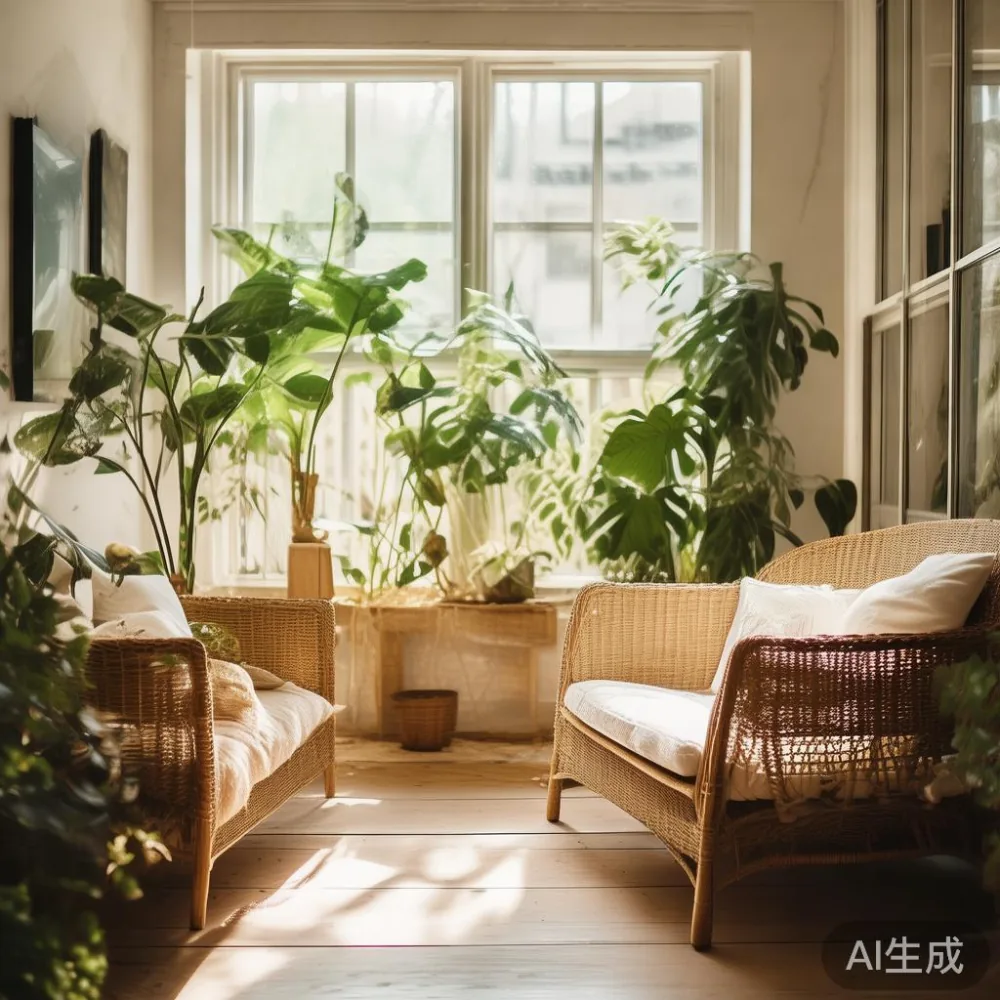
Rattan furniture deserves particular attention in this climate. Although many pieces are labelled “rattan furniture,” some combine woven rattan with solid wood frames, while others use synthetic fibres or powder-coated metal. Solid wood sofa frames, bed frames, dining tables, wardrobes and nightstands also react to humidity, although their tolerances differ from those of woven natural rattan.
MIDHILL designs furniture for export to more than 15 countries, giving its production team practical experience with different humidity zones. Its 10-year structural warranty and lifetime refinishing service make maintenance planning part of the ownership experience rather than an afterthought. Prices discussed here are indicative Singapore retail examples and exclude GST; delivery normally takes 5–10 working days after order confirmation.
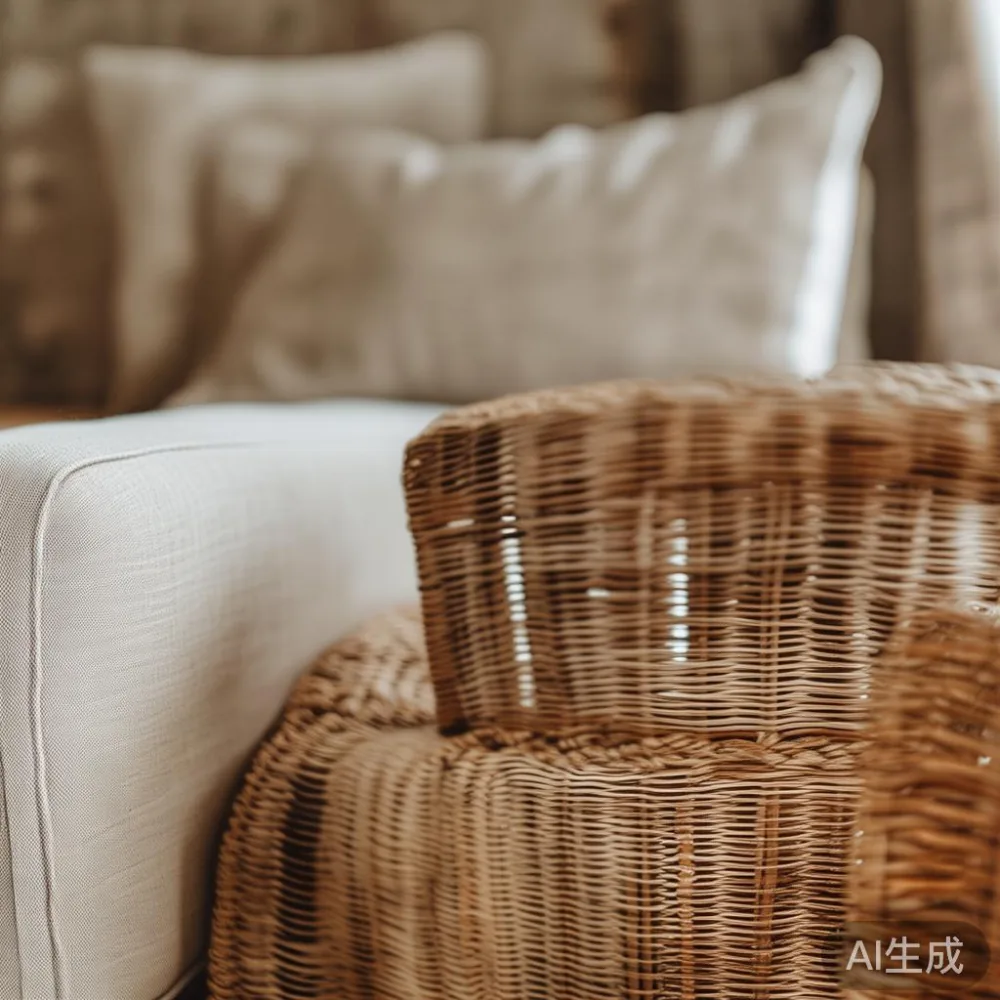
What does high humidity do to solid wood furniture in Singapore?
Wood is hygroscopic: it continually exchanges moisture with the surrounding air. In Singapore, a poorly ventilated corner can remain above 80% relative humidity for many hours. Under those conditions, an unfinished oak dining table may gain roughly 1–2 mm in width over a season, while a solid wood bed frame may show small movements at its joints.
That movement does not automatically mean failure. A well-made joint should accommodate natural dimensional change. Trouble begins when panels are sealed on only one face, when a wardrobe is pushed directly against a damp wall, or when furniture is repeatedly moved between a 32°C corridor and a 22°C room. The finish can check, veneer edges can lift, and dowelled or screwed joints can loosen.
Place hygrometers in the rooms where you use furniture, not merely in the living room. A reading of 55–65% is a practical target for most occupied Singapore interiors. Keep pieces at least 5–10 cm from exterior walls and avoid direct airflow from an air-conditioning vent. In a compact HDB flat, that clearance may need to be planned before a 180 cm wardrobe is delivered through the lift and corridor.
How should I care for rattan furniture in a humid climate?
Natural rattan tolerates humidity better than many people expect, but it is not maintenance-free. Fibres can soften, stretch or become brittle if they alternate between wet and very dry conditions. Synthetic rattan generally has lower moisture sensitivity, yet its frame, fixings and finish still need attention.
Vacuum woven surfaces with a soft brush attachment at least once every 2 weeks. Keep them away from standing water, bathroom spray and air-conditioner mist. If natural rattan becomes damp, blot it with a dry cloth and allow circulation around the piece; do not soak it. A rattan chair may be better positioned in a dry living area than on an open balcony.
For solid wood portions, use a soft, slightly damp cloth and dry immediately. Apply furniture wax or an appropriate hard-wax oil every 12 months, following the product instructions. Avoid silicone-heavy “polish” products that can form a moisture-trapping film. Annual care is especially useful for a pale oak dining table or a walnut bed frame because the finish protects the grain without preventing natural movement.
Rattan furniture should also be checked for loose strands. A dining chair rated for 110 kg should have its joints and seat supports inspected every 6 months. Light furniture is easier to maintain, but load capacity is not determined by weight alone: frame geometry, fasteners and material thickness all contribute.
Can a solid wood sofa survive Singapore’s humidity?
Yes, provided the frame, upholstery and placement work together. A kiln-dried hardwood frame for a 3-seat solid wood sofa may use components around 40–50 mm thick, depending on the design. The inner structure should remain stable while the visible timber finish accommodates seasonal movement.
Humidity is often blamed for problems that actually begin with a poor installation. Low cabinets, storage boxes and tightly packed accessories can obstruct airflow behind or beneath a sofa. Leave 5 cm behind a closed back where possible and 8–10 cm where ventilation is limited. Cushions should be rearranged every 2–4 weeks so the same area does not remain compressed.
Leather or fabric-covered seat cushions can absorb moisture less visibly than timber. Remove loose covers where the care label permits, and wash them according to the stated temperature—often 30°C. A direct hair-dryer treatment can shrink fabric or damage its finish. Instead, ventilate the sofa for several hours in a dry, shaded area.
French light luxury often uses pale woods, refined upholstery and restrained profiles; American light luxury tends toward broader, comfort-focused silhouettes. In either approach, humidity control protects the materials rather than changing the design intent. A solid wood sofa is not simply timber on four legs: the quality of its joinery, suspension and finish determines how well it handles a humid room.
Will a wardrobe, bed frame or nightstand warp in an HDB bedroom?
Warping is possible when moisture exposure is severe or uneven, but it is avoidable. A 2-door wardrobe should not be forced against a wall that feels cold and damp, especially on the ground floor or beside a window with a persistent leak. In new HDB flats, allow building paint and moisture to settle before placing large pieces against walls.
Choose a bedroom arrangement with both function and airflow in mind. A 150 cm bed frame may require 60 cm on each side for access, while a 45 cm nightstand needs another 5 cm of rear clearance. In a typical Tampines or Punggol HDB bedroom, moving the wardrobe 5 cm away from the wall may reduce condensation risk more than any household chemical treatment.
For light luxury for bedroom projects, align the bed frame, wardrobe and nightstand as a coherent composition rather than selecting each item in isolation. French light luxury could pair a light oak bed frame with a pale stone or marble table; post-modern light luxury might contrast rounded timber with sharper geometry. Avoid placing a marble table beside a door where repeated impact or vibration could chip an edge.
If you are comparing storage choices, the phrase best American wardrobe for 2026 suggests a preference for generous internal organisation and a substantial timber feel. Yet the best design for Singapore is one with adjustable shelves, durable hinges and enough separation from exterior walls. Check that the doors open through 90° and confirm whether the manufacturer supplies wall-anchoring hardware for tall units.
Does air-conditioning alone protect furniture from humidity?
Air-conditioning lowers humidity while operating, but walls, floors and stored textiles do not dry at the same rate. Switching the system off for 12 hours can allow surfaces to absorb moisture again. A bedside table near a return vent may experience repeated cooling and warming, which can stress lacquer and joint edges.
A room hygrometer offers an inexpensive control. Keep it around eye level and away from vents. If readings remain above 70% for several hours, improve ventilation or run a dehumidifier. A unit with a 12–20 L/day rated extraction capacity is suitable for many HDB bedrooms, although actual output depends on room size, temperature and door seals. Position the unit so its intake is not blocked by a bed frame or wardrobe.
Do not place furniture against an exterior wall with visible mould, staining or a history of leakage. Repair the source first. A dehumidifier cannot compensate for an active water ingress problem, and repeated swelling may leave permanent distortion even after the wall dries.
How do lifts and corridors change furniture delivery?
Humidity care begins before the furniture enters the flat. Delivery planning matters in older HDB blocks where lifts, corridors and turning corners are compact. A wrapped wardrobe measuring 220 cm high and 100 cm wide may need to be tilted through a lift lobby, but it should never be forced. If there is insufficient manoeuvring space, the delivery team should assess the staircase or alternate access route.
Measure the lift car, lift door opening, landing turn and bedroom doorway before dispatch. Allow a margin of at least 5 cm at narrow points. Flat-pack formats can reduce the size of the transported package, while assembled pieces may offer better joint alignment. Confirm whether delivery includes unpacking and placement or stops at the door.
For local orders, shipping over SGD 350 is free under MIDHILL’s stated delivery policy. A typical local delivery window is 5–10 working days, subject to stock and access checks. GST is added at checkout. A 14-day return period provides room to inspect scale, finish and condition, but furniture should not be returned without the original protective packaging.
Delivery teams should also prevent outdoor moisture from getting indoors. Avoid moving solid wood furniture into a wet corridor on the day of a downpour. Carry removable covers separately, inspect carton corners for dampness, and let wrapped pieces acclimatise for 24–48 hours before removing all protective material.
What should I look for in rattan furniture and solid wood products?
Ask the seller whether the “rattan” is natural, synthetic or a combination. Natural rattan has irregular fibres and a warmer tactile finish; synthetic rattan is usually more uniform and colourfast. For a rattan dining chair, look for wrapped joints, reinforced seat rails and a load rating of at least 100 kg for ordinary residential use. A heavier adult or a commercial setting may require a higher specification.
For solid wood, check whether surfaces are kiln-dried, how panels are joined, and whether back panels can breathe. Prefer dowelled and screwed construction over joints relying only on concealed clips. Drawer runners should operate smoothly under humidity-related movement, and wardrobe shelves should sit on adjustable supports rather than fixed holes that could split over time.
Style terminology can help narrow a search, but specifications should guide the purchase. A Japanese sofa vs Japandi sofa comparison may distinguish a more compact, restrained Japanese layout from the broader functional vocabulary of Japandi. Likewise, the best Japanese sofa for 2026 should still be judged by seat depth, frame material, cushion recovery and support—not its trend label.
For occasional online listings, a search for for sale Coastal furniture may lead to light-toned timber and woven textures suited to Singapore’s relaxed interiors. The same care principles apply: breathable placement, measured moisture control and regular inspections. A pale oak or teak dining table should be separated from damp walls by 5 cm and checked twice a year for finish wear.
How can a dressing table be protected from humidity?
A dressing table needs both surface protection and stable storage. If you are searching for a Mid-century modern dressing table, compare the top material, drawer runners and leg clearance as well as the profile. A 120 cm table with a 40 cm working height suits many bedrooms, but the top should not touch a window frame or exterior wall.
Keep perfume, hairspray and damp skincare tools away from an open timber top. Use a tray for small objects and wipe spills immediately. A solid wood nightstand benefits from the same 5–10 cm wall gap. If a marble table is used in the room, keep its base dry and use felt pads beneath it; moisture around the base can discolour the stone or affect its protective seal.
Remove batteries from wireless devices and avoid storing damp clothing inside closed drawers. Declutter should include leaving air channels around the table and wardrobe, not simply removing visible objects. This makes it easier to wipe surfaces and notice early swelling, discoloration or a musty smell.
What is a practical humidity-control routine for Singapore homes?
Use a 3-part routine: measure, position and maintain. Place one hygrometer in each frequently used bedroom and living area. Keep major furniture 5–10 cm from external walls, maintain a relative-humidity reading near 55–65%, and inspect timber and rattan furniture twice a year.
Once every 2 weeks, wipe a dining table with a dry microfibre cloth and check beneath coasters. Every 6 months, inspect sofa joints, wardrobe hinges, rattan weave and bed-frame fixings. Every 12 months, renew the appropriate wax or oil finish where the manufacturer recommends it. Small corrective actions take 10–20 minutes; delayed repairs can take weeks.
During monsoon periods, close windows when outdoor humidity is very high and run the air-conditioner in dehumidify mode where available. Ventilate stored rooms after rain, but do not leave timber exposed to gusts from an open balcony. If a piece develops mould, isolate it, identify the moisture source and consult the material supplier before applying chemicals.
My colleague at MIDHILL’s workshop demonstrated this routine last month using a hygrometer, a walnut sample and a small rattan panel. The panel was marked, then exposed for 24 hours in a room held above 80% relative humidity. Its length changed by under 1 mm, while the finish on a thin, poorly sealed edge showed a slight dulling. That observation supports a simple rule: moderate humidity with airflow causes far less damage than a short period of direct wetting.
Good furniture in Southeast Asia should be designed for ordinary humidity, then protected through sensible placement and maintenance. Rattan furniture remains practical for Singapore homes when its natural fibres are kept dry, and solid wood pieces can retain their character for years when owners respect their movement. With the right care schedule, a solid wood sofa, bed frame, dining table, wardrobe, nightstand or marble table can remain comfortable, durable and visually calm through humid seasons.