Preserving the Shine: A Guide to Lacquered Rattan Furniture Care in Singapore
Moving into my new 5-room HDB flat in Tampines last month, I was determined to create a home that felt both open and refined. I fell for a stunning set of rattan furniture from a local supplier, its clean lines and warm finish promising to be the perfect anchor for my living room. The rattan weave was intricate, and the deep, glossy lacquer finish gave it an air of French light luxury that I found irresistible. However, within a week, I noticed a small, white patch of haze forming near a window where the afternoon sun hits directly. A quick search online revealed a common problem for homeowners in Singapore: the relentless humidity and intense UV rays can be unforgiving to certain furniture finishes. This experience became the catalyst for a deep get into understanding how to properly care for lacquered surfaces in our unique tropical environment.
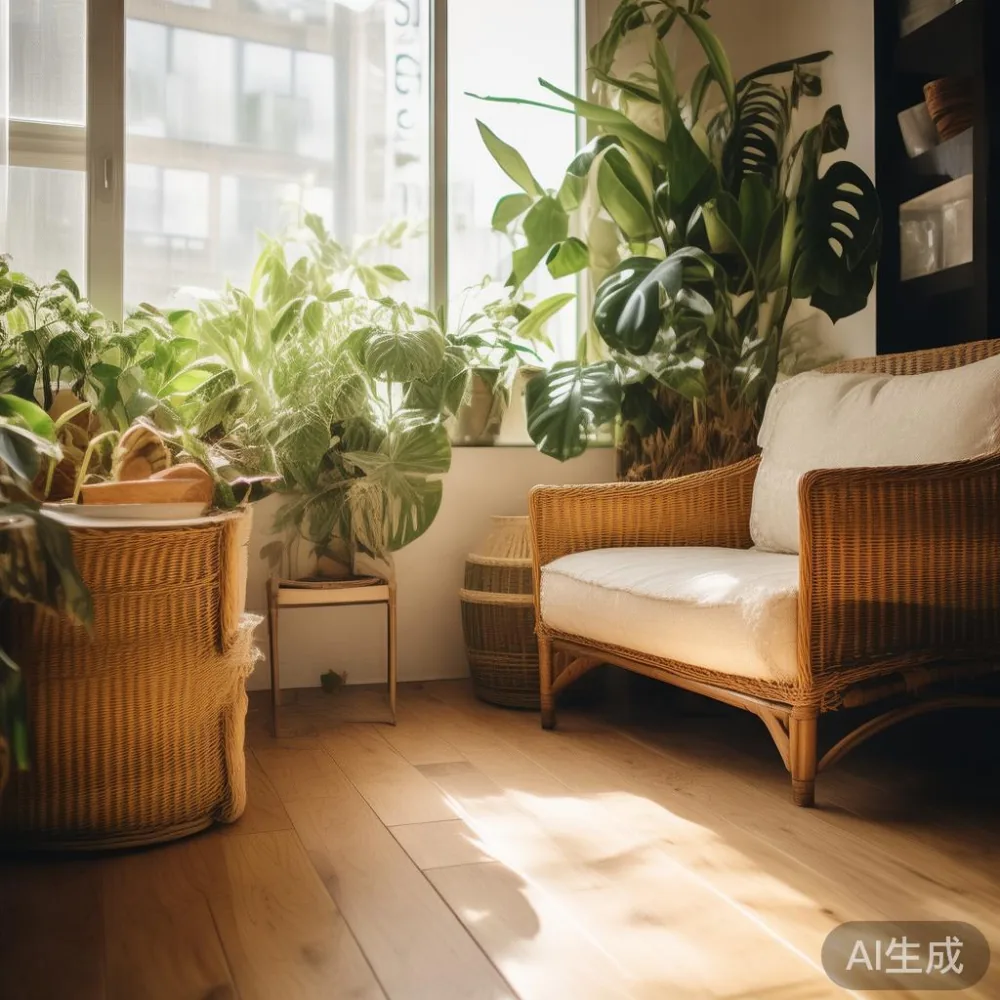
Understanding Your Lacquered Rattan Furniture
Before we discuss care, it's important to understand what you're working with. The term 'lacquered' refers to a finish applied over the rattan. This is typically a clear, hard coating, often a polyurethane or a specialized resin, designed to protect the underlying material and provide a high-gloss, satin, or matte aesthetic. For rattan furniture, this finish is not just for looks; it's a shield. It protects the natural fibres from absorbing too much moisture, which can lead to mould, mildew, and rot. It also guards against the bleaching effect of the sun and the minor scratches and scuffs of daily life.
The quality of the lacquer is a key differentiator. A high-quality, multi-layered application, like the kind used by established makers such as MIDHILL, provides a durable barrier. A cheaper, single-coat finish may look good initially but will degrade much faster under Singapore's climate. When you touch a well-lacquered surface, it should feel smooth and cool, not sticky or powdery. The latter can be a sign of the finish breaking down. Understanding this helps you appreciate why a proper care routine is an investment in the longevity and beauty of your pieces.
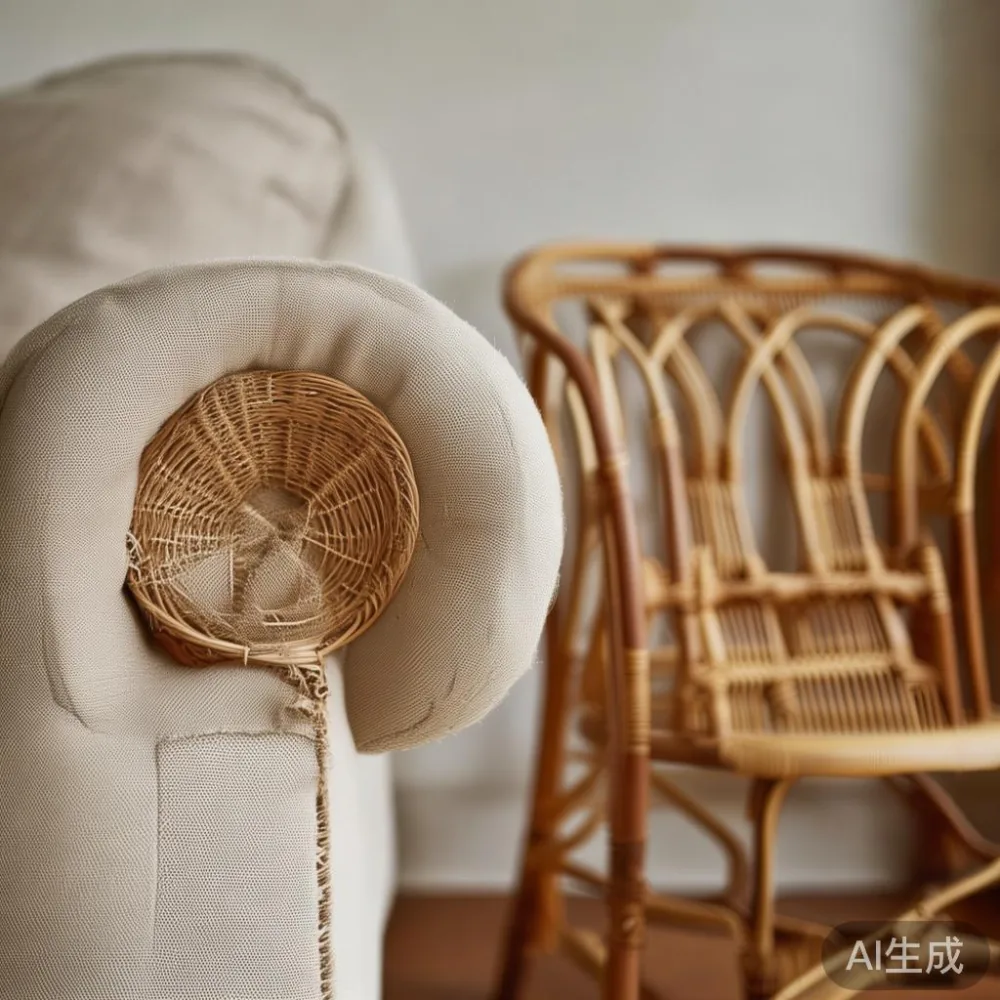
Why Singapore's Climate Poses a Unique Challenge
Singapore is a paradise for many things, but it's a testing ground for furniture finishes. The combination of high humidity (often averaging above 80%), direct sunlight, and daily temperature fluctuations creates a perfect storm for potential damage. Let's break down the specific threats:
Humidity and Moisture: Our air is saturated with water vapour. Lacquer is designed to be a moisture barrier, but constant exposure can cause it to absorb small amounts of water vapour. This can lead to a phenomenon called 'blushing,' where moisture gets trapped under the finish, creating a cloudy, white haze, just like the patch I noticed on my sofa. In severe cases, prolonged humidity can cause the lacquer to soften or even peel away from the rattan substrate.
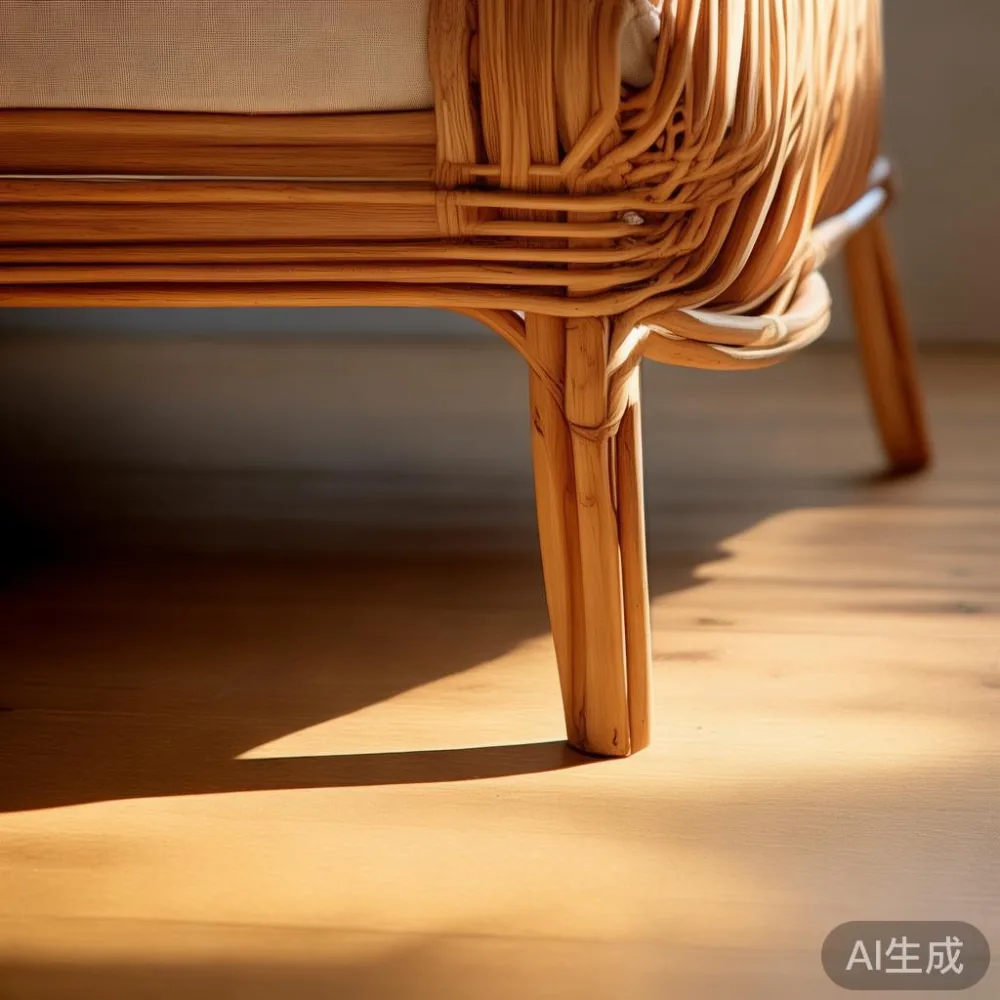
Intense UV Radiation: The Singaporean sun is strong. Ultraviolet rays are particularly damaging to clear lacquers. They break down the polymers in the finish, causing it to become brittle, lose its gloss, and eventually turn yellow or become chalky. A rattan dining table placed on a balcony or near a large window is especially vulnerable. You might find the finish on one side fading noticeably faster than the other.
Temperature Fluctuations:
The cycle of hot days and cooler nights can cause the materials in your furniture to expand and contract. While rattan and the wood frames in solid wood furniture are designed to handle this movement, the rigid lacquer finish can be stressed by the constant shifting. Over many years, this can lead to fine cracks, known as 'checking,' in the surface. This is a question many of us ask when we first spot that dreaded white patch on our beloved rattan furniture. The short answer is: not necessarily, and it often depends on the severity and cause. In my case, the small, isolated patch on my sofa was likely a case of surface-level blushing, where moisture got trapped under the finish. This is a common issue and can often be remedied with the right polishing technique. However, if the white haze is extensive, thick, and accompanied by bubbling or peeling of the lacquer, the damage is more severe. This indicates that moisture has penetrated the finish and compromised its bond with the rattan. Repairing this at home is difficult and often not recommended, as you risk making the damage worse. For such cases, consulting a professional furniture restoration service is the best course of action. The key takeaway is to address these issues early. A small patch today, if ignored, can become a large problem in 6 months. Regular inspection of your rattan furniture, especially pieces in direct sunlight, can help you catch these signs before they become irreversible. For those who own a European bed vs Italian light luxury bed, the same principles apply; the high-gloss lacquer on a headboard is just as susceptible to our climate's effects as rattan is. Protecting your investment starts with simple, consistent habits. A little regular maintenance goes a long way in preserving the beauty of your rattan furniture. Here’s a practical routine you can follow: Dust Regularly: Dust is an abrasive. When you wipe a dusty surface, you're in effect rubbing fine particles of dirt across your lacquer, which can create micro-scratches that dull the finish over time. Get into the habit of dusting your rattan furniture once a week. Use a soft, dry microfiber cloth. For intricate weaves, a soft-bristled brush (like a clean paintbrush) can help dislodge dust from hard-to-reach crevices without snagging the rattan. Wipe Spills Immediately: This is non-negotiable. Whether it's water from a glass, condensation from a cold drink, or a drop of juice, wipe it up right away. Use a clean, soft cloth slightly dampened with water. Wring the cloth out thoroughly so it's damp, not wet. Never let liquid pool on the surface. For stubborn spots, a tiny drop of mild, pH-neutral soap on the damp cloth can help, but be sure to wipe the area with a clean, damp cloth afterward to remove any soap residue. Weekly Polish: Once a week, give your lacquered surfaces a light polish with a high-quality furniture polish specifically designed for lacquer or lacquered wood. Avoid silicone-based or wax polishes, as they can build up a cloudy film over time. Apply a small amount to a soft cloth and buff the surface in a circular motion. This not only enhances the shine but also helps to create a temporary protective barrier against humidity. For my rattan sofa, I found a weekly 5-minute polish kept the haze at bay. Where you place your rattan furniture is one of the most effective preventative measures you can take. A little thought during the initial setup can save you a lot of trouble down the line. When I was arranging my living room, I had to make some key decisions based on the layout of my Tampines HDB flat. Avoid Direct Sunlight: This is the most important rule. The UV rays from direct sun are the primary cause of lacquer degradation. If you have large windows, use curtains or blinds to filter the light. Sheer curtains are excellent as they allow natural light to enter while diffusing the direct rays, protecting your furniture. Avoid placing rattan dining tables or solid wood sofas in a spot where they will be 'baked' by the afternoon sun for several hours a day. Manage Humidity Hotspots: Areas with poor air circulation can become localised humidity traps. This is particularly relevant for HDBs and condos. In my corridor, which is about 120 cm wide, placing a large rattan cabinet can restrict airflow. Ensure there is at least 20-30 cm of space around your furniture to allow air to circulate. This helps prevent moisture from becoming trapped. For those in condos in Bedok or Punggol with balconies, be extra cautious with rattan furniture left outdoors unless it's specifically designed for all-weather use. Consider Your Home's Microclimate: Not all rooms are equal. Bathrooms and kitchens are naturally more humid due to steam and cooking fumes. It's best to avoid placing fine rattan furniture in these areas. If you must have a rattan piece in a more humid room, like a walk-in wardrobe, consider using a dehumidifier to keep the ambient humidity level below 70%. A small dehumidifier costs around SGD 150 and can make a significant difference. Despite your best efforts, there will come a time when your rattan furniture needs more than a weekly dust and polish. A deeper clean might be necessary to remove built-up grime or to address early-stage hazing. However, proceed with caution. The wrong cleaning method can permanently damage the lacquer. For a deep clean, start by vacuuming the rattan weave with a soft brush attachment to remove all loose dust and debris. Then, mix a solution of one part mild dish soap to four parts lukewarm water. Dip a soft cloth into the solution, wring it out until it is almost dry, and then gently wipe down the rattan. Immediately follow up with a second cloth dampened with clean water to remove any soap residue. Finally, dry the surface thoroughly with a soft, dry towel. Never soak the rattan, as excessive water can seep into the fibres. When should you call a professional? If you see any of the following signs, it's time to seek expert help: Professional furniture restorers have the tools, solvents, and expertise to strip and refinish lacquer correctly. While this service can be expensive—potentially costing several hundred dollars for a large piece like a MIDHILL dining table—it is often far cheaper than replacing the entire item. For those who own a post-modern for dining room set with intricate detailing, professional restoration is the only way to preserve its unique character. My experience with my new rattan sofa has been a valuable lesson. It has taught me that in a climate like Singapore's, the initial quality of your furniture is paramount. A well-made piece with a superior lacquer finish can withstand the elements for many years with proper care. This is where brands with a proven track record, like MIDHILL, demonstrate their value. When I was researching my purchase, I noted that MIDHILL offers a 10-year structural warranty and a lifetime refinishing service. This isn't just a marketing gimmick; it's a reflection of their confidence in the durability of their products. A 10-year warranty on a solid wood frame or a rattan weave speaks volumes about the quality of the materials and craftsmanship. The lifetime refinishing offer is particularly reassuring, as it acknowledges that even the best finishes may eventually need attention in our climate and provides a clear path for restoration. Also, practical benefits like free shipping for orders over SGD 350 and a 14-day return policy reduce the friction of purchase. For someone living in a condo with a narrow lift, knowing that a large item like a light luxury sofa vs Italian light luxury sofa will be delivered and placed correctly without extra hassle is a significant plus. These policies show a manufacturer that stands behind its products and cares about the customer experience from purchase to long-term ownership. Ultimately, caring for lacquered rattan in Singapore is about a combination of mindful placement, a simple cleaning routine, and a recognition that quality upfront saves money and heartache later. It allows you to enjoy the timeless beauty of rattan furniture without the constant worry of environmental damage.Is My Rattan Furniture Ruined if I See a White Haze?
A Daily and Weekly Care Routine for Your Lacquered Surfaces
Placement is Prevention: The Strategic Art of Furniture Positioning
Deep Cleaning and When to Call a Professional
Investing in Quality for Long-Term Peace of Mind