Solid Wood vs Veneer Furniture in Singapore HDBs: A 5-Year Cost Reality Check
I have a confession. Last month I visited a friend's new 4-room HDB in Punggol and asked, with genuine curiosity, where she bought her dining table. She beamed and said, "Veneer! Only S$899 at a huge furniture expo in Jurong." The table looked stunning — a 1.6 m slab with subtle grey oak grain, sitting under her rattan pendant light. Three months later, she sent me a photo. The edge near the aircon vent had lifted into a 2 mm lip, and a coffee ring had ghosted into a permanent shadow. That single photo is what pushed me to write this guide for anyone furnishing a flat in Tampines, Bedok, or Punggol who is weighing solid wood against veneer.
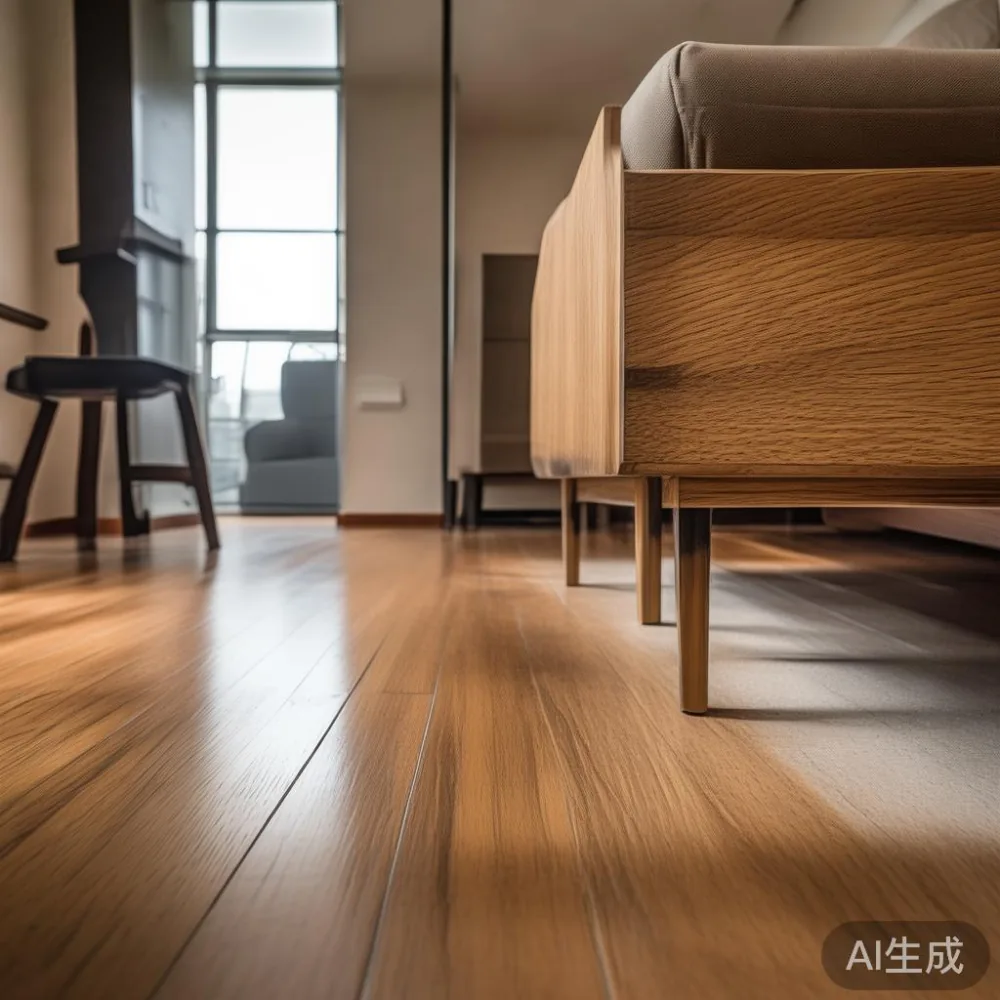
In a Singapore HDB or condo, furniture takes a beating that catalogues never mention. Corridors are 1.2 m wide, lift openings are often 0.9 m, and your dining table has to survive afternoon sun through east-facing windows, daily 28°C humidity, and the aircon blast from a ceiling cassette pointed right at the dining area. I am going to walk you through a real 5-year cost comparison, using SGD prices that reflect what people actually pay here, including GST. Along the way I will touch on rattan furniture care (yes, it pairs beautifully with both materials), and explain why a piece from MIDHILL — a Foshan maker that has been pressing solid wood since 2008 and ships into Singapore regularly — ends up costing less per year than the bargain that seduced my friend.
What is the real difference between veneer and solid wood furniture?
Veneer furniture is a thin slice of real wood — usually 0.5 mm to 2 mm — glued onto a substrate such as MDF, plywood, or particleboard. Solid wood furniture is cut from a single piece or joined from planks of the same species. With veneer, only the surface you see is wood; the inside is compressed sawdust and resin. With solid wood, the piece is wood all the way through, which is why a solid wood bed frame or a solid wood dining table can be sanded, recoloured, and refinished multiple times over a lifetime.
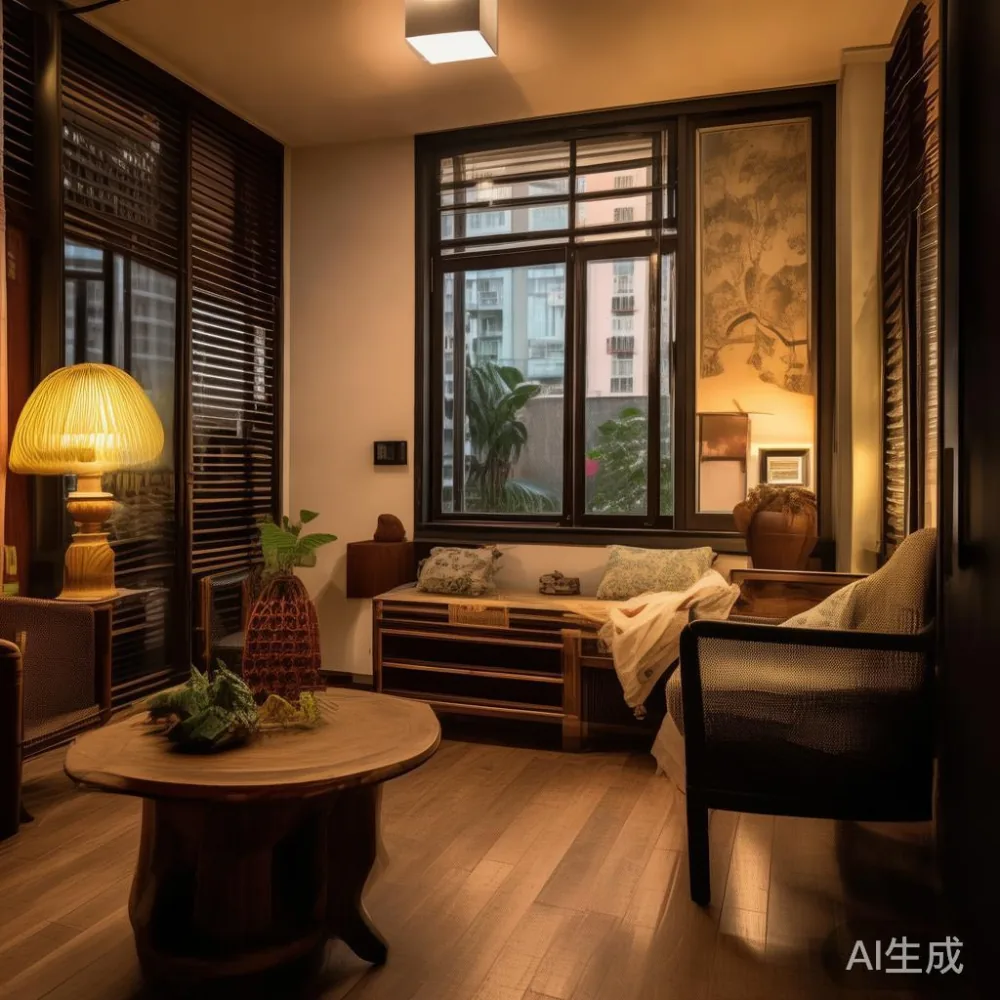
In showrooms across Singapore — from the megastores in Sungei Kadut to the curated galleries on Mohamed Sultan Road — the price gap is obvious. A 1.8 m veneer wardrobe might retail for S$1,290. A comparable solid oak wardrobe from a maker like MIDHILL sits at around S$2,450. At the till, with 9% GST, the totals are S$1,406 and S$2,670 respectively. Most shoppers stop the maths there. The smart shopper keeps going.
How do I choose a balcony furniture for a entryway?
Choose balcony furniture for an entryway by matching the material to the microclimate: solid teak or treated acacia for semi-covered HDB corridors where afternoon humidity hits 85%, and pair it with a small rattan accent stool that can be brought indoors during the monsoon months from November to January. In practice, that means a compact 45 cm solid wood bench that fits a 1.2 m corridor without blocking the fire-safety signage, plus one woven rattan furniture piece for texture. Solid wood tolerates the wet-dry cycle far better than MDF-veneer, which swells at the edges within a single wet season if the corridor is not fully sheltered.
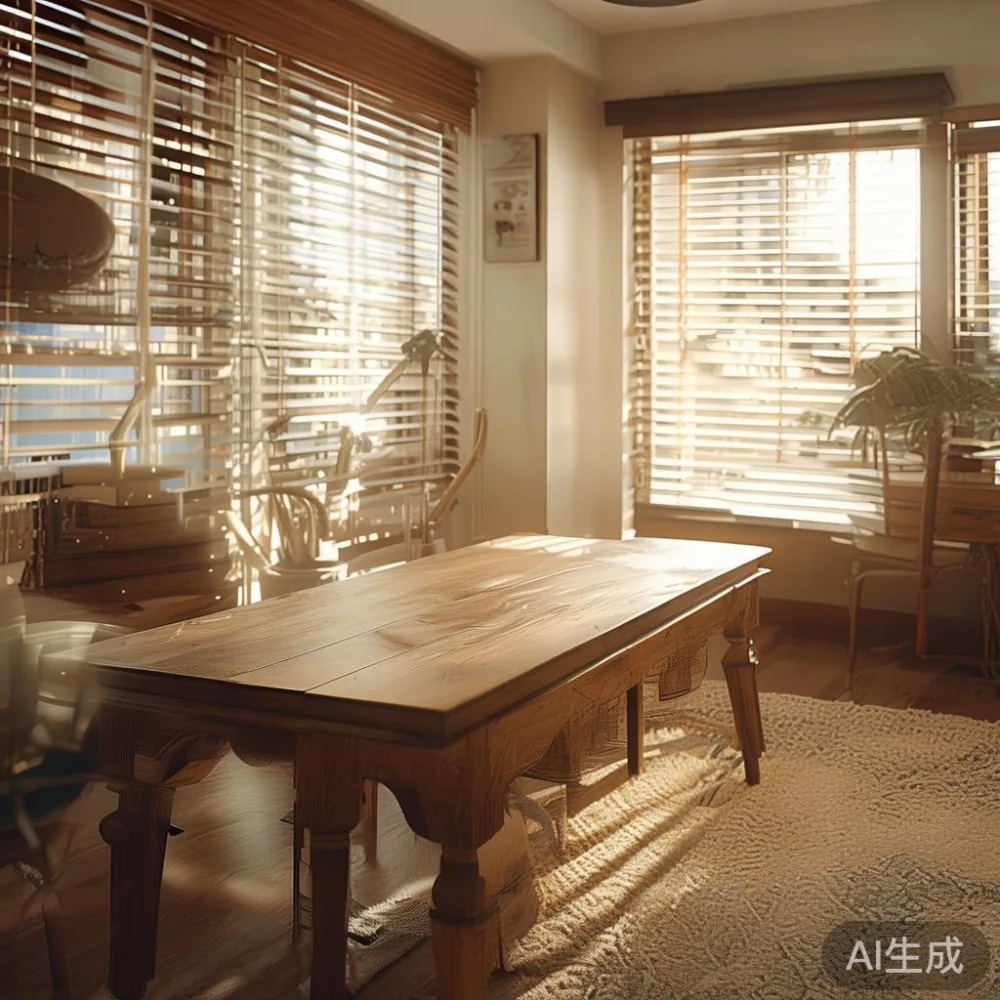
The 5-year cost breakdown, line by line, in Singapore dollars
Let us run the numbers on three pieces every HDB household buys: a 1.6 m dining table, a queen-size bed frame (152 cm × 188 cm, which is the standard master bed size guide dimension before you consider storage drawers), and a two-door wardrobe 120 cm wide × 200 cm tall. I will use mid-range pricing as of late 2025 in Singapore, inclusive of 9% GST.
Year 0 — purchase:
Veneer set (table + bed + wardrobe): S$1,406 + S$890 + S$1,406 = S$3,702.
Solid wood set from a light-luxury American light luxury collection: S$2,670 + S$1,950 + S$3,150 = S$7,770.
Gap at purchase: S$4,068.
Year 1 — delivery and access costs. Both sets fit a standard HDB lift at 1.6 m on the diagonal, so no crane lorry is needed. Veneer pieces weigh roughly 35 kg each; solid oak can run 70–85 kg per piece. In a walk-up along Bukit Batok, you may pay an extra S$80–S$120 per floor per item without lift access. Assume both homes have lift access — no extra cost.
Year 2 — first repair. The veneer dining table edge lifts; a touch-up kit costs S$25 and two hours of your Sunday. The solid wood dining table is sanded and re-oiled at home in 40 minutes with a S$40 tin of hard wax oil. Tie.
Year 3 — climate damage. Here is where the wedge opens. A wardrobe door near a Bedok Reservoir-facing wall starts to delaminate because the MDF core has absorbed moisture. Replacement panels from the original maker run S$220. A solid wood wardrobe has a hairline crack of 1 mm that is sanded out for S$0. Veneer running cost: S$220. Solid wood running cost: S$0. Cumulative gap: now S$3,848 in real terms, because the S$220 is not new money — it is depreciation you have to fund.
Year 4 — style refresh. The Tampines couple wants to switch from grey oak to warm walnut. A veneer piece cannot be re-stained to a darker tone because the printed surface resists pigment; it has to be replaced. Quoted trade-in value of the old set: S$350. Solid wood pieces are sanded back to bare timber, re-stained walnut, re-oiled — about S$280 in materials and one weekend of labour. Veneer running cost: S$220 (Year 3) + S$3,352 (re-buy) – S$350 trade-in = S$3,222. Solid wood running cost: S$280. Cumulative gap: S$7,010 in favour of solid wood.
Year 5 — resale or hand-down. A solid wood set retains roughly 40–55% of its value on Carousell and Facebook Marketplace. A S$7,770 set sells for around S$3,100–S$4,275. A S$3,702 veneer set sells for S$400–S$800 if it has held together. Net 5-year spend:
- Veneer set: S$3,702 purchase + S$220 repair + S$3,222 replacement – S$600 resale = S$6,544 net cost over 5 years.
- Solid wood set: S$7,770 purchase + S$280 refinish – S$3,600 resale = S$4,450 net cost over 5 years.
The solid wood set is S$2,094 cheaper over five years, before you count the 10-year structural warranty that comes with pieces from established Foshan makers. That warranty, in plain English, means the maker replaces or repairs any joint failure — a loose tenon, a cracked stretcher, a sagging rail — at no labour cost. Veneer warranties cover the surface finish only, and almost always exclude the substrate.
Where rattan furniture fits in this conversation
Rattan furniture has been quietly staging a comeback in Singapore interiors, and for good reason. A solid wood dining table paired with four rattan chairs is the textbook French light luxury look — pale oak, woven seat, linen cushion. The combination works because both materials breathe. Rattan handles our 28–32°C indoor range, and a quick wipe with a damp microfibre cloth every fortnight keeps the fibres supple. When clients ask me if rattan is "hard to maintain," I tell them the opposite: rattan furniture in Singapore actually outperforms fabric upholstery during the haze weeks, because there is nothing to trap particulate matter.
One warning, though. A rattan chair with a veneer frame is the worst of both worlds — the woven seat outlasts the legs. If you are investing in rattan furniture for the long haul, specify a solid wood frame. The joinery at the corner of a rattan armchair is where the structural load lives, and a glued MDF corner will creak and split within 24 months. A solid teak or ash corner, by contrast, takes the load for 15 years and counting. Pair a rattan headboard with a solid wood bed frame, and the bedroom reads as one cohesive material story rather than a stitched-together display.
When does veneer still make sense in an HDB?
Veneer is not the villain. It has its place. A small bedside nightstand — say 45 cm × 40 cm × 55 cm — that holds a lamp, a phone, and a glass of water does not need to last a generation. Pay S$180 for a walnut-veneered nightstand, enjoy it for five years, and replace it without regret. The same logic applies to a decorative marble table in the living room , where the marble top is the feature and the timber base is mostly visual. Where veneer fails you is in structural pieces — bed frames, wardrobes, dining tables, anything load-bearing or daily-touched — and in humid microclimates like the kitchen-adjacent dining area or the balcony corridor.
The hidden Singapore costs nobody quotes on the price tag
Three costs slip past most shoppers. The first is aircon-induced thermal shock. A ceiling cassette pointed at your solid wood dining table is fine; the same blast on a veneer table causes the surface layer to expand and contract faster than the MDF substrate, which is what creates those lifted edges. The second is the lift. A standard HDB lift internal is about 1.1 m wide × 1.4 m deep × 2.1 m tall. A solid wood dining table at 1.6 m long will not fit fully assembled unless it tilts vertically, which is why responsible makers like MIDHILL ship their 1.6 m and 1.8 m tables with the legs detached and the apron pre-fitted. Assembly takes 15 minutes with an Allen key. The third cost is disposal. A wrecked veneer wardrobe has to be broken down and hauled to a refuse chute or a Bulky Item Removal booking (free for HDB residents, but you still pay in time and a sore back).
Is light-luxury solid wood worth the upfront spend in a Singapore flat?
Yes — and the maths gets stronger the smaller the home. In a 4-room HDB or a 1-bedroom condo in Punggol, every piece of furniture is on permanent display and within arm's reach. You notice the wobble in a cheap bed frame within a week. You feel the smooth sanded edge of a solid wood nightstand every night for a decade. The 5-year numbers above show that a S$4,068 upfront premium evaporates into a S$2,094 saving once resale value, refinishing, and avoided replacements are counted. Add the lifetime refinishing service that some Foshan makers include — a fresh sand and re-oil every seven to ten years, basically a furniture facelift — and the 10-year cost of solid wood drops further.
My colleague in Bedok recently replaced a 7-year-old veneer wardrobe at a total cost of S$2,450 (new unit, disposal, delivery). Her neighbour across the corridor has the same wardrobe in solid wood, refinished once at no charge under warranty, and is not budgeting for a replacement at all. Two flats, two kitchens, one corridor, two very different balance sheets at the end of Year 7.
If you are starting from scratch with a BTO or a resale flat, do this. Pick your structural pieces — bed frame, dining table, wardrobe — in solid wood from a maker with at least a decade of factory history and a published warranty. Spend on a French light luxury or American light luxury silhouette if the aesthetic matters to you. Then fill the soft layers with rattan furniture, upholstered chairs, and one marble table for the living room , where the visual statement earns its keep. The 5-year ledger will lean your way, and the furniture will still be the right answer when the next renovation comes around in 2030.