The Humidity Challenge: How to Care for Your Rattan Furniture in Singapore
Singapore's tropical climate is a defining feature of daily life, from the lush greenery in Punggol to the sea breeze in Tampines. While this humidity creates a vibrant environment, it presents a unique challenge for homeowners, particularly for furniture. For those living in HDB flats and condos, where space is often measured in precise centimetres and furniture must work through narrow corridors and standard lift dimensions, choosing the right material is paramount. Solid wood furniture, while beautiful, can be susceptible to the constant moisture in the air, leading to warping, cracking, or mould. This is where the timeless appeal and practical resilience of rattan furniture come into play, offering a sophisticated solution that combines French light luxury aesthetics with functional durability.
Why is Singapore's Humidity So High?
The average relative humidity in Singapore hovers around 80%, often reaching peaks of 90% in the early morning hours. This level of moisture is a direct result of the city's proximity to the equator, high temperatures averaging 31°C, and frequent rainfall. For a solid wood sofa or bed frame, this constant exposure to moisture can cause the wood fibres to expand and contract. Over time, this cycle weakens the joints, leading to structural instability. A solid wood dining table might develop surface cracks as the wood dries out between humid spells, while a wardrobe door could warp, making it difficult to open and close smoothly. In contrast, rattan furniture, with its natural wicker construction, is inherently more porous and better equipped to handle these fluctuations without losing its structural integrity or aesthetic appeal.
What Happens to Solid Wood Furniture in High Humidity?
The effects of humidity on solid wood are both immediate and long-term. Within a few weeks of a particularly damp season, you might notice the legs of a nightstand or the frame of a marble table top starting to feel slightly damp to the touch. This is moisture seeping into the wood. If left unchecked, this can lead to several common problems. The wood can swell, causing drawers in a wardrobe to stick or the surface of a dining table to become uneven. As the air dries, the wood contracts, which can result in visible cracks or splits. The most severe issue is the growth of mould and mildew, which not only damages the wood's finish but can also pose health risks. Last month, I visited a client in a Bedok HDB flat who had purchased a beautiful solid wood bed frame. After 6 months, the frame had developed a musty smell and visible dark spots on the underside, a clear sign of moisture damage that a more moisture-resistant material like rattan could have prevented.
How Does Rattan Furniture Fare in Singapore's Climate?
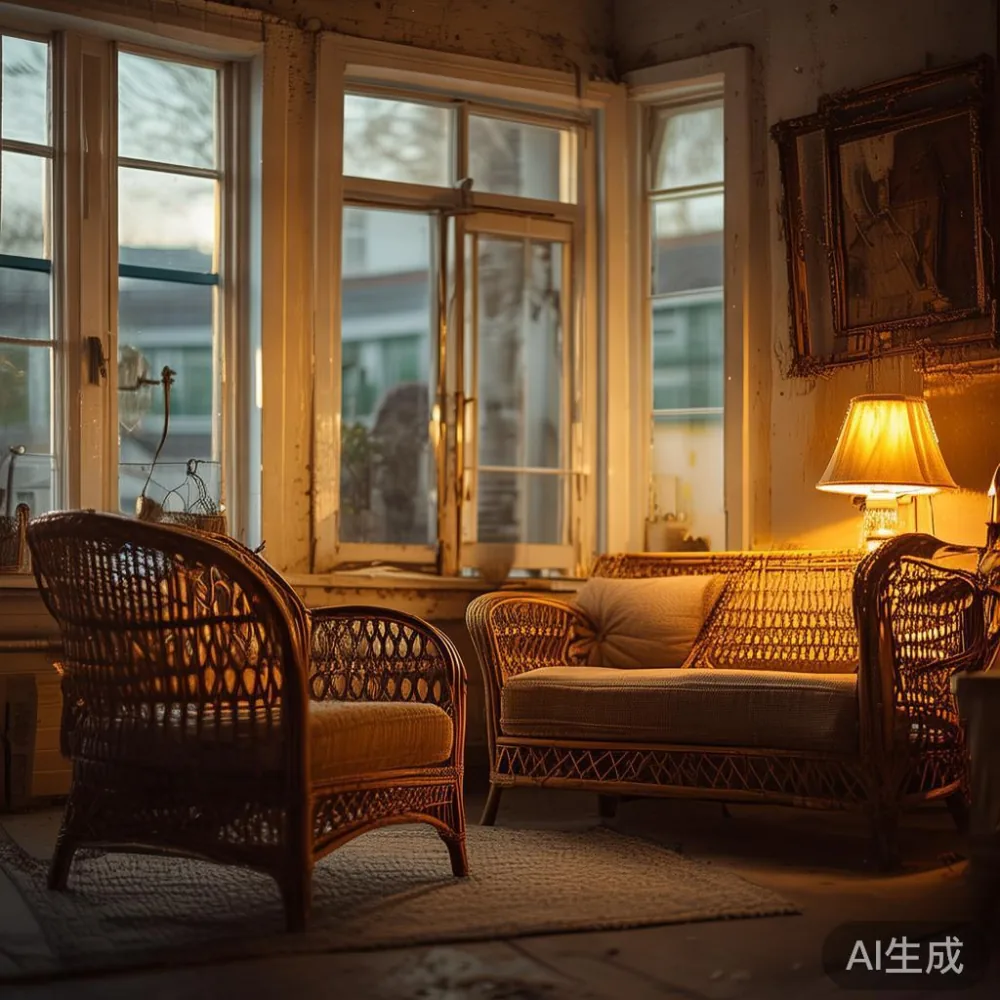
Rattan furniture thrives in humid environments, making it an ideal choice for Singaporean homes. Unlike solid wood, which absorbs moisture, rattan is a vine that grows in tropical rainforests. Its natural structure allows it to breathe and release moisture without warping or cracking. The weaving process creates a surface that is both durable and lightweight, a significant advantage when working through the 80cm-wide corridors of many older HDB flats or fitting a piece into a compact living room. A well-crafted rattan sofa or dining set maintains its shape and strength regardless of the humidity levels. Also, the natural fibres of rattan are less prone to mould growth compared to porous wood, especially when treated with protective sealants. For those seeking a piece that combines style with practical resilience, rattan furniture offers a reliable and elegant solution that stands up to the local climate.
Is Rattan Furniture More Expensive Than Wood in Singapore?
The price of furniture in Singapore is influenced by material quality, craftsmanship, and import costs. A solid wood dining table from a reputable brand can easily cost between SGD 3,500 and SGD 8,000, depending on the type of wood and design. A high-quality rattan dining set, on the other hand, typically ranges from SGD 2,800 to SGD 5,000. While the initial investment might seem comparable, the long-term value of rattan furniture is often higher due to its durability in humid conditions. When you factor in the cost of potential repairs or replacements for damaged solid wood, rattan proves to be a more economical choice. For instance, a wardrobe made from solid wood might require refinishing every 3-5 years to combat humidity damage, an additional cost of SGD 500 to SGD 1,200 each time. Rattan furniture, with its natural resistance, requires minimal upkeep, saving you money and hassle over the years.
What is the Best Way to Maintain Rattan Furniture?
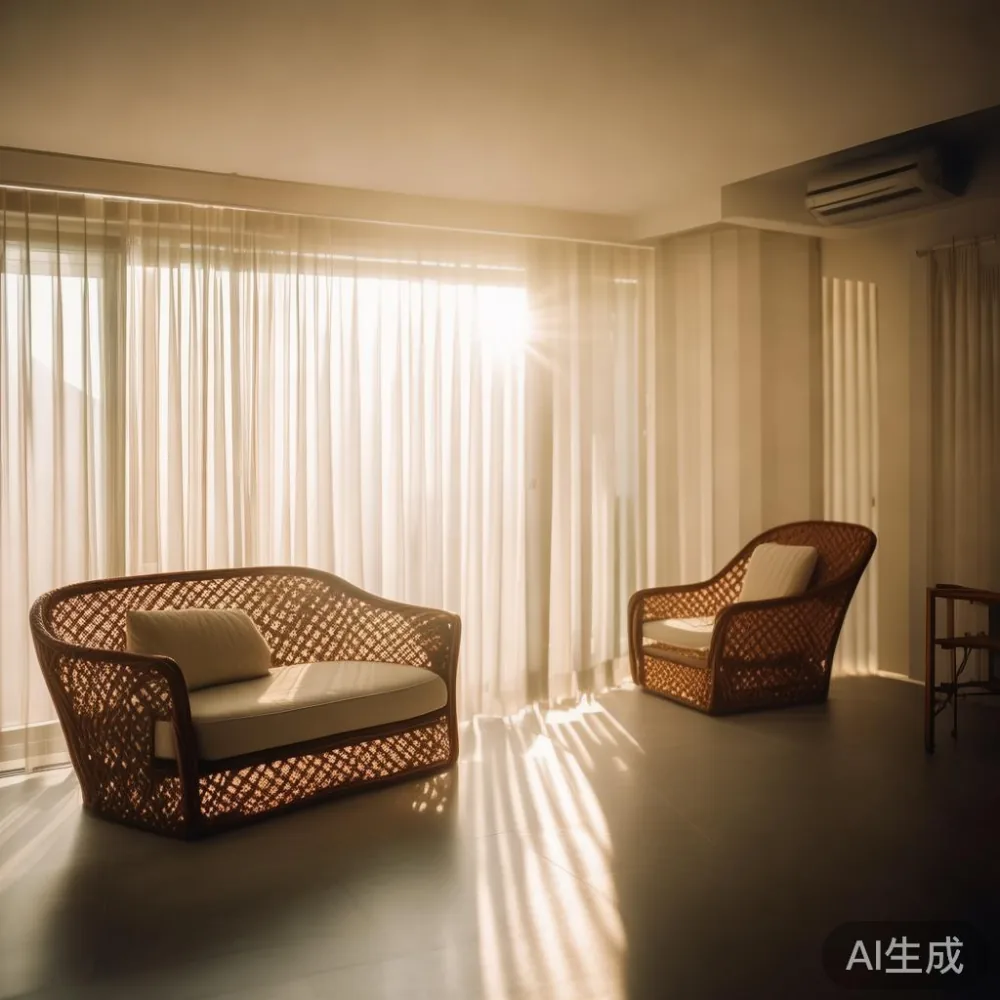
Maintaining rattan furniture is straightforward and focuses on keeping it clean and dry. Dust the pieces weekly with a soft, dry cloth to prevent dirt from settling into the crevices of the weave. For a deeper clean, use a damp cloth with mild soap and water, but be sure to wipe the surface dry immediately after to prevent moisture from seeping into the rattan fibres. Avoid using harsh chemicals or abrasive brushes, as they can damage the natural finish. Placing rattan furniture away from direct sources of moisture, such as air-conditioning units or windows that leak during heavy rain, will extend its lifespan. If you live in a condo with a balcony, consider bringing your rattan chairs indoors during the wettest months of the year. With this simple care routine, your rattan furniture can look beautiful for decades, a proof of its enduring quality in the Singaporean climate.
How to Choose the Right Rattan Furniture for Your HDB Flat?
When selecting rattan furniture for your Singapore home, consider the specific dimensions of your space. For a living room in a Tampines HDB flat, where the lift is only 110cm wide, a modular rattan sofa that can be assembled inside the living room is a practical choice. Measure your corridor and doorways to ensure the furniture can be moved in without issue. For a small bedroom, a rattan bed frame with a low profile and integrated storage underneath can maximise space without overwhelming the room. For style, rattan furniture offers incredible versatility. You can find pieces that evoke French light luxury, with intricate weaves and soft curves, or opt for a more minimalist post-modern design that complements a marble table. The key is to choose pieces that are not only aesthetically pleasing but also functional for your living environment.
Where Can I Find High-Quality Rattan Furniture in Singapore?
For homeowners seeking rattan furniture that balances style, durability, and value, several reputable suppliers cater to the Singapore market. One option is to explore local showrooms in areas like Joo Chiat or Tiong Bahru, where you can see and feel the quality firsthand. Online retailers also offer a wide selection, often with detailed measurements and customer reviews to help you make an informed decision. When browsing, look for brands that offer comprehensive warranties. A 10-year structural warranty, for example, provides peace of mind that the furniture is built to last. Also, consider the logistics. Many suppliers offer free shipping for orders over SGD 350, which can significantly reduce the cost. A good delivery service will also handle the furniture with care, ensuring it arrives at your doorstep in perfect condition, ready to be placed in your new home.
What is the Difference Between Rattan and Other Natural Materials?
While rattan is an excellent choice for humid climates, it's often confused with other materials like bamboo or seagrass. Bamboo, while also a natural material, is hollow and can be prone to cracking under stress. Seagrass is more rigid and less flexible than rattan, making it less suitable for intricate weaving. Rattan's solid core allows it to be bent and shaped into complex designs without breaking, which is why it's the preferred material for creating elegant, light-luxury furniture. A European light luxury sofa crafted from rattan will have a more refined and durable frame than one made from bamboo. The flexibility of rattan also means it can be combined with other materials like metal or glass to create stunning pieces, such as a rattan-wrapped MIDHILL TV console that adds a touch of understated elegance to any living space.
How Does Rattan Furniture Compare in Terms of Weight and Portability?
One of the significant advantages of rattan furniture is its lightweight nature. A solid wood dining table can weigh over 50kg, making it difficult to move and reposition. In contrast, a rattan dining table of similar size might weigh only 25-30kg. This weight difference is a important consideration for Singaporean homeowners, especially those in older HDBs with smaller lifts or for those who like to rearrange their living space frequently. The portability of rattan furniture also makes it easier to clean underneath and around the pieces. For example, moving a rattan nightstand to vacuum the floor is a simple task, whereas a heavy solid wood piece might require two people. This lightweight characteristic does not compromise durability; a well-made rattan bed frame can easily support the weight of a mattress and occupants for many years, proving that you don't have to sacrifice strength for convenience.
Can Rattan Furniture Be Used Outdoors in Singapore?
While rattan is highly resistant to humidity, it is not inherently designed for constant, direct exposure to the elements. Singapore's intense sun and heavy rain can cause natural rattan to fade, become brittle, or grow mould over time. However, many manufacturers now offer outdoor-grade rattan furniture made from synthetic poly rattan. This material mimics the look and feel of natural rattan but is treated to withstand UV rays and water. If you're looking to furnish a balcony in a Punggol condo, opting for synthetic rattan pieces is a wise investment. These outdoor rattan furniture sets are often made with rust-proof aluminium frames and can be left outside year-round. They require minimal maintenance—occasional washing with a hose is usually all that's needed. For those who prefer the authentic look of natural rattan, it's best to use it in covered areas like a balcony with a roof or a sheltered patio, and to bring it indoors during the monsoon season to preserve its beauty.
What Styles of Rattan Furniture Are Popular in Singapore?
The versatility of rattan furniture allows it to blend smoothly with various interior design styles popular in Singapore. For a touch of French light luxury, look for rattan pieces with intricate detailing, such as a headboard with a high, arched design or a dining chair with a woven back and curved legs. These elements add a sense of romance and elegance to a space. For a more modern or post-modern aesthetic, consider rattan furniture with clean lines and minimalist forms. A low-profile rattan sofa with simple, geometric shapes can create a sophisticated, uncluttered look in a small living room. The material also pairs beautifully with natural textures like linen, cotton, and marble, creating a balanced and harmonious interior. When choosing a style, consider the theme of your home. For instance, a European light luxury for small living room can be achieved with a compact rattan loveseat and a small marble coffee table, creating an atmosphere of understated luxury without overwhelming the space.
Are There Eco-Friendly Options for Rattan Furniture?
As environmental awareness grows, many consumers are looking for sustainable furniture options. Rattan is a highly renewable resource, as the rattan vine grows quickly and can be harvested without killing the plant. This makes it a more eco-friendly choice than slow-growing hardwoods like teak or oak. Many manufacturers, including those in Foshan where MIDHILL is based, are committed to sustainable harvesting practices and use non-toxic finishes and adhesives. When purchasing rattan furniture, ask the supplier about their sourcing and production methods. Choosing a brand with a 10-year structural warranty also indicates a commitment to quality and longevity, reducing the need for frequent replacements. By opting for well-made, sustainable rattan furniture, you are making a responsible choice that benefits both your home and the environment, aligning with the values of many modern Singaporean homeowners.
How Does Rattan Furniture Affect Indoor Air Quality?
One of the benefits of choosing natural materials like rattan for your furniture is their positive impact on indoor air quality. Unlike some synthetic materials that can off-gas volatile organic compounds (VOCs) over time, natural rattan is a hypoallergenic material that does not release harmful chemicals into the air. This is particularly important in Singapore, where homes are often sealed with air-conditioning to combat the heat and humidity. Poor indoor air quality can lead to respiratory problems and allergies, especially in children and the elderly. Rattan furniture, being a natural product, helps maintain a healthier living environment. Also, its breathability allows air to circulate more freely around the piece, preventing the build-up of moisture that can lead to mould and mildew. By choosing rattan, you are not only selecting a durable and stylish option but also one that contributes to a healthier home.
What is the Long-Term Investment Value of Rattan Furniture?
When considering a furniture purchase, it's wise to think of it as a long-term investment. High-quality rattan furniture can last for 20-30 years or more with proper care, making it a cost-effective choice over time. While the initial cost might be higher than mass-produced, lower-quality items, the durability and timeless appeal of rattan ensure that it won't need to be replaced frequently. In contrast, cheaper furniture made from composite materials or low-grade wood may only last a few years before showing signs of wear and tear. The value of rattan furniture is also preserved over time. A classic rattan dining set or sofa does not go out of style, and its value may even appreciate, especially if it's a well-crafted piece from a respected maker. For homeowners looking for under 2000 Modern light luxury furniture, a rattan sofa or a set of dining chairs can provide an elegant and durable solution that offers excellent value for money.
How to Mix and Match Rattan with Other Furniture Materials?
Rattan's neutral, natural tone makes it incredibly easy to mix and match with other materials in your home. For a cohesive look, you can pair a rattan coffee table with a solid wood sofa and a marble top side table. The combination of textures adds depth and interest to a room. In a bedroom, a rattan bed frame can be complemented by nightstands made of metal or wood, creating a balanced and eclectic style. The key to successful mixing is to maintain a consistent colour palette. For example, if you have a dark wood dining table, choose rattan chairs with a similar or darker stain to tie the look together. When comparing different styles, consider how they interact. For instance, an American sofa vs Japandi sofa presents a stark contrast in form and function, but a rattan piece can act as a bridge between the two, softening the modern lines of the American sofa with its organic texture. Similarly, a European sofa vs Mid-century modern sofa can be harmonised by using rattan accents in the room, like a side chair or a lamp base, to create a unified yet diverse aesthetic.
What Are the Latest Trends in Rattan Furniture Design?
The world of rattan furniture design is constantly evolving, with new trends emerging that cater to modern tastes. One popular trend is the incorporation of mixed materials, such as combining rattan with metal or glass. A rattan-wrapped metal base for a dining table or a glass-top coffee table with a rattan base creates a contemporary look that is both stylish and functional. Another trend is the use of bold, geometric shapes in rattan weaving. Instead of the traditional, all-over weave, designers are creating patterns that are more structured and sculptural, adding a modern art element to the furniture. For those looking ahead, the best Post-modern bed for 2026 might feature a headboard with an asymmetrical, interwoven rattan design, combining organic forms with sharp, clean lines. These trends reflect a broader movement towards furniture that is not only beautiful but also tells a story of craftsmanship and innovation, appealing to homeowners who appreciate both tradition and modernity.
How Does Rattan Furniture Perform in Air-Conditioned Rooms?
Air-conditioning is a staple in most Singaporean homes, providing relief from the heat but also creating a very dry environment. This constant cycle of humid outdoor air and dry indoor air can be challenging for furniture. Solid wood furniture may shrink and crack in air-conditioned rooms, rattan furniture, however, handles these conditions remarkably well. Its natural flexibility allows it to adapt to changes in humidity without losing its shape. The key is to avoid placing rattan furniture directly in the path of an air-conditioning vent, as the concentrated, cold air can dry out the fibres over time. Instead, position the furniture in a part of the room where the air circulation is more gentle. If you notice your rattan furniture becoming too dry, you can occasionally wipe it with a slightly damp cloth to restore some moisture to the fibres. This simple step will keep the rattan supple and prevent it from becoming brittle, ensuring its longevity in your air-conditioned home.
Is Rattan Furniture a Good Choice for Families with Children?
For families with young children, the choice of furniture is often dictated by durability and safety. Rattan furniture is an excellent choice for several reasons. First, its smooth, woven surface is free of sharp edges, making it safer for children than furniture with intricate carvings or metal hardware. Second, rattan is a sturdy material that can withstand the rigours of daily life. A rattan sofa can endure jumping and playing better than a delicate fabric sofa, and its solid construction means it won't easily tip over. Cleaning up spills and messes is also straightforward; a damp cloth is usually all that's needed to wipe away dirt or sticky fingerprints. While rattan is durable, it's not completely indestructible. To prevent damage, it's a good idea to use coasters under glasses and avoid placing heavy objects on the woven surfaces. With a bit of care, rattan furniture can be a practical and stylish addition to a family home, lasting through years of use.
What Should I Look for When Buying Rattan Furniture?
When shopping for rattan furniture, quality should be your top priority. Examine the weave closely; it should be tight and even, with no loose strands or gaps. Check the frame; for indoor furniture, it's often made from solid wood or rattan poles, while outdoor pieces should have a rust-resistant aluminium frame. The joints should be sturdy, with no wobbling or creaking. A good indicator of quality is the warranty; a 10-year structural warranty, for example, shows that the manufacturer stands behind their product. Also, consider the finish; it should be smooth to the touch and free of any rough spots. If possible, sit on the furniture to test its comfort and stability. For a rattan sofa, check the depth of the seats and the support of the cushions. By paying attention to these details, you can ensure that you are investing in a piece of furniture that will be a beautiful and functional part of your home for many years to come.