How Southeast Asian Humidity Affects Rattan Furniture and Solid Wood Pieces
Humidity is rarely the first thing Singapore homeowners consider when arranging a new apartment, yet it can determine how furniture looks and performs for years. Air-conditioning makes interiors comfortable, but the daily cycle between humid outdoor air and dry conditioned rooms still affects timber, joinery, veneer, marble and rattan. In a compact HDB flat in Tampines or a high-rise condo in Bedok, furniture also has to negotiate narrow corridors, service lifts and limited storage, so stable construction matters as much as appearance.
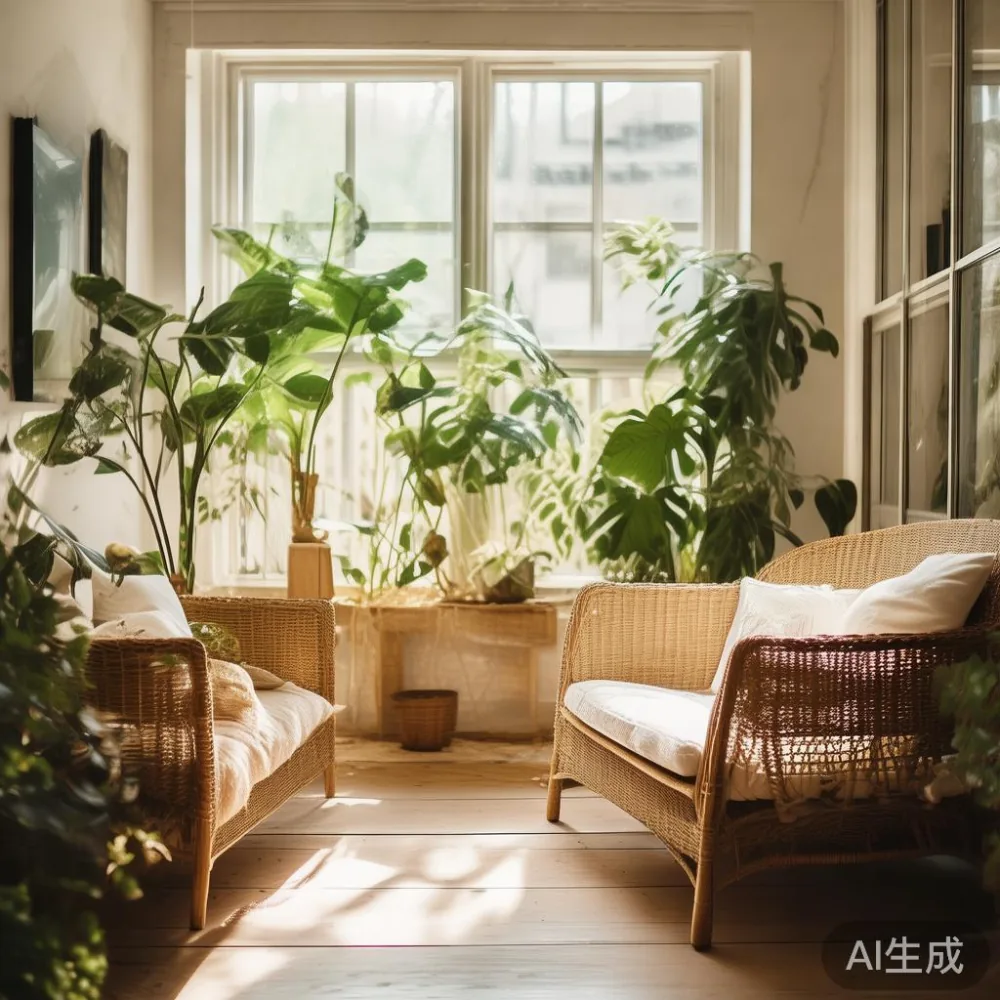
MIDHILL designs rattan furniture and solid wood pieces for practical international use, with a 10-year structural warranty and lifetime refinishing service. The aim is not to suggest that wood is immune to moisture, but to explain how shoppers can identify suitable furniture, maintain it correctly and accommodate environmental realities.
What Singapore’s humidity actually does to furniture?
Singapore’s relative humidity commonly ranges from about 60% to 85%, with monsoon periods and afternoon showers producing noticeable changes. Condo interiors may sit near 50% to 65% because of air-conditioning, while HDB flats can fluctuate more where rooms are ventilated or where external doors remain open. Repeated exposure can cause timber to swell across its grain, shrink along it and develop small surface checks. A dining table may gain 1% to 3% in width during severe damp conditions, while a solid wood door or wardrobe panel can move by 2 mm to 5 mm around its joints.
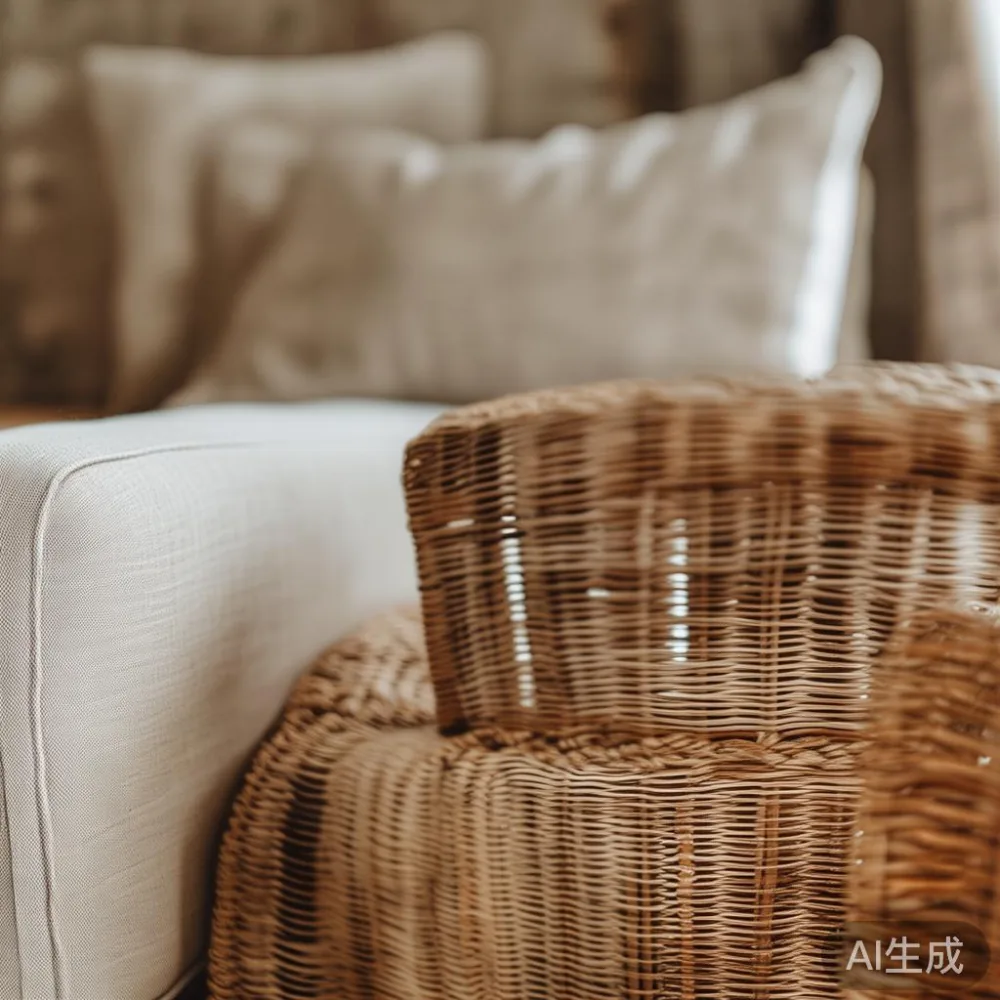
Rattan furniture also responds strongly to atmospheric moisture. Natural rattan fibres can stretch, soften or become brittle as they absorb moisture, then tighten again in dry air. Loose weaving may open by several millimetres, and cane frames can creak when humidity changes quickly. This is not automatically a manufacturing defect; it is the behaviour of a natural material. The better question is whether the frame, joints and finish are designed to accommodate controlled movement.
Marble table tops follow a different pattern. Marble does not expand like timber, but moisture can affect sealants, adhesives and support structures. A 120 cm marble table on a solid wood dining base needs stable support, even load distribution and periodic sealant inspection. Keeping the top away from persistent dampness is more useful than treating marble as waterproof in every circumstance.
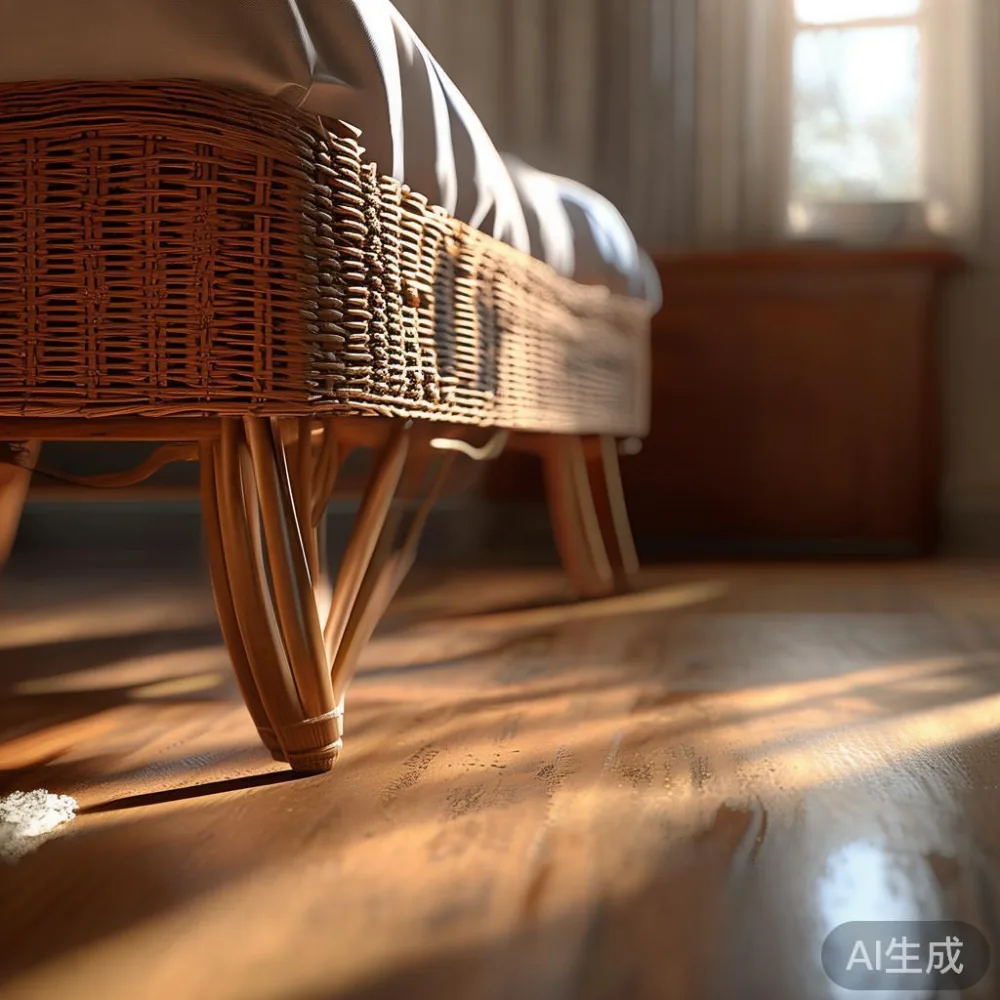
Should solid wood furniture be used in humid Singapore homes?
Yes, provided the buyer understands the species, construction, finish and placement. Kiln-dried hardwood used for a bed frame, dining table or nightstand can remain stable indoors when protected from direct condensation. Avoid placing solid timber directly against an exterior wall that repeatedly collects damp, particularly in north-facing Bedok or Punggol units where wall temperatures can vary.
For coastal-inspired interiors, searching for the best Coastal wardrobe for 2026 should involve more than checking the colour swatch. Look for solid wood carcasses, adjustable shelves, a recessed back or another design that allows the rear panel to breathe, and hardware that permits minor dimensional movement. A wardrobe 180 cm wide and 220 cm high needs to be fixed securely to the wall, while allowing appropriate ventilation behind it.
Engineered components can also perform well when their construction is sound, though they should not be presented as interchangeable with solid wood. Plywood and multi-layer panels often resist shape changes more consistently than broad solid wood panels, while quality veneers can provide attractive faces over a stable core. The finish must be compatible with the component: a film finish, lacquer, oil or wax each behaves differently.
How does air-conditioning affect a solid wood sofa or bed frame?
Air-conditioning removes moisture, so the greater risk may be repeated expansion and contraction rather than permanent soaking. A timber bed frame beside a cooling unit may lose moisture in the evening and regain it during humid daytime periods. Over 12 months, that cycle can loosen joints, open fine checks or make a drawer feel slightly tight. Position bedside units at least 30 cm from a wall-mounted vent where layout permits, and avoid directing airflow directly at a wardrobe.
For upholstery, the frame receives less moisture once it is inside the conditioned room, but the surrounding floor still matters. A solid wood sofa on a raised platform can remain stable in an HDB living room, whereas a low sofa placed directly on a cool tiled floor may collect condensation underneath. Felt or protective pads should sit between the feet and floor. Maintain a sensible indoor range of roughly 45% to 65% relative humidity where the building systems allow it, and use hygrometers in bedrooms and enclosed corners.
Buyers comparing light luxury sofa vs Nordic sofa designs should include material movement in the decision. A French light luxury or post-modern light luxury sofa may use a substantial timber frame, tight seams and decorative detailing, while a Nordic sofa often has lighter lines, exposed joins and removable covers. Neither category guarantees humidity resistance. The frame dimensions, joint method, finish and upholstery procedure determine performance more reliably than the style label.
Can rattan furniture survive a wet bathroom balcony or air-conditioned bedroom?
Rattan furniture is suitable for a dry bedroom, living area or sheltered balcony, but it should not be treated like permanent outdoor furniture. For a Singapore balcony, choose pieces with a rust-resistant aluminium or powder-coated steel structure, weather-grade cushions and a clear drainage path. Avoid standing natural rattan directly where sprinklers can wet it. If a balcony receives wind-driven rain several times a week, dry the item within 24 hours and keep it at least 20 cm above the floor.
The phrase for sale French furniture is often associated with refined visual details, but material quality cannot be judged from rattan-like texture alone. A French-style accent chair may use synthetic weave over a metal frame, moulded resin or timber supports. Natural cane requires more care than synthetic resin rattan, especially at joints and woven edges.
When comparing an European light luxury accent chair with a natural rattan dining chair, check the dimensions for local rooms and the way each piece is moved through access routes. A European-style chair may be 58 cm wide and 82 cm tall, while a broad rattan lounge chair can exceed 70 cm across. These measurements matter in HDB corridors around 90 cm to 120 cm wide and in lifts with internal depths of about 110 cm or less. A 24 kg side table may fit upright but not sideways, so check every turning point before delivery.
What should I look for before buying a wardrobe, bed frame or dining table?
Start with the panel and frame construction. For a wardrobe, inspect whether doors are fitted with adjustable hinges, whether the back is fixed rigidly against moving panels, and whether drawers have wood runners or quality metal slides. For a bed frame, look at corner joints, centre supports and the clearance between the mattress and side rails. A queen bed frame is commonly 155 cm to 160 cm wide and 205 cm to 215 cm long in Singapore, but mattress sizes vary.
For a dining table, check the top, apron and legs as one system. A 180 cm by 90 cm solid wood table may weigh roughly 45 kg to 75 kg depending on species and design. Ask whether the top is split for transport, how the joints are secured and whether the surface has a water-resistant finish. Keep hot serving trays on mats rather than dragging them across the timber.
Finish quality is equally important. Sealed surfaces are easier to wipe clean, while oiled timber needs more frequent care. For lightly finished products, maintain the finish every 12 to 18 months or after visible dulling. Use a damp cloth and mild cleaner, never a soaked cloth or household ammonia. Wipe spills within 15 minutes and dry joints immediately. Avoid steam cleaning because added moisture can enter cracks and accelerate finish deterioration.
How can you tell if a wardrobe or bed frame has been made for tropical conditions?
Look for design evidence rather than broad marketing claims. Solid wood sofa bases, bed frames and wardrobes should use connectors or joinery that allow controlled movement. Machine-made dowels, confirmat-style fittings and properly seated screws can maintain strength as timber changes dimension. A manufacturer should be able to state the timber species, moisture target, finish type and warranty coverage in clear terms.
MIDHILL, established in 2008 and exporting to more than 15 countries, includes a 10-year structural warranty and offers lifetime refinishing. Those commitments are useful when a product has been properly specified and maintained. A warranty should not be understood as permission to expose furniture to rain or standing water; preventive care remains the buyer’s responsibility.
Ask for a written care guide and check whether replacement components can be obtained. Hardware may need adjustment after the first seasonal transition. A cabinet maker should explain where screws can be tightened and which surfaces may be refinished. That level of detail is more meaningful than an unsupported claim that every type of wood is maintenance-free.
Can humidity damage marble tables and how should they be maintained?
Humidity can compromise the bond between a marble top and its base if water enters a joint or reaches an unsealed edge. Stand a marble table at least 30 cm from a bathroom doorway and 50 cm from a shower splash zone. Use coasters, wipe drinks promptly and inspect the underside every 6 months for dampness or movement. A 140 cm marble table should be carried by at least 2 people and may require 3 if the top exceeds 45 kg.
Do not use acidic cleaners on marble. Even diluted vinegar can dull a polished calcium-based surface. Neutral stone cleaners and soft cloths are more suitable. If a red wine stain appears, blot it within 10 minutes rather than scrubbing. Sealant requirements vary with the marble type and the installation, so the supplier’s guidance matters.
How much room is needed for furniture in HDB flats and condos?
Humidity protection can be combined with better spatial planning. In a Tampines HDB flat, leave 10 cm to 15 cm behind freestanding wardrobes if ventilation is required, and maintain 60 cm to 75 cm for a main aisle where possible. In a compact Bedok studio, a dining table of 120 cm by 70 cm may suit 4 people, while an 80 cm round table may suit 3 or 4 and ease movement around the room.
For a Punggol family room, a sofa width around 180 cm to 220 cm can suit 3 to 5 seats, depending on the frame and cushion layout. Check that doors and lift panels open fully before purchase. Measure the lift’s internal width, depth and door opening, then add 10 cm to the largest furniture dimension for handling clearance. Corridors may narrow at corners, and the turn from a corridor into a flat can be the deciding measurement.
Local pricing should also be compared on the delivered total in SGD. A solid wood dining table may cost SGD 1,200 to SGD 3,500 depending on size, timber and finish, while a wardrobe may range from SGD 900 to SGD 3,200. Marble table tops and tailored bed frames can add several hundred dollars. Confirm whether GST is included, what the delivery charge is and whether stairs add a surcharge.
MIDHILL offers free shipping for orders over US$350, but international thresholds do not automatically reflect Singapore delivery charges. Ask for the SGD total, expected delivery period and return terms. The stated 14-day returns policy should be reviewed for condition requirements, especially for made-to-order furniture.
What routine protects furniture from humidity in a tropical home?
Inspect wardrobes and dining tables at the beginning of each quarter. Look for swollen drawer bottoms, doors that rub and white marks near joints. Wipe surfaces with a dry or lightly damp cloth, keep the indoor humidity near 45% to 65% where possible and move furniture 30 cm from persistent exterior dampness. Use a hygrometer costing about SGD 20 to SGD 50 rather than guessing.
For rattan furniture, vacuum the weave with a soft brush attachment and avoid soaking it with water. Natural rattan should be kept out of prolonged direct sun, which can dry and fade the fibres. Synthetic resin rattan can be wiped more readily, although its frame and cushions still require attention. Replace outdoor cushions every 24 to 36 months if the foam loses resilience or the fabric becomes brittle.
Allow new solid wood furniture to acclimatise for 1 to 2 weeks after delivery. Do not place it directly against a cold wall or tightly between fitted cupboards on day one. Leave ventilation space, then tighten or adjust fittings after the room has experienced several normal humid and dry cycles. This small pause can reveal whether doors, drawers and panels need fine adjustment.
Which design styles suit humid Southeast Asian interiors?
Styles do not determine moisture performance, but they influence material use and maintenance. The Post-modern for small living room approach often favours clean geometry, restrained colour and visually light forms. Pale solid wood, powder-coated metal, woven rattan and a compact marble table can work together without making a compact HDB room feel crowded.
A Vintage for dining room scheme can use a solid wood dining table with a carefully controlled patina, but moisture protection should remain consistent with the aesthetic. Avoid artificially distressed finishes that are difficult to repair. For coastal homes, pairing natural timber with rattan furniture creates a relaxed atmosphere, provided the rattan stays in a dry or sheltered zone.
Light positioning offers similar choices. French light luxury often brings curved profiles, upholstery and carved or moulded details, while American light luxury uses generous proportions, warm timber and clean upholstery. In either case, the environmental specification should remain practical: stable joinery, suitable finishes and enough room for ventilation.
During a product visit last month, I tested a MIDHILL sofa and several rattan dining chairs in a naturally ventilated room with humidity moving between 68% and 82%. I checked the sofa frame after 14 days, measured a loose rattan weave and inspected the dining chair joints with a moisture meter. The sofa remained rigid, while one natural rattan chair showed an opening of roughly 2 mm at the woven edge and tightened again as the room dried. That observation reinforced the need for natural fibres to be used in controlled interiors, not constantly wet balconies.
How do you prepare an apartment for a solid wood furniture delivery?
Measure the lift, corridor turns, staircase width and door openings before the furniture leaves the warehouse. Photograph the route, remove narrow mats and reserve parking where building rules require it. Confirm the delivery window in Singapore time and whether the crew will carry the item to the door or place it in the room.
For a bed frame, check that the headboard can clear a tight corridor turn and that the assembled dimensions suit the mattress. For a wardrobe, verify skirting-board clearance and the final position of sockets. For a marble table, make sure the route includes at least 2 capable handlers and that the intended floor can support its concentrated weight.
Inspect packaging on arrival, photograph visible damage and check doors, drawers, cushions and rattan weaving immediately. Record the condition and retain the order documents. Delivery may take 7 to 21 days depending on local stock, production and the building schedule; custom pieces generally require a confirmed lead time.
The practical conclusion is simple: humidity does not rule out solid wood or rattan furniture, but it does reward informed choices. Stable joinery, responsible finishes, dry placement, periodic checks and accurate route measurements protect appearance and structure. With those measures in place, Singapore homes can support well-made pieces for many years while remaining comfortable and appropriately light in visual character.